
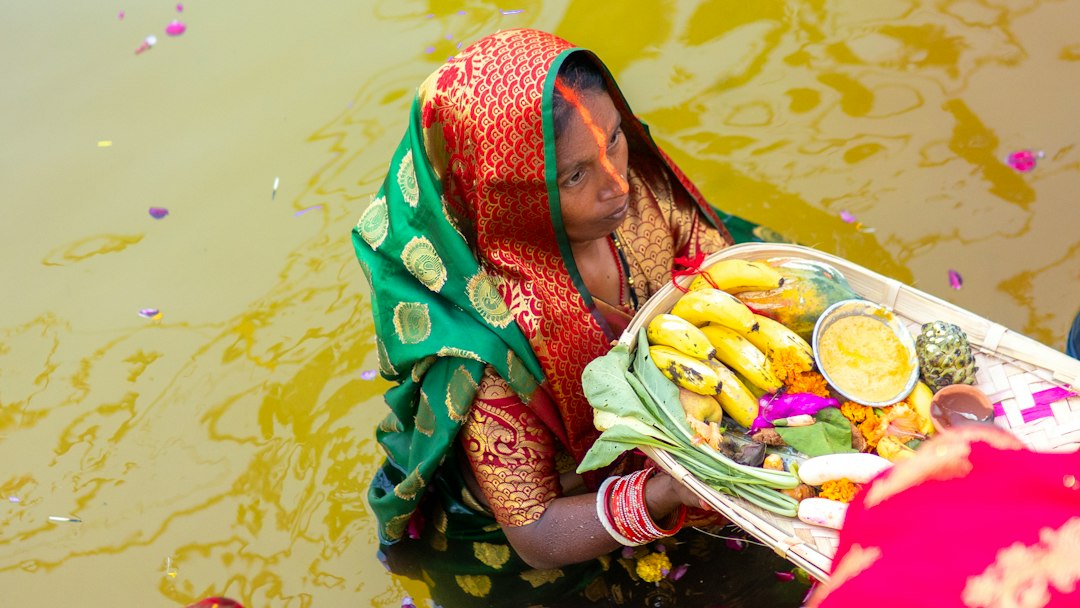
At a ghat near Kalindi Kunj in Delhi, a young mother unpacks a bamboo soop filled with thekua, sugarcane and five kinds of fruit, readying for her first Sandhya Arghya. She has never stood in river water before dawn, nor gone without a sip of water for 36 hours. Her neighbour, settled in the colony for two decades, walks her through each step now, because by sunset on 15 November 2026, thousands of first-timers like her will line riverbanks across the country.
The four-day Chhath Puja calendar for 2026
Chhath Puja is not a single-day event. The rituals are observed over three nights and four days, and include holy bathing, fasting, abstaining from drinking water as a vrata, standing in water, and offering prasada and arghya to the rising and setting of the Sun. In 2026, the sequence runs from Friday to Monday. Day 1 is Nahay Khay on Friday, 13 November, Day 2 is Kharna on Saturday, 14 November, Day 3 is Sandhya Arghya, the main Chhath day, on Sunday, 15 November, and Day 4 is Usha Arghya and Parana on Monday, 16 November.
The hardest stretch sits between days two and four. Kharna ends with the fast broken at dusk through rasiaav and roti, after which a 36-hour nirjala fast begins that runs without food or water until the next morning. That fast only ends after Usha Arghya, the sunrise offering on the final day. A first-timer who skips the Kharna meal, or drinks water afterward, breaks the vrat and usually restarts the observance the following year.
Who observes Chhath Puja, and where
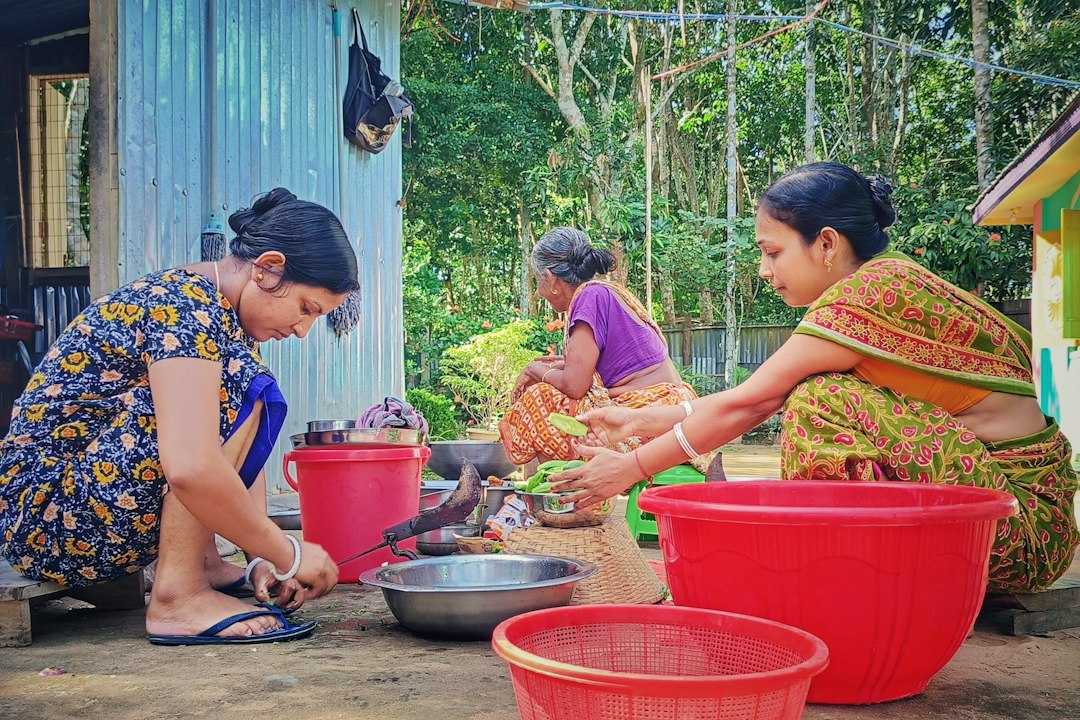
Chhath Puja began as a regional harvest festival and still carries that identity. It is celebrated primarily in Bihar, Jharkhand, Uttar Pradesh and certain parts of Nepal. Migration has carried it far beyond those states, into Delhi, Mumbai, Kolkata and overseas communities with large Bihari and Purvanchali populations.
Delhi shows this shift clearly. Chhath Puja in the capital is primarily celebrated by the Purvanchali community, and it holds immense cultural and religious significance there. The deities at the centre of the festival explain why families treat it as non-negotiable rather than optional. The goddess Chhathi Maiya, the sixth form of Prakriti and Surya's sister, is worshipped alongside the Sun god through the festival. Mythology reinforces the pull: Karna, the son of Lord Surya and Kunti, was known for his unwavering devotion to his father, Lord Surya, and Sita, the wife of Lord Ram, is said to have performed Chhath Puja as well.
What the ghat numbers show in Delhi
Scale and pollution collide every year on the Yamuna, and the figures tell that story better than sentiment does. The Delhi government has planned more than 1,400 Chhath ghats across the capital this year, compared with 1,326 last year. Two years earlier, the gap was wider still: a Tribune report from that Chhath season noted the Delhi Government set up around 1,000 artificial ghats across the Capital, hoping to facilitate the smooth celebration of the festival.
The river itself remains the constraint no brochure mentions. The Yamuna flows for approximately 52 km through Delhi, with the 22-km stretch between Wazirabad and Okhla facing severe pollution due to sewage and untreated wastewater entering the river. Foam forming in the Yamuna is a well-known issue in Delhi, and every year images of people conducting Chhath Puja while standing around white foam bring it to the limelight. To get around this, an artificial Yamuna ghat using filtered water is being set up again at Vasudev Ghat for Chhath Puja this year, despite the political controversy surrounding a similar arrangement last year. That controversy was pointed: the artificial ghat at Vasudev Ghat became a political flashpoint during Chhath last year when AAP leader Saurabh Bharadwaj alleged that the BJP government had created a "fake Yamuna."
A first-timer's checklist for arghya day
Four items separate a smooth first attempt from a stressful one: the fasting sequence, the prasad, the ghat choice and the arrival time. Start with food. Thekua is the most iconic offering of Chhath Puja, and it sits in the bamboo soop alongside sugarcane, coconut, bananas and seasonal fruit that go to the riverbank, not the kitchen table.
On fasting, treat Nahay Khay as preparation, not the main event. Eat a single sattvik meal that day, then hold to the Kharna routine the next evening before the 36-hour fast begins. For the ghat itself, arrive well before sunset on Sandhya Arghya day: arrangements at major ghats include CCTV cameras, lighting, toilets and changing rooms, but crowding peaks in the final hour before the sun goes down. Keep children and elderly family members close, since the press of people at the water's edge grows fast once the sun nears the horizon.
What comes next for Chhath devotees
Delhi's administration has tied its own credibility to how this plays out. Chief Minister Rekha Gupta inspected Yamuna Ghats from Palla village, where the river enters Delhi, to ITO on a boat, to review arrangements for the forthcoming Chhath Puja. She framed the stakes in personal terms: "Chhath is not just a festival, it is a symbol of women's devotion and our respect for nature." Whether the filtered water at Vasudev Ghat, the fogging drives and the expanded ghat count actually hold back the foam this time, or whether the same images of devotees standing in white froth return once the sun sets on 15 November, is the question Delhi will answer again this season.