
CONTACT
  • Login
  • Register
Upgrade
INDIAwebzine
Advertisement
  • Home
    • Our Authors
    • Media Kit
    • Contact
    • Cookie Policy
    • Terms and Conditions
  • News
  • Business
  • Lifestyle
    • Gastronomy
    • Sustainable living
    • Well-being
  • Culture
  • Sports
  • Travel
  • Global India
  • Insights
  • Local Guide
    • Activities in India
    • Hotels in India
    • Nightlife in India
    • Restaurants in India
    • Services in India
    • Shopping in India
No Result
View All Result
INDIAwebzine
No Result
View All Result
Home Luxury Lifestyle Gastronomy

Fermented foods: a home starter guide

0
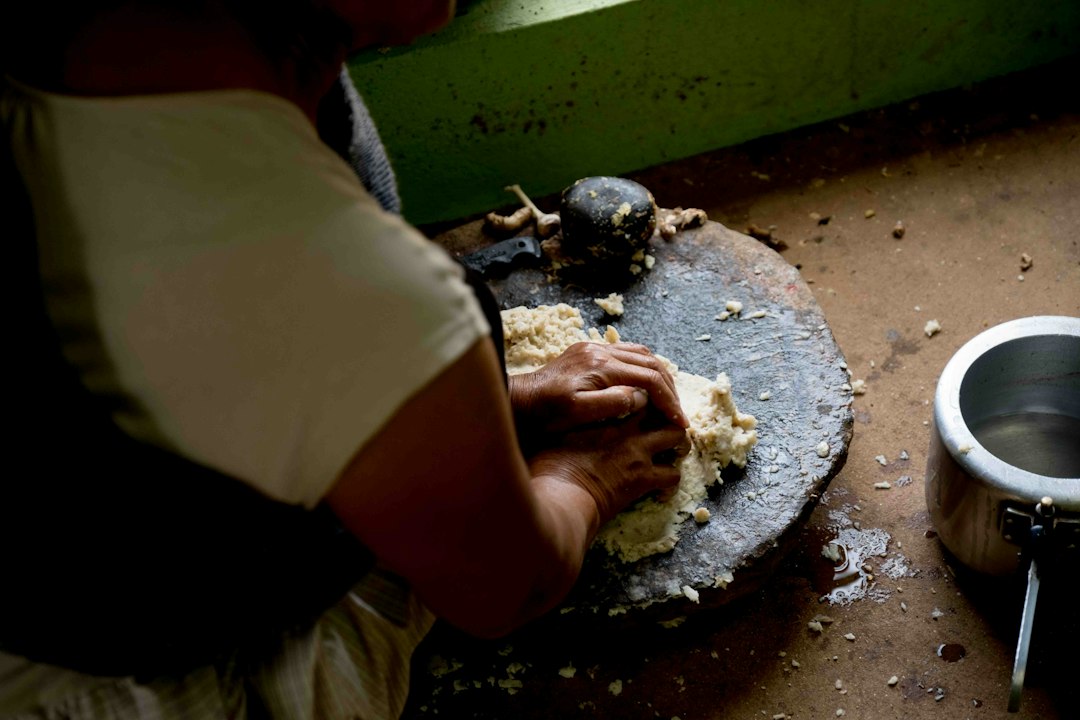
Woman preparing fermented foods batter in an Indian kitchen

#image_title

Fermented foods sit in nearly every Indian meal, often without anyone noticing. Idli batter rests overnight before breakfast, curd sets on the kitchen counter, and a jar of kanji waits by a sunny window through winter. Home fermentation in India needs little equipment: water, salt, patience and a warm corner handle most of the work. This guide covers four fermented foods a beginner can realistically start this week, with the timings and temperatures that decide whether they succeed.

Before starting, it helps to know what fermentation actually asks of a cook. It is not a single technique but a family of processes, each run by different bacteria or yeasts that thrive in a specific temperature band. Some, like idli batter, finish in a single night. Others, like a Himalayan pit ferment, take weeks and depend on conditions a city kitchen cannot fully copy.

Idli and dosa batter: India's most familiar fermentation

South Indian kitchens soak rice and black gram (urad dal) separately for four to six hours, then grind them into a batter before combining with salt. The combined batter ferments overnight at room temperature, during which naturally occurring microorganisms, primarily Leuconostoc mesenteroides and Streptococcus thermophilus, produce lactic acid and carbon dioxide that make the batter rise. A temperature of 25 to 30°C is highly favourable for these microorganisms to work well.

Your Local Guide to India Your Local Guide to India Your Local Guide to India

Timing depends almost entirely on climate. The optimal fermentation time in tropical weather is 10 to 12 hours, but in colder places it can take up to 24 hours. Research institutes studying the process describe the same pattern from an industrial angle: fermentation of about 15 to 18 hours is needed, and it completes only in warmer climates around 25°C or more, since too much heat, around 40°C, leads to an overly sour result. In colder regions, a common fix is to warm an oven slightly, switch it off, and leave the covered batter inside overnight.

A longer rest changes the texture as much as the taste. Starch granules in the batter disappear as fermentation time increases to 18 and then 36 hours, and batter fermented for 36 hours produces a cohesive, dense, sponge-like idli. For a first attempt, aim for the shorter end: a batter that has roughly doubled in volume, with visible bubbles and a faint sour smell, is ready for idli. Dosa batter can sit a day or two longer for extra crispness.
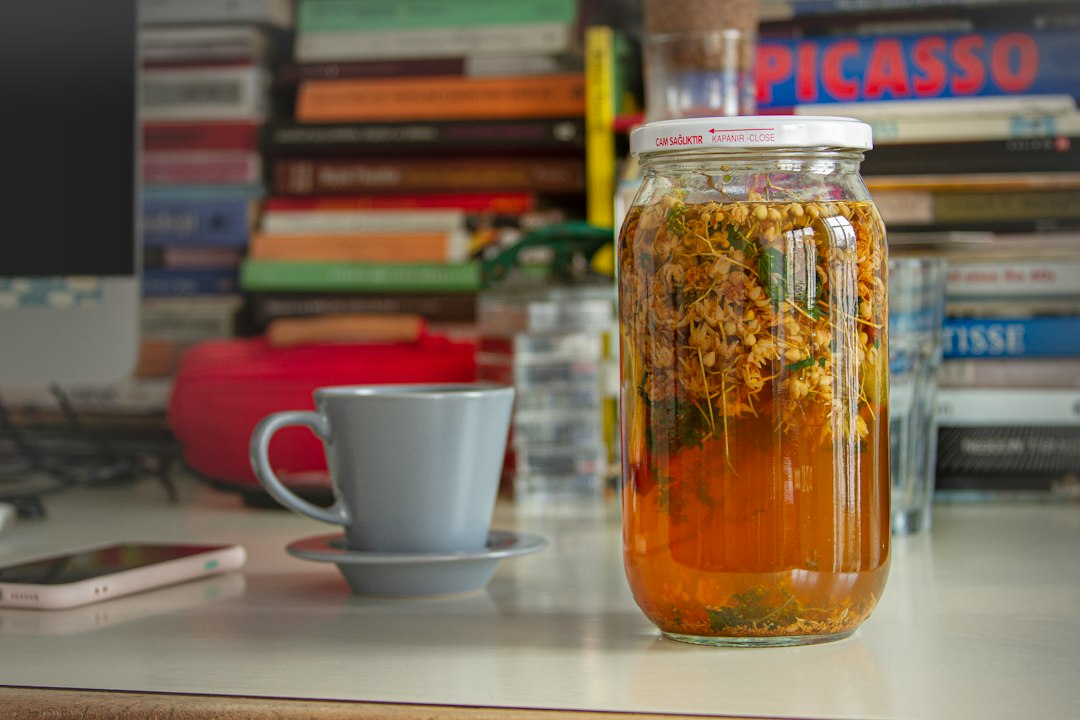
Glass jar of fermented foods like kanji resting in sunlight

Kanji: a four-ingredient probiotic drink from North India

Kanji needs no grinder and no steaming, which makes it the easiest entry point for most households. It is a North Indian fermented probiotic drink made by sun-fermenting black or purple carrots, beetroot, ground mustard seeds, and rock salt in water for three to seven days. Cut the carrots into sticks, pack them into a clean glass jar with the mustard seeds and salt, cover with boiled and cooled water, and tie a cloth over the mouth of the jar instead of sealing it tightly.

Black carrots give the drink its traditional colour and sourness, but they are not sold year round. They are seasonal in North India between January and March, which is why many home cooks substitute orange carrots with a beetroot for colour when black carrots are out of season. Temperature decides how quickly the jar turns tangy: the ideal range is roughly 21 to 29°C, and below about 18°C fermentation slows dramatically. A sunny windowsill works better than a dark cupboard for this reason.

Salt is not just for flavour here; it also controls which bacteria survive. A ratio of around two to three per cent salt to water gives a balanced ferment without the jar turning either flat or unpleasantly harsh. Taste the kanji from day three onward, and once it is sour to your liking, move the jar to the refrigerator to slow fermentation and keep it for another week or two.
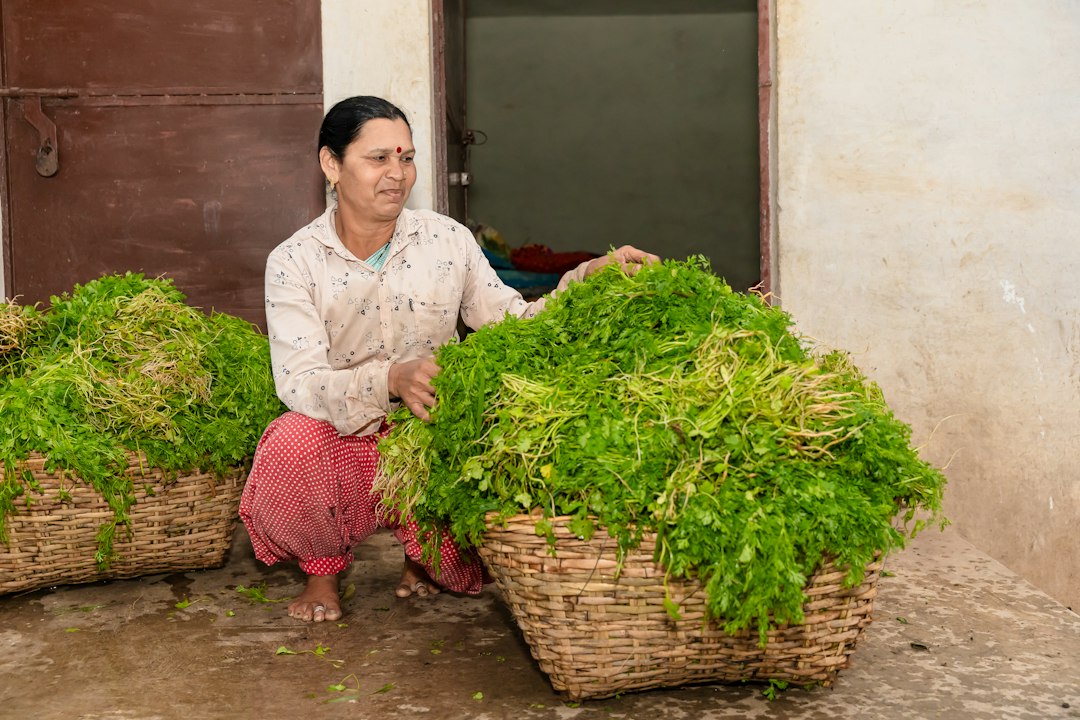
Himalayan cook drying fermented foods such as gundruk outdoors

Read also

  • A woman selecting fresh fish at a bustling Indian coastal market, representing the heart of coastal cuisine traditionsCoastal cuisine: India’s most underrated seafood25/08/2026
  • A woman carefully organising her home spice pantry with colourful Indian regional spices on a wooden shelfSpice pantry built on India’s 6 regions14/08/2026
  • A woman in an Indian kitchen measuring gluten-free flours to prepare homemade flatbreadGluten-free flours for Indian baking31/07/2026
  • A woman stirs a pot of monsoon dal in a traditional Indian kitchen, surrounded by whole spices and steam.Monsoon dal recipes from 7 Indian states24/07/2026
  • A smiling street vendor fries golden pakoras at a busy stall, capturing the joy of monsoon street food in DelhiMonsoon street food guide across India08/07/2026
  • Filter coffee guide for home brewers in India28/06/2026

Dahi at home: the easiest ferment most kitchens already run

Curd, or dahi, is arguably the simplest fermentation of the four, and most Indian households already do it without thinking of it as a project. Warm a cup of milk until it is just hot to the touch, stir in a spoonful of existing curd as a starter, and leave the covered pot undisturbed in a warm spot overnight. No special culture or imported sachet is required, since the bacteria from the previous batch of curd do the work again.

The main variable is again temperature, which is why dahi sets faster in summer and can take longer, or fail to set firmly, in a cold winter kitchen. Placing the pot inside a switched-off oven with the light on, or wrapping it in a towel, usually solves this. Once set, dahi keeps in the refrigerator for several days and also becomes the starter for the next batch.


-

A woman selecting fresh fish at a bustling Indian coastal market, representing the heart of coastal cuisine traditions

Coastal cuisine: India’s most underrated seafood

25/08/2026
A woman carefully organising her home spice pantry with colourful Indian regional spices on a wooden shelf

Spice pantry built on India’s 6 regions

14/08/2026
A woman in an Indian kitchen measuring gluten-free flours to prepare homemade flatbread

Gluten-free flours for Indian baking

31/07/2026
A woman stirs a pot of monsoon dal in a traditional Indian kitchen, surrounded by whole spices and steam.

Monsoon dal recipes from 7 Indian states

24/07/2026
A smiling street vendor fries golden pakoras at a busy stall, capturing the joy of monsoon street food in Delhi

Monsoon street food guide across India

08/07/2026

Filter coffee guide for home brewers in India

28/06/2026

Himalayan ferments: gundruk, sinki, and what to try once you are confident

Once idli batter, kanji and dahi feel routine, the Himalayan belt of India offers a more advanced tier of fermentation, built around preserving greens and roots through long winters. Gundruk is made from leafy vegetables, typically mustard greens, radish leaves, or cauliflower leaves, and is eaten across Darjeeling hills, Sikkim, Himachal Pradesh and Uttarakhand as well as Nepal. A related product, sinki, uses the radish root rather than the leaves.

Sinki is worth knowing even if you never attempt it, because it shows how differently traditional Himalayan fermentation works compared to a jar on a counter. To make it, aged radish slivers are pressed into a hole lined with bamboo and straw, then covered with vegetation, rocks, wood and finally mud; after a month of bacterial curing, the preserved vegetable is dried in the sun and can be stored for years. That is a pit fermentation, not a jar recipe, and it depends on soil, climate and timing that a home kitchen outside the hills cannot easily reproduce.

Black gram gets its own Himalayan treatment too. It is naturally fermented into an artisan spongy, ball-like dried product called maseura in Nepal and wari in Himachal Pradesh and Uttarakhand. For most readers outside these regions, the realistic approach is to buy gundruk, sinki or wari from a Himalayan or Nepali grocer rather than attempt the pit method at home, and save the first hands-on ferment for a simplified shredded-radish version left in a jar with salt for a few days.

What to start with first, and what can wait

Begin with whichever ferment matches the equipment already in your kitchen. If you own a wet grinder or a strong blender, start idli batter tonight and taste the results within a day. If you do not, kanji is the simplest first project: four ingredients, a glass jar, and a sunny spot for three to seven days, no cooking required.

Dahi can run alongside either one, since it needs no new skill beyond warm milk and a spoonful of starter you likely already have. Save Himalayan pit ferments like sinki for later, and treat the first few jars of gundruk-style greens as practice rather than the real pit-cured version. Once a batch of idli batter or kanji works reliably, the rest becomes a matter of adjusting time and temperature to your own kitchen.


Learn more about fermented foods

  • Chemistry of Dosa
  • Preparation of idli batter, its properties and nutritional improvement during fermentation
  • Fermented foods: a home starter guide
Previous Post

Repo rate decision: what borrowers should do

Next Post

Backwater homestays in Kerala: book direct

Related Posts

A woman selecting fresh fish at a bustling Indian coastal market, representing the heart of coastal cuisine traditions
Gastronomy

Coastal cuisine: India’s most underrated seafood

25/08/2026
A woman carefully organising her home spice pantry with colourful Indian regional spices on a wooden shelf
Gastronomy

Spice pantry built on India’s 6 regions

14/08/2026
A woman in an Indian kitchen measuring gluten-free flours to prepare homemade flatbread
Gastronomy

Gluten-free flours for Indian baking

31/07/2026
A woman stirs a pot of monsoon dal in a traditional Indian kitchen, surrounded by whole spices and steam.
Gastronomy

Monsoon dal recipes from 7 Indian states

24/07/2026
A smiling street vendor fries golden pakoras at a busy stall, capturing the joy of monsoon street food in Delhi
Gastronomy

Monsoon street food guide across India

08/07/2026
Next Post
Host welcoming guests outside one of Kerala's backwater homestays

Backwater homestays in Kerala: book direct

Leave a Reply Cancel reply

Your email address will not be published. Required fields are marked *

Truelang AI WordPress Translation Plugin Truelang AI WordPress Translation Plugin Truelang AI WordPress Translation Plugin
No Result
View All Result

Our Focus

INDIAwebzine is your international window on India: sustainable lifestyle, business, culture, sports and events for a global audience drawn to the subcontinent's vibrant and diverse scene.

Our Readers

INDIAwebzine addresses readers who engage with India at a high level: professionally, financially, strategically, and as decision-makers in their fields.

Our Approach

Lifestyle, travel, and culture are integrated as context and indicators of economic dynamism, purchasing power, and soft power — not standalone entertainment.

Recent Posts

  • Bengal terracotta: a beginner’s buying guide
  • Backwater homestays in Kerala: book direct

© 2025 INDIAwebzine by NOOR & NOOR.

Welcome Back!

Login to your account below

Forgotten Password? Sign Up

Create New Account!

Fill the forms bellow to register

All fields are required. Log In

Retrieve your password

Please enter your username or email address to reset your password.

Log In
Manage Consent
To provide the best experiences, we use technologies like cookies to store and/or access device information. Consenting to these technologies will allow us to process data such as browsing behavior or unique IDs on this site. Not consenting or withdrawing consent, may adversely affect certain features and functions.
Functional Always active
The technical storage or access is strictly necessary for the legitimate purpose of enabling the use of a specific service explicitly requested by the subscriber or user, or for the sole purpose of carrying out the transmission of a communication over an electronic communications network.
Preferences
The technical storage or access is necessary for the legitimate purpose of storing preferences that are not requested by the subscriber or user.
Statistics
The technical storage or access that is used exclusively for statistical purposes. The technical storage or access that is used exclusively for anonymous statistical purposes. Without a subpoena, voluntary compliance on the part of your Internet Service Provider, or additional records from a third party, information stored or retrieved for this purpose alone cannot usually be used to identify you.
Marketing
The technical storage or access is required to create user profiles to send advertising, or to track the user on a website or across several websites for similar marketing purposes.
  • Manage options
  • Manage services
  • Manage {vendor_count} vendors
  • Read more about these purposes
View preferences
  • {title}
  • {title}
  • {title}
No Result
View All Result
  • Home
    • Our Authors
    • Media Kit
    • Contact
    • Cookie Policy
    • Terms and Conditions
  • News
  • Business
  • Lifestyle
    • Gastronomy
    • Sustainable living
    • Well-being
  • Culture
  • Sports
  • Travel
  • Global India
  • Insights
  • Local Guide
    • Activities in India
    • Hotels in India
    • Nightlife in India
    • Restaurants in India
    • Services in India
    • Shopping in India

© 2025 INDIAwebzine by NOOR & NOOR.

Verified by MonsterInsights
enEnglishhiहिन्दी