
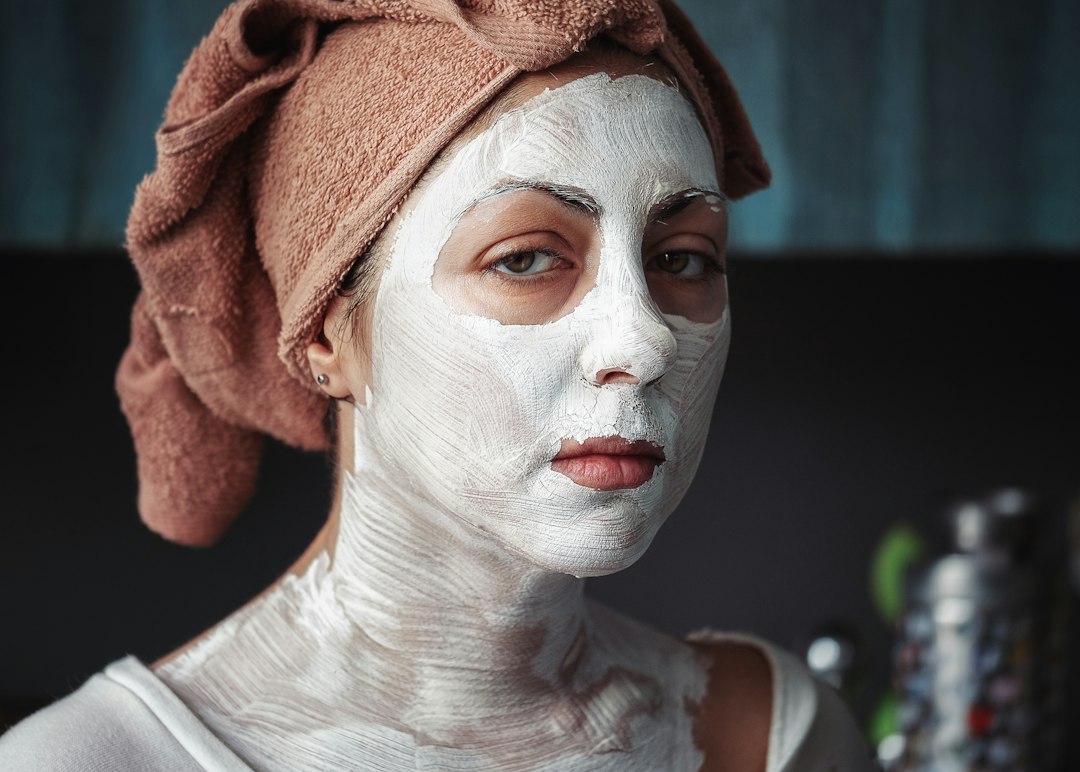
Your bathroom shelf probably already has a packet of multani mitti, bought once before a festival and forgotten since. This clay behaves differently on different skin, and the wrong ratio can leave dry skin tighter and flakier than before. This guide sorts multani mitti face packs by skin type, with exact ratios, frequency and the one mistake that undoes the benefit for most people.
What multani mitti actually is and what it costs
Multani mitti, called fuller's earth in English, takes its name from Multan, now in Pakistan, though most of the clay sold in India today comes from Rajasthan and Gujarat. It is a clay-like substance that's mostly composed of aluminum magnesium silicate. That mineral structure is what lets it soak up oil and water the way a sponge does, pulling impurities out of skin as it dries.
A 200g packet from brands such as Nat Habit, Indus Valley or Neuherbs costs between roughly ₹90 and ₹300 on Amazon and Flipkart, depending on the discount running that week. Loose clay bought directly from suppliers listed on IndiaMART in Delhi runs far cheaper, with plain powder quoted at ₹55/Kg as of 25/10/2026 and some branded options near ₹120/Kg. The price gap mostly reflects purity testing and packaging, not the clay inside.
Multani mitti is not the only clay worth knowing before you shop. Multani mitti is more absorbent, so better for oily and acne-prone skin, while kaolin is gentler and better for dry and sensitive skin. That one fact decides most of what follows in this guide. Before buying, check the colour: pale beige or light brown clay is normal, while very white or grey clay is often adulterated, and good multani mitti is finely powdered rather than gritty.
Oily and acne-prone skin: the classic match
This is the skin type multani mitti was made for. For oily skin, a multani mitti face pack can be applied two to three times a week to control excess oil and prevent acne. A dermatology source quoted by Healthline explains why it works on breakouts specifically: "The magnesium chloride in fuller's earth is a magic anti-acne worker," says Kapoor.
For the base recipe, mix 2 tablespoons of multani mitti with rose water until it forms a spreadable paste. This controls excess oil, tightens pores, and refreshes the skin. If you have active breakouts, swap in a neem-based version instead: 2 teaspoons multani mitti, 2 teaspoons neem toner or rose water, with 2 to 3 drops of tea tree oil optional, applied twice a week. Keep both packs on for 10 to 15 minutes and rinse before the clay sets rock hard.
Dry and sensitive skin: dilute it, don't dry it
Multani mitti still works on dry skin, but only if you change how you use it. The biggest error people make, regardless of skin type, is letting the pack dry completely on the face before washing it off, which pulls out natural moisture along with the oil.
For dry skin, lean on richer liquids instead of water. Almonds and milk combined with multani mitti provide dry skin the hydration and nourishment it needs. An alternative uses pantry staples: mix one tablespoon of clay with honey and glycerin in equal parts, since the purpose of this mask is to moisturise the skin, combining one tablespoon of clay with honey and glycerin in equal amounts.
Sensitive and easily irritated skin needs the lightest hand of all. One teaspoon of multani mitti mixed with three teaspoons of aloe vera gel, used once every ten days, suits sensitive or irritated skin. Wash it off the moment the paste turns matte rather than waiting for it to crack.
Combination and normal skin: balance both zones
Combination skin, oily through the T-zone and dry on the cheeks, is where multani mitti's dual nature actually helps. Multani mitti possesses both hydrating and oil-absorbing properties and thus works well for combination skin types. A honey and lemon mix applied as one even layer lets the clay draw oil where there is excess while the honey keeps drier patches from tightening too much.
Normal skin has the most room to experiment. A papaya and rose water base works well here, since fruit enzymes add mild exfoliation on top of what the clay already does. Two to three times a week is enough; daily use offers no extra benefit and only increases the risk of over-drying skin that was never oily to begin with.

Tan, pigmentation and dull skin: the brightening packs
Multani mitti has long been sold on its brightening reputation, and the claim has some basis. The clay pulls excess oil and impurities from pores, which works especially well for oily and combination skin, and it also acts as a gentle physical exfoliant, lifting away dead skin cells; users commonly report a brighter, more even complexion afterward, likely from oil removal and exfoliation rather than any chemical lightening effect. That distinction matters if you are expecting dramatic spot-fading results.
For an evening-toned pack, combine multani mitti with sandalwood powder, a pinch of turmeric, and milk or yogurt, which brightens the complexion, reduces pigmentation, and provides a natural glow. Keep this pack to once a week, since turmeric can stain lighter fabrics and overuse of any clay pack on pigmentation-prone skin can trigger irritation that worsens dark patches instead of fading them.
What to do first and what can wait
Start with a patch test on your inner arm, wait 24 hours, and only then apply a pack to your face. Buy a small 200g packet before committing to a 1kg bag, since reaction and texture preference vary more than most people expect. Handle the dry powder away from your nose while mixing, because in large concentrations or with prolonged or repeated exposure, fuller's earth may cause serious skin and eye irritation and lung damage.
Everything else can wait. Daily use, mixing three or four active ingredients at once, and chasing visible pigmentation results within a week are all worth skipping until you know how your specific skin responds to the basic pack for your type.