
Raksha Bandhan gifting is changing, and on 28 August 2026 you will see exactly how: across every Indian city, a new generation of homegrown brands is turning a sacred thread into a full retail moment.
What Raksha Bandhan actually is
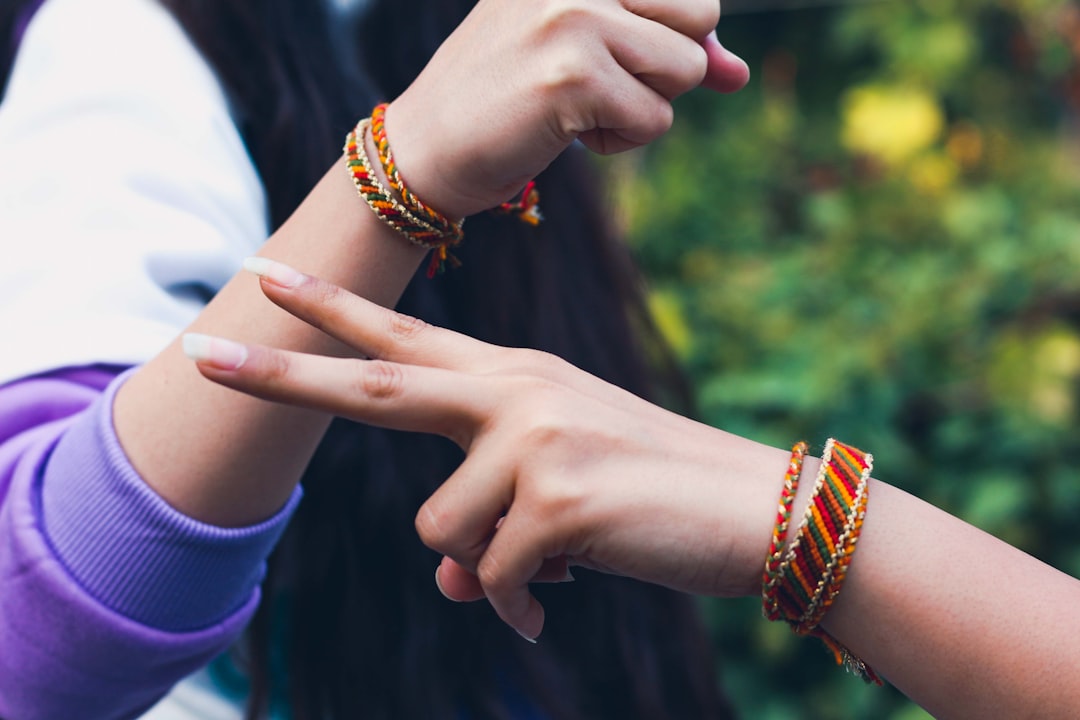
Raksha Bandhan celebrates the love and protection shared between brothers and sisters through the ritual of a sister tying an ornamental thread, called a rakhi, around a brother’s wrist, while the brother commits to protecting her throughout her life. The festival falls on the full moon of the Hindu month of Shravana, which places it in August each year. In 2026, the auspiciousness of the day is considered greater than usual because the inauspicious Bhadra Kaal period ends before sunrise, leaving the entire morning clear for the ceremony.
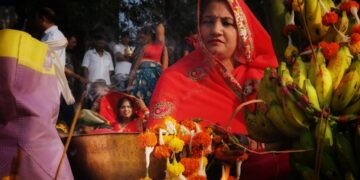
For a first-time visitor, the scene can stop you completely. Families gather around small brass thalis holding roli powder, rice grains, and a lamp. A sister ties the rakhi, a brother places a gift in her hands, and something ancient and very real passes between them. Sisters tie a rakhi on their brothers’ wrists, pray for protection, success, good health, and a long life, while brothers give gifts and promise to support and protect their sisters.
How the gifting economy has shifted
For decades, the standard gift was a box of sweets, a sari, or a cash envelope. Those things still exist. Yet Raksha Bandhan is more than a ritual: as the festival evolves with modern tastes and preferences, so does the art of gifting, moving away from generic options and stepping into the world of thoughtful luxury.
E-commerce platforms and D2C brands are playing a key role in driving this trend, offering extensive personalisation options with seamless online ordering and delivery services. The shift is not only about price. Buyers now expect a gift to carry a name, a message, or a specific aesthetic. Generic items lose to products that feel made for one person.
D2C players have witnessed a strong uptick in both online and offline sales, and what stands out is how India’s D2C ecosystem has matured: it is no longer just about discount-driven sales but about tapping into cultural moments with innovation, personalisation, and meaningful gifting, as brands find new ways to connect with consumers who seek authenticity and creativity in their festive purchases.
The D2C brands reshaping the festival
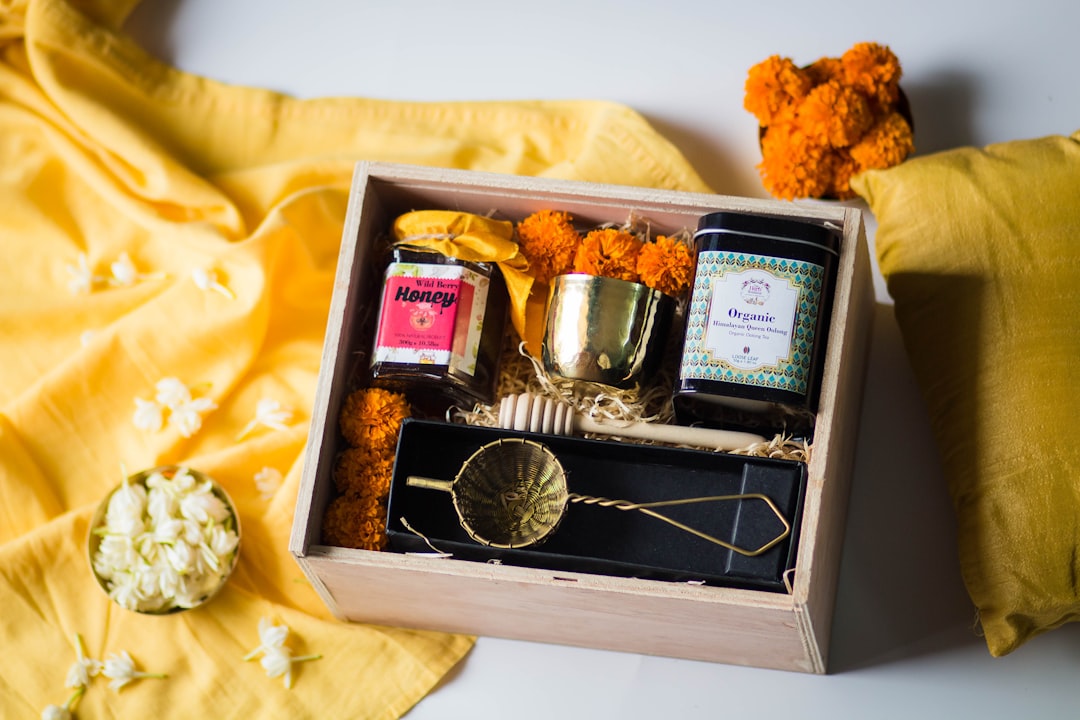
Look at what homegrown brands now offer for Raksha Bandhan gifting and the range is striking. Forest Essentials, for example, targets sisters who love pampering and Ayurvedic beauty with limited-edition Raksha Bandhan hampers featuring their bestselling Soundarya range of gold-infused facial oils, creams, and body polishes. At a different price point, personalised jewellery brands build their entire model around the festival. Foundation Gift, a personalised gifting brand based in Mumbai, opens its Raksha Bandhan range for sisters with pieces that span a wide set of budgets and tastes, each personalised with her name, a birthstone, or a short message.

The rise of digital printing and laser engraving technology has further expanded customisation possibilities. Brands can now engrave a name on a steel bracelet, pack it in gift-ready packaging, and deliver it across India within 3 to 5 days. Tracking arrives on WhatsApp and email once the parcel is on the way, and if you send a gift from abroad, some brands ship to more than 20 countries. The logistics of love have become genuinely easy.
Indian D2C brands are also steadily strengthening their offline presence, accounting for nearly 28 percent of total retail leasing activity in the first half of 2026, a notable rise from approximately 23 percent in the same period the previous year, reflecting the growing importance of physical retail in the D2C approach. Pop-up stores in malls during the weeks before the festival let buyers touch, smell, and personalise products in person before they order online.
Expert perspective on festive gifting and D2C growth
The festive calendar in India is unlike anything you find elsewhere. Each occasion carries its own emotional register and its own high-intent product categories. Raksha Bandhan sits squarely in the jewellery and accessories space, and D2C brands have understood this better than legacy players have. They move faster, they speak to younger buyers in the right language, and they use personalisation as the core product rather than as an add-on. The brands that clean up treat the full arc of the year as a single sequenced strategy, building audiences in quieter months and activating hard at every intent window. Raksha Bandhan is one of those windows, and it is only getting bigger.
Industry perspective, e-commerce strategy and D2C festive marketing professionals in India
Why personalisation is now the product
Walk through Bengaluru’s Indiranagar or Mumbai’s Bandra in the week before the festival and every second shopfront has a Raksha Bandhan display. Yet the real action happens on a phone screen at midnight. India’s online gifting market is characterised by both established e-commerce giants and specialised gifting platforms competing through personalisation capabilities, delivery speed, and product variety, with the competitive edge increasingly belonging to platforms that can combine AI-driven recommendation, ultra-fast logistics, and deep cultural resonance across India’s diverse festive calendar.
Scarcity creates desire: limited-edition festive collections or special packaging can transform regular products into emotional branding tokens of celebration. Brands release collections with a fixed number of units. Buyers share unboxing videos. The festival becomes content, and content drives the next sale. Each festival carries its own emotional register, its own gifting culture, and its own high-intent product categories. For Raksha Bandhan gifting specifically, that intent is deeply personal, and the best brands have learned to design for that.





Conclusion
Raksha Bandhan gifting has always carried weight. A sister spends time choosing a thread. A brother searches for something that says he paid attention. What has changed in 2026 is the number of Indian-built brands that now serve that search with real craft and speed. As digital-first Indian brands continue to blend tradition with modernity, the festive season remains not just a sales period but a powerful storytelling opportunity that helps them build deeper emotional and brand value with consumers year after year. If you are in India around 28 August, step into that moment. Watch what people carry. You will see Raksha Bandhan gifting as both ceremony and economy, and you will understand why Indian D2C brands have made it their most important date of the year.
Discover more about Raksha Bandhan gifting
- India Gifting Market Size, Share and Forecast to 2034, IMARC Group
- How Festive Gifting Became a Growth Engine for D2C Brands, Indian Retailer
- The Definitive Ecommerce Festive Season Marketing Calendar for India 2026, Appbrew