
Kargil Vijay Diwas hits differently when you are standing at 11,500 feet in Dras, wind in your face, staring up at the exact ridgelines where young soldiers climbed through darkness to take back what was theirs.
What the conflict was actually about
In the summer of 1999, Pakistani troops and infiltrators crossed the Line of Control and occupied high-altitude posts across Kargil, Dras, and Batalik. Their goal was to cut National Highway 1A, the lifeline linking Srinagar to Ladakh. Without that road, Indian forces in the region would be isolated. The strategic logic was simple and brutal.

The conflict began in May 1999. Intruders crossed the Line of Control and occupied Indian positions on commanding heights. Their aim was to cut the link between Kashmir and Ladakh. The larger objective was to force India into negotiations on the Kashmir dispute.
The conflict is considered one of the rare conventional wars between 2 nuclear-armed nations. That detail alone makes it worth understanding deeply, not just commemorating.
The peaks that defined the war
The war was fought at altitudes above 16,000 feet. Indian soldiers faced extreme weather, steep terrain, and enemy fire while climbing uphill. There was no way to approach quietly. Unlike other high-altitude areas, the Kargil mountains lose snow cover as summer progresses. Below the peaks are loose rocks, which make climbing extremely difficult. If it is not the snow, it is the rocks that cause extreme hardship on the troops.
The Battle of Tololing saw Indian forces recapture a peak over 16,000 feet high after a 3-week assault, marking a critical early success. The Battle of Tiger Hill involved intense combat at 16,500 feet, where Indian troops reclaimed the peak after sustained and coordinated attacks.
The Battle of Point 4875 was pivotal because of the peak’s strategic location in the Dras region, from which any activity on the Srinagar-Leh Highway could be monitored. Pakistani troops had occupied the height covertly. The Indian military launched an attack and ultimately recaptured the point. Captain Vikram Batra, code-named “Shershaah” during the conflict, attained martyrdom while fighting on 7 July 1999. Point 4875 was subsequently named “Batra Top” in his honor.

How India responded
India answered with Operation Vijay, drawing in the Army alongside the Air Force’s Operation Safed Sagar and the Navy’s Operation Talwar. The response was coordinated across all 3 services. More than 2 months of combat in punishing terrain followed before the infiltrators were pushed back and every post was recovered.
For the first time, a conflict between India and Pakistan took place under the presence of nuclear weapons, attracting immediate international attention. India’s decision to limit its military operations strictly to its side of the Line of Control became a significant factor in shaping global perception. By showing restraint despite provocation, India positioned itself as a responsible actor.
The day is a tribute to the 527 brave soldiers who sacrificed their lives to reclaim strategic peaks in the Kargil region of Jammu and Kashmir during Operation Vijay. The war concluded successfully on 26 July 1999, marking India’s victory and the bravery of the Indian Army.
Expert perspective on what Kargil changed
The Kargil War of 1999 fundamentally changed how India prepares for high-altitude conflict. Before 1999, military doctrine underestimated the challenge of fighting above 15,000 feet against a prepared enemy holding the high ground. Kargil forced the armed forces to invest in specialized mountain training, better cold-weather equipment, and dedicated artillery support for extreme terrain. The coordinated use of air power alongside ground forces, something seen in Operation Safed Sagar, was a turning point in Indian military thinking. Every high-altitude exercise conducted since 1999 carries the lessons of those 85 days in Ladakh, and those lessons have only grown more relevant as strategic competition along India’s northern borders has intensified.
Industry perspective, defence and military history professionals in India
How India marks 26 July in 2026
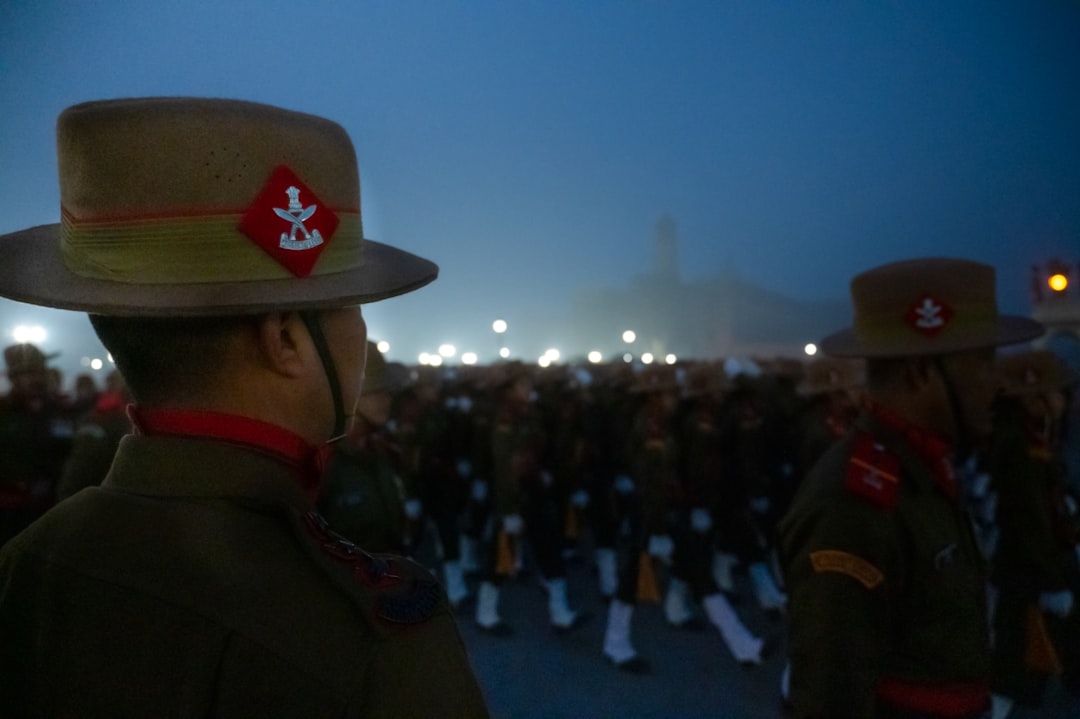
Kargil Vijay Diwas is celebrated on 26 July 2026, marking the 27th anniversary of India’s victory in the Kargil War. From 2026, the commemoration is strengthened through the collective involvement of the government, civil society, organizations, and the Indian Army’s core initiatives.
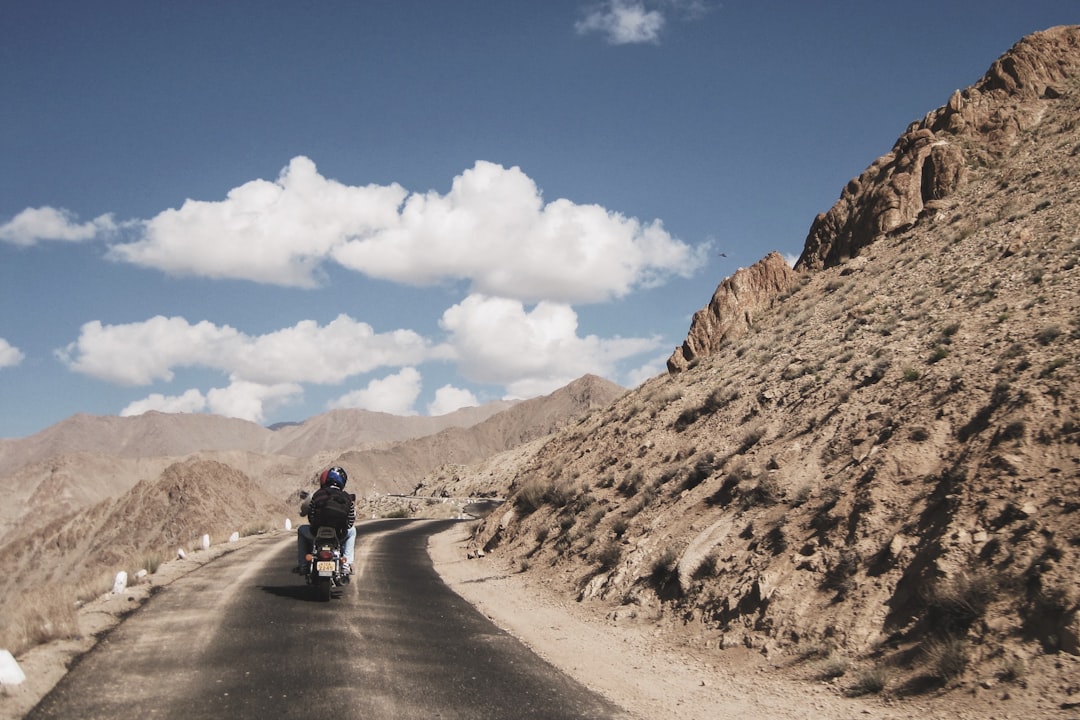
A 13-day commemorative motorcycle expedition was organized, carrying the theme “One Ride, One Nation, One Salute.” Raksha Mantri Rajnath Singh flagged off the expedition on 14 July 2026. The convoy starts at the National War Memorial in New Delhi and ends at the Kargil War Memorial in Dras, Ladakh, covering roughly 1,900 kilometers through the northern Himalayas.






On 13 July 2026, 137 soldiers undertook a commemorative trek to Point 5140, also known as Gun Hill. The trek honored the Regiment of Artillery for its decisive contribution during Operation Vijay.
Visiting the Kargil War Memorial yourself
The memorial stands close to the actual battle zones, including the Tololing Range and Tiger Hill, making its location historically precise rather than symbolic. Names of the fallen are inscribed on a sandstone wall, ensuring individual recognition rather than anonymous tribute. The adjacent museum preserves documents, photographs, weapons, and personal stories connected directly to the conflict.
Kargil Vijay Diwas on 26 July is the best day to visit if you want to witness a grand ceremony. The Indian Army organizes a wreath-laying ceremony, patriotic events, and cultural programs at the memorial every year. The best time to visit is from May to September, when the Srinagar-Leh highway remains open and weather conditions in Dras are relatively stable.
From the memorial, visitors can see Tololing Heights, Tiger Hill, and Point 4875, all sites of the conflict during the war. Entry to the Kargil War Memorial is free.

Why Kargil Vijay Diwas matters beyond India
Kargil Vijay Diwas is not only a national ceremony. It is an invitation to understand something rare: a modern high-altitude war fought by people with names, families, and specific hills to climb. Across India, commemorative events pay tribute to the soldiers’ supreme sacrifice and celebrate their legacy while inspiring future generations with the values of courage, duty, and patriotism.
For a first-time visitor to Ladakh, standing at Dras in July and watching the ceremony unfold against the backdrop of the peaks is a moment that no travel blog can fully prepare you for. Kargil Vijay Diwas reminds every person, Indian or not, that geography is never just scenery. Sometimes, it is the reason people die. Plan your trip to the Kargil War Memorial in Dras and see this story where it actually happened.
Discover more about Kargil Vijay Diwas
- Kargil Vijay Diwas 2026, Official Press Information Bureau Release
- Kargil War, Britannica Encyclopedia Reference
- Kargil War Memorial Dras: Complete 2026 Travel Guide