
Janmashtami celebrations pull millions of people into Indian streets every September, and the scale of what happens is almost impossible to describe until you are standing inside it.
What the festival actually marks
Janmashtami is one of the most important festivals celebrated by Hindus in India, marking the birth of Lord Krishna. Tradition holds that Krishna was born 5,000 years ago in Mathura, at midnight. In 2026, the festival falls on September 3 for most Smarta households and on September 4 for ISKCON and most Vaishnava temples. The split exists because Krishna’s birth is tied to 2 specific conditions occurring together at midnight: the Ashtami Tithi and the Rohini Nakshatra.

The festival goes by different names across India, including Gokulashtami, Saatam Aatham, Sri Krishnashtami, and Ashtami Rohini. Each name reflects a regional tradition, but the core idea is the same everywhere. It is a time to remember Krishna’s message of honesty, courage, and devotion, while strengthening family and community bonds.
Mathura and Vrindavan: the spiritual centre
Mathura is the birthplace of Lord Krishna, and the city hosts the grandest Janmashtami celebrations in India. The main centre of events is the Shri Krishna Janmabhoomi Temple, believed to be the exact location where Krishna was born inside the prison of King Kansa. Arriving here even 2 days early gives you a real advantage with accommodation and crowd access.
The midnight Abhishek ritual is the centrepiece of Janmashtami celebrations in Mathura and Vrindavan. Devotees gather in temples around midnight to mark the exact time of Krishna’s birth. The idol of baby Krishna is bathed with milk, honey, ghee, and other auspicious substances. The ceremony is accompanied by mantras, conch shells, and the ringing of bells.
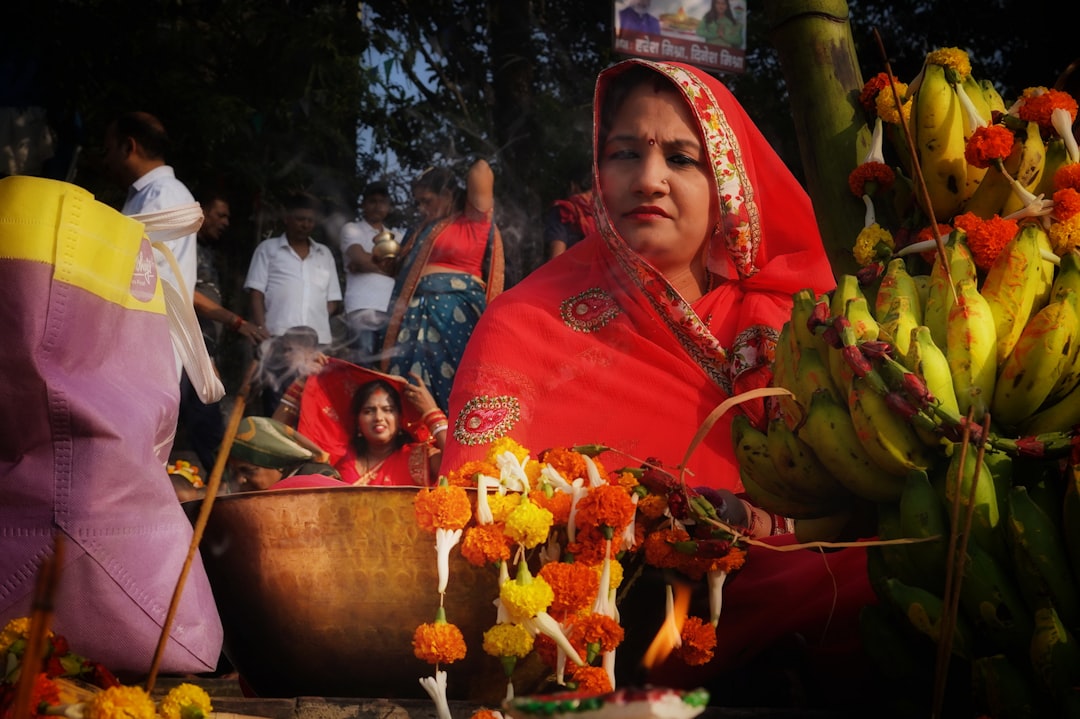
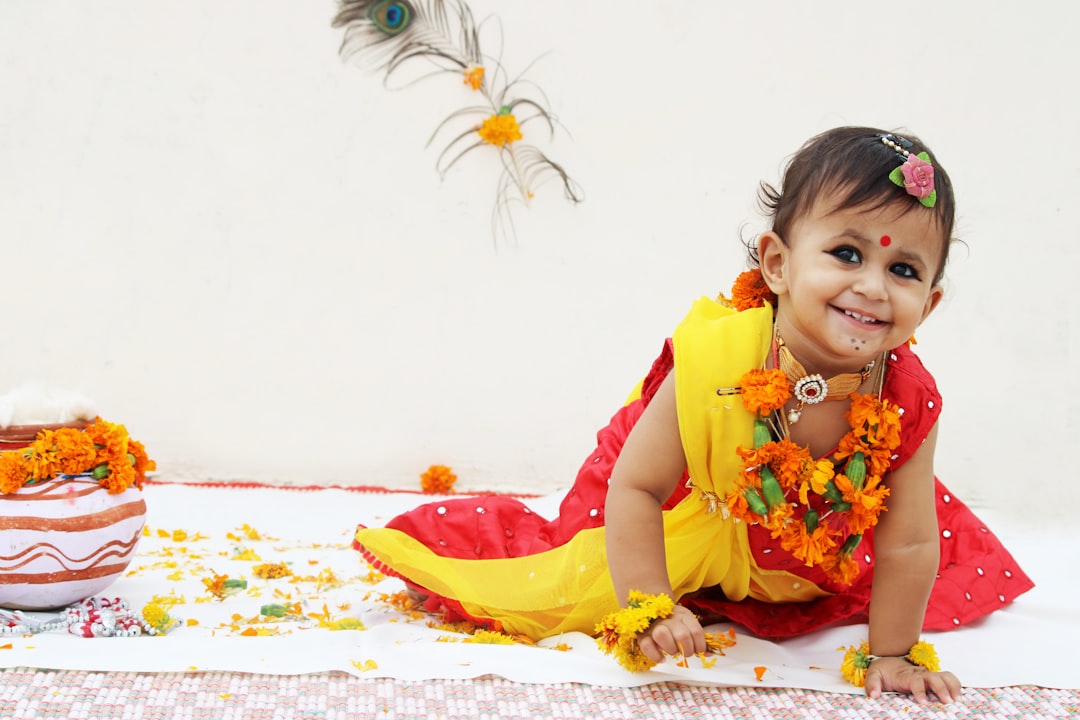
Weeks before Janmashtami, Vrindavan undergoes a visible transformation. Homes and temples are covered with marigold garlands, colourful streamers, and intricate rangoli patterns. Streets echo with bhajans as devotees prepare for the main events. If you walk through Vrindavan at 10 pm on the festival night, the sound reaches you before the lights do.
The Dahi Handi spectacle in Maharashtra
Janmashtami is really 2 festivals wearing one name: a solemn midnight vigil in Mathura and Vrindavan, and a loud, competitive street celebration in Mumbai the next morning. Both are extraordinary, and both are worth planning a trip around.

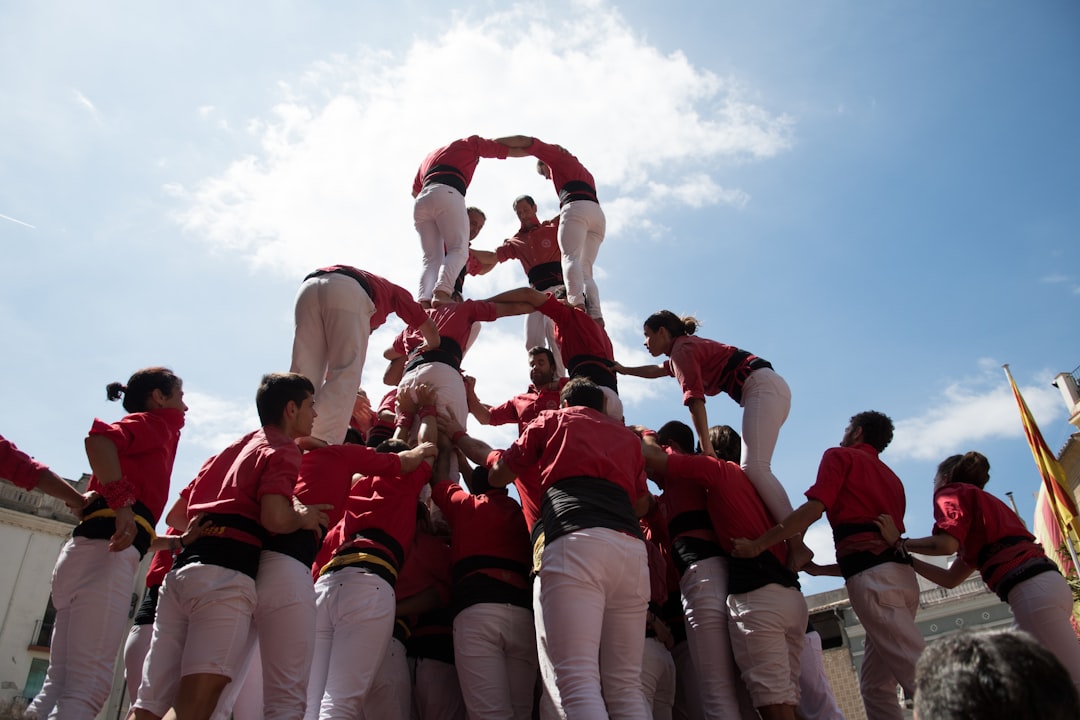
The Dahi Handi festival, especially popular in Maharashtra, recreates Krishna’s childhood activity of stealing butter. Young participants form human pyramids to break a pot filled with curd, butter, and sweets, symbolising Krishna’s playful nature. The pot is hung high on a rope, and teams of young men called “Govindas” form the pyramids to reach and break it.
Falls from multi-tier human pyramids are common enough that the Maharashtra government insures every registered Govinda, with payouts up to 10 lakh rupees in case of a fatality. Participants are now required to wear safety gear at major events. For a visitor, the energy of this competition in a Mumbai street is unlike anything in a conventional travel itinerary.
Expert perspective
Janmashtami celebrations operate on 2 very different registers, and visitors who understand this leave with far richer experiences. In Mathura, the festival is interior and devotional: the drama is spiritual, not performative. The midnight moment at the Janmabhoomi temple carries a collective intensity that is difficult to convey in words. In Mumbai, by contrast, Dahi Handi is a public sport with teams, sponsors, prize money, and crowds that treat it like a festival final. Both are authentic expressions of the same story. For first-time visitors, my practical advice is to choose one city and go deep into it, rather than trying to move between locations during the festival itself. The roads are full, the trains are packed, and the reward for staying put is a far more immersive experience of whichever tradition you have joined.
Cultural tourism and festival travel perspective, festival and heritage travel professionals in India
How south India celebrates differently
The celebration of Gokulashtami in South India carries its own form of devotion. In Karnataka, celebrations include performances by Huli Vesha dancers and the divine play of Rasleela, locally called Vittal Pindi. In Tamil Nadu, Janmashtami features colourful kolam designs, sweet seedai, and recitation of the Srimad Bhagavad Gita.



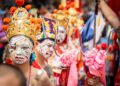

One of the most celebrated attractions in Vrindavan is the Raslila performance. These are dramatic portrayals of Krishna’s acts, focusing on his relationship with the gopis. Local children are given roles as Krishna and Radha, and the shows are graceful and widely cherished.
The events in Dwarka, Gujarat, are among the most structured and celebrated in all of India. The festival there is organised according to the daily routine of Lord Krishna and begins with a performance of the mangla arti. Each city offers a genuinely distinct experience of the same festival.
Conclusion: plan early, arrive open
Janmashtami celebrations reward the traveller who prepares. In 2026, the most auspicious rituals take place during the midnight Nishita Kaal on September 4, the moment believed to mark Krishna’s birth. Book accommodation in Mathura or Vrindavan at least 6 weeks ahead, pack light clothes for warm September nights, and carry cash for street prasad and transport. Janmashtami celebrations are not a performance staged for tourists. They are a living festival that welcomes anyone who comes with respect and genuine curiosity. Come ready to stay up late, move slowly through crowds, and let the scale of it settle in. INDIAwebzine recommends this festival above almost any other for a first encounter with India at full volume.
Discover more about Janmashtami celebrations
- Ministry of Tourism India – Official Events
- Janmashtami 2026: The Complete Krishna Celebration Guide (Dionfest)
- Krishna Janmashtami 2026 Mathura Vrindavan Complete Guide