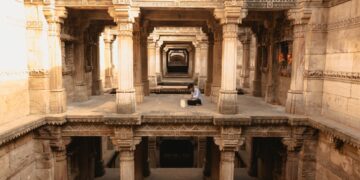


Maharashtra forts hold their best-kept secret in September, when every hillside turns the color of new leaves and the air smells like wet rock and possibility.
Why September is the right month for Sahyadri trekking
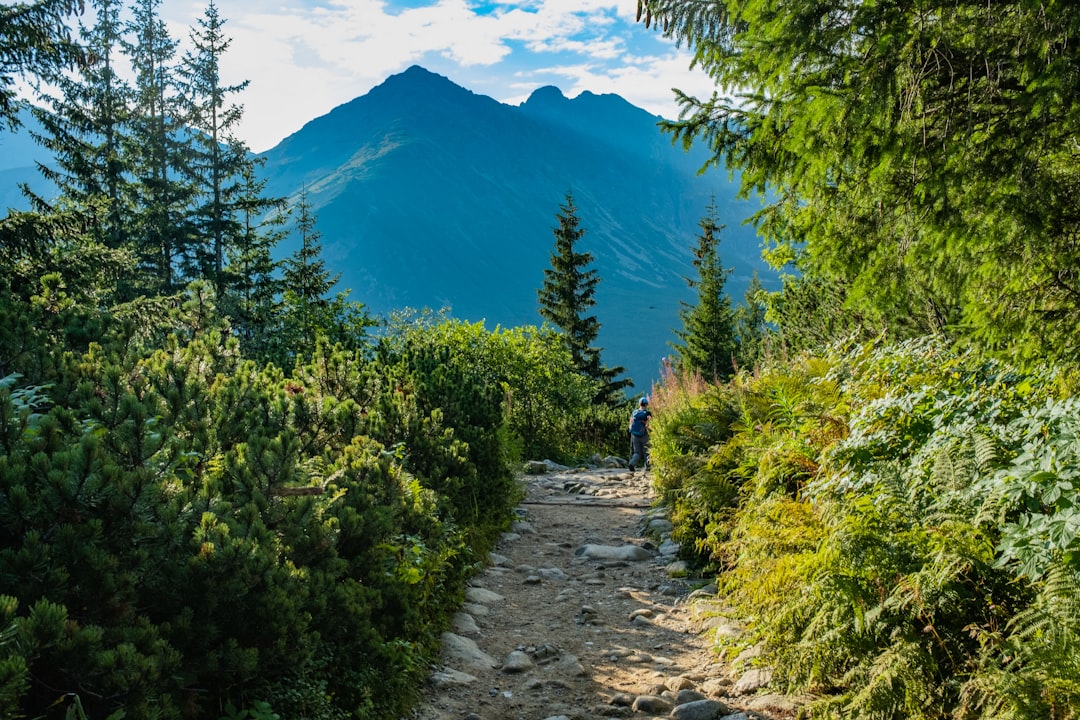
July to September transforms the Sahyadri trails into something extraordinary, with rain feeding every waterfall and ridge. September is the final act of that transformation. The heavy rain is mostly finished, the sky starts to open, and the hillsides stay green. Monsoon brings lush greenery and waterfalls, but trails can be slippery. October onward offers clear skies and comfortable temperatures for longer treks. September sits right between these 2 seasons, giving trekkers the color of monsoon and the access of winter.

Pack trekking shoes with good grip, a light rain jacket, and extra water. Start early. These trails are popular, and the first hours of morning light on a green Sahyadri ridge are worth waking at 5 a.m. for.
Lohagad and Visapur: the twin forts of Lonavala
Lohagad, which means Iron Fort in Marathi, sits 52 km northwest of Pune and rises to an elevation of 1,033 meters above sea level. The four large gates of Lohagad remain in good condition and are reasonably intact. The trail to the top is gentle enough for beginners, and the views over Pawna Lake reward the effort generously.
Visapur Fort is one of the best places to visit in monsoon in Maharashtra for trekkers who love waterfalls and scenic landscapes. This easy-to-moderate trek transforms into a stunning natural scene during the rainy season. Lohagad connects to the neighboring Visapur Fort on its eastern side by a small range. Many trekkers walk both forts in a single day. Plan for 6 to 7 hours if you attempt the full circuit.
Harishchandragad: the fort that earns its visitors
Nestled in the Sahyadri mountains of Maharashtra, Harishchandragad stands at an elevation of 4,670 feet and has captured the attention of adventurers and history enthusiasts for centuries. The fort’s origins trace back to the 6th century, during the Kalachuri dynasty. Its location overlooking Malshej Ghat made it a key stronghold for controlling regional trade routes.
Ratangad Fort should be explored between September and October, when monsoon rains transform the Western Ghats into an exquisite sight. Harishchandragad sits nearby and shares that same September magic. The Konkan Kada cliff at Harishchandragad offers a magnificent view and the rare optical phenomenon of a circular rainbow. The Kedareshwar Cave contains a Shiva Linga surrounded by cold water, attracting both pilgrims and trekkers. This is a moderate-to-difficult trail. Allow a full day, and carry a certified guide if you take the Nalichi Wat route.

Rajmachi: where two forts stand above the clouds
There are 2 forts at Rajmachi, named Shrivardhan Fort and Manaranjan Fort. Rajmachi sits in the Sahyadri mountain range in the Lonavala region of Maharashtra. During the monsoon season, the region around Rajmachi fills with numerous waterfalls that add to the scenic beauty. In September, those waterfalls are still strong and the base village of Udhewadi remains a vivid, quiet place to begin a morning walk.
The base village of Rajmachi is Udhewadi, which gives visitors a glimpse into rural life. Visitors can interact with local villagers and experience local culture. This is part of what makes Rajmachi special. You do not just climb a fort. You also pass through a living community that has existed alongside these stone walls for generations.




“The post-monsoon window in September is the most rewarding time to guide trekkers through Maharashtra forts. The trails are alive with color, the air is cool, and the stone steps of forts like Rajmachi and Harishchandragad glisten in a way that no photograph fully captures. First-time trekkers often underestimate how much the landscape changes in September. The Sahyadri hills look like a completely different place compared to the dry season. I always advise groups to start before sunrise, carry at least 2 liters of water per person, and hire a local guide who knows which sections of trail become genuinely dangerous after recent rain. The history of these forts is inseparable from the terrain around them. You understand Maratha strategy the moment you stand on a ridge and see how far you can see in every direction.”
Industry perspective, trekking and outdoor tourism professionals in the Pune and Nashik districts
Torna Fort: where Shivaji began
Torna Fort, also known as Prachandagad, is a hill fort in Pune district. It stands at an elevation of 1,403 meters above sea level, making it the highest hill fort in Pune district. Torna Fort holds a central position in Maratha history. In 1646, at the age of 16, Chhatrapati Shivaji Maharaj captured this fort, marking a turning point in his quest for independence.
Torna offers a challenging but rewarding trekking experience. The trek starts from the village of Velhe at the base of the hill, and the ascent passes through dense forests and rocky sections. This is not a trail for casual visitors. The final climb is steep, and September moisture on the rocks demands careful footwork. The reward at the top is a 360-degree view that justifies every careful step.
Kalsubai: the highest trail in the Western Ghats of Maharashtra
Kalsubai is the highest peak in the Western Ghats of Maharashtra. It is a popular trekking destination and a significant landmark in the Sahyadri mountain range. Kalsubai stands at 1,646 meters. The trek distance is 7 kilometers one way. The trail uses fixed iron steps and chains on its steepest sections, which makes it accessible to trekkers with basic fitness.
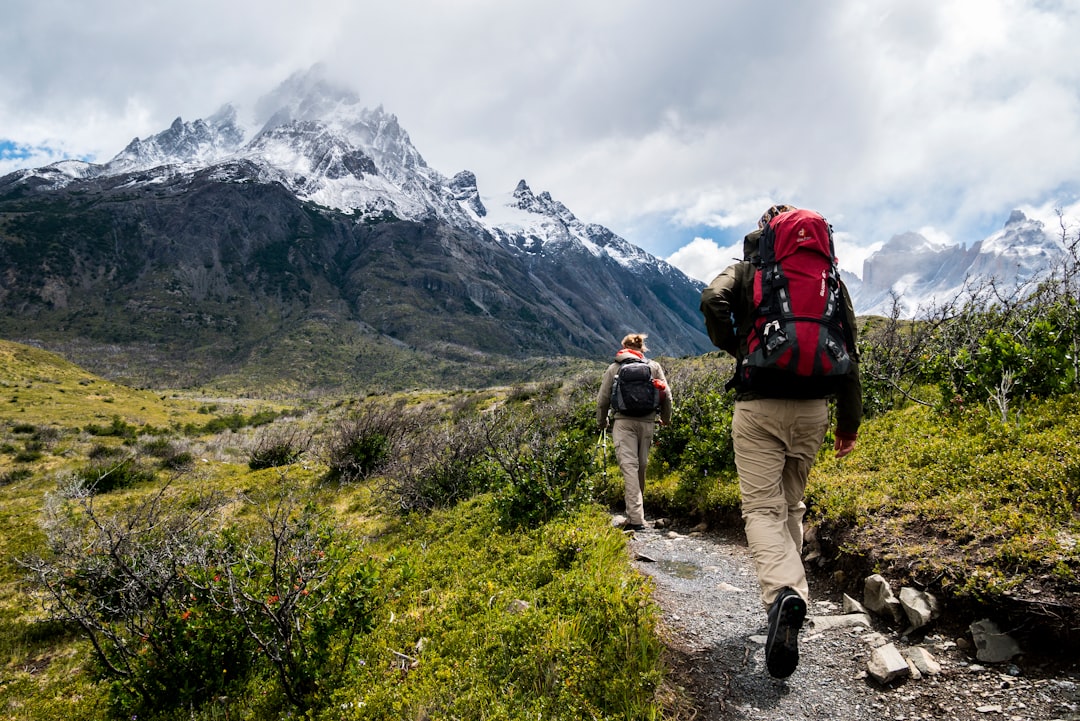
The monsoon brings green landscapes and dramatic misty scenery to Kalsubai. Streams rush full and seasonal waterfalls run at strength. The post-monsoon window offers clear skies and fantastic sunrise views. September delivers both. Start the climb in darkness, reach the summit as the sun rises, and watch the Sahyadri hills roll out below you like a green map. This is one of the most complete trekking experiences Maharashtra offers.
Plan your Maharashtra forts visit in September
Maharashtra forts reach their fullest expression in September. The trails carry the last of the monsoon color, the waterfalls still run, and the temperatures allow long days of walking without exhaustion. Carry trekking shoes, water, snacks, and rain gear. Many Maharashtra forts connect well to major cities like Pune, Mumbai, and Nashik by road. Public transport and private taxis reach most base villages without difficulty.
Start with Lohagad or Rajmachi if you are new to this terrain. Move to Torna or Harishchandragad once you know what your legs can do. Each of these Maharashtra forts gives back more than the effort it takes. Come in September, walk slowly, and let the Sahyadri do the rest.
Discover more about Maharashtra forts
- Trekking Sites in Maharashtra, Department of Tourism Maharashtra
- Famous Treks in Maharashtra and Why They Are Famous, Indiahikes
- 24 Fort Treks in Maharashtra for an Exciting Adventure, Holidify