

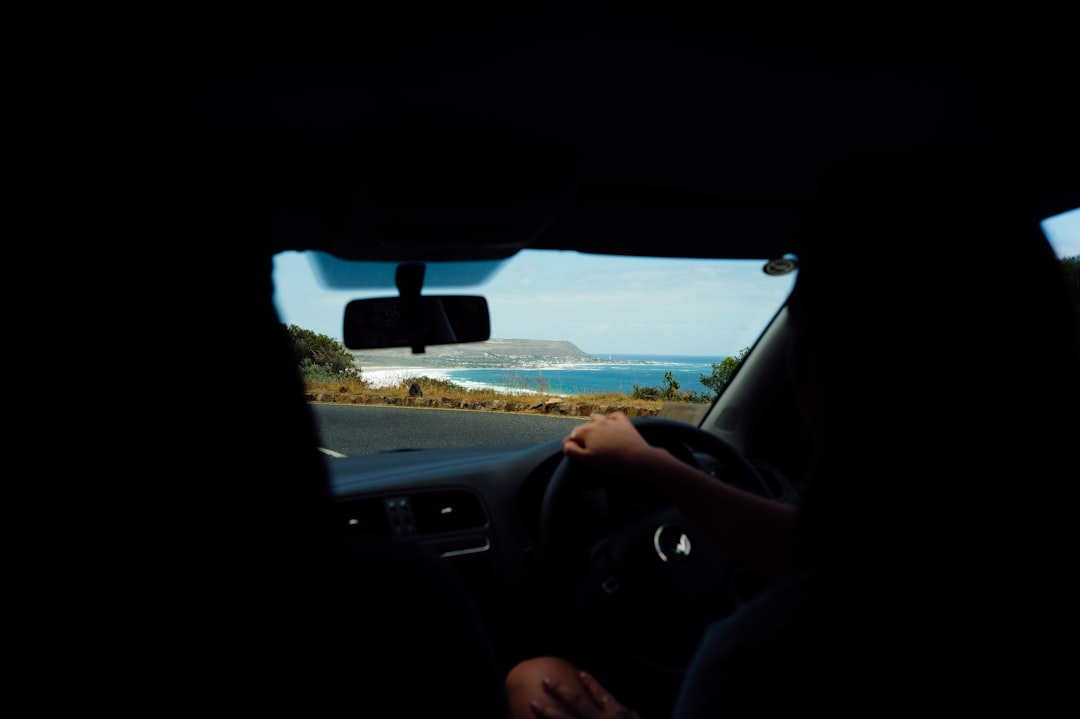
Coastal drives in India reach their most rewarding point in the weeks after the monsoon, when the hills are still bright green, the air is clear, the crowds are thin, and the beaches are opening back up to visitors who are willing to move just a little early.

Why September is the right time to move
Most travel guides tell you to wait for October. That advice is not wrong, but it costs you something. Most guides talk about winter as the best season for India’s coast and stop there, skipping the two-to-three-week stretch right after the rains, when the coast is arguably at its most beautiful and most affordable.
September rewards the traveller who plans ahead. The monsoon leaves the coastline lush and green while rainfall gradually eases, the surrounding countryside looks refreshed, the weather stays pleasant, and the destination feels far less crowded than during peak holiday periods. You get beaches, green hills, and quieter roads, all at the same time.
NH66: Mumbai to Goa along the Konkan coast
This is India’s most famous coastal road. Starting from Mumbai, NH66 takes you up the Konkan coast before arriving at Goa’s golden beaches. The route combines Maharashtra’s coastal cuisine with secluded beaches and Portuguese-influenced architecture.
The route runs from Mumbai through Alibaug and Ratnagiri to Malvan and then Goa, covering approximately 590 km over 2 to 3 days. Key highlights include the Konkan coastline, Ganpatipule Beach, Portuguese forts, and seafood shacks.
In late September, the Konkan hills are at their most vivid. Stop in Ratnagiri for breakfast, walk the fort walls at Sindhudurg, and reach South Goa before the evening light fades. South Goa zones often feel quieter, while North Goa may look more active even during shoulder conditions.

Mangalore to Udupi: coastal Karnataka at its calmest
This route through coastal Karnataka opens from September onward and runs approximately 220 km. The highway travels between 2 bodies of water: the Arabian Sea on one side and a calm river on the other, creating a rare and almost symmetrical landscape.
By early to mid-September, the heaviest monsoon spells have usually passed through Mangalore and Udupi. Beaches like Panambur, Malpe, and Someshwara are far less crowded, the surrounding hills and coconut groves are lush, and the light in the evenings is dramatic.
Waterfalls and rivers near Kundapura are still at their peak at this point. Combining a beach stay in Udupi with a half-day drive inland makes a natural September itinerary. This route rewards slow travel above everything else.
Chennai to Pondicherry: the east coast option
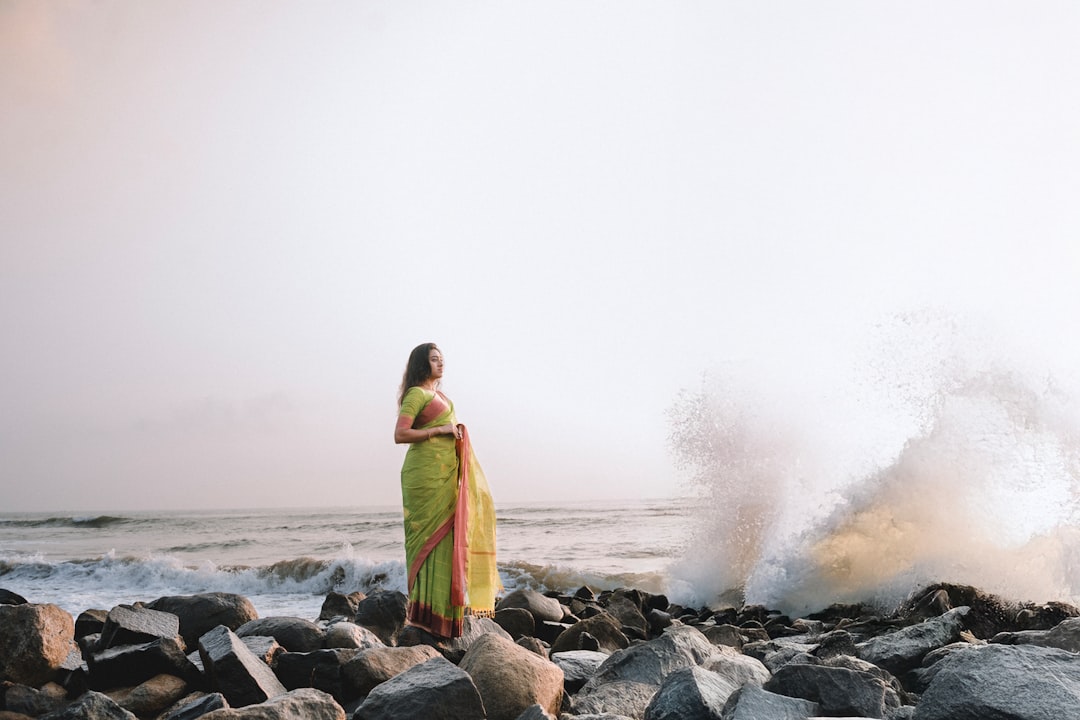
For many travellers, the Chennai to Puducherry road trip is the easier, shorter, and more polished coastal escape. The East Coast Road runs directly along the Bay of Bengal and covers roughly 160 km. You can complete it comfortably in 3 to 4 hours, but most people take all day.
The southwest monsoon hits India’s west coast directly from June through September. Kerala catches the first showers around June 1, and rain sweeps north through Karnataka, Goa, and coastal Maharashtra. The east coast gets its rain later, from the northeast monsoon in October and November.






This means that in September, Pondicherry is often sunny and calm while the west coast is still drying out. Pondicherry’s post-monsoon charm is visible in September, with its French colonial architecture catching the light after the brief showers. Stop at Mahabalipuram for the Shore Temple, then continue south for the beach promenade.
Expert perspective on post-monsoon coastal travel
September represents a genuine transitional opportunity for travellers who drive India’s coastline. The infrastructure is in better condition after road authorities complete monsoon repairs, and that window between August and October is when you see the coast at its most photogenic: waterfalls still running, greenery at maximum intensity, and sea conditions improving day by day. Travellers who move in September rather than waiting for the peak season in December benefit from lower accommodation rates, more genuine interaction with local communities, and roads that are far less congested. The experience feels less like a packaged holiday and more like actual discovery. Coastal tourism in India is growing fast, and the travellers who arrive in shoulder season are the ones who still get that quieter version of it.
Industry perspective, coastal and sustainable tourism professionals in India
Alibaug: the shortest coastal drive from Mumbai
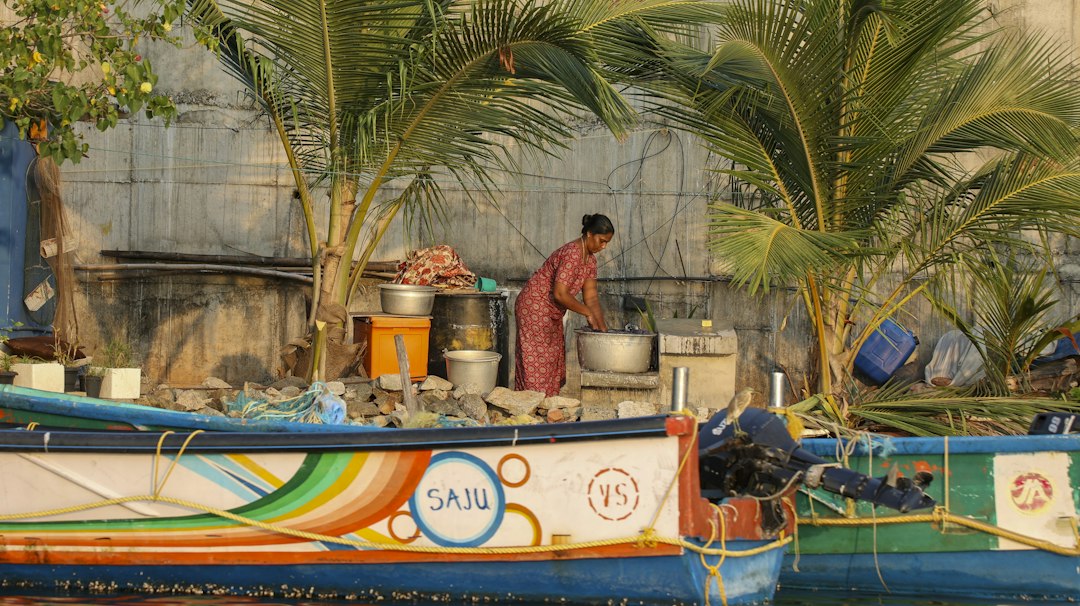
September is one of the best times to visit Alibaug, as the monsoon leaves the coastline lush and green while rainfall gradually begins to ease. The surrounding countryside looks refreshed, the weather stays pleasant, and the destination feels far less crowded. The experience involves quiet beach walks, scenic coastal drives, historic forts, and relaxed stays surrounded by nature.
The drive from Mumbai takes roughly 2 hours via the Expressway to Pen, then south along the coast road. The 17th-century Kolaba Fort, accessible on foot at low tide, is a key stop on this route, though you should check tidal tables before attempting the walk across.
The post-monsoon landscape adds a fresh character to Alibaug, making it particularly appealing for travellers who want to leave the city without venturing too far from Mumbai or Pune. For a day trip or a single overnight, this route is the most practical entry point to coastal driving in India.

Practical notes before you drive
Always check road conditions before you leave. Coastal interior roads can get patchy after heavy rain, so routes closer to NH66 are easier to reach without delays. Carry enough water for the journey, keep your tank full between small towns, and watch for wet patches and reduced visibility in intermittent showers. Keep conservative speeds and leave daylight margin for your return.
India has a total coastline measuring approximately 7,516 km, covering the Arabian Sea in the west, the Indian Ocean in the south, and the Bay of Bengal in the east. Five routes cannot cover all of that, but they give you a clear starting point for planning. September gives you access to most of them without the peak-season price or crowd.
Coastal drives in September: the case for going now
Coastal drives in India in September offer something rare: a country-sized coastline with almost no one on it. The landscapes are at peak green. The roads are clearing. The beaches are opening. September means fewer beach vendors, quieter roads, and accommodation that is not running at full capacity.
Pick one route. Book a simple place to stay. Drive it slowly. Coastal drives in India have a way of changing how you see the country, especially when you arrive before everyone else does. If you have wanted to experience India’s coast without the noise, this month is the answer. Go now, before October turns the tap back on.
Discover more about coastal drives
- India Tourism Official Website (tourism.gov.in)
- Karnataka Coastal Tourism Policy, Deccan Herald
- India’s Most Scenic Road Trips, Outlook Traveller