

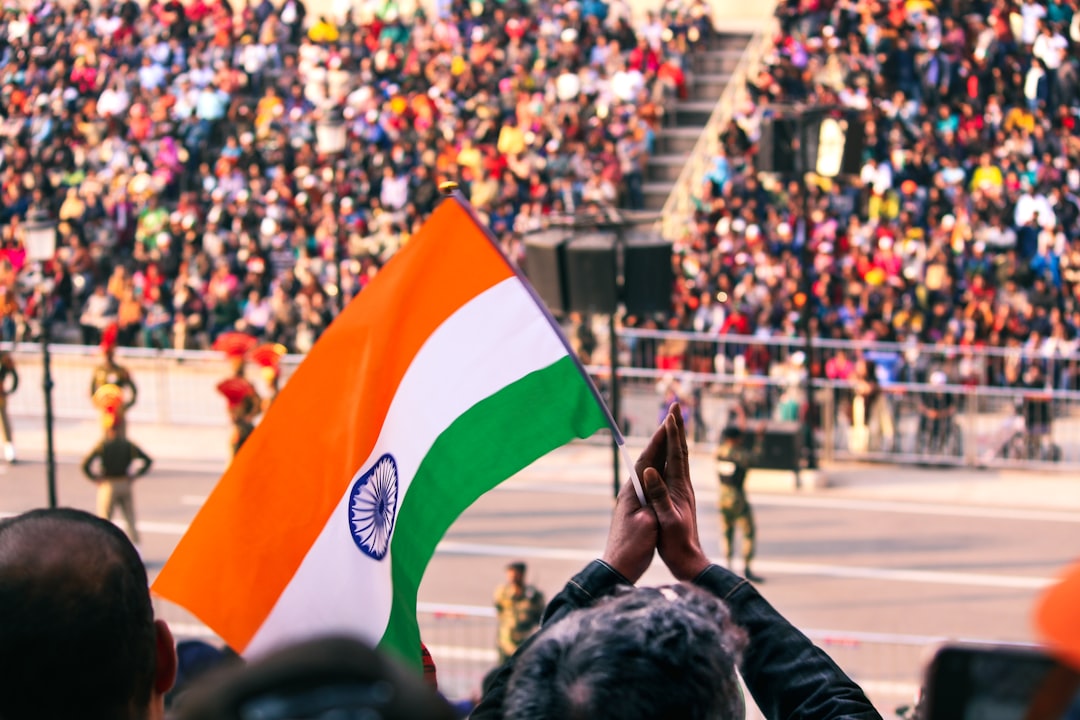
Indian diaspora celebrations on 15 August are one of the rarest things in modern life: a single day that turns 35 million people scattered across every continent into one coherent, tricolour-wearing crowd.
What this day actually means abroad
Independence Day marks India’s freedom from British rule, achieved on 15 August 1947. In India itself, the day is formal and structured. Abroad, it feels different. It is louder, more personal, and often more emotional. People who left India years ago, or whose parents did, find that distance sharpens the feeling rather than dulling it.
India marks its 80th Independence Day on Saturday, 15 August 2026, completing 79 years of freedom since the transfer of power at midnight on 15 August 1947. For the diaspora, that number carries weight. Each year adds to a timeline that many community members feel personally connected to, even if they were born thousands of kilometres from Mumbai or Chennai.
Indians form the largest diaspora in the world. The Ministry of External Affairs’ broader measure, incorporating persons of Indian origin alongside non-resident Indians, produces a figure of 34.36 million across 208 countries as of January 2025. That is not a statistic. That is a city the size of Tokyo, spread across every time zone on earth.
How North America and Europe celebrate
August 2026 is full of Independence Day events for the nearly 5 million Indian-origin population in the United States. The scale is striking for a first-time visitor. The FIA India Day Parade in New York City, scheduled for 16 August 2026, follows the hoisting of the Indian tricolour at Times Square on 15 August, celebrating diversity of Indian culture through performances by different age groups on Madison Avenue.
In London, communities gather on 15 August to celebrate Indian Independence Day, with events planned across the United States and the United Kingdom, including London, each reflecting its local community. The format varies by city. Some events are formal, with speeches and flag ceremonies. Others are street festivals with food, music, and kite stalls that feel closer to a neighbourhood mela than a diplomatic function.
The Governor of Connecticut officially designated 15 August 2026 as “India Day,” recognising the contributions of the vibrant Indian-American community. For many diaspora members, these kinds of official recognitions matter. They signal that freedom is not only remembered but also acknowledged by the countries that are now home.

The Gulf: the continent with the deepest roots
No region outside India holds a larger concentration of Indians than the Gulf. The Gulf Cooperation Council collectively hosts approximately 14 million Indians across its 6 member states, representing roughly 40 percent of the UN DESA migrant stock count and nearly half of all non-resident Indians in the Ministry of External Affairs dataset.
The day is marked enthusiastically by the Indian diaspora across the world, from the United Kingdom and the United States to the Gulf states, Australia, and beyond, with community gatherings, parades, and cultural performances. In cities like Dubai, Abu Dhabi, and Doha, the tricolour goes up at Indian missions at sunrise, and community associations organise cultural evenings that run late into the night.
Indian missions abroad, including embassies, high commissions, and consulates, customarily hold flag-hoisting ceremonies and cultural events, and community associations and temples also organise gatherings. For workers in the Gulf who may be far from family, these events serve a purpose beyond patriotism. They are a point of contact with something familiar.
Voices from the community
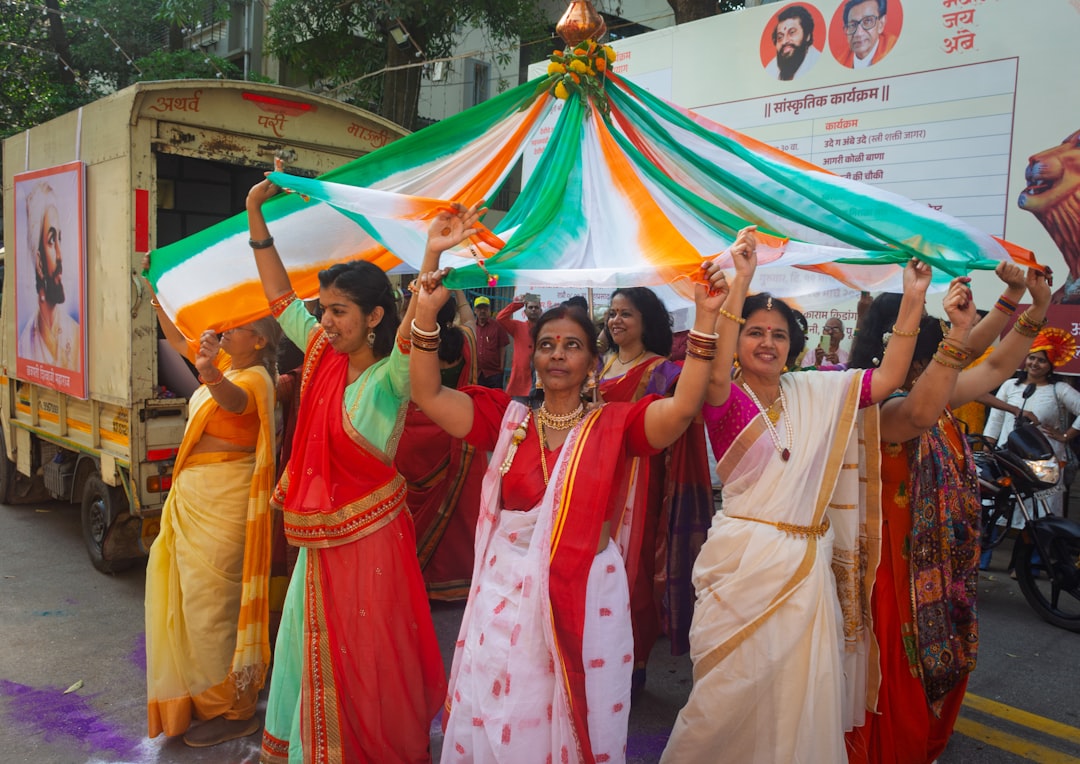
Being part of the Indian diaspora on 15 August is unlike anything I can easily describe. At home, the day is a holiday, a routine even. Abroad, you choose to mark it. That choice makes it more deliberate and more meaningful. When the flag goes up at the consulate, you see engineers next to labourers, doctors next to students, all standing in the same line. Independence Day outside India strips away the divisions that travel with us everywhere else. It reminds you that freedom belongs to all of us equally, and that this community, spread across so many countries and languages, still recognises itself as one thing. That recognition is not small. It is the whole point.
Industry perspective, cultural events and diaspora engagement professionals
Asia-Pacific and Africa: the quieter celebrations
In Singapore, the Indian High Commissioner leads the Indian diaspora community in celebrating national days, with the reading of the President’s address. Cultural performances, food, and community gatherings follow. The format is smaller than New York or Dubai, but the feeling is not.
In South Africa, the Indian-origin population numbers approximately 1.69 million. In Australia, community organisations in Sydney, Melbourne, and Brisbane hold events that combine flag ceremonies with food festivals, giving second-generation Indians a visible, tangible connection to a country many of them have visited only as tourists.






From flag-hoisting ceremonies in East Asia to landmark illuminations in South America, missions worldwide have united in commemorating this historic milestone. The reach of the celebration is genuinely global, which is itself a kind of statement about what 79 years of freedom has produced.
Why the Indian diaspora keeps showing up
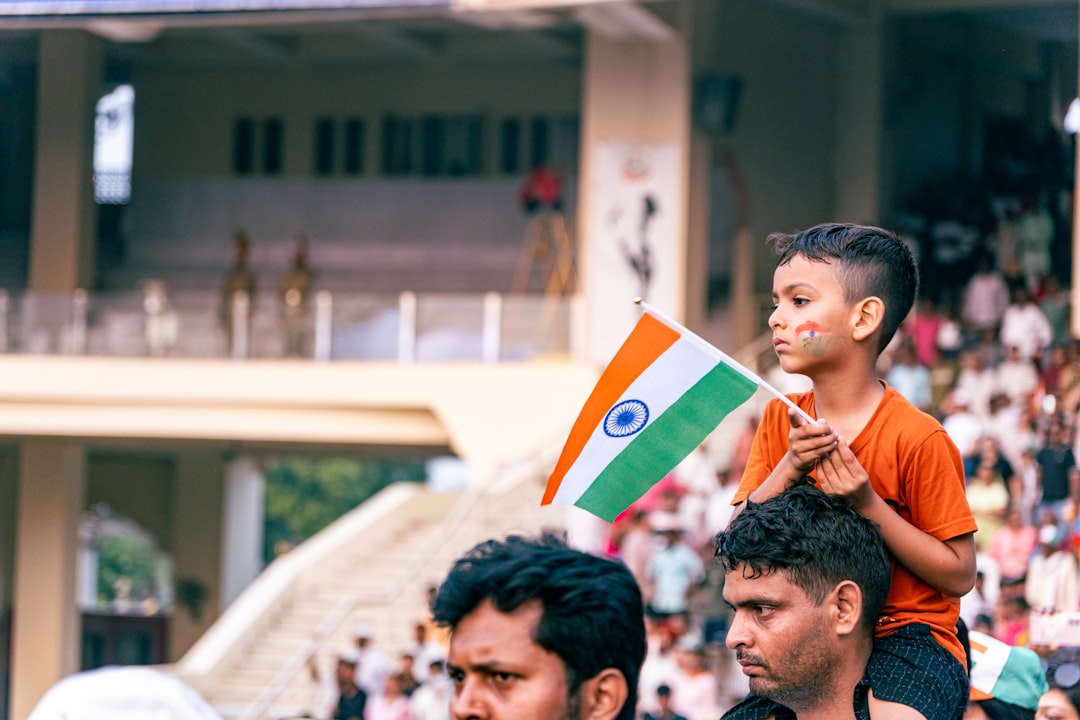
The simplest explanation is also the truest: belonging does not require proximity. The government’s Har Ghar Tiranga (“A Flag in Every Home”) campaign invites citizens to display the tricolour at their homes and workplaces around 15 August, encouraging participation through flag displays, selfies, and community events. Diaspora members take part in this campaign from London to Los Angeles, posting photographs that collapse the distance between their living rooms and the Red Fort.
The Indian diaspora, across all 5 continents, demonstrates each year that celebration is a form of memory, and memory is a form of loyalty. 79 years of freedom is not just India’s story. It is the story of every person who carries India with them, daily, wherever they have landed. If you are part of this community and want to find your local event, contact your nearest Indian mission or community association this week.
Discover more about Indian diaspora
- Population of Overseas Indians: Ministry of External Affairs, Government of India
- Growth of the Indian Diaspora in the 21st Century: Trends, Patterns and Key Determinants (Pravasi Setu Foundation, 2026)
- Global Tricolour Relay and Worldwide Celebrations Mark India’s 80th Independence Day (ANI News, August 2026)