

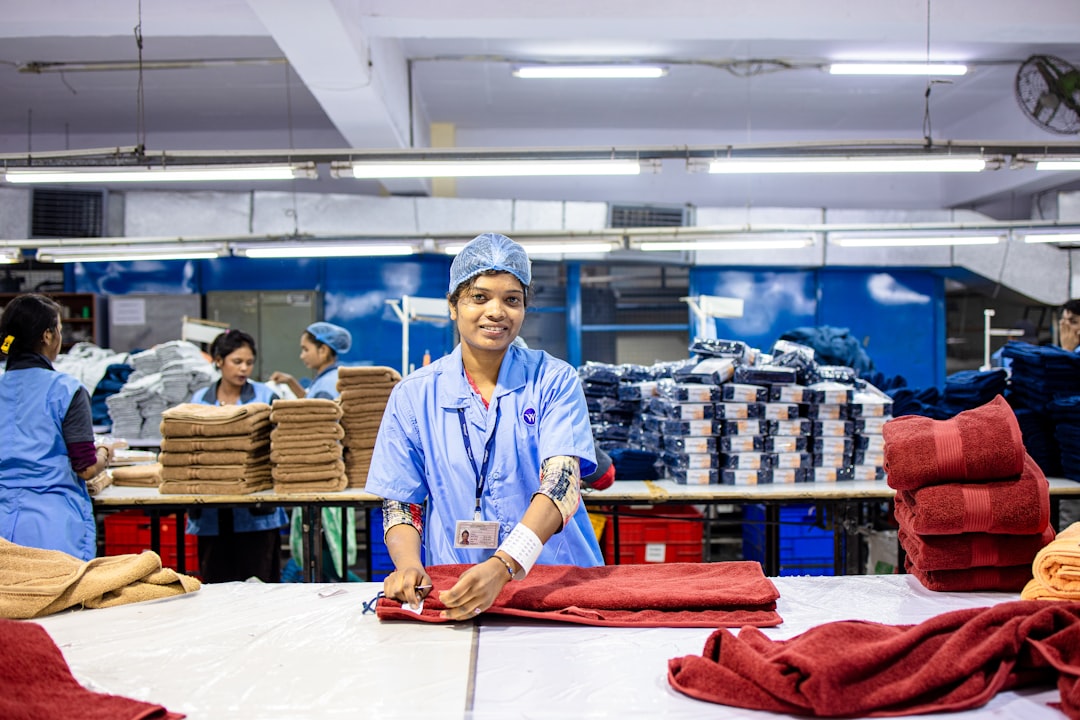
Festive procurement is the quiet test that separates thriving Indian-origin businesses in Southeast Asia from those that simply survive the season.
Why August is different for Indian entrepreneurs
August is not just a calendar month for Indian-origin business owners across Southeast Asia. It is the start of a long chain of festivals that runs through Onam, Raksha Bandhan, Navratri, and then Diwali. Each festival creates real demand. Textiles move. Food products move. Gift items move. The entrepreneur who orders too late pays a premium or loses a sale entirely.
A significant portion of the global Indian population is concentrated in Southeast Asia, where communities of Indian origin have become deeply woven into the social, economic, and cultural fabric of countries like Malaysia, Singapore, Myanmar, Thailand, and Indonesia. These communities carry their festive calendar with them. That calendar is now a commercial event, and local Indian-origin entrepreneurs are the people who supply it.
In Indonesia, Sikhs, Sindhis, and Tamils have traditionally been engaged in small businesses dealing in sports goods, textiles, and construction. Today, those same communities have expanded into food retail, ethnic fashion, and wellness goods. The festive season touches every one of those categories at once.
The sourcing pressure that builds every year
Festive procurement is not a single order placed on a single day. It is a sequence of decisions that starts 10 to 14 weeks before the first festival arrives. Entrepreneurs in Kuala Lumpur and Singapore typically place their first supplier calls to India in late June. By August, they are tracking shipments, negotiating final quantities, and preparing their retail floors.
Organizations like the Apparel Export Promotion Council (AEPC) provide a reliable platform to connect with authentic suppliers. Many Indian-origin retailers in Southeast Asia use exactly these kinds of platforms to build their sourcing lists. Surat for sarees and embroidery, Jaipur for block-printed lehengas, and Lucknow for chikankari kurtas are among the cities that fill containers destined for Little India districts across the region.
The diversity in India means that peak demand is created in different regions at different times, based on regional festivals and traditions. One of the major challenges is to predict demand with high accuracy. Historical sales data can be useful, but consumer behaviour during festivals can be unpredictable. Entrepreneurs operating from Bangkok or Jakarta face this uncertainty at one extra remove. They must forecast not only how much to order, but also which specific festival items will matter most to their local community.

How logistics shapes every decision
Once the goods leave India, the real work begins. The Red Sea crisis that reshaped shipping routes between 2024 and 2026 increased ASEAN-India logistics times, though Indian diaspora businesses in Singapore and Malaysia with shipping contacts have found ways to adapt. Most experienced entrepreneurs now plan for at least 3 extra weeks of transit buffer during the festive window.
As the global trade landscape diversifies, Southeast Asia has advanced from an alternative to an essential partner in the international supply chain, with global manufacturers and retailers placing record levels of procurement orders and investment into ASEAN economies. Indian-origin entrepreneurs sit inside this bigger shift. They benefit from improving port infrastructure and digital customs processing across the region, but they also compete with larger buyers for the same supplier capacity.
Online B2B platforms such as IndiaMART and TradeIndia provide sourcing access, and digital sourcing consultants can help manage logistics and quality assurance. Smaller business owners who cannot afford a dedicated sourcing agent are turning to these tools to stay competitive during peak season.

Expert perspective on festive procurement and diaspora supply chains
Festive procurement in Southeast Asia is a much more layered challenge than it appears from the outside. Indian-origin business owners here carry a deep cultural understanding of what their communities want, but they operate within logistics systems built for a different kind of trade. The August period is particularly intense because it is the entry point to 3 months of consecutive festival demand. The entrepreneurs who succeed consistently are those who treat supplier relationships as long-term partnerships rather than seasonal transactions. They visit factories in the off-season, they pay on time, and they communicate clearly about quantities. That trust is their real competitive advantage. No platform or algorithm replaces it.
Industry perspective, trade and diaspora business professionals in Singapore and Malaysia
The role of community networks in reducing risk
One of the most practical tools an Indian-origin entrepreneur has is the community itself. WhatsApp groups connecting textile buyers in Penang with exporters in Surat are not informal. They are real sourcing infrastructure. Pricing information, supplier reliability ratings, and shipping delay alerts all move through these networks before they appear on any official platform.
Many Indian corporate houses are active in the Indo-Pacific region, especially in Singapore, Malaysia, and Indonesia. This connection facilitates employment generation and a flow of investment on both sides. Smaller Indian-origin entrepreneurs benefit from this larger ecosystem. When a big Indian company establishes a logistics corridor, smaller buyers can use the same freight consolidators and bonded warehouse networks.






Uncontrollable external factors such as economic conditions, weather patterns, and political events all affect purchasing decisions and make demand forecasting quite tough. Community networks help absorb some of that uncertainty. A buyer in Kuala Lumpur who hears from 10 other buyers that a specific product is selling fast in Singapore adjusts their order faster than any market report would prompt them to.
Conclusion
Private consumption in Southeast Asia has been anchored in part by festive spending in Indonesia and Vietnam, and the Indian diaspora adds a distinct layer of demand to that broader pattern. Festive procurement is not a disruption to normal business. For Indian-origin entrepreneurs across Southeast Asia, it is the main event. The ones who plan early, build supplier trust across the off-season, and use both digital tools and community networks are the ones whose shelves are full in September and October when their customers walk in. If you run a business in this space, the time to act on your next festive procurement cycle is not when the season arrives. It is now.
Discover more about festive procurement
- ASEAN-India Trade and Economic Relations (Observer Research Foundation)
- Southeast Asia’s Supplier Advantage: Driving Growth and Exports (HKTDC Sourcing)
- McKinsey Southeast Asia Quarterly Economic Review Q1 2026