
Indian diaspora communities across the UK have turned the everyday act of cooking into one of the most powerful ways to keep a 5,000-year-old culinary culture alive, one meal at a time.
A kitchen that travels across continents
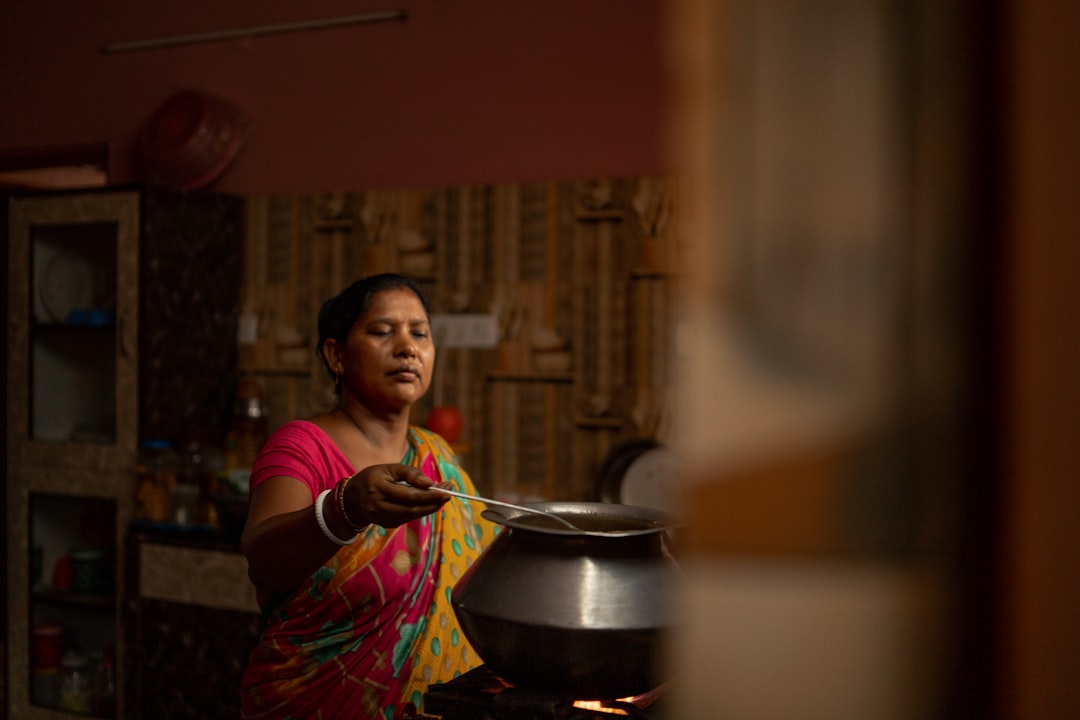
Food is the first thing many Indian families pack, even when they cannot pack it in a bag. They carry recipes in memory, spices in the luggage, and techniques in the hands. The spread of Indian cuisine in the multicultural UK has only been possible due to migrants, especially women, who do most of the food shopping and preparation within families. This is not a small contribution. It is the engine of an entire living food culture.

There are around 9,000 Indian restaurants across the UK, approximately 1 for every 7,000 people, and over 2 million Britons eat at Indian restaurants every week, with a further 3 million cooking at least 1 Indian-based meal at home. Those numbers tell part of the story. The deeper story happens in private kitchens, not public restaurants.
Much of the creativity in diaspora cuisine still happens in home kitchens. Families pass down recipes through generations, adjusting them slightly each time. A fish curry made in Hounslow may taste different from the same dish cooked in Mumbai. Both are real. Both are honest.
How the home kitchen becomes a cultural archive
One migrant woman makes sure she cooks her children’s favorite fish curry, a dish that ties them to their Maharashtrian heritage. She also stores dried fish that she bought in India, which reminds her of the flavors she grew up with. This is not nostalgia. This is active cultural work.
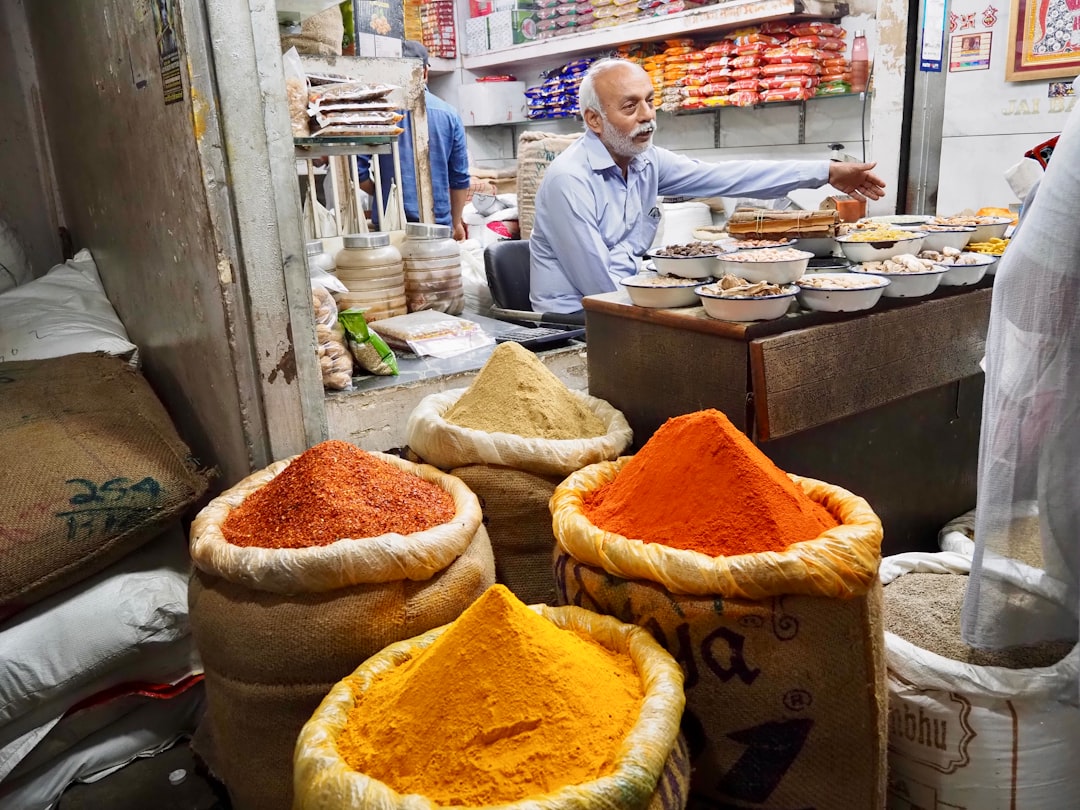
Ethnic food stores in areas like Hounslow, London, sell a wide variety of imported fish, vegetables, and spices and cater to a large multicultural South Asian community. These shops are much more than grocery stores. They are the supply chain for identity. Without them, many heritage recipes become impossible to recreate with accuracy.
Religion also plays a significant role for British Indians, who consider whether foods are processed and prepared according to religious traditions. Halal preparation, Jain vegetarianism, and caste-based food rules all survive in diaspora kitchens. These traditions require effort to maintain in a country where supermarket shelves do not always cooperate.

The restaurant as a bridge between 2 worlds
In 1810, Sake Dean Mahomed, a former soldier turned entrepreneur, opened the Hindostanee Coffee House in London, the first restaurant in Britain to serve exclusively Indian food. That single act started a cultural chain reaction that has not stopped since.
Post-war Indian immigration transformed this niche curiosity into a nationwide institution. In 1960, there were approximately 300 Indian restaurants in Britain. By 1970 that number had grown to 1,200, and by 1980 it reached 3,000. Each of those restaurants was a classroom as much as a business. Families taught each other. Chefs trained children. Recipes survived.
As Britons became more adventurous and travelled widely, their tastes evolved and they began seeking authenticity and regional diversity. The idea of Indian cuisine as just curry began to fade as diners discovered the vast differences between the cuisines of Punjab, Kerala, Gujarat, and Bengal. This demand pushed Indian diaspora chefs to go deeper into their own heritage, not away from it.






Expert perspective on culinary heritage and community identity
Food is not simply nutrition for diaspora communities. It is the most direct link to a homeland that many people will never live in again. When an Indian family in Birmingham prepares a dal recipe from their village in Gujarat, they are doing something that no museum can replicate: they are practicing living culture. The challenge across generations is that ingredients change, kitchens change, and time becomes short. Yet what we observe in the British Indian community is remarkable resilience. Young people are increasingly curious about regional specificity. They want to know not just “Indian food” but Chettinad food, Konkani food, Awadhi food. That curiosity is the engine keeping these traditions genuinely alive, rather than simply preserved in a cookbook.
Industry perspective, food culture and diaspora heritage professionals in the United Kingdom
What the second and third generation bring to the table
The third generation grows up in an established ethnic community that has already learned to retain religion, traditions, and culture in a British environment, but now faces the question of what to preserve, what to adapt, and what to let go. This is a real and honest tension. It is also productive.
Younger British Indians are increasingly forging what sociologists describe as hybrid identities, drawing on Bollywood and British pop, celebrating Diwali and Christmas, cooking biryani and Yorkshire pudding in the same kitchen. This hybridity is not cultural confusion. It is cultural creativity. The food that comes from this creativity is genuinely new. It honors its sources while moving forward.
As the British palate becomes more sophisticated, there is growing demand for regional specialties and plant-based options, both of which are well-represented in Indian cuisine. From jackfruit biryani to vegan paneer alternatives, Indian food continues to adapt to contemporary trends while staying true to its roots. The Indian diaspora is not simply preserving food. It is also innovating it for new audiences.
Spices, screens, and the digital recipe book
The popularity of cooking shows and celebrity chefs like Madhur Jaffrey and Anjum Anand introduced a generation of home cooks to Indian recipes, making the cuisine more accessible and less intimidating. Television brought Indian home cooking into British living rooms. Social media has taken it further.
This trend has only accelerated in recent years, with the rise of meal kits and online grocery services that deliver pre-measured ingredients for Indian dishes to customers’ doors. Combined with the growth of YouTube tutorials and social media influencers sharing Indian recipes, the barriers to cooking Indian food at home have never been lower. This matters for heritage, too. Young British Indians now document grandmother’s recipes on video. They translate handwritten notes into digital formats. They share regional dishes with followers who have never visited the village the recipe came from.
Traditional cuisine is essential to maintaining cultural heritage, as it provides a tangible connection to a community’s history and cultural practices. The preservation of traditional cuisine also allows diaspora communities to pass down their cultural heritage to future generations. In this sense, every cooking video posted online is a small act of preservation.

The Indian diaspora continues to cook, connect, and create
The Indian diaspora in the UK shows no sign of losing its connection to food as a cultural force. Heritage lives in the specific: the exact ratio of spices in a family masala, the way chapati dough is kneaded, the particular sourness of a tamarind chutney made to a grandmother’s standard. These details are the real artifacts of Indian culture abroad.
For any visitor to the UK, walking into a community kitchen event in Southall, a regional Indian restaurant in Leicester, or a food market in East London is a direct encounter with this living tradition. The Indian diaspora does not simply remember its culinary heritage. It cooks it, teaches it, adapts it, and shares it, making the Indian diaspora one of the most culturally vital communities in Britain today. Explore regional Indian food culture and you will find that every meal tells a story worth hearing.
Discover more about Indian diaspora
- UK Office for National Statistics: Indian population in the UK
- SAPIENS: Preserving Cultural Heritage Through Indian Food
- Nuse: The Enduring Rise of Indian Food in the UK