

CONTACT
  • Login
  • Register
Upgrade
INDIAwebzine
Advertisement
  • Home
    • Our Authors
    • Media Kit
    • Contact
    • Cookie Policy
    • Terms and Conditions
  • News
  • Business
  • Lifestyle
    • Gastronomy
    • Sustainable living
    • Well-being
  • Culture
  • Sports
  • Travel
  • Global India
  • Insights
  • Local Guide
    • Activities in India
    • Hotels in India
    • Nightlife in India
    • Restaurants in India
    • Services in India
    • Shopping in India
  • Home
    • Our Authors
    • Media Kit
    • Contact
    • Cookie Policy
    • Terms and Conditions
  • News
  • Business
  • Lifestyle
    • Gastronomy
    • Sustainable living
    • Well-being
  • Culture
  • Sports
  • Travel
  • Global India
  • Insights
  • Local Guide
    • Activities in India
    • Hotels in India
    • Nightlife in India
    • Restaurants in India
    • Services in India
    • Shopping in India
No Result
View All Result
INDIAwebzine
No Result
View All Result
Home Culture

Heritage Tourism: India Cultural Economics 2026

5
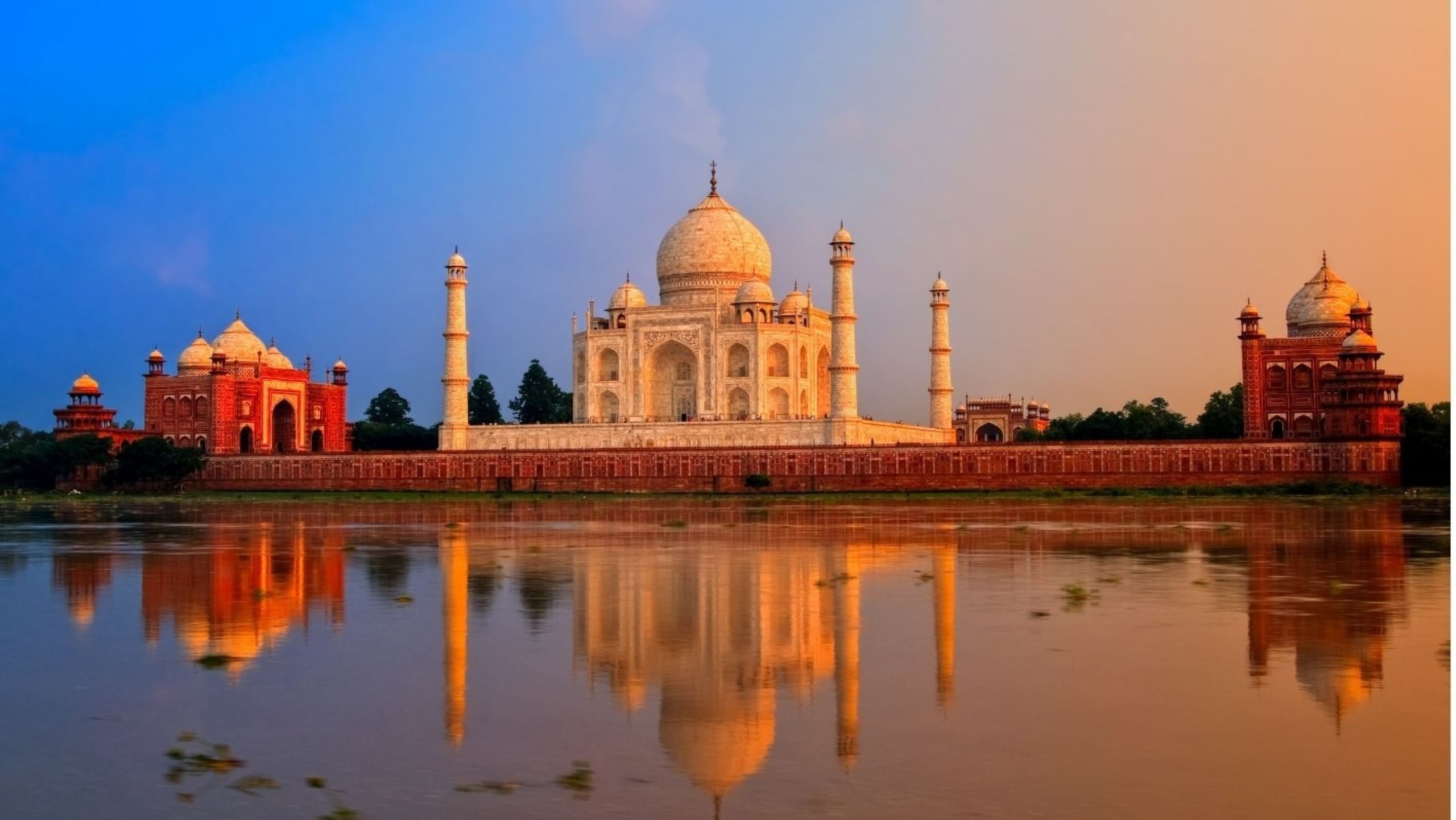
Heritage tourism at Taj Mahal showing cultural site economics and visitor revenue in India

Heritage tourism dominates India’s travel industry generating billions through cultural sites and monuments. Moreover, the nation boasts 40 UNESCO World Heritage Sites attracting millions annually. This rich cultural legacy creates unprecedented economic opportunities for communities and businesses. Indeed, India’s heritage tourism potential positions the country as a global cultural destination.

Why Does Heritage Tourism Drive India’s Economy?

India’s heritage tourism success stems from 5,000 years of documented civilization and architecture. Furthermore, monuments like Taj Mahal, Hampi, and Khajuraho showcase unparalleled artistic achievement. This historical wealth attracts travelers seeking authentic cultural experiences and knowledge.
Your Local Guide to India Your Local Guide to India Your Local Guide to India

Additionally, international recognition through UNESCO listings validates India’s heritage tourism importance globally. For instance, these designations increase visitor numbers by 30-50% within years. This validation translates directly into revenue for local economies and businesses.

Meanwhile, government initiatives like Adopt a Heritage program engage private sector participation. Specifically, corporations invest in monument maintenance receiving branding and operational rights. These partnerships ensure preservation while creating sustainable heritage tourism revenue models.

Business

Indian Private Equity: Regional Investment Funds and Deal Flow Analysis

05/02/2026

What Drives Heritage Tourism Revenue Growth?

Foreign tourist spending at cultural sites contributes significantly to heritage tourism economics. Moreover, international visitors pay premium entry fees averaging ₹500-1,000 versus ₹40-50 domestically. This pricing differential generates substantial revenue supporting monument conservation and local employment.

Additionally, domestic heritage tourism grows as Indians explore their own cultural legacy. Middle-class families increasingly visit historical sites during holidays and weekends regularly. This internal travel generates year-round revenue reducing seasonal dependency on international tourists.

Experiential heritage tourism packages command premium pricing attracting affluent travelers seeking depth. For example, guided sunset tours at Hampi or sunrise Taj Mahal visits charge ₹5,000-15,000. These curated experiences create high-value revenue streams beyond basic entry fees.

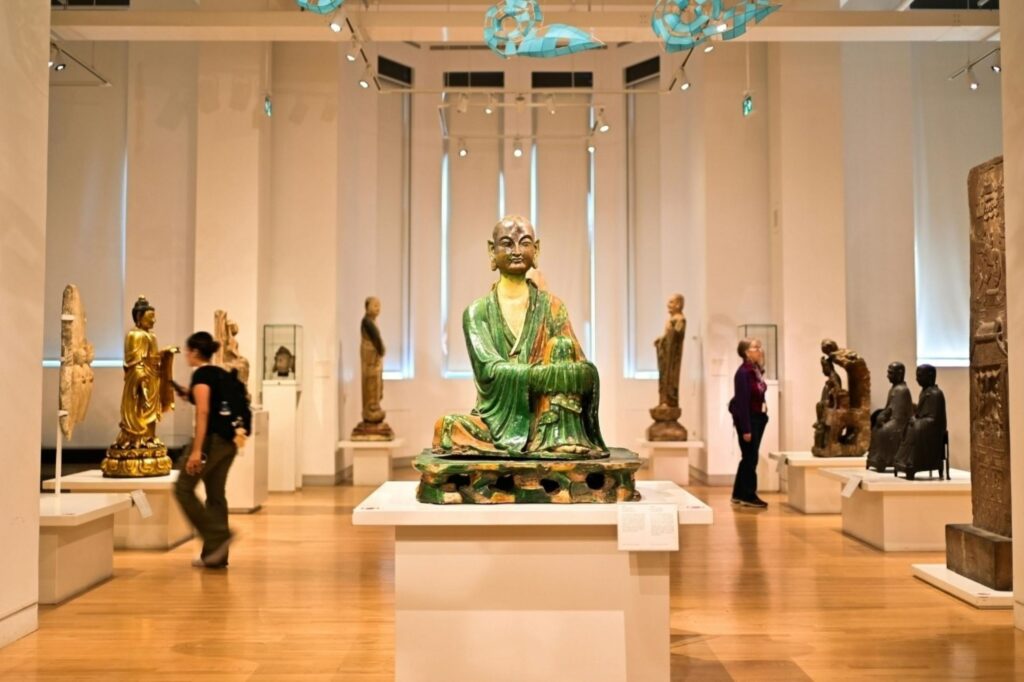
Museum visitors exploring cultural exhibits demonstrating heritage tourism and educational economics in India

How Do Museums Support Heritage Tourism Economics?

Museum development accelerates across India enhancing heritage tourism infrastructure and educational value. Furthermore, modern facilities like National Museum Delhi and Chhatrapati Shivaji Museum attract millions. These institutions preserve artifacts while generating revenue through admissions and programs.

Additionally, specialized museums focusing on specific themes create niche heritage tourism markets. For instance, textile museums, tribal art galleries, and transport museums cater to enthusiasts. This diversification expands overall visitor base and spending across categories.


-

A female vocalist performing Carnatic music on stage at a South Indian concert hall

Carnatic music: a complete beginner’s guide

04/09/2026
A woman devotee taking part in Janmashtami celebrations at a lit temple in Mathura at midnight

Janmashtami celebrations that transform India

16/08/2026
A sister ties a rakhi on her brother's wrist during Raksha Bandhan gifting ceremonies in India

Raksha Bandhan gifting reshaped by D2C brands

11/08/2026
An Indian soldier stands at attention during a Kargil Vijay Diwas memorial ceremony in Ladakh

Kargil Vijay Diwas: India’s highest battlefield

26/07/2026
students and teachers celebrating during Guru Purnima, the Indian festival of gratitude for teachers

Guru Purnima: India’s quiet celebration

10/07/2026
A monk in an ornate mask performs during Hemis Festival in the monastery courtyard in Ladakh

Hemis Festival: why Cham dances draw thousands

25/06/2026

Interactive and technology-enhanced museum experiences boost heritage tourism appeal among younger demographics. Indeed, augmented reality exhibits and audio guides improve engagement substantially over time. These innovations justify higher ticket prices while enhancing educational outcomes effectively.


Global Voices. Local Webzines. Discover the WEBZINEworld Network.

Real Success: Heritage Tourism Economic Impact

Pradeep Sharma, Heritage Site Manager, Rajasthan Tourism

“We implemented heritage tourism enhancement programs across Jaipur’s palace circuit in 2024. Revenue increased 60% through extended hours, cultural performances, and premium tours. Local artisans selling crafts near sites reported income growth of 40-50% annually.

Our analysis shows heritage tourism creates employment for 200+ people per major site. The multiplier effects extend to hotels, restaurants, and transportation services significantly. Cultural preservation now pays for itself through sustainable heritage tourism business models.”

A woman carefully places flowers to create a pookalam design during the Onam festival celebration at her home entrance

Onam festival: Kerala’s harvest goes global

10/09/2026

Onam festival is no longer just Kerala's harvest celebration. It is a 10-day global ritual of homecoming, plant-based eating, mindful...

A therapist performs a traditional Shirodhara treatment on a guest at one of the heritage Kerala retreats during Onam season

Kerala retreats for Ayurvedic reset

09/09/2026

Kerala retreats during Onam season offer something rare: the chance to celebrate one of India's most beloved festivals while undergoing...

A woman in an Indian kitchen assembling a zero-chemical cleaning kit with lemon, baking soda, and vinegar on the counter

Zero-chemical cleaning kit for Indian homes

05/09/2026

A zero-chemical cleaning kit does not require a specialty store or a large budget. India's own kitchen shelves hold 5...

A female vocalist performing Carnatic music on stage at a South Indian concert hall

Carnatic music: a complete beginner’s guide

04/09/2026

Carnatic music is one of South India's most profound classical traditions, built around ragas, rhythm, and centuries of devotional composition....
What Are Key Heritage Tourism Business Opportunities?

Guided tour services represent major heritage tourism business opportunities across monument clusters. Moreover, licensed guides earn ₹2,000-8,000 daily depending on language and expertise levels. This profession sustains thousands while ensuring quality visitor experiences consistently.

Additionally, handicraft and souvenir businesses thrive near heritage tourism sites generating substantial revenue. For example, marble inlay work near Taj Mahal creates ₹50-100 crores annually. These traditional crafts connect directly to cultural heritage attracting tourist purchases.

Boutique heritage hotels and homestays capitalize on heritage tourism growth across regions. Specifically, restored havelis and palaces charge ₹8,000-50,000 nightly offering immersive experiences. This accommodation segment combines lodging with cultural education creating premium positioning.

Key Heritage Tourism Business Segments:

  • Entry fees: ₹3,000+ crores annually across major monuments
  • Guided tours: ₹1,500-8,000 per day per guide earnings
  • Handicrafts: ₹500-5,000 crores in souvenir and craft sales
  • Heritage hotels: ₹8,000-50,000 nightly rates for premium properties
  • Museum admissions: ₹200-500 per visitor across major institutions
  • Cultural performances: ₹500-3,000 per show ticket pricing
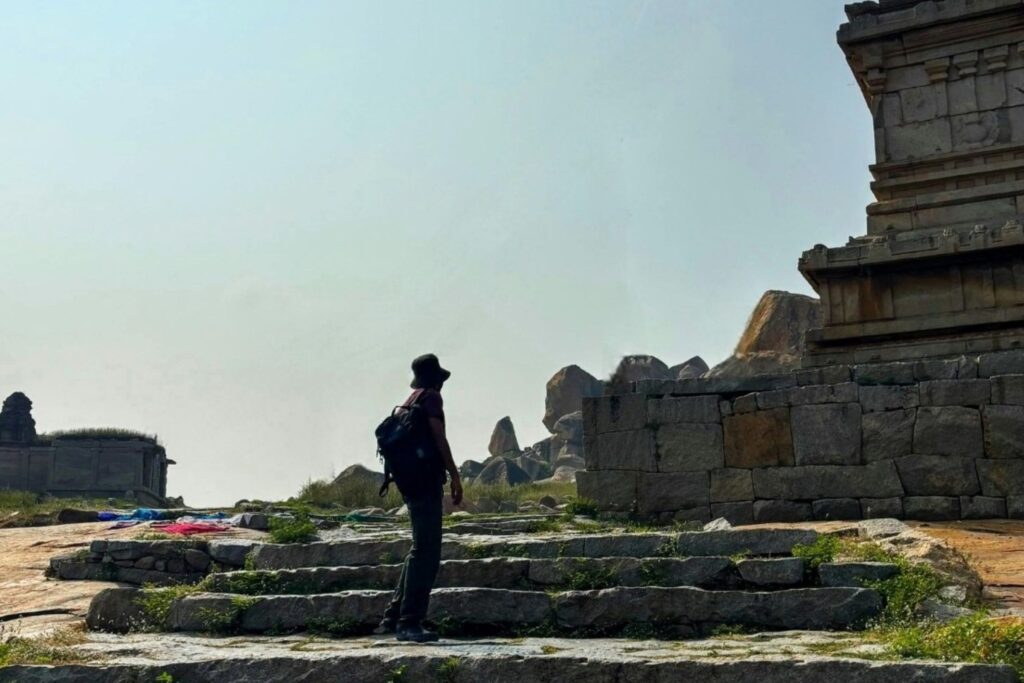
Tourists at Hampi heritage tourism site showing cultural economics and archaeological monument business

How Do Challenges and Innovations Shape Heritage Tourism?

Overcrowding at popular heritage tourism sites threatens preservation and visitor satisfaction levels. Furthermore, Taj Mahal receives 70,000+ daily visitors during peak seasons straining infrastructure. Managing capacity while maintaining revenue proves increasingly complex for authorities.

Additionally, inadequate facilities and poor maintenance affect heritage tourism experiences at smaller sites. Indeed, lack of restrooms, guides, and information reduces repeat visitation rates. Addressing infrastructure gaps requires sustained investment and professional management approaches.

However, digital innovations transform heritage tourism through virtual tours and advance booking systems. Moreover, AI-powered apps provide multilingual guides enhancing accessibility for international visitors. These technological solutions improve experiences while managing crowds more effectively over time.


Business

Indian Private Equity: Regional Investment Funds and Deal Flow Analysis

05/02/2026

Conclusion: Heritage Tourism Defines India’s Cultural Economics

Heritage tourism establishes India as a leading cultural destination, attracting travellers from around the world. Moreover, the economics of cultural sites and museums generate billions while preserving an invaluable legacy. The relationship between heritage tourism growth and sustainable development continues to strengthen at a national level.

Therefore, investing in heritage tourism infrastructure and experiences is economically and culturally essential. Support conservation efforts, promote responsible travel and develop quality tourism services. India’s success in heritage tourism indeed reflects the nation’s commitment to cultural preservation.

Are you ready to explore India’s heritage? Visit cultural sites that support conservation and local communities today.

Useful Resources for Indian Heritage Tourism

  • Archaeological Survey of India – Monument Information
  • Ministry of Tourism – Heritage Circuit Development
  • UNESCO World Heritage Sites India – Official List
author avatar
Sophie Renard
Sophie Renard is a French expat who moved to Bangalore in 2018 and never looked back. After years of exploring India from the backwaters of Kerala to the monasteries of Ladakh, she writes travel guides and local city content that bridges the gap between first-time visitor and seasoned explorer. Her outsider-turned-insider perspective makes India accessible to an international audience.
See Full Bio
Tags: businesscultureeconomicsHeritage-Tourismmuseums
Previous Post

Culinary Tourism: India Food Economics 2026

Next Post

Diwali 2026 Retail Surge: E-commerce and Festival Shopping Strategies

Related Posts

A female vocalist performing Carnatic music on stage at a South Indian concert hall
Culture

Carnatic music: a complete beginner’s guide

04/09/2026
A woman devotee taking part in Janmashtami celebrations at a lit temple in Mathura at midnight
Culture

Janmashtami celebrations that transform India

16/08/2026
A sister ties a rakhi on her brother's wrist during Raksha Bandhan gifting ceremonies in India
Culture

Raksha Bandhan gifting reshaped by D2C brands

11/08/2026
An Indian soldier stands at attention during a Kargil Vijay Diwas memorial ceremony in Ladakh
Culture

Kargil Vijay Diwas: India’s highest battlefield

26/07/2026
students and teachers celebrating during Guru Purnima, the Indian festival of gratitude for teachers
Culture

Guru Purnima: India’s quiet celebration

10/07/2026
Next Post
Retail surge shopping bags showing Diwali purchases and festival consumer spending in India

Diwali 2026 Retail Surge: E-commerce and Festival Shopping Strategies

Comments 5

  1. LeoBennett says:
    6 months ago

    “This article provides an exceptional deep-dive into the strategic evolution of India’s heritage tourism and its burgeoning cultural economics as we move through 2026. The transition from traditional monument-centric visits to ‘immersive experiential hubs’ is a brilliant move that aligns perfectly with the global demand for authentic storytelling and historical depth.

    It is particularly impressive to see how the 2026 fiscal roadmap has integrated technological innovation—like digital archives and AR-driven narratives—into archaeological sites such as Lothal and Dholavira. By transforming these locations into vibrant economic engines, India is demonstrating a masterclass in how a nation can leverage its ‘soft power’ to drive sustainable regional development and large-scale employment.

    With cultural heritage now commanding a significant 56% share of the tourism revenue, it is clear that the synergy between preservation and commercial strategy is yielding massive returns. This analysis is a must-read for global investors and industry stakeholders who want to understand the intersection of history, technology, and economic resilience in the modern era. Thank you for this highly insightful and well-researched perspective!

    Reply
  2. LiamWalker says:
    6 months ago

    This analysis of India’s heritage tourism in 2026 is both profound and timely. The strategic shift from passive ‘monument visiting’ to ‘immersive cultural hubs’ reflects a sophisticated understanding of the modern traveler’s desire for authenticity and storytelling.

    It is particularly impressive to see how the Union Budget 2026 has prioritized the transformation of 15 key archaeological sites, including Lothal and Dholavira, into experiential centers. By integrating digital storytelling with sustainable infrastructure, India is effectively turning its historical assets into a resilient economic engine. The fact that cultural heritage now commands a 56% share of tourism revenue is a powerful testament to the successful synergy between preservation and commercial innovation.

    This piece is a must-read for anyone looking to understand how a nation can leverage its ‘soft power’ to drive regional development and large-scale employment. Thank you for highlighting this fascinating intersection of tradition and fiscal strategy.

    Reply
  3. ryan mitchell says:
    6 months ago

    This article offers a profound and timely analysis of how India is strategically leveraging its unparalleled cultural heritage to redefine its economic landscape in 2026. The shift from mere ‘monument visiting’ to ‘immersive cultural experiences’ reflects a sophisticated understanding of the modern traveler’s psyche, where authenticity and storytelling are the primary currencies.

    It is particularly impressive to see the 2026 roadmap focusing on the development of 15 archaeological sites—including Lothal and Dholavira—as vibrant, experiential hubs. By integrating digital storytelling and sustainable infrastructure, India is not just preserving its past but is actively transforming it into a resilient economic engine. The fact that cultural heritage now commands a 56% share of the tourism revenue is a testament to the successful synergy between preservation and commercial innovation.

    This piece is a must-read for stakeholders in the global travel industry, as it showcases how a nation can utilize its ‘soft power’ and historical assets to drive large-scale employment and regional development. A truly enlightening perspective on the future of heritage-driven growth.

    Reply
  4. Jmma Johnson says:
    4 months ago

    Stayed at a restored haveli in Bikaner last winter for around 12,000 rupees a night and honestly, the price made complete sense once we saw the property and met the owner whose family had lived there for generations. The article nails the point about cultural travelers staying longer and spending more on craft workshops, that was literally our trip. What I wish more pieces would address is whether the heritage hotel boom is actually putting renovation money back into the structures or just monetizing facades. Would love a follow-up investigation on that.

    Reply
  5. Jack says:
    4 months ago

    Two hundred jobs per major heritage site sounds impressive until you visit Hampi and see the vendors who get evicted every conservation drive.

    Reply

Leave a Reply Cancel reply

Your email address will not be published. Required fields are marked *

Truelang AI WordPress Translation Plugin Truelang AI WordPress Translation Plugin Truelang AI WordPress Translation Plugin
No Result
View All Result

Our Focus

INDIAwebzine is your international window on India: sustainable lifestyle, business, culture, sports and events for a global audience drawn to the subcontinent's vibrant and diverse scene.

Our Readers

INDIAwebzine addresses readers who engage with India at a high level: professionally, financially, strategically, and as decision-makers in their fields.

Our Approach

Lifestyle, travel, and culture are integrated as context and indicators of economic dynamism, purchasing power, and soft power — not standalone entertainment.

Recent Posts

  • Block printing at home with Indian stamps
  • Festive reset: home and wardrobe in India

© 2025 INDIAwebzine by NOOR & NOOR.

Welcome Back!

Login to your account below

Forgotten Password? Sign Up

Create New Account!

Fill the forms bellow to register

All fields are required. Log In

Retrieve your password

Please enter your username or email address to reset your password.

Log In
Manage Consent
To provide the best experiences, we use technologies like cookies to store and/or access device information. Consenting to these technologies will allow us to process data such as browsing behavior or unique IDs on this site. Not consenting or withdrawing consent, may adversely affect certain features and functions.
Functional Always active
The technical storage or access is strictly necessary for the legitimate purpose of enabling the use of a specific service explicitly requested by the subscriber or user, or for the sole purpose of carrying out the transmission of a communication over an electronic communications network.
Preferences
The technical storage or access is necessary for the legitimate purpose of storing preferences that are not requested by the subscriber or user.
Statistics
The technical storage or access that is used exclusively for statistical purposes. The technical storage or access that is used exclusively for anonymous statistical purposes. Without a subpoena, voluntary compliance on the part of your Internet Service Provider, or additional records from a third party, information stored or retrieved for this purpose alone cannot usually be used to identify you.
Marketing
The technical storage or access is required to create user profiles to send advertising, or to track the user on a website or across several websites for similar marketing purposes.
  • Manage options
  • Manage services
  • Manage {vendor_count} vendors
  • Read more about these purposes
View preferences
  • {title}
  • {title}
  • {title}
No Result
View All Result
  • Home
    • Our Authors
    • Media Kit
    • Contact
    • Cookie Policy
    • Terms and Conditions
  • News
  • Business
  • Lifestyle
    • Gastronomy
    • Sustainable living
    • Well-being
  • Culture
  • Sports
  • Travel
  • Global India
  • Insights
  • Local Guide
    • Activities in India
    • Hotels in India
    • Nightlife in India
    • Restaurants in India
    • Services in India
    • Shopping in India

© 2025 INDIAwebzine by NOOR & NOOR.

Verified by MonsterInsights
enEnglishhiहिन्दी