
Carnatic music stopped me at a street corner in Chennai on my second evening in India, and I have never fully recovered from that moment.
What is Carnatic music and where does it come from?
Carnatic music is the classical music of South India. It covers the states of Tamil Nadu, Karnataka, Kerala, Andhra Pradesh, and Telangana. It is one of 2 main systems of Indian classical music, the other being Hindustani music from the north. The 2 systems share ancient roots but developed along very different paths. Carnatic music stayed more connected to devotional practice and vocal tradition.

The tradition traces its foundations to ancient Hindu texts, particularly the Samaveda. Scholars and practitioners often describe its grammar as highly codified. This means the rules of melody, rhythm, and ornamentation are clearly defined and passed from teacher to student. Even so, every performance contains improvisation. That combination of structure and spontaneous expression is exactly what makes the music so compelling.
The raga: the heart of every performance
A raga is not a scale. It is more than that. A raga is a complete melodic framework that tells a musician which notes to use, which to emphasize, how to move between them, and what emotional feeling the music should create. Think of it as a personality, not just a pattern. Some ragas feel joyful. Others feel meditative or sorrowful. Listeners who know the tradition recognize a raga within the first few seconds of a performance.
Carnatic music organizes ragas through a system of 72 parent scales called the melakarta framework. Each parent scale generates many related ragas called janya ragas. Hundreds of ragas exist in active use today. For a beginner, this sounds enormous. In practice, you will hear a small set of popular ragas repeated across many concerts. Bhairavi, Kalyani, Todi, and Shankarabharanam are good starting points.
Alongside the raga, every Carnatic composition uses a tala, which is the rhythmic cycle. A tala provides the repeating time structure that holds the music together. Performers and listeners track the tala with hand gestures during concerts. Watching the audience count along is one of the most surprising and enjoyable things about attending a live performance.
The structure of a Carnatic concert, called a kacheri
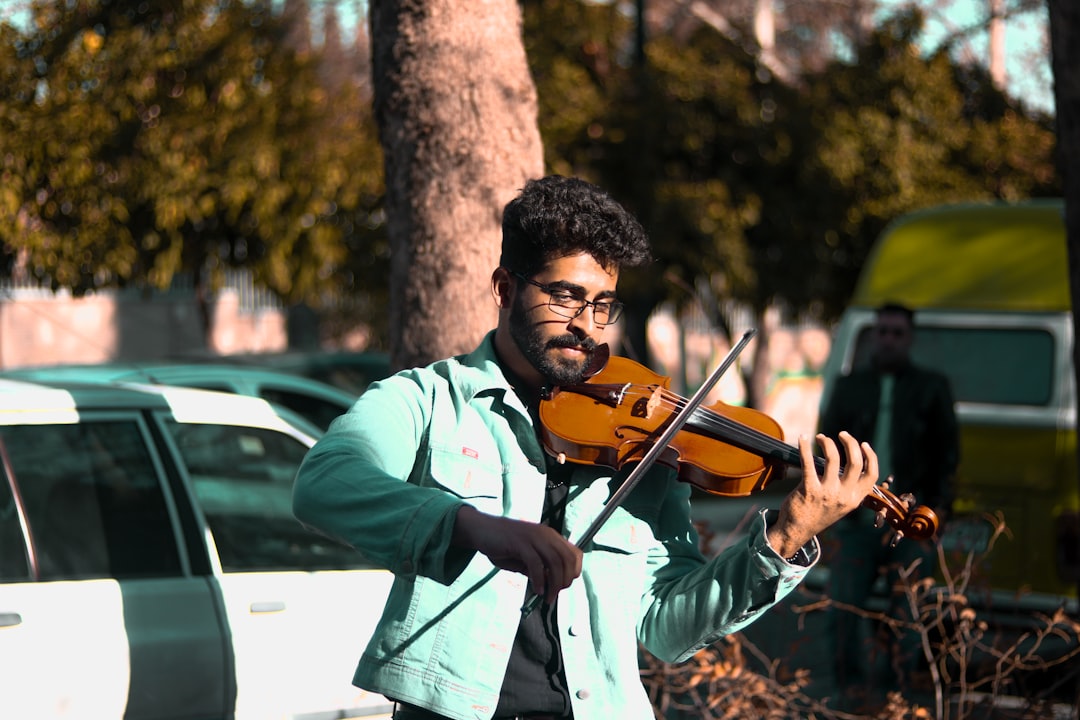
A Carnatic concert, traditionally called a kacheri, follows a loose but recognizable format. The ensemble usually centers on a lead vocalist or melodic instrument. A violin player accompanies and echoes the lead. A mridangam player, who uses a 2-sided drum, provides rhythmic support. A tambura or electronic shruti box sustains the base drone throughout the performance.

The concert begins with a short invocatory piece called a varnam or a kriti. The main body moves through several compositions in different ragas. The most anticipated moment is the ragam-tanam-pallavi, or RTP, where the lead musician demonstrates full mastery of a raga through extended improvisation. Finally, the concert closes with lighter, devotional pieces called tukkadas.
Understanding shruti, or pitch, matters for beginners. Every Carnatic performance is tuned to a specific tonic pitch chosen to suit the lead voice or instrument. Everything the ensemble plays relates back to that single reference point. This relationship between shruti and melody gives Carnatic music its characteristic warmth and resonance.



Expert perspective on learning Carnatic music
Carnatic music rewards patience above all else. A beginner should not try to understand everything at once. The right approach is to choose 1 raga, listen to 5 or 6 recordings of that raga by different musicians, and let the melodic personality enter your memory slowly. After 2 or 3 weeks, you will begin to recognize the raga instantly when you hear it, even in a new composition. This is the moment when Carnatic music changes from something you hear to something you feel. The tradition is both oral and deeply personal. No textbook replaces the experience of simply sitting with the music and listening with attention. Start with Bhairavi. It is accessible, emotionally rich, and recorded by nearly every major artist.
Industry perspective, Carnatic music educators and performance practitioners in Chennai
The trinity of composers: why their names matter
3 composers from the 18th and 19th centuries define the core repertoire of Carnatic music. They are Tyagaraja, Muthuswami Dikshitar, and Syama Sastri. Practitioners call them the Trinity. Their compositions, called kritis, form the backbone of almost every concert program today. Tyagaraja composed primarily in Telugu. His kritis are celebrated for their devotional intensity and melodic beauty.
Muthuswami Dikshitar wrote in Sanskrit and is known for complex, architecturally rich compositions. Syama Sastri is considered the most emotionally intimate of the 3. Learning to recognize their styles gives a beginner a framework for understanding what they hear at concerts. Most musicians dedicate years to mastering even a portion of this vast body of work.
Where to start listening: a practical first list
For a beginner, the goal is not to understand everything immediately. The goal is to find 1 recording that holds your attention and follow that thread. Start with M. S. Subbulakshmi, one of the most recorded and celebrated vocalists in the tradition. Her recordings are clear, emotionally direct, and widely available on streaming platforms. Then try a violin recording by L. Subramaniam or a mridangam-led percussion concert to hear the rhythmic side of the tradition.
Chennai hosts the Margazhi festival each December, one of the largest classical music events in the world. Attending even 1 concert during that season gives a listener more direct understanding than any written explanation. If travel is not possible, many concerts are now streamed live and archived online. The karnATik website provides lyrics, raga information, and composer notes for thousands of compositions in one place.
Finally, set aside the idea that you need technical knowledge before you can enjoy Carnatic music. The shruti drone will settle your mind. The raga will give you a feeling before it gives you a name. Let that feeling come first, and the understanding will follow naturally.
Start your Carnatic music journey today
Carnatic music is one of the oldest living musical traditions on the planet. It rewards attention, curiosity, and repeated listening. Begin with a single raga, a single recording, and an open mind. Sophie Renard’s first encounter was accidental and unplanned, which is perhaps the best way to meet any great art form. Let Carnatic music find you in its own time. Then search for it deliberately and discover how deep the tradition runs.
Discover more about Carnatic music
- Carnatic Instrumental Music, Indian Council for Cultural Relations, Government of India
- Evaluating the Role of a Visual Pitch Meter in Carnatic Music Education, Scientific Reports, Nature (2025)
- American Violinist Ariana Kim Visits India to Explore Carnatic Music, PBS NewsHour (May 2025)