
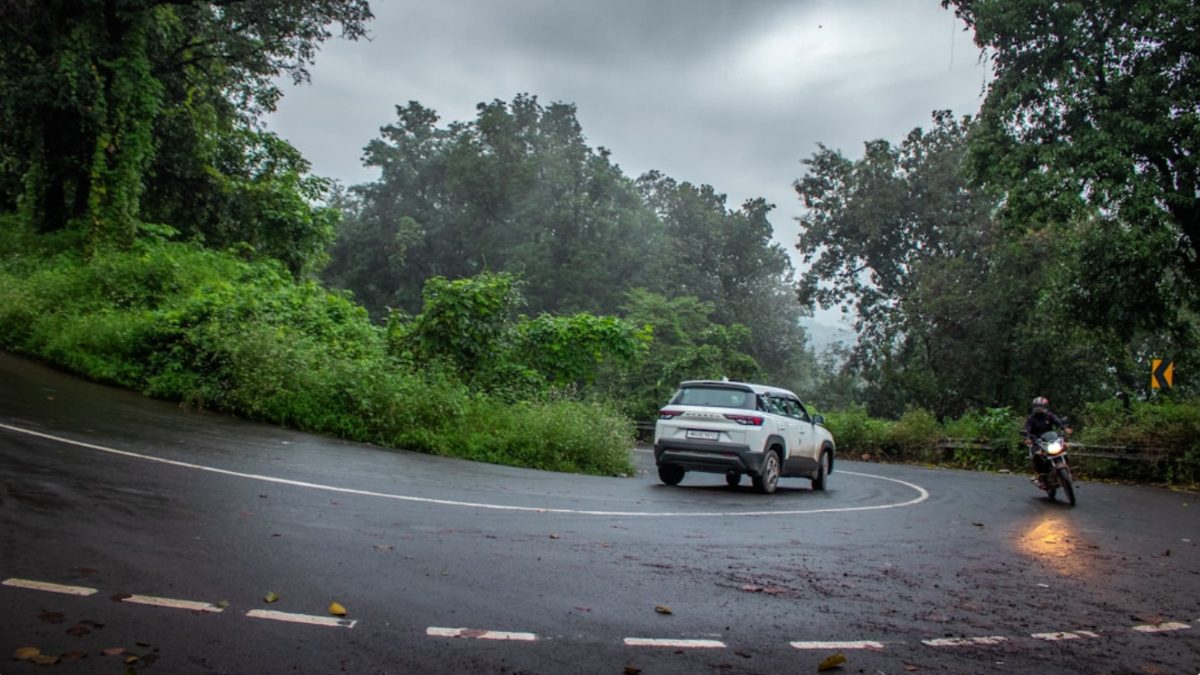
Monsoon road trips in India have a reputation problem. Locals know the rains transform familiar roads into something extraordinary, with waterfalls appearing overnight, hills turning a deep, unlikely green, and highways clearing of tourist crowds. The outsider instinct is to wait for sunshine. This guide argues the opposite, presenting 7 routes that are not just manageable in the rain but genuinely better for it.
Mumbai to Lonavala: the classic that earns its fame
The drive from Mumbai to Lonavala covers roughly 83 kilometers on the expressway. In the dry season, it is a commuter route. In monsoon, it becomes one of the most rewarding short monsoon road trips in a country full of them. Waterfalls appear along the ghats at every bend, and the Bhushi Dam area fills with local families splashing in water that runs across the road itself.

Start early, before 7 AM if possible. Fog rolls in by mid-morning and reduces visibility on the mountain sections. The drive rewards patience. Stop at a roadside stall for roasted corn and take the old Mumbai-Pune highway for at least part of the journey, where the scenery is far richer than the expressway.
Bengaluru to Coorg: greenery at its most intense
This 260-kilometer route through Karnataka’s Western Ghats is one of the most popular monsoon road trips in the country. The reason is simple. Coorg receives heavy rainfall from June through September, and that rainfall turns its coffee and spice plantations into a landscape that feels almost fictional. Abbey Falls and Iruppu Falls swell to several times their dry-season volume within days of the first heavy rain.
Take the route via Mysuru for the most scenic road. The final stretch into Madikeri, the main town in Coorg, winds through dense forest with mist sitting low over the canopy. Book accommodation in advance. Coorg fills quickly on weekends even in the wet season, because people who know the region know this is when it peaks.
Pune to Mahabaleshwar: fog, strawberries, and empty viewpoints
Mahabaleshwar sits at 1,372 meters in the Sahyadri range and receives some of the highest rainfall of any hill station in Maharashtra. The 120-kilometer drive from Pune climbs steadily through villages and farms before arriving at one of the most atmosphere-heavy destinations on this list. Famous viewpoints like Arthur’s Seat and Wilson Point offer views of mist-covered valleys that photographers spend years chasing.
The route passes through Panchgani. Stop there for 30 minutes. The plateau views above the Krishna Valley are extraordinary when clouds move through at road level. Mahabaleshwar itself closes most commercial activity during heavy monsoon, which is exactly why the town feels so calm and unhurried during this season.

Expert perspective on monsoon road trips
The moment the rains arrive, India’s road network transforms from a hot and dusty obligation into one of the most cinematic driving experiences anywhere in the world. I have been guiding drivers across these routes for over a decade, and the waterfalls, the greenery, the petrichor (the smell of earth after the first rain) create a travel experience that no other season can replicate. The key mistake most visitors make is treating monsoon roads like dry-season roads. Reduce speed, increase following distance, avoid night driving, and always check the India Meteorological Department’s forecasts for landslide-prone ghat sections before you depart. Preparation is not optional. It is what separates a beautiful memory from a preventable incident.
Industry perspective, road travel and driver safety professionals in India
Shillong to Cherrapunji: the wettest road on Earth
This 54-kilometer route in Meghalaya is one of the shortest on this list and one of the most dramatic. Cherrapunji, also called Sohra, is one of the wettest places on Earth and the road to it from Shillong passes through rolling Khasi hills that are mist-covered for most of monsoon season. The living root bridges of the Mawlynnong region are the most famous sight, but the highway itself, with waterfalls running beside it and clouds at windshield level, is the real attraction.
Download offline maps before leaving Shillong. Mobile networks are unreliable across much of Meghalaya’s interior, particularly when rain is heavy. Carry waterproof bags for all electronics. The roads here are narrow and require careful attention after rain. The effort is worth it entirely.
Delhi to Lansdowne: the underrated option for slow travelers
Lansdowne is a small military cantonment town in Uttarakhand, roughly 250 kilometers from Delhi. Most people choose Rishikesh or Mussoorie and miss this entirely. That pattern works in the favor of anyone who goes to Lansdowne instead. Pine forests line the approach roads, the town is quiet even on weekends, and the mist that sits over Bhulla Lake in the morning makes the place feel genuinely remote.
The drive from Delhi takes around 6 hours, passing through Haridwar and Kotdwar. Check road conditions at Kotdwar before the final climb. Rain-wash on the ascent can create brief closures. The reward for timing it right is a hill station that feels completely undiscovered even though it is less than a day from the capital.





Udaipur to Mount Abu: a desert route that surprises in the rain
Most travelers do not think of Rajasthan as a monsoon destination. That is a significant oversight. The 161-kilometer drive from Udaipur through the Aravalli hills to Mount Abu, Rajasthan’s only hill station, passes through landscapes that turn green with surprising intensity when rain arrives. Nakki Lake at Mount Abu fills and comes alive, and the Dilwara Temples look extraordinary in the cool, washed light of a cloudy morning.
The route itself is straightforward and uses good national highway sections for most of the distance. It suits first-time monsoon drivers who want scenery and greenery without high-risk mountain passes. Udaipur’s lake palaces also look their best during and just after heavy rain, so spend a night there before departing.
Ahmedabad to Kutch: the unexpected monsoon detour
Most guides skip this one. That is their loss. The drive from Ahmedabad to the Rann of Kutch covers roughly 330 kilometers across Gujarat’s flat landscape. In monsoon, the white salt desert of the Rann partially floods, turning into a shallow reflective lake that mirrors the sky above it. Birds arrive in large numbers. The quaint villages along the route reveal Gujarati craft traditions that have little to do with the main tourist circuit.
This route carries the lowest physical risk of any drive on this list. Roads are flat and well-maintained. The spectacle is quieter and stranger than the green hills of the Western Ghats, but it rewards travelers who want something genuinely different. Check conditions at the Rann itself before arriving, as access to some areas depends on water levels.
Plan your monsoon road trips with confidence
Monsoon road trips in India are not for every kind of traveler, but they are for curious ones. The 7 routes in this guide cover the country from Meghalaya to Rajasthan and from Kerala’s borders to the Himalayas’ edge. Each one is better in the rain than out of it. Start early each day, carry waterproof gear for all electronics, download offline maps before entering hilly regions, and check the India Meteorological Department for landslide alerts on mountain routes. The country is waiting. Wet roads and all, these are monsoon road trips that genuinely deliver. Pick your route and drive.
Discover more about monsoon road trips
- India Meteorological Department: Southwest Monsoon Tracker
- Best Monsoon Destinations in India: Wego Travel Guide
- First Monsoon Rain India 2026: Onset Spots and Travel Planning