

Why Does Heritage Tourism Drive India’s Economy?
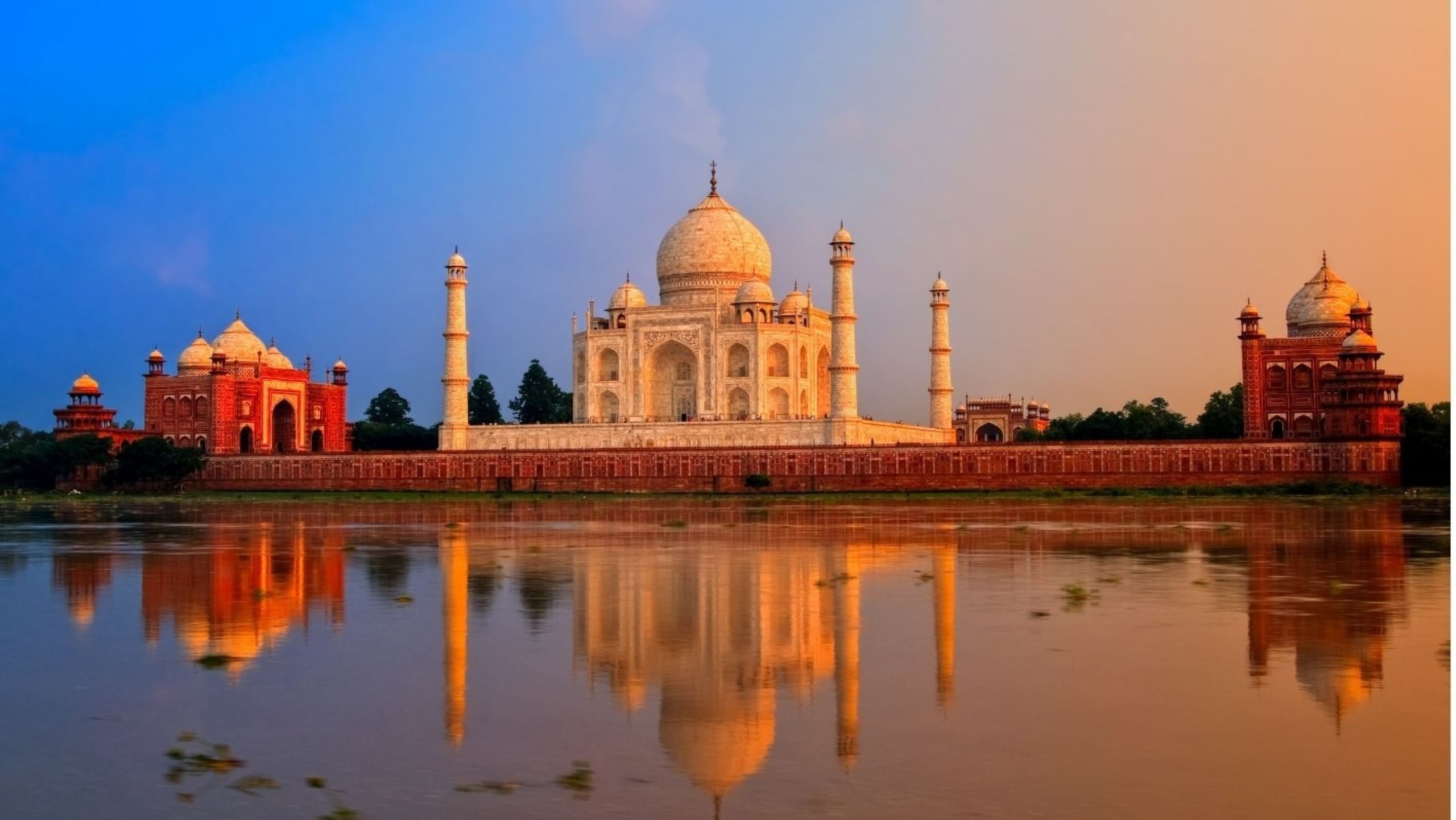
India’s heritage tourism success stems from 5,000 years of documented civilization and architecture. Furthermore, monuments like Taj Mahal, Hampi, and Khajuraho showcase unparalleled artistic achievement. This historical wealth attracts travelers seeking authentic cultural experiences and knowledge.

Additionally, international recognition through UNESCO listings validates India’s heritage tourism importance globally. For instance, these designations increase visitor numbers by 30-50% within years. This validation translates directly into revenue for local economies and businesses.
Meanwhile, government initiatives like Adopt a Heritage program engage private sector participation. Specifically, corporations invest in monument maintenance receiving branding and operational rights. These partnerships ensure preservation while creating sustainable heritage tourism revenue models.
What Drives Heritage Tourism Revenue Growth?
Foreign tourist spending at cultural sites contributes significantly to heritage tourism economics. Moreover, international visitors pay premium entry fees averaging ₹500-1,000 versus ₹40-50 domestically. This pricing differential generates substantial revenue supporting monument conservation and local employment.
Additionally, domestic heritage tourism grows as Indians explore their own cultural legacy. Middle-class families increasingly visit historical sites during holidays and weekends regularly. This internal travel generates year-round revenue reducing seasonal dependency on international tourists.
Experiential heritage tourism packages command premium pricing attracting affluent travelers seeking depth. For example, guided sunset tours at Hampi or sunrise Taj Mahal visits charge ₹5,000-15,000. These curated experiences create high-value revenue streams beyond basic entry fees.

How Do Museums Support Heritage Tourism Economics?
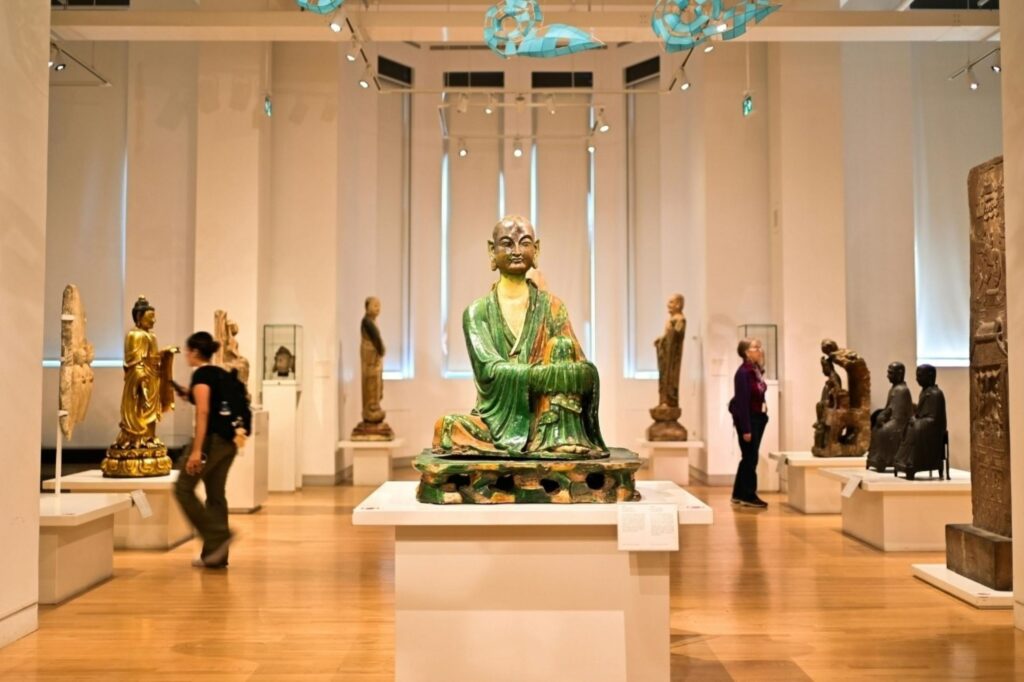
Museum development accelerates across India enhancing heritage tourism infrastructure and educational value. Furthermore, modern facilities like National Museum Delhi and Chhatrapati Shivaji Museum attract millions. These institutions preserve artifacts while generating revenue through admissions and programs.
Additionally, specialized museums focusing on specific themes create niche heritage tourism markets. For instance, textile museums, tribal art galleries, and transport museums cater to enthusiasts. This diversification expands overall visitor base and spending across categories.






Interactive and technology-enhanced museum experiences boost heritage tourism appeal among younger demographics. Indeed, augmented reality exhibits and audio guides improve engagement substantially over time. These innovations justify higher ticket prices while enhancing educational outcomes effectively.


Onam festival: Kerala’s harvest goes global
Onam festival is no longer just Kerala's harvest celebration. It is a 10-day global ritual of homecoming, plant-based eating, mindful...

Kerala retreats for Ayurvedic reset
Kerala retreats during Onam season offer something rare: the chance to celebrate one of India's most beloved festivals while undergoing...

Zero-chemical cleaning kit for Indian homes
A zero-chemical cleaning kit does not require a specialty store or a large budget. India's own kitchen shelves hold 5...

Carnatic music: a complete beginner’s guide
Carnatic music is one of South India's most profound classical traditions, built around ragas, rhythm, and centuries of devotional composition....
How Do Challenges and Innovations Shape Heritage Tourism?
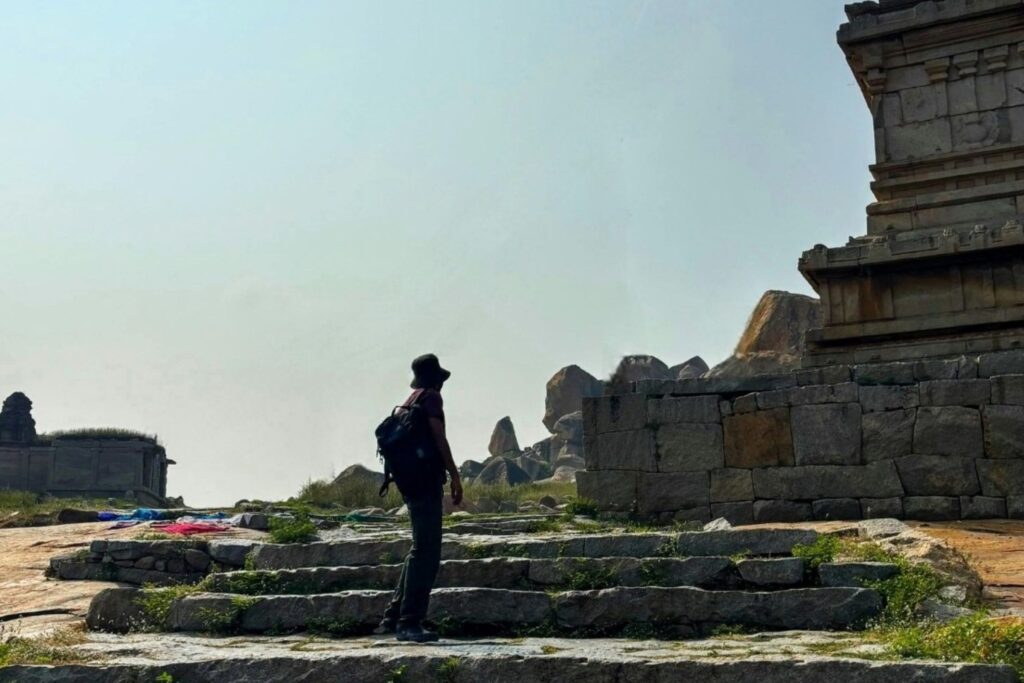
Overcrowding at popular heritage tourism sites threatens preservation and visitor satisfaction levels. Furthermore, Taj Mahal receives 70,000+ daily visitors during peak seasons straining infrastructure. Managing capacity while maintaining revenue proves increasingly complex for authorities.
Additionally, inadequate facilities and poor maintenance affect heritage tourism experiences at smaller sites. Indeed, lack of restrooms, guides, and information reduces repeat visitation rates. Addressing infrastructure gaps requires sustained investment and professional management approaches.
However, digital innovations transform heritage tourism through virtual tours and advance booking systems. Moreover, AI-powered apps provide multilingual guides enhancing accessibility for international visitors. These technological solutions improve experiences while managing crowds more effectively over time.











“This article provides an exceptional deep-dive into the strategic evolution of India’s heritage tourism and its burgeoning cultural economics as we move through 2026. The transition from traditional monument-centric visits to ‘immersive experiential hubs’ is a brilliant move that aligns perfectly with the global demand for authentic storytelling and historical depth.
It is particularly impressive to see how the 2026 fiscal roadmap has integrated technological innovation—like digital archives and AR-driven narratives—into archaeological sites such as Lothal and Dholavira. By transforming these locations into vibrant economic engines, India is demonstrating a masterclass in how a nation can leverage its ‘soft power’ to drive sustainable regional development and large-scale employment.
With cultural heritage now commanding a significant 56% share of the tourism revenue, it is clear that the synergy between preservation and commercial strategy is yielding massive returns. This analysis is a must-read for global investors and industry stakeholders who want to understand the intersection of history, technology, and economic resilience in the modern era. Thank you for this highly insightful and well-researched perspective!
This analysis of India’s heritage tourism in 2026 is both profound and timely. The strategic shift from passive ‘monument visiting’ to ‘immersive cultural hubs’ reflects a sophisticated understanding of the modern traveler’s desire for authenticity and storytelling.
It is particularly impressive to see how the Union Budget 2026 has prioritized the transformation of 15 key archaeological sites, including Lothal and Dholavira, into experiential centers. By integrating digital storytelling with sustainable infrastructure, India is effectively turning its historical assets into a resilient economic engine. The fact that cultural heritage now commands a 56% share of tourism revenue is a powerful testament to the successful synergy between preservation and commercial innovation.
This piece is a must-read for anyone looking to understand how a nation can leverage its ‘soft power’ to drive regional development and large-scale employment. Thank you for highlighting this fascinating intersection of tradition and fiscal strategy.
This article offers a profound and timely analysis of how India is strategically leveraging its unparalleled cultural heritage to redefine its economic landscape in 2026. The shift from mere ‘monument visiting’ to ‘immersive cultural experiences’ reflects a sophisticated understanding of the modern traveler’s psyche, where authenticity and storytelling are the primary currencies.
It is particularly impressive to see the 2026 roadmap focusing on the development of 15 archaeological sites—including Lothal and Dholavira—as vibrant, experiential hubs. By integrating digital storytelling and sustainable infrastructure, India is not just preserving its past but is actively transforming it into a resilient economic engine. The fact that cultural heritage now commands a 56% share of the tourism revenue is a testament to the successful synergy between preservation and commercial innovation.
This piece is a must-read for stakeholders in the global travel industry, as it showcases how a nation can utilize its ‘soft power’ and historical assets to drive large-scale employment and regional development. A truly enlightening perspective on the future of heritage-driven growth.
Stayed at a restored haveli in Bikaner last winter for around 12,000 rupees a night and honestly, the price made complete sense once we saw the property and met the owner whose family had lived there for generations. The article nails the point about cultural travelers staying longer and spending more on craft workshops, that was literally our trip. What I wish more pieces would address is whether the heritage hotel boom is actually putting renovation money back into the structures or just monetizing facades. Would love a follow-up investigation on that.
Two hundred jobs per major heritage site sounds impressive until you visit Hampi and see the vendors who get evicted every conservation drive.