
CONTACT
  • Login
  • Register
Upgrade
INDIAwebzine
Advertisement
  • Home
    • Our Authors
    • Media Kit
    • Contact
    • Cookie Policy
    • Terms and Conditions
  • News
  • Business
  • Lifestyle
    • Gastronomy
    • Sustainable living
    • Well-being
  • Culture
  • Sports
  • Travel
  • Global India
  • Insights
  • Local Guide
    • Activities in India
    • Hotels in India
    • Nightlife in India
    • Restaurants in India
    • Services in India
    • Shopping in India
  • Home
    • Our Authors
    • Media Kit
    • Contact
    • Cookie Policy
    • Terms and Conditions
  • News
  • Business
  • Lifestyle
    • Gastronomy
    • Sustainable living
    • Well-being
  • Culture
  • Sports
  • Travel
  • Global India
  • Insights
  • Local Guide
    • Activities in India
    • Hotels in India
    • Nightlife in India
    • Restaurants in India
    • Services in India
    • Shopping in India
No Result
View All Result
INDIAwebzine
No Result
View All Result
Home Luxury Lifestyle Sustainable living

India Spring Fashion 2026: 7 Sustainable Designers

4
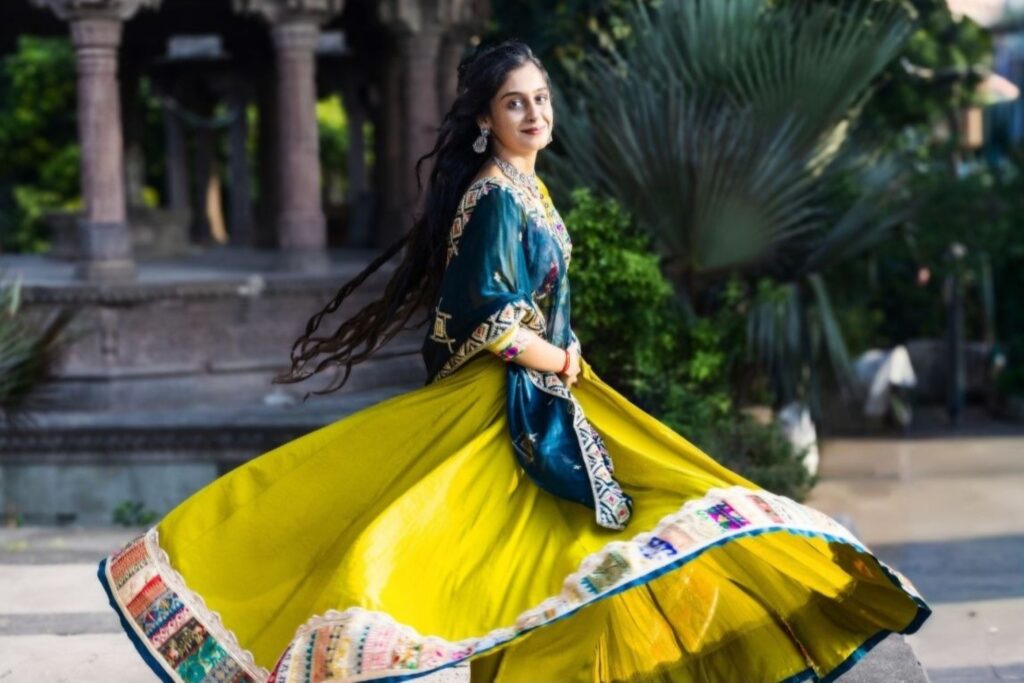
Sustainable fashion designers creating eco-friendly spring collections in India

This season, seven visionary designers are celebrating sustainability in Indian spring fashion. Fashion lovers can discover collections that blend traditional craftsmanship with eco-conscious innovation. These designers also demonstrate that Indian fashion is at the forefront of global conversations about ethical style.

Why Is Sustainable Fashion Growing in India?

Indian designers are revolutionizing the fashion industry with sustainable practices. Consequently, spring fashion now emphasizes handloom textiles and natural dyeing techniques.

Your Local Guide to India Your Local Guide to India Your Local Guide to India

Furthermore, young consumers demand transparency about production methods and sourcing. Therefore, designers invest in traditional crafts that support rural artisan communities.

Government initiatives promote khadi and handwoven fabrics across the country. Indeed, India’s textile heritage provides perfect foundations for sustainable fashion.

Business

Luxury Fashion: India Retail Economics 2026

19/02/2026

What Traditional Crafts Define Spring Fashion?

Sustainable designers incorporate centuries-old Indian textile techniques into modern collections. Additionally, handloom weaving and block printing experience remarkable revivals this season.

For instance, Chanderi and Maheshwari weavers collaborate with contemporary designers. Moreover, natural indigo dyeing creates stunning color palettes for spring wardrobes.

Organic cotton from Maharashtra and Gujarat dominates sustainable fabric choices. Thus, fashion lovers support local farmers while enjoying comfortable garments.

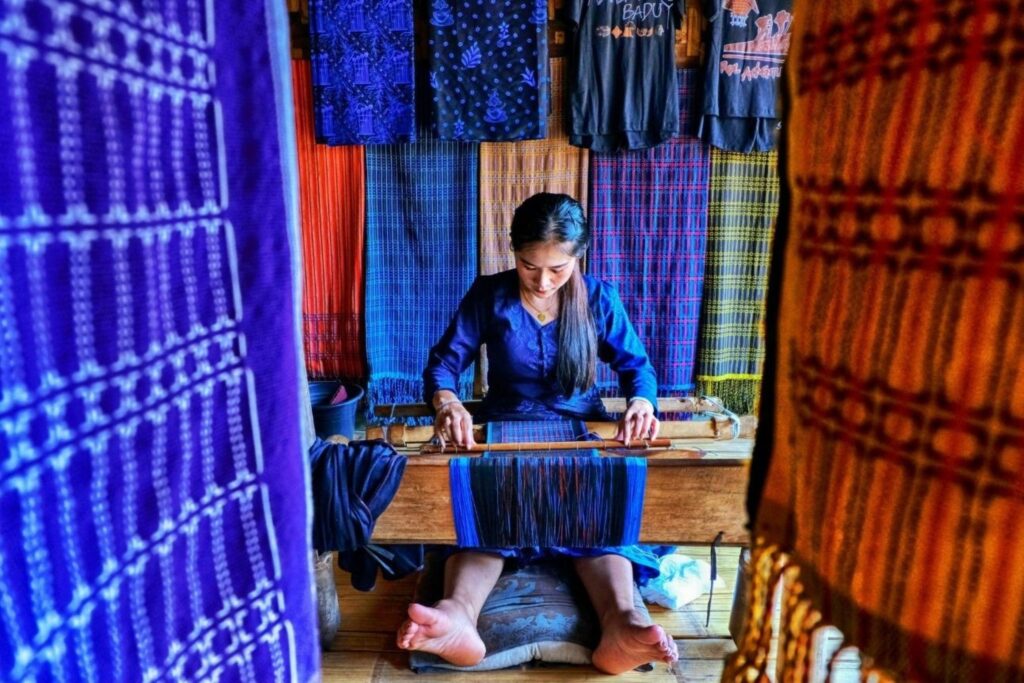
Spring fashion sustainable designers showcasing traditional Indian handloom weaving techniques

Which Indian Cities Lead Sustainable Fashion?

Mumbai, Delhi, and Bangalore host the most innovative spring fashion designers. Jaipur and Kolkata follow with strong connections to traditional craftsmanship.

Specifically, Mumbai’s fashion week showcases increasing numbers of sustainable collections annually. Besides, the city attracts international buyers seeking ethical Indian fashion.


-

A woman artisan applies traditional block printing with natural dyes onto cotton fabric in a Jaipur workshop

Natural dyes making a fashion comeback

23/07/2026
A woman using her rooftop rainwater harvesting setup during the monsoon season in an Indian home

Rainwater harvesting tips for home

20/07/2026
A smiling Indian woman arranging terracotta bowls and clay pots in a plastic-free kitchen at home

Plastic-free kitchen brands worth switching to

15/07/2026
Indian woman carefully folding handloom cotton fabric indoors during the monsoon season

Handloom cotton monsoon care guide

07/07/2026
A young Indian woman sorting vegetable peels into a composting bin in her apartment kitchen

Composting in a small Indian apartment

29/06/2026
AIndian woman in a breathable linen kurta demonstrates why ethical fabrics are best choice for India's humid monsoon season.

Ethical fabrics that beat monsoon humidity

24/06/2026

Delhi designers excel at blending heritage techniques with modern aesthetics. Nevertheless, emerging talent appears in tier-2 cities across India.

Global Voices. Local Webzines. Discover the WEBZINEworld Network.

Fashion Lover’s Journey with Sustainable Style

Priya Sharma, Fashion Blogger, Mumbai

“Finding sustainable Indian fashion felt challenging with limited designer visibility. Most eco-friendly brands lacked online presence or national distribution. Quality concerns made me hesitant about investing in handloom pieces.”

“After discovering these spring fashion designers, my wardrobe transformed completely. The craftsmanship showcases India’s incredible textile heritage beautifully. Additionally, knowing my purchases support rural artisans brings immense satisfaction.”

A woman using her rooftop rainwater harvesting setup during the monsoon season in an Indian home

Rainwater harvesting tips for home

20/07/2026

Rainwater harvesting is one of the smartest things an Indian household can do during monsoon season. From simple barrel setups...

Indian woman practising pranayama breathwork at her home office desk with eyes closed

Pranayama breathwork for WFH burnout

18/07/2026

Millions of Indian professionals working from home face rising burnout with blurred boundaries and constant screen time. Pranayama breathwork offers...

A confident Indian woman managing her monsoon commute to the office with a colorful umbrella and a printed kurti

Monsoon commute dressing done right

17/07/2026

The Indian monsoon is beautiful, but it tests every office-goer's wardrobe. This guide covers the best fabrics, footwear, and traditional-meets-modern...

A smiling Indian woman arranging terracotta bowls and clay pots in a plastic-free kitchen at home

Plastic-free kitchen brands worth switching to

15/07/2026

India has some of the most creative homegrown brands making plastic-free kitchen essentials rooted in ancient materials. From coconut shell...

What Makes These 7 Designers Exceptional?

Each designer brings unique perspectives to sustainable spring fashion practices. Therefore, fashion lovers can explore diverse styles that honor Indian traditions.

Distinguished features that define these designers include:

  • Collaboration with rural weaver cooperatives
  • Zero-waste pattern cutting inspired by traditional methods
  • Natural plant-based dyes from indigenous sources
  • Fair wages and transparent artisan partnerships
  • Revival of endangered textile techniques
  • Modern silhouettes with traditional fabric foundations

Moreover, several designers offer customization services supporting individual preferences. Consequently, customers receive unique pieces rather than mass-produced garments.

Price ranges accommodate various budgets from affordable to luxury investments. Indeed, sustainable Indian fashion serves diverse customer segments effectively.

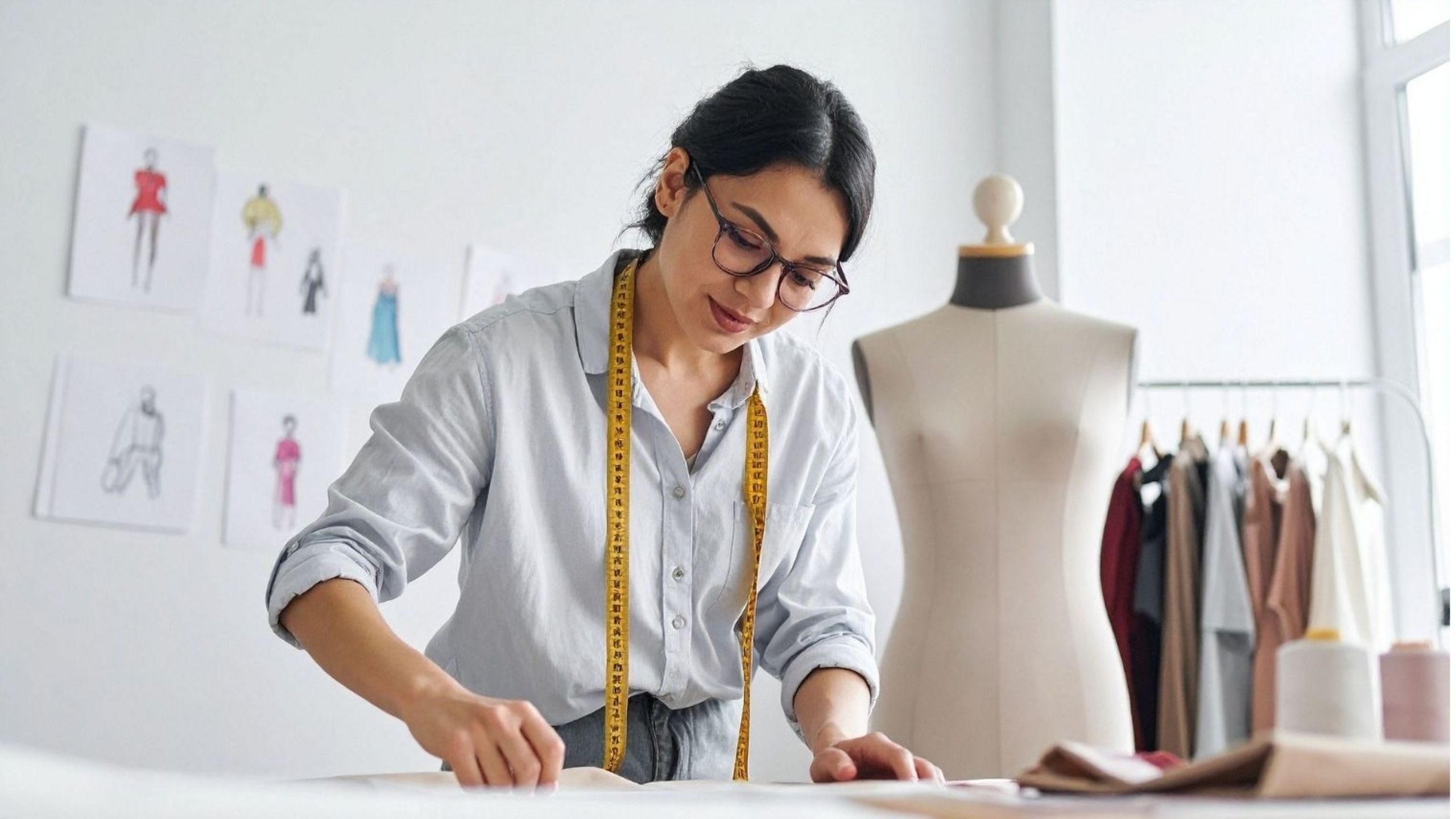
Fashion lovers wearing sustainable spring fashion from Indian designers with traditional crafts

How Are Designers Preserving Traditional Techniques?

Spring fashion designers actively document and revive endangered Indian crafts. Furthermore, they create employment opportunities in villages facing economic challenges.

Master weavers train younger generations in traditional handloom techniques. Additionally, designers establish production facilities in textile heritage regions.

Digital platforms connect rural artisans with urban and international markets. Thus, traditional crafts gain commercial viability for sustainable futures.

Collaborations with fashion institutes ensure craft knowledge transfers to students. Meanwhile, designers experiment with contemporary applications for heritage techniques.


Business

Luxury Fashion: India Retail Economics 2026

19/02/2026

Conclusion: India’s Spring Fashion Revolution

The spring fashion scene in India showcases a powerful synergy between tradition and sustainability. Fashion lovers should therefore explore these seven exceptional sustainable designers.

Supporting ethical Indian fashion helps to preserve cultural heritage for future generations. Furthermore, making conscious purchasing decisions can strengthen rural artisan communities economically.

Consequently, investing in sustainable collections has a positive social impact nationwide. Indeed, spring fashion choices have the power to transform lives while elevating personal style.

Are you ready to embrace sustainable Indian fashion? Discover these designer collections and celebrate conscious style today.

Useful Resources for Fashion Lovers

  • Lakme Fashion Week
  • Fashion Revolution India
  • India Handloom Brand Official
author avatar
Sophie Renard
Sophie Renard is a French expat who moved to Bangalore in 2018 and never looked back. After years of exploring India from the backwaters of Kerala to the monasteries of Ladakh, she writes travel guides and local city content that bridges the gap between first-time visitor and seasoned explorer. Her outsider-turned-insider perspective makes India accessible to an international audience.
See Full Bio
Tags: designersethicalfashionhandloomspringsustainable
Previous Post

Economy Outlook: India Q2 Growth Sectors 2026

Next Post

Film Industry: India Entertainment Economics 2026

Related Posts

A woman artisan applies traditional block printing with natural dyes onto cotton fabric in a Jaipur workshop
Sustainable living

Natural dyes making a fashion comeback

23/07/2026
A woman using her rooftop rainwater harvesting setup during the monsoon season in an Indian home
Sustainable living

Rainwater harvesting tips for home

20/07/2026
A smiling Indian woman arranging terracotta bowls and clay pots in a plastic-free kitchen at home
Sustainable living

Plastic-free kitchen brands worth switching to

15/07/2026
Indian woman carefully folding handloom cotton fabric indoors during the monsoon season
Sustainable living

Handloom cotton monsoon care guide

07/07/2026
A young Indian woman sorting vegetable peels into a composting bin in her apartment kitchen
Sustainable living

Composting in a small Indian apartment

29/06/2026
Next Post
Film industry production set showing Indian content creation and entertainment economics with camera equipment

Film Industry: India Entertainment Economics 2026

Comments 4

  1. LiamWalker says:
    4 months ago

    A truly refreshing and insightful exploration of India’s sustainable fashion landscape as we step into Spring 2026. This article brilliantly highlights the paradigm shift where ‘Conscious Luxury’ has moved from the periphery to the very heart of mainstream design. It is inspiring to see Indian designers not only preserving ancestral craft but reinventing it through a modern, eco-centric lens that resonates with a global audience.

    Your focus on the ‘Material Revolution’—specifically the integration of hemp, bamboo, and recycled textiles—demonstrates the technical maturity of the industry. In 2026, the Indian designer’s greatest strength lies in their ability to balance high-fashion aesthetics with a ‘Slow Fashion’ philosophy that prioritizes fair wages and a reduced carbon footprint. Furthermore, the rise of ‘Decentralized Craft Networks’ mentioned in the piece is a vital economic move, ensuring that the wealth generated by this $60 billion industry reaches the grassroots artisans who are the true custodians of our textile heritage.

    This is a definitive guide for anyone looking to understand how India is setting global benchmarks for ethical production and sustainable innovation. Thank you for showcasing the visionaries who are proving that the future of fashion is not just about what we wear, but the legacy we leave behind. A must-read for fashion strategists and conscious consumers alike!

    Reply
  2. LiamWalker says:
    4 months ago

    A highly sophisticated and timely exploration of India’s sustainable fashion trajectory as we move through Spring 2026. This article perfectly captures the paradigm shift from ‘fast-fashion consumption’ to ‘Conscious Luxury,’ where the value of a garment is now measured by its ethical footprint and the preservation of artisanal heritage.

    What is particularly impressive in your analysis is the focus on the ‘Material Revolution.’ The way Indian designers are integrating indigenous fibers like hemp, organic cotton, and bamboo into high-end collections demonstrates a level of innovative maturity that is setting new global benchmarks. Furthermore, the emphasis on a ‘Decentralized Craft Economy’—ensuring that the economic benefits reach the grassroots artisans—is a vital move for long-term industry resilience.

    In 2026, the success of Indian fashion lies in this unique synergy between ancestral wisdom and futuristic sustainable technologies. Thank you for showcasing these visionaries who are proving that transparency and circularity are the ultimate trends for a modern, globalized market. This is an essential read for anyone looking to understand the intersection of aesthetics, ethics, and economic growth in the new era of fashion.

    Reply
  3. ryan mitchell says:
    4 months ago

    A highly sophisticated and timely exploration of India’s sustainable fashion trajectory as we move through Spring 2026. This article perfectly captures the paradigm shift from ‘fast-fashion consumption’ to ‘Conscious Luxury,’ where the value of a garment is now measured by its ethical footprint and the preservation of artisanal heritage.

    What is particularly impressive in your analysis is the focus on the ‘Material Revolution.’ The way Indian designers are integrating indigenous fibers like hemp, organic cotton, and bamboo into high-end collections demonstrates a level of innovative maturity that is setting new global benchmarks. Furthermore, the emphasis on a ‘Decentralized Craft Economy’—ensuring that the economic benefits reach the grassroots artisans—is a vital move for long-term industry resilience.

    In 2026, the success of Indian fashion lies in this unique synergy between ancestral wisdom and futuristic sustainable technologies. Thank you for showcasing these visionaries who are proving that transparency and circularity are the ultimate trends for a modern, globalized market. This is an essential read for anyone looking to understand the intersection of aesthetics, ethics, and economic growth.

    Reply
  4. ZAKTONI HASSAN says:
    2 months ago

    Anita Dongre’s Grassroot has always struck me as one of the few labels actually walking the talk rather than just slapping sustainable on the price tag. Working with artisan communities in Gujarat and Rajasthan for years before it was trendy. The 64 percent willing to pay premium for sustainable fashion stat from your piece is encouraging but I’d want to see how that plays out outside the metros.

    Reply

Leave a Reply Cancel reply

Your email address will not be published. Required fields are marked *

Truelang AI WordPress Translation Plugin Truelang AI WordPress Translation Plugin Truelang AI WordPress Translation Plugin
No Result
View All Result

Our Focus

INDIAwebzine is your international window on India: sustainable lifestyle, business, culture, sports and events for a global audience drawn to the subcontinent's vibrant and diverse scene.

Our Readers

INDIAwebzine addresses readers who engage with India at a high level: professionally, financially, strategically, and as decision-makers in their fields.

Our Approach

Lifestyle, travel, and culture are integrated as context and indicators of economic dynamism, purchasing power, and soft power — not standalone entertainment.

Recent Posts

  • Digital labels: Indian classical music goes global
  • Monsoon dal recipes from 7 Indian states

© 2025 INDIAwebzine by NOOR & NOOR.

Welcome Back!

Login to your account below

Forgotten Password? Sign Up

Create New Account!

Fill the forms bellow to register

All fields are required. Log In

Retrieve your password

Please enter your username or email address to reset your password.

Log In
Manage Consent
To provide the best experiences, we use technologies like cookies to store and/or access device information. Consenting to these technologies will allow us to process data such as browsing behavior or unique IDs on this site. Not consenting or withdrawing consent, may adversely affect certain features and functions.
Functional Always active
The technical storage or access is strictly necessary for the legitimate purpose of enabling the use of a specific service explicitly requested by the subscriber or user, or for the sole purpose of carrying out the transmission of a communication over an electronic communications network.
Preferences
The technical storage or access is necessary for the legitimate purpose of storing preferences that are not requested by the subscriber or user.
Statistics
The technical storage or access that is used exclusively for statistical purposes. The technical storage or access that is used exclusively for anonymous statistical purposes. Without a subpoena, voluntary compliance on the part of your Internet Service Provider, or additional records from a third party, information stored or retrieved for this purpose alone cannot usually be used to identify you.
Marketing
The technical storage or access is required to create user profiles to send advertising, or to track the user on a website or across several websites for similar marketing purposes.
  • Manage options
  • Manage services
  • Manage {vendor_count} vendors
  • Read more about these purposes
View preferences
  • {title}
  • {title}
  • {title}
No Result
View All Result
  • Home
    • Our Authors
    • Media Kit
    • Contact
    • Cookie Policy
    • Terms and Conditions
  • News
  • Business
  • Lifestyle
    • Gastronomy
    • Sustainable living
    • Well-being
  • Culture
  • Sports
  • Travel
  • Global India
  • Insights
  • Local Guide
    • Activities in India
    • Hotels in India
    • Nightlife in India
    • Restaurants in India
    • Services in India
    • Shopping in India

© 2025 INDIAwebzine by NOOR & NOOR.

Verified by MonsterInsights
enEnglishfrFrançaishiहिन्दी