
CONTACT
  • Login
  • Register
Upgrade
INDIAwebzine
Advertisement
  • Home
    • Our Authors
    • Media Kit
    • Contact
    • Cookie Policy
    • Terms and Conditions
  • News
  • Business
  • Lifestyle
    • Gastronomy
    • Sustainable living
    • Well-being
  • Culture
  • Sports
  • Travel
  • Global India
  • Insights
  • Local Guide
    • Activities in India
    • Hotels in India
    • Nightlife in India
    • Restaurants in India
    • Services in India
    • Shopping in India
  • Home
    • Our Authors
    • Media Kit
    • Contact
    • Cookie Policy
    • Terms and Conditions
  • News
  • Business
  • Lifestyle
    • Gastronomy
    • Sustainable living
    • Well-being
  • Culture
  • Sports
  • Travel
  • Global India
  • Insights
  • Local Guide
    • Activities in India
    • Hotels in India
    • Nightlife in India
    • Restaurants in India
    • Services in India
    • Shopping in India
No Result
View All Result
INDIAwebzine
No Result
View All Result
Home Luxury Lifestyle Sustainable living

Silk sarees: India’s 5 great weaving traditions

From Varanasi's golden zari to Gujarat's double-ikat Patola, India's handwoven silk sarees carry centuries of artistry in every thread.

0
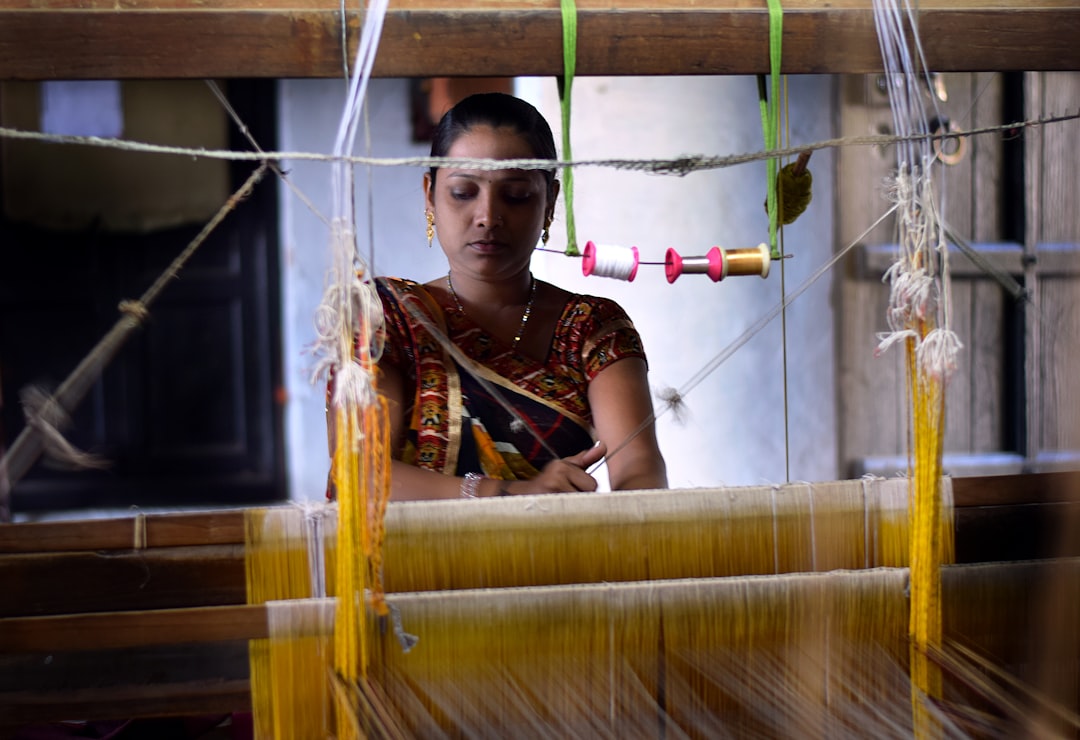
A skilled woman artisan weaving handwoven silk sarees on a traditional loom in India

Silk sarees are not just clothing. They are living proof that India’s greatest art forms are still alive, still worn, and still worth every rupee.

What makes handwoven silk sarees different

Silk sarees are traditional Indian garments made from pure or blended silk, often handwoven by skilled artisans. The word “handwoven” matters. Handwoven sarees are made slowly on traditional looms by skilled weaving families. Each region has its own weaving identity, motifs, dyeing methods, and fabric traditions.

Your Local Guide to India Your Local Guide to India Your Local Guide to India

Genuine handwoven motifs and borders usually have a slight texture or irregularity you can feel. Printed or powerloom versions tend to feel flatter and more mechanically uniform. So when you touch a real piece, you feel the difference immediately. Depending on complexity, a saree can take from 15 days to 6 months to complete. Intricate types like Patola or Banarasi require months of weaving.

The saree industry in India remains deeply rooted in regional weaving traditions while simultaneously adapting to shifting consumer preferences toward convenience, digital shopping, and sustainable production. Choosing a handwoven silk saree today is also a conscious choice for slow fashion and artisan livelihoods.

The 5 great traditions you need to know

There are at least 26 well-documented types of silk sarees in India, each from a distinct weaving tradition, geographic origin, and silk type. Among them, 5 stand above all others in terms of history, craft complexity, and cultural significance.

Banarasi, Uttar Pradesh: Banarasi sarees are silk sarees woven in Varanasi with zari work and Mughal-inspired motifs. The intricate brocade patterns, often featuring floral jaal, kalga, and bel designs, have made Banarasi sarees a timeless choice for brides across India for centuries.

Kanjivaram, Tamil Nadu: Hailing from Kanchipuram in Tamil Nadu, Kanjivaram sarees are renowned for their high-quality silk and elaborate temple-inspired designs. The weaving tradition dates back over 400 years and is deeply rooted in South Indian heritage. The border and the pallu are woven separately and later joined together.

Patola, Gujarat: The Patan Patola from Gujarat is consistently the most expensive handwoven silk saree in India, with genuine pieces starting at INR 1,00,000 and reaching up to INR 7,00,000. This is a double-ikat technique, where both warp and weft threads are resist-dyed before weaving.

Paithani, Maharashtra: Paithani sarees are silk sarees woven with peacock and zari motifs. Originating in the ancient town of Paithan on the banks of the Godavari, these sarees were once gifted to royalty and remain one of Maharashtra’s most treasured bridal heirlooms.

Chanderi, Madhya Pradesh: Chanderi sarees are lightweight silk-cotton sarees woven in Chanderi town. Their translucent texture and delicate zari borders give them a sheer, luminous quality that makes them equally suited for formal occasions and relaxed festive gatherings.

How to identify an authentic piece

Authenticity is the biggest challenge for buyers today. The Silk Mark is an official certification issued by the Silk Mark Organization of India that guarantees a product is made from 100 percent pure natural silk. It verifies fibre purity, weave authenticity, and quality standards. Silk Mark certification protects buyers from artificial or blended silk.

Additionally, look at the reverse side of the fabric. When in doubt, check the back of the fabric. Handwoven techniques almost always show something on the reverse that a print cannot replicate. For zari-heavy varieties like Banarasi and Kanjivaram, pure silks like Kanjivaram, Banarasi, and Patola usually call for dry cleaning to protect the zari and the dye.

Finally, always buy from a weaver cooperative, a government-certified outlet, or a seller who names the weaving cluster. This protects your money and the artisan family behind the cloth.


-

A woman draping a handloom saree at home as part of her festive reset before the celebration season in India

Festive reset: home and wardrobe in India

18/09/2026
A woman in an Indian kitchen assembling a zero-chemical cleaning kit with lemon, baking soda, and vinegar on the counter

Zero-chemical cleaning kit for Indian homes

05/09/2026
An Indian woman writing a meal plan at her kitchen table, working to reduce food waste before the festive season begins.

Food waste tips for India’s festive season

27/08/2026
A woman wearing a breathable handloom kurta at an Indian festive gathering, showcasing festive fashion.

Festive fashion tips for humid August days

18/08/2026
An Indian woman carrying a reusable cotton bag at a local vegetable market, embracing zero waste shopping habits.

Zero waste swaps for Indian households

07/08/2026
A young Indian woman in a flowy kurta walking confidently, showcasing practical and stylish monsoon outfits

Monsoon outfits that dry fast and look great

03/08/2026

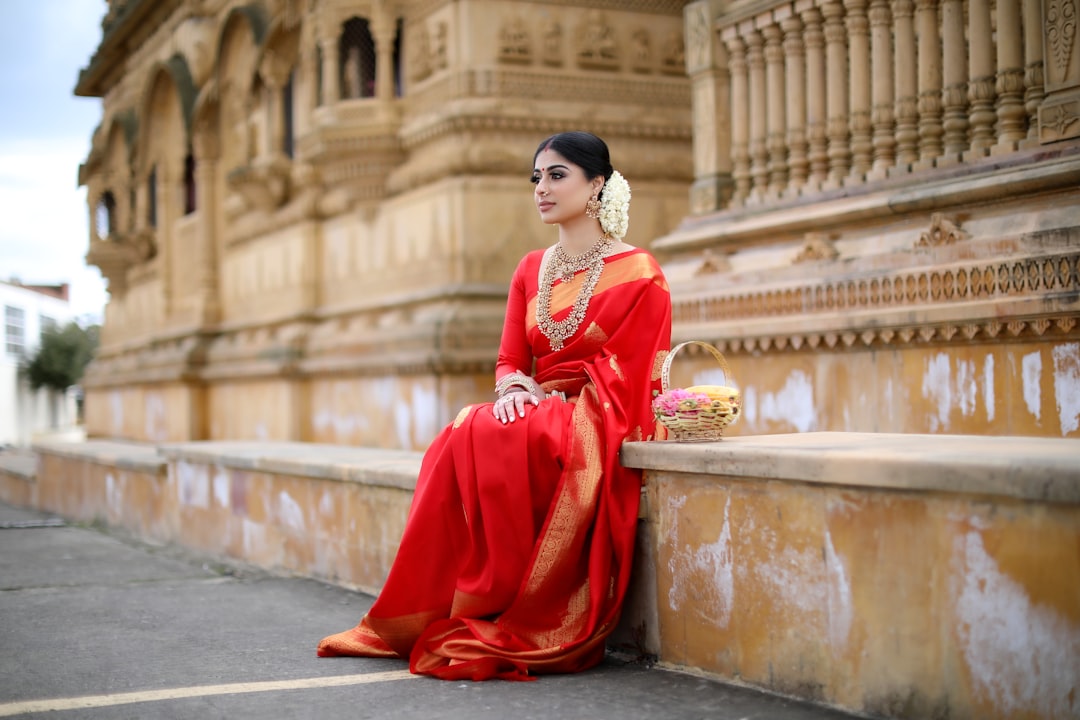
A woman in a vibrant handwoven silk saree standing at a South Indian temple

Expert perspective on handloom silk sarees

India’s handloom tradition is not a relic. It is an active, breathing economy that supports millions of weaving families across the country. When a buyer chooses a genuine handwoven silk saree over a powerloom copy, they are not just making a fashion decision. They are making an economic one. The price difference reflects months of skilled labor, rare raw materials, and knowledge passed through generations. Buyers who understand this shop differently. They ask about the weaving cluster, the artisan community, and the certifications. That level of awareness is growing, especially among younger consumers who connect sustainability with cultural pride. That is genuinely exciting for the future of Indian handloom.

Industry perspective, handloom sustainability and textile heritage professionals in India

Why silk sarees are a sustainable choice

Across India and even internationally, beautifully woven handloom sarees are becoming wardrobe investments rather than occasional purchases. This is not just a fashion trend. It is a values shift. A handwoven silk saree uses natural fiber, supports traditional artisan knowledge, and lasts for decades with proper care.

The sector benefits from government policy support for handloom artisans, growing appreciation for heritage textiles among younger demographics, and increasing global recognition of Indian textile craft. Furthermore, competition centers primarily on product differentiation, unique design elements, fabric innovation, and artisan heritage storytelling rather than pure price competition.

Silk sarees are not just garments. They are living heirlooms, embodying centuries of Indian artistry and tradition. Choosing one is also choosing to keep that tradition alive for the next generation.


An Indian bride draped in handwoven silk sarees with golden zari embroidery at a wedding ceremony

Conclusion

Silk sarees represent India at its most creative, patient, and proud. Each of the 5 great traditions covered here tells a different regional story, but all share the same foundation: human skill, natural materials, and centuries of knowledge. Whether you are buying your first silk saree or adding to a lifelong collection, look for the Silk Mark, know your weaving cluster, and wear the cloth with the pride it deserves. Silk sarees are not preserved in museums. They belong on you, right now, in modern India.

Discover more about silk sarees

  • Office of the Development Commissioner for Handlooms, Ministry of Textiles, Government of India
  • India Saree Market Research Report 2026, 2034, IMARC Group
  • The Saree Trend Nobody Saw Coming in 2026, Sanskriti Cuttack

author avatar
Arjun Mehta
Arjun Mehta is a Mumbai-based journalist with a background in economics from IIM Ahmedabad. He writes about India's startup ecosystem, foreign investment landscape, and the country's rapid digital transformation. His work blends sharp market analysis with real stories from entrepreneurs building India's next chapter.
See Full Bio
Previous Post

Festive fashion tips for humid August days

Next Post

Restorative yoga for post-monsoon fatigue

Related Posts

A woman draping a handloom saree at home as part of her festive reset before the celebration season in India
Sustainable living

Festive reset: home and wardrobe in India

18/09/2026
A woman in an Indian kitchen assembling a zero-chemical cleaning kit with lemon, baking soda, and vinegar on the counter
Sustainable living

Zero-chemical cleaning kit for Indian homes

05/09/2026
An Indian woman writing a meal plan at her kitchen table, working to reduce food waste before the festive season begins.
Sustainable living

Food waste tips for India’s festive season

27/08/2026
A woman wearing a breathable handloom kurta at an Indian festive gathering, showcasing festive fashion.
Sustainable living

Festive fashion tips for humid August days

18/08/2026
An Indian woman carrying a reusable cotton bag at a local vegetable market, embracing zero waste shopping habits.
Sustainable living

Zero waste swaps for Indian households

07/08/2026
Next Post
A woman practicing restorative yoga on a bolster at home during the post-monsoon season in India

Restorative yoga for post-monsoon fatigue

Leave a Reply Cancel reply

Your email address will not be published. Required fields are marked *

Truelang AI WordPress Translation Plugin Truelang AI WordPress Translation Plugin Truelang AI WordPress Translation Plugin
No Result
View All Result

Our Focus

INDIAwebzine is your international window on India: sustainable lifestyle, business, culture, sports and events for a global audience drawn to the subcontinent's vibrant and diverse scene.

Our Readers

INDIAwebzine addresses readers who engage with India at a high level: professionally, financially, strategically, and as decision-makers in their fields.

Our Approach

Lifestyle, travel, and culture are integrated as context and indicators of economic dynamism, purchasing power, and soft power — not standalone entertainment.

Recent Posts

  • Block printing at home with Indian stamps
  • Festive reset: home and wardrobe in India

© 2025 INDIAwebzine by NOOR & NOOR.

Welcome Back!

Login to your account below

Forgotten Password? Sign Up

Create New Account!

Fill the forms bellow to register

All fields are required. Log In

Retrieve your password

Please enter your username or email address to reset your password.

Log In
Manage Consent
To provide the best experiences, we use technologies like cookies to store and/or access device information. Consenting to these technologies will allow us to process data such as browsing behavior or unique IDs on this site. Not consenting or withdrawing consent, may adversely affect certain features and functions.
Functional Always active
The technical storage or access is strictly necessary for the legitimate purpose of enabling the use of a specific service explicitly requested by the subscriber or user, or for the sole purpose of carrying out the transmission of a communication over an electronic communications network.
Preferences
The technical storage or access is necessary for the legitimate purpose of storing preferences that are not requested by the subscriber or user.
Statistics
The technical storage or access that is used exclusively for statistical purposes. The technical storage or access that is used exclusively for anonymous statistical purposes. Without a subpoena, voluntary compliance on the part of your Internet Service Provider, or additional records from a third party, information stored or retrieved for this purpose alone cannot usually be used to identify you.
Marketing
The technical storage or access is required to create user profiles to send advertising, or to track the user on a website or across several websites for similar marketing purposes.
  • Manage options
  • Manage services
  • Manage {vendor_count} vendors
  • Read more about these purposes
View preferences
  • {title}
  • {title}
  • {title}
No Result
View All Result
  • Home
    • Our Authors
    • Media Kit
    • Contact
    • Cookie Policy
    • Terms and Conditions
  • News
  • Business
  • Lifestyle
    • Gastronomy
    • Sustainable living
    • Well-being
  • Culture
  • Sports
  • Travel
  • Global India
  • Insights
  • Local Guide
    • Activities in India
    • Hotels in India
    • Nightlife in India
    • Restaurants in India
    • Services in India
    • Shopping in India

© 2025 INDIAwebzine by NOOR & NOOR.

Verified by MonsterInsights
enEnglishhiहिन्दी