

CONTACT
  • Login
  • Register
Upgrade
INDIAwebzine
Advertisement
  • Home
    • Our Authors
    • Media Kit
    • Contact
    • Cookie Policy
    • Terms and Conditions
  • News
  • Business
  • Lifestyle
    • Gastronomy
    • Sustainable living
    • Well-being
  • Culture
  • Sports
  • Travel
  • Global India
  • Insights
  • Local Guide
    • Activities in India
    • Hotels in India
    • Nightlife in India
    • Restaurants in India
    • Services in India
    • Shopping in India
  • Home
    • Our Authors
    • Media Kit
    • Contact
    • Cookie Policy
    • Terms and Conditions
  • News
  • Business
  • Lifestyle
    • Gastronomy
    • Sustainable living
    • Well-being
  • Culture
  • Sports
  • Travel
  • Global India
  • Insights
  • Local Guide
    • Activities in India
    • Hotels in India
    • Nightlife in India
    • Restaurants in India
    • Services in India
    • Shopping in India
No Result
View All Result
INDIAwebzine
No Result
View All Result
Home Luxury Lifestyle Sustainable living

Rooftop solar in India: a buyer’s checklist

0
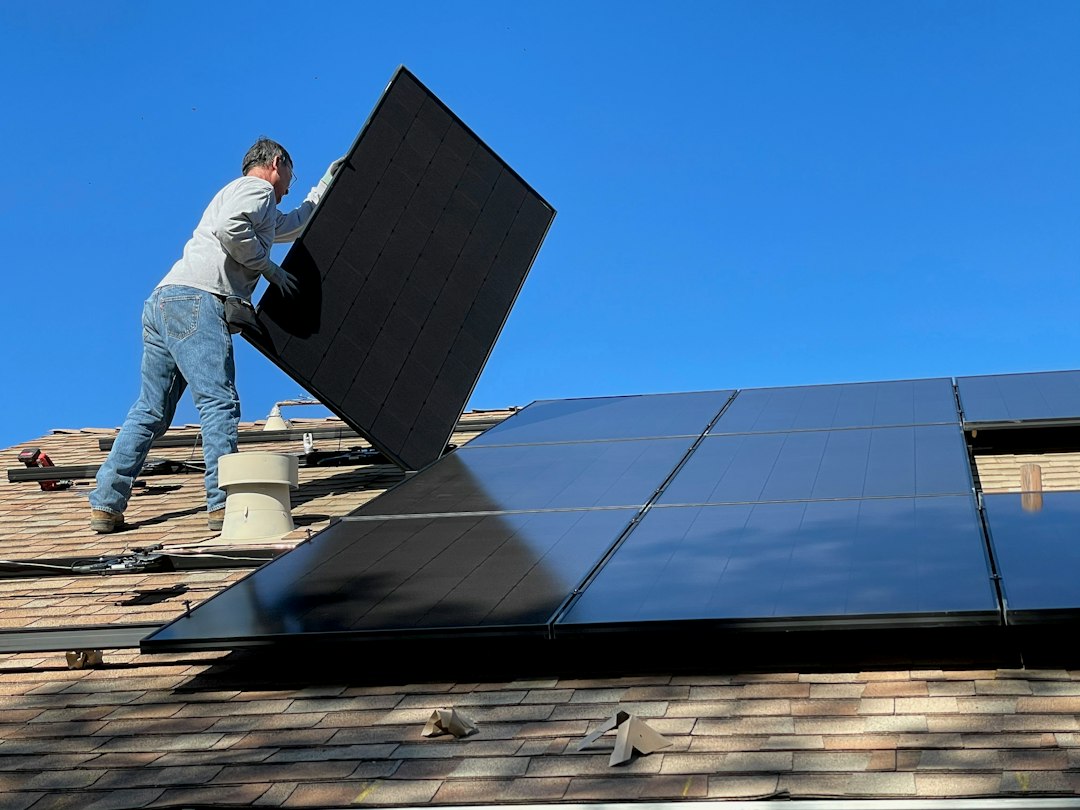
Homeowner inspecting a rooftop solar panel installation on an Indian house

#image_title

How much will a rooftop solar system actually cost you, and what subsidy can you claim? Most Indian homeowners ask this before anything else, and the answer depends on three numbers: your monthly electricity bill, your roof space, and your DISCOM's rules. The PM Surya Ghar Muft Bijli Yojana offers a central subsidy of up to ₹78,000, but only if you follow its exact requirements. This checklist walks through the subsidy math, the real cost after discounts, a common mistake that forfeits the money, and the steps to take before you sign a vendor contract.

How much subsidy can you claim under PM Surya Ghar?

The scheme was approved on 29 February 2024 with an outlay of ₹75,021 crore and is being implemented through Ministry of New and Renewable Energy (MNRE) till financial year 2026-27. The subsidy structure is fixed by system size, not negotiable by vendor. For a system up to 2 kW, you receive Rs. 30,000 per kW (60% of standard cost). For the third kilowatt, the rate drops to Rs. 18,000 for the additional kW (40% of standard cost), and the maximum cap stands at Rs. 78,000 regardless of how large the system is beyond 3 kW.

This cap also sets the free electricity you receive each month. A 3 kW system and above typically delivers 300 or more free units a month once the installation is live and billed under net metering. If you live in a group housing society, the rules change slightly: Group Housing Societies and Resident Welfare Associations can apply for common-area installations up to 500 kW, with a subsidy of Rs.18,000 per kW for common facilities.

Your Local Guide to India Your Local Guide to India Your Local Guide to India

Some states add their own top-up on the central amount. Delhi's revised policy, amended on 16 July 2025, offers a capital subsidy for residential rooftop systems of ₹10,000 per consumer, on top of the central Rs. 78,000. Before you assume a figure, check your own state's energy department portal, because the add-on varies by state and sometimes by DISCOM zone within the same state.
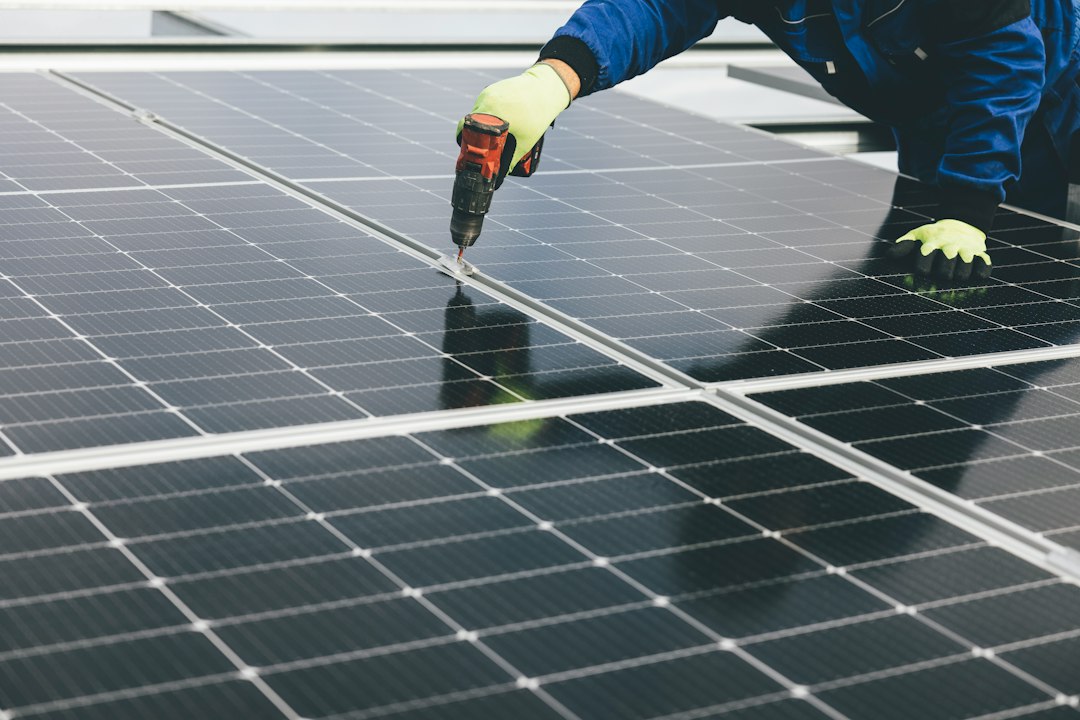
Technician installing rooftop solar panels on a residential roof in India

What a 3 kW rooftop solar system really costs after subsidy

Market prices vary by brand and city, but the range is now fairly settled. All-inclusive rooftop installations in 2026 generally range from ₹42,000 to ₹62,000 per kW, with smaller installations carrying a slightly higher per-kilowatt cost due to fixed overheads like bidirectional net metering setup. On the higher end, households pay an average of ₹55,000 to ₹75,000 per kW before subsidies, but can recover up to ₹78,000 of their investment via direct government DBT subsidies.

Work through a 3 kW example. At the upper cost band, gross price lands near ₹2 lakh. Subtract the Rs. 78,000 central subsidy and any state top-up, and your out-of-pocket cost falls close to ₹1 lakh to ₹1.2 lakh, before financing.

If you do not want to pay the full amount upfront, a loan route exists. Collateral-free solar loans are available at approximately 7% interest for systems up to 3 kW, through public sector banks. One cost buyers often forget is the meter itself. To enable net metering, a bidirectional meter must be installed and commissioned by the local DISCOM, costing between ₹4,000 and ₹8,000 including inspection fees. Once the DISCOM confirms the installation, the subsidy is credited to your bank account 30 to 45 days after DISCOM inspection.

Indian family reviewing electricity bill savings after rooftop solar installation

Read also

  • A weaver at her loom building handloom inventory ahead of the festive season in a traditional Indian weaving village.Handloom inventory prep for festive season26/09/2026
  • A woman draping a handloom saree at home as part of her festive reset before the celebration season in IndiaFestive reset: home and wardrobe in India18/09/2026
  • A woman in an Indian kitchen assembling a zero-chemical cleaning kit with lemon, baking soda, and vinegar on the counterZero-chemical cleaning kit for Indian homes05/09/2026
  • An Indian woman writing a meal plan at her kitchen table, working to reduce food waste before the festive season begins.Food waste tips for India’s festive season27/08/2026
  • A skilled woman artisan weaving handwoven silk sarees on a traditional loom in IndiaSilk sarees: India’s 5 great weaving traditions19/08/2026
  • A woman wearing a breathable handloom kurta at an Indian festive gathering, showcasing festive fashion.Festive fashion tips for humid August days18/08/2026

The ALMM rule most buyers miss

Here is where many applications fail, and it has nothing to do with the panel's wattage or brand name. Only ALMM-listed inverters and panels qualify, and a non-ALMM inverter is the single most common reason claims get rejected. ALMM stands for the Approved List of Models and Manufacturers, a quality register maintained by MNRE, and installers sometimes quote cheaper non-listed components without flagging the risk.

Vendor status matters just as much as the panel model. During inspection, the inspector checks the vendor's registration on the portal, and if your installer is not empanelled, the commissioning report is invalid and the subsidy is rejected entirely. Ask any vendor for their empanelment number before signing, and verify it yourself on the national portal rather than taking their word for it.


-

A weaver at her loom building handloom inventory ahead of the festive season in a traditional Indian weaving village.

Handloom inventory prep for festive season

26/09/2026
A woman draping a handloom saree at home as part of her festive reset before the celebration season in India

Festive reset: home and wardrobe in India

18/09/2026
A woman in an Indian kitchen assembling a zero-chemical cleaning kit with lemon, baking soda, and vinegar on the counter

Zero-chemical cleaning kit for Indian homes

05/09/2026
An Indian woman writing a meal plan at her kitchen table, working to reduce food waste before the festive season begins.

Food waste tips for India’s festive season

27/08/2026
A skilled woman artisan weaving handwoven silk sarees on a traditional loom in India

Silk sarees: India’s 5 great weaving traditions

19/08/2026
A woman wearing a breathable handloom kurta at an Indian festive gathering, showcasing festive fashion.

Festive fashion tips for humid August days

18/08/2026

The rules are also tightening further. ALMM List-II for cells becomes mandatory for net-metered projects commissioned after December 31, 2026, so a system that qualifies today may need a different component mix if your installation slips past that date. There is also a new procedural step to watch for. From 23 September 2026, MNRE has made consumer approval of the vendor-consumer agreement mandatory on the PM Surya Ghar portal, meaning your application will stall if you skip this confirmation.

What this means for your rooftop solar decision

Start with the portal, not the vendor. Go to pmsuryaghar.gov.in, click "Apply for Rooftop Solar," then select your State, District, and electricity Distribution Company, and enter your Consumer Account Number exactly as printed on your latest electricity bill, since one wrong digit fails DISCOM verification. Do this before you agree to any quote, because the subsidy is tied to this registration, not to the vendor's paperwork.

Check your roof next. You need adequate shade-free rooftop space, approximately 80 to 100 square feet per kW of installed capacity, though this can vary with panel efficiency. Match the system size to your average monthly units: a 1-2 kW system suits homes using up to 150 units, while 3 kW fits homes above 300 units a month, since that is also where the subsidy caps out.

Before you sign anything, confirm three things in writing: the vendor's empanelment number, the ALMM listing of the exact panel and inverter model, and the expected DISCOM inspection date. Only after those three are confirmed does it make sense to pay even the advance. A rooftop solar system saves money reliably, but only when the paperwork behind it is as solid as the panels on your roof.

Learn more about rooftop solar

  • PM Surya Ghar: Muft Bijli Yojana – Ministry of Power Official
  • Ministry of New and Renewable Energy – Solar Energy
  • Rooftop solar power overview
Previous Post

Handloom inventory prep for festive season

Next Post

Repo rate decision: what borrowers should do

Related Posts

A weaver at her loom building handloom inventory ahead of the festive season in a traditional Indian weaving village.
Sustainable living

Handloom inventory prep for festive season

26/09/2026
A woman draping a handloom saree at home as part of her festive reset before the celebration season in India
Sustainable living

Festive reset: home and wardrobe in India

18/09/2026
A woman in an Indian kitchen assembling a zero-chemical cleaning kit with lemon, baking soda, and vinegar on the counter
Sustainable living

Zero-chemical cleaning kit for Indian homes

05/09/2026
An Indian woman writing a meal plan at her kitchen table, working to reduce food waste before the festive season begins.
Sustainable living

Food waste tips for India’s festive season

27/08/2026
A skilled woman artisan weaving handwoven silk sarees on a traditional loom in India
Sustainable living

Silk sarees: India’s 5 great weaving traditions

19/08/2026
Next Post
RBI Governor announcing the repo rate decision in New Delhi

Repo rate decision: what borrowers should do

Leave a Reply Cancel reply

Your email address will not be published. Required fields are marked *

Truelang AI WordPress Translation Plugin Truelang AI WordPress Translation Plugin Truelang AI WordPress Translation Plugin
No Result
View All Result

Our Focus

INDIAwebzine is your international window on India: sustainable lifestyle, business, culture, sports and events for a global audience drawn to the subcontinent's vibrant and diverse scene.

Our Readers

INDIAwebzine addresses readers who engage with India at a high level: professionally, financially, strategically, and as decision-makers in their fields.

Our Approach

Lifestyle, travel, and culture are integrated as context and indicators of economic dynamism, purchasing power, and soft power — not standalone entertainment.

Recent Posts

  • Repo rate decision: what borrowers should do
  • Rooftop solar in India: a buyer’s checklist

© 2025 INDIAwebzine by NOOR & NOOR.

Welcome Back!

Login to your account below

Forgotten Password? Sign Up

Create New Account!

Fill the forms bellow to register

All fields are required. Log In

Retrieve your password

Please enter your username or email address to reset your password.

Log In
Manage Consent
To provide the best experiences, we use technologies like cookies to store and/or access device information. Consenting to these technologies will allow us to process data such as browsing behavior or unique IDs on this site. Not consenting or withdrawing consent, may adversely affect certain features and functions.
Functional Always active
The technical storage or access is strictly necessary for the legitimate purpose of enabling the use of a specific service explicitly requested by the subscriber or user, or for the sole purpose of carrying out the transmission of a communication over an electronic communications network.
Preferences
The technical storage or access is necessary for the legitimate purpose of storing preferences that are not requested by the subscriber or user.
Statistics
The technical storage or access that is used exclusively for statistical purposes. The technical storage or access that is used exclusively for anonymous statistical purposes. Without a subpoena, voluntary compliance on the part of your Internet Service Provider, or additional records from a third party, information stored or retrieved for this purpose alone cannot usually be used to identify you.
Marketing
The technical storage or access is required to create user profiles to send advertising, or to track the user on a website or across several websites for similar marketing purposes.
  • Manage options
  • Manage services
  • Manage {vendor_count} vendors
  • Read more about these purposes
View preferences
  • {title}
  • {title}
  • {title}
No Result
View All Result
  • Home
    • Our Authors
    • Media Kit
    • Contact
    • Cookie Policy
    • Terms and Conditions
  • News
  • Business
  • Lifestyle
    • Gastronomy
    • Sustainable living
    • Well-being
  • Culture
  • Sports
  • Travel
  • Global India
  • Insights
  • Local Guide
    • Activities in India
    • Hotels in India
    • Nightlife in India
    • Restaurants in India
    • Services in India
    • Shopping in India

© 2025 INDIAwebzine by NOOR & NOOR.

Verified by MonsterInsights
enEnglishhiहिन्दी