

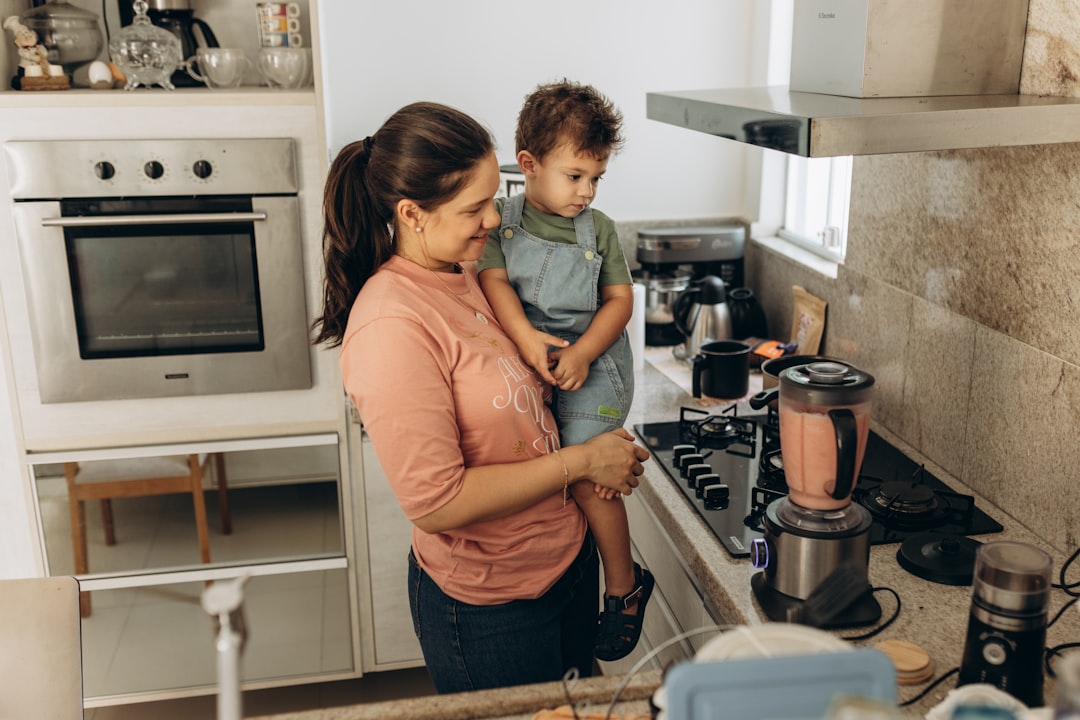
Science experiments done at home are one of the most powerful gifts India’s kitchens quietly offer every child, turning turmeric, dahi, and baking soda into tools of genuine discovery.
Why the Indian kitchen is a perfect science lab
India’s culinary tradition has always been a living chemistry class. Our grandmothers knew that turmeric fights bacteria, that dahi is made through fermentation, and that tamarind dissolves metals. We simply did not call it science. Today, we can.

Educators and policymakers now recognise a simple truth: children learn best when they can explore, experiment, and discover ideas on their own. The Indian kitchen makes that possible every single day. The ingredients you already stock at home are enough.
India’s NEP 2020 implementation explicitly encourages Activity-Based Learning from primary school onwards. Many CBSE schools have introduced STEM labs and maker spaces, but access remains uneven, particularly in Tier 2 and Tier 3 cities. Home-based science fills this gap powerfully.
Experiments 1 to 4: chemistry and reactions
Experiment 1: Turmeric acid tester. Mix 1 teaspoon of turmeric in water to make a pale yellow liquid. Dip white paper strips into it and let them dry. Now drop lemon juice on one strip and soap solution on another. When a child watches turmeric paste turn red in a soap solution, they are not memorising the definition of an indicator. They are discovering it. Turmeric is a natural pH indicator, a concept taught in Class 7 science.
Experiment 2: Baking soda volcano. Pack clay into a volcano shape around a small cup. Add 2 tablespoons of baking soda. No list of science experiments at home is complete without the baking soda volcano. It never gets old because the chemistry behind it is genuinely fascinating. Pour in white vinegar and watch carbon dioxide push the lava outward.
Experiment 3: Dahi fermentation watch. Warm a cup of full-fat milk to body temperature. Add 1 teaspoon of existing dahi as a starter culture. Cover the cup and leave it in a warm spot for 6 to 8 hours. Milk curdles into creamy dahi through a process that is real, observable science happening right in your kitchen. Children learn about microorganisms and fermentation in a direct, edible way.

Experiment 4: Salt and density tower. Fill 3 identical glasses with water. Add no salt to the first, 2 teaspoons to the second, and 4 teaspoons to the third. Add a drop of food colour to each. Carefully pour them into 1 tall glass using the back of a spoon, starting with the most salty. Children can explore solubility by testing what common kitchen ingredients dissolve in water, including salt, sugar, flour, and baking soda. The coloured layers stay separate because denser liquid sinks.
Expert perspective on hands-on learning in India
India’s children arrive at the kitchen with an instinct for science already in place. They observe steam, they ask why dough rises, and they notice that milk changes when it meets lemon juice. The challenge for parents is not to manufacture curiosity but to honour it with a real response. When a child performs a simple experiment using turmeric or baking soda, something important happens: the abstract idea in the textbook becomes a felt experience. That experience creates a memory that no exam revision can replicate. Hands-on kitchen science also builds something equally valuable, which is confidence. A child who has made dahi from scratch, or watched a balloon inflate from yeast and sugar, understands that science is not a subject reserved for laboratories or toppers. It belongs to everyone.
Industry perspective, STEM education and experiential learning professionals in India
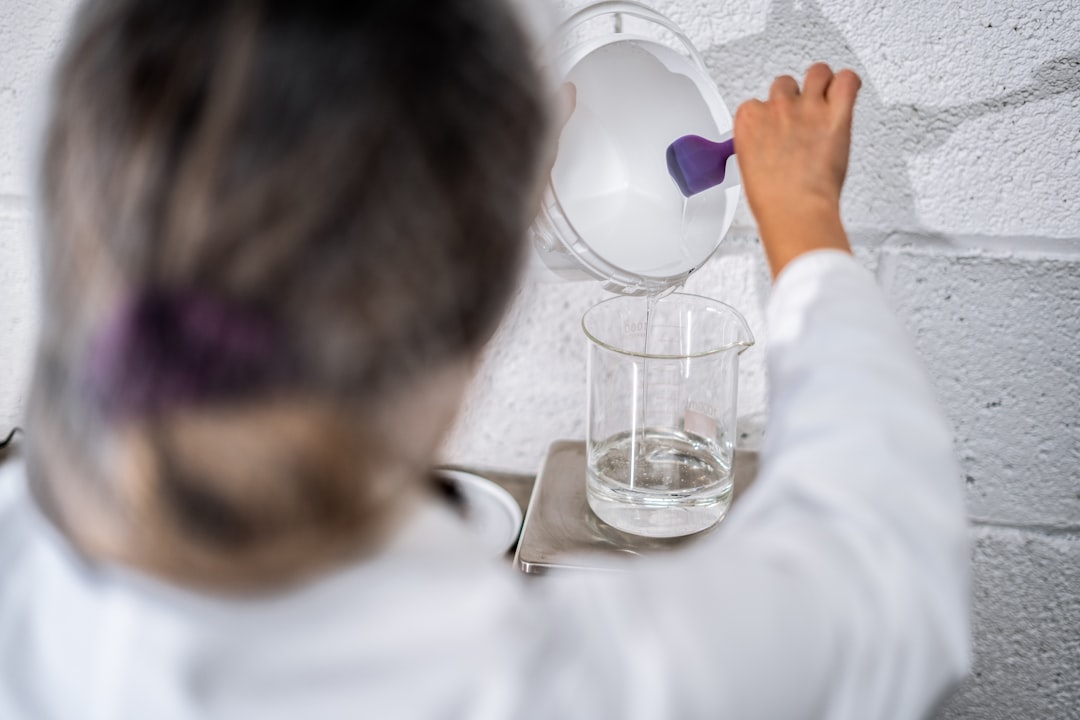
Experiments 5 to 8: biology and physics
Experiment 5: Bean seed in a jar. Take a clear glass jar and place a few cotton balls inside it. Tuck a bean seed between the cotton and the side of the jar so it is visible. Add a little water to keep the cotton moist and position the jar near a window. Over 5 to 7 days, children watch the root grow down and the shoot grow up. This teaches them about germination and gravity response in plants.
Experiment 6: Yeast balloon inflation. Fill a small bottle with warm water. Add 1 teaspoon of sugar and half a teaspoon of dry yeast. Stretch a balloon over the mouth of the bottle and wait. The yeast feeds on the sugar and releases carbon dioxide gas. This gas causes the balloon to inflate. This reaction helps children understand the process of fermentation in a clear, visible way.
Experiment 7: Floating egg test. Fill 2 glasses with water. Add 4 teaspoons of salt to one glass and stir well. Place a raw egg in each glass. The egg sinks in plain water and floats in the salt water. Children learn that salt lowers the density of water, which allows denser objects to float that would normally sink. This connects directly to the concept of buoyancy in the Class 5 and 6 curriculum.
Experiment 8: Milk and lemon plastic. Heat 1 cup of milk until it is warm. Add 4 teaspoons of white vinegar or lemon juice and stir gently. The milk separates into soft lumps. Drain the liquid, collect the lumps, and press them into a shape. Leave the shape to dry for 2 days. Children learn about emulsification and how proteins change structure when they meet acid. The result is a small piece of simple bioplastic that they made themselves.


Conclusion: science experiments start in your kitchen
Studies show that engaging in practical activities significantly boosts cognitive development, problem-solving skills, and a child’s natural curiosity. Science experiments are guided play that allows children to explore concepts through observation and active participation, making learning both memorable and exciting.
These 8 science experiments show that real learning does not need a special room or expensive tools. India’s kitchen, filled with turmeric, dahi, salt, and lemon, is already a world-class laboratory. Try 1 experiment this weekend with your child. Watch their eyes change when science becomes something they can touch, smell, and taste. Share your results with us in the comments below.
Discover more about science experiments
- India STEM Foundation: Incorporating STEM Learning at Home
- HomeLearning India: DIY Science Experiments Using Indian Kitchen Ingredients
- SchoolMyKids: STEM Activities for Kids at Home, Guide for Indian Parents