


Monsoon proof your home now, before the first cloud breaks, and protect the space where your family gathers, cooks, celebrates, and rests through every season India brings.
Start with the roof and outer walls
The roof is the first place rain attacks. Your roof is your home’s first line of defence against the rain, and without proper waterproofing, water can seep through and cause leaks and dampness. Begin your inspection there. Inspect the roof thoroughly for any damaged or missing shingles, cracks, or leaks, and address them with a suitable filling or a waterproof sealant.

Next, move to the outer walls. Even small cracks in your walls can allow water to seep into your home during the rainy season, so wall crack repair is essential, especially on external walls where exposure to rain is highest. Look for cracks and damages on the exterior walls and fix them before the onset of the monsoon. You can also paint the walls to cover hairline cracks that may otherwise help fungus, weed, and algae to grow.
The best time to apply waterproofing treatment is during dry weather, ideally 2 to 3 months before monsoon season, so the coating cures and is tested before heavy rains arrive. Do not wait for the first leak to act. Prevention costs far less than repair.
Clear your drains and terrace outlets
Blocked drains cause more damage than most homeowners expect. Blocked drains remain one of the biggest causes of leakage during monsoon, as leaves, dust, plastic waste, and construction debris easily clog terrace outlets. Walk your terrace before June and remove every obstruction you find.
Ensure that during heavy rains there is space for water to drain out through pipes properly, so the roof remains clean and dry and does not become waterlogged. Also check balcony drainage channels. Check for any leaks or dampness on walls and ceilings and address them immediately to prevent long-term damage, and ensure that all rainwater drainage systems in balconies and terraces are clear of debris to prevent waterlogging.
This step connects to an old Indian habit: cleaning the home before every season. Our grandmothers swept the courtyard before the first rain. Today we do the same thing, just with a drain rod instead of a broom.

Seal windows, doors, and interior wet zones
Water enters through gaps that are easy to overlook. Start with a thorough inspection of all external openings, including windows, doors, and balconies. Seal any gaps or cracks using weatherproof sealants such as silicone, and add door sweeps and rubber gaskets to prevent rainwater from entering.
Inside the home, bathrooms and kitchens need equal attention. Monsoon moisture affects indoor wet zones too, as bathrooms, kitchens, and utility areas commonly develop seepage during prolonged humidity. If ignored, moisture can spread into adjacent rooms and damage paint, woodwork, and electrical fittings.
Additionally, protect your wooden furniture and surfaces. Wooden furniture often swells and loses its shape due to excessive moisture during the monsoon season. Regularly wipe down wooden surfaces with a dry cloth to remove moisture, and apply waterproof coatings, waxes, or varnishes to protect against dampness and acidic rain.

What waterproofing professionals in India say
Monsoon preparation is not a one-time activity. A homeowner who treats waterproofing as a seasonal ritual will always spend less money over 10 years than one who repairs damage after it happens. The most common mistake we see is treating the terrace and ignoring the external walls entirely. Both need attention before the first shower. In Indian cities, older plaster and exposed masonry absorb moisture very quickly, and once dampness enters the structure, it affects the paint, the wood, the electrics, and eventually the health of the people living inside. A proper inspection in April or May, followed by targeted application of a quality sealant or membrane, gives a home real protection. We also tell clients to check their drainage systems separately, because even perfect waterproofing fails when water has nowhere to go.
Industry perspective, waterproofing and home maintenance professionals in India
Control humidity and improve ventilation
Good airflow stops moisture from building up indoors. Ventilation is important. Leave windows open during dry periods to let fresh air in, and install kitchen and bathroom exhaust fans to keep dampness away. These are simple steps that make a real difference across a long monsoon season.
Using dehumidifiers during monsoon can help control the humidity inside the home and prevent mold growth. For storage spaces, traditional remedies still work well. Place moisture absorbers like silica gel, bags of salt, activated charcoal sachets, and chalk sticks inside your wardrobe to keep them dry. Our ancestors stored rice and lentils with neem leaves for similar reasons. Modern science confirms the wisdom.
Clean surfaces often using microfiber cloths to absorb moisture. Spray anti-fungal or anti-mildew solutions in hidden corners, storage units, and behind furniture. Avoid clutter, especially in dark or poorly ventilated areas, where mold can easily grow.
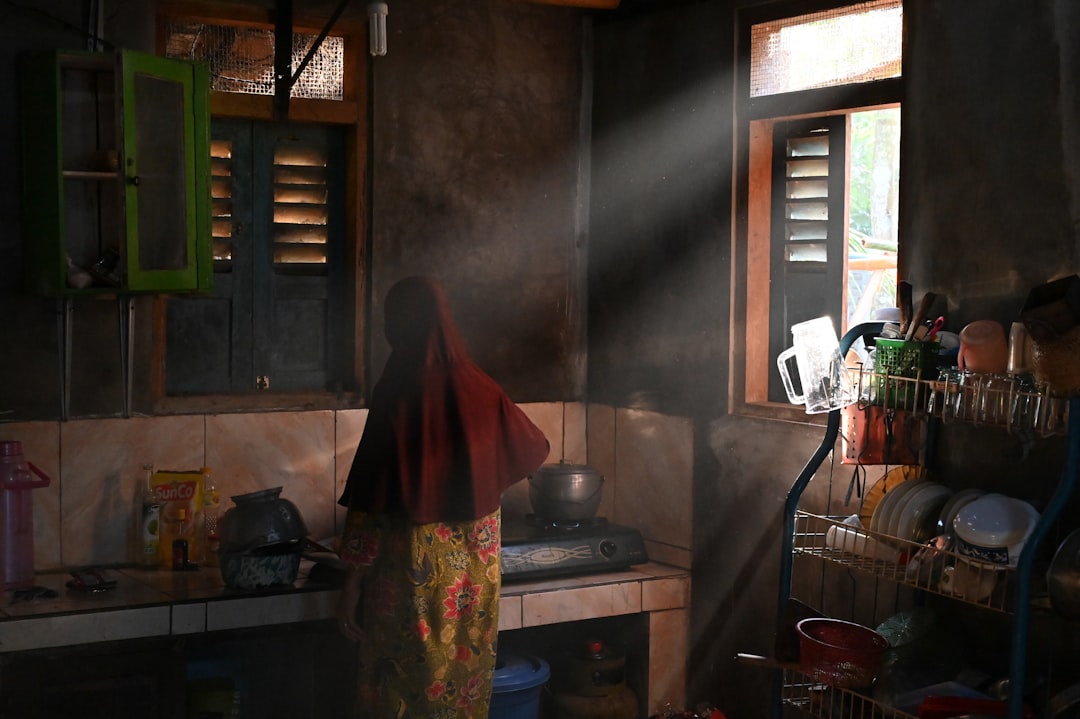




Monsoon proof your home, and enjoy the season
Check IMD updates regularly to time your final preparation before the rains arrive. Every household that takes these steps can truly enjoy the sound of rain on the roof.
Monsoon proof your home before June, and you protect not just the structure but the warmth inside it. India’s rains are a gift. Prepare with care, and the season becomes exactly what it should be: a time of chai, conversation, and deep comfort inside walls that hold strong.
Discover more about monsoon proof
- India Meteorological Department: Monsoon Information and Forecasts
- IMD Monsoon 2025 Report: Rainfall Data and Regional Analysis
- Outlook India: Monsoon-Proofing Your Home with Moisture-Resistant Materials