


फिल्म उद्योग भारतीय मनोरंजन पर क्यों हावी है?
भारत के फिल्म उद्योग की सफलता फिल्मों और दर्शकों के बीच गहरे सांस्कृतिक संबंध से उपजी है। इसके अलावा, सिनेमा लाखों लोगों के लिए किफायती मनोरंजन प्रदान करता है जिससे यह सार्वभौमिक रूप से सुलभ मनोरंजन बन जाता है। यह जन अपील पूरे पारिस्थितिकी तंत्र का समर्थन करते हुए विश्वसनीय राजस्व धाराएं बनाती है।

इसके अतिरिक्त, बॉलीवुड से परे क्षेत्रीय फिल्म उद्योग का विकास सामग्री और राजस्व स्रोतों में विविधता लाता है। उदाहरण के लिए, तमिल, तेलुगु और मलयालम सिनेमा हर साल स्वतंत्र रूप से अरबों उत्पन्न करते हैं। यह भाषाई विविधता एक राष्ट्र के भीतर कई फलते-फूलते बाजारों को प्रभावी ढंग से सुनिश्चित करती है।
इस बीच, अंतरराष्ट्रीय पुरस्कारों के माध्यम से वैश्विक मान्यता भारत के फिल्म उद्योग की प्रतिष्ठा को काफी ऊपर उठाती है। विशेष रूप से, आरआरआर जैसी फिल्में और हाल के ऑस्कर जीत अंतरराष्ट्रीय निवेश हित को आकर्षित करते हैं। यह सत्यापन भारतीय सामग्री के लिए नए बाजार और वितरण चैनल खोलता है।
फिल्म उद्योग के राजस्व और निवेश को क्या बढ़ावा देता है?
सिनेमाघर रिलीज़ स्ट्रीमिंग प्लेटफॉर्म की वृद्धि के बावजूद फिल्म उद्योग के राजस्व चालकों के रूप में महत्वपूर्ण बने हुए हैं। इसके अलावा, पाठान और जवान जैसी ब्लॉकबस्टर फिल्मों की घरेलू कमाई ₹500-1,000+ करोड़ होती है। ये बॉक्स ऑफिस संख्याएं गुणवत्ता वाले सिनेमाघर अनुभवों के लिए दर्शकों की निरंतर भूख का प्रदर्शन करती हैं।
इसके अलावा, OTT प्लेटफॉर्म सामग्री लाइसेंसिंग और मूल कार्यक्रमों के माध्यम से फिल्म उद्योग अर्थशास्त्र में क्रांति लाते हैं। उदाहरण के लिए, स्ट्रीमिंग अधिकार अब प्रमुख रिलीज़ के लिए ₹50-150 करोड़ प्राप्त करते हैं। यह गारंटीकृत राजस्व उत्पादन जोखिम को कम करता है जिससे अधिक विविध सामग्री निर्माण को प्रोत्साहन मिलता है।
अंतर्राष्ट्रीय वितरण समय के साथ घरेलू बाजारों से परे फिल्म उद्योग के राजस्व का काफी विस्तार करता है। विशेष रूप से, भारतीय फिल्में अब 100+ देशों में एक साथ रिलीज होती हैं जिससे महत्वपूर्ण कमाई होती है। यह वैश्विक पहुंच उत्पादन निवेश पर संभावित रिटर्न को नाटकीय रूप से गुणा करती है।


सामग्री उत्पादन आर्थिक अवसर कैसे पैदा करता है?
प्रोडक्शन हाउस और स्टूडियो फिल्म उद्योग के अर्थशास्त्र को बढ़ावा देते हैं जो कई भूमिकाओं में हजारों लोगों को रोजगार देते हैं। इसके अलावा, यश राज फिल्म्स और धर्मा प्रोडक्शंस जैसे प्रमुख स्टूडियो साल भर काम करते हैं। ये कंपनियां विशिष्ट परियोजनाओं के लिए विशेषज्ञों को अनुबंधित करते हुए स्थायी कर्मचारियों को बनाए रखती हैं।
इसके अलावा, स्वतंत्र फिल्म उद्योग निर्माता बैंकों सहित कई चैनलों के माध्यम से वित्तपोषण तक पहुंचते हैं। उदाहरण के लिए, उत्पादन बजट छोटी फिल्मों के लिए ₹5 करोड़ से लेकर ब्लॉकबस्टर के लिए ₹300+ करोड़ तक होते हैं। यह वित्तीय पारिस्थितिकी तंत्र विभिन्न दर्शकों को संबोधित करने वाली विविध सामग्री का समर्थन करता है।






पोस्ट-प्रोडक्शन और वीएफएक्स स्टूडियो पूरे भारत में फिल्म उद्योग मूल्य श्रृंखलाओं में महत्वपूर्ण योगदान करते हैं। वास्तव में, भारतीय वीएफएक्स कंपनियां घरेलू प्रस्तुतियों के साथ-साथ अंतरराष्ट्रीय परियोजनाओं पर भी काम करती हैं। यह क्षमता भारत को उच्च-मूल्य वाली नौकरियां पैदा करने वाले वैश्विक पोस्ट-प्रोडक्शन हब के रूप में स्थापित करती है।


ओणम उत्सव: केरल की फसल कटाई अब वैश्विक हो गई है
Onam festival is no longer just Kerala's harvest celebration. It is a 10-day global ritual of homecoming, plant-based eating, mindful...

केरल रिट्रीट: आयुर्वेदिक कायाकल्प के लिए
Kerala retreats during Onam season offer something rare: the chance to celebrate one of India's most beloved festivals while undergoing...

भारतीय घरों के लिए ज़ीरो-केमिकल क्लीनिंग किट
A zero-chemical cleaning kit does not require a specialty store or a large budget. India's own kitchen shelves hold 5...

कर्नाटक संगीत: पूर्ण शुरुआती गाइड
Carnatic music is one of South India's most profound classical traditions, built around ragas, rhythm, and centuries of devotional composition....
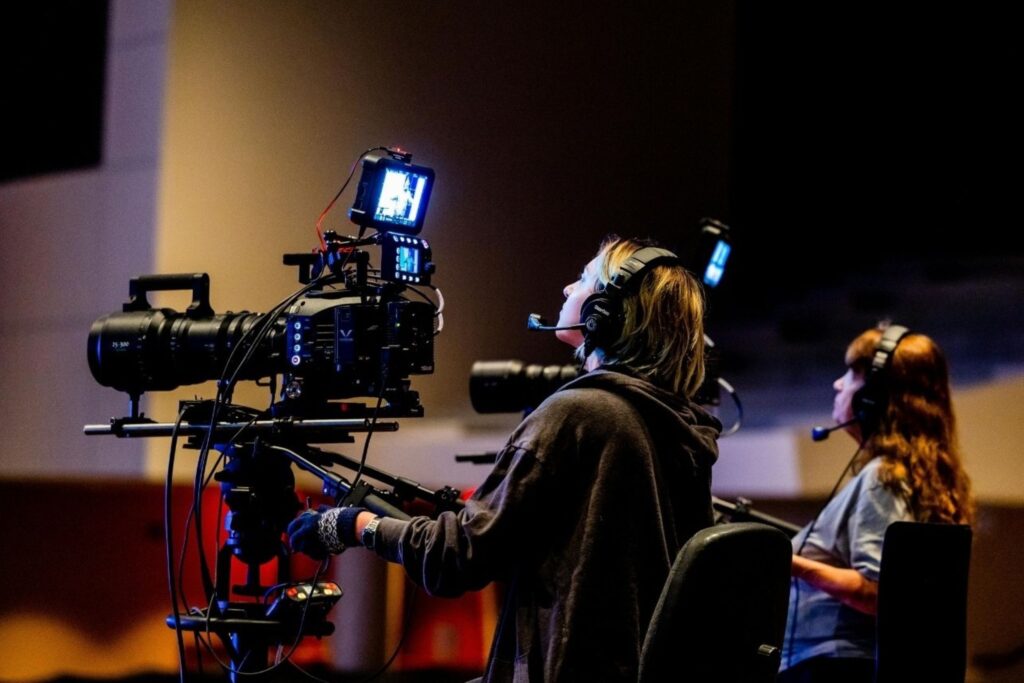
फिल्म उद्योग के प्रमुख व्यावसायिक खंड क्या हैं?
उत्पादन बजट फिल्म उद्योग के सबसे बड़े निवेश श्रेणी का प्रतिनिधित्व करते हैं जिन्हें सावधानीपूर्वक योजना की आवश्यकता होती है। इसके अलावा, प्रमुख फिल्मों के लिए सितारों के वेतन कुल बजट का 30-40% खपत कर सकते हैं। इन लागतों को प्रबंधित करते हुए गुणवत्ता बनाए रखना लाभप्रदता के लिए सार्थक साबित होता है।
इसके अलावा, वितरण और विपणन निवेश उत्पादन के परे फिल्म उद्योग की सफलता को काफी हद तक निर्धारित करते हैं। उदाहरण के लिए, विपणन बजट बड़ी रिलीज़ के लिए ₹30-50 करोड़ तक पहुंचते हैं जिससे दृश्यमानता सुनिश्चित होती है। यह खर्च उद्घाटन सप्ताहांत संग्रह को चलाता है जो समग्र प्रदर्शन प्रक्षेपवक्र निर्धारित करता है।
संगीत अधिकार, मर्चेंडाइजिंग और लाइसेंसिंग सहित सहायक राजस्व धाराएं फिल्म उद्योग अर्थशास्त्र का विस्तार करती हैं। विशेष रूप से, हिट फिल्मों के साउंडट्रैक स्ट्रीमिंग और लाइसेंसिंग के माध्यम से ₹10-30 करोड़ उत्पन्न करते हैं। ये अतिरिक्त राजस्व समग्र लाभप्रदता में सुधार करते हैं और बॉक्स ऑफिस पर निर्भरता को कम करते हैं।
प्रमुख फिल्म उद्योग आर्थिक संकेतक:
- कुल बाजार आकार: सभी खंडों में सालाना ₹24,000+ करोड़
- औसत उत्पादन बजट: मुख्यधारा की फिल्मों के लिए ₹15-50 करोड़
- नाटकीय राजस्व: प्रदर्शनियों से सालाना ₹10,000+ करोड़
- ओटीटी लाइसेंसिंग: प्रमुख रिलीज के लिए ₹50-150 करोड़
- रोजगार: 2.5+ मिलियन प्रत्यक्ष और अप्रत्यक्ष नौकरियां
- वार्षिक विकास दर: साल-दर-साल 10-12% विस्तार











This article provides a masterclass in analyzing the economic engines driving the Indian film industry to unprecedented heights in 2026. It is truly fascinating to witness how the ‘Pan-India’ phenomenon has evolved from a linguistic experiment into a robust macroeconomic strategy that unifies one of the world’s most diverse consumer bases.
Your insights into the role of OTT platforms and the integration of data-driven decision-making highlight a significant shift toward a more mature, tech-centric entertainment ecosystem. By 2026, India isn’t just producing content; it is setting global benchmarks for the ‘attention economy’ and cultural monetization. The way you’ve connected traditional storytelling heritage with modern financial resilience is particularly commendable.
Thank you for this rigorous breakdown. This is essential reading for any global investor or media analyst looking to navigate the complexities and immense opportunities within the Indian creative economy. A truly forward-thinking perspective on the future of global cinema.
“A masterly and deeply analytical perspective on the structural evolution of the Indian entertainment economy in 2026. This article perfectly captures how the film industry has transcended its traditional creative boundaries to become a formidable macroeconomic engine, driven by the strategic ‘Pan-India’ model and a robust digital-first distribution ecosystem.
It is particularly insightful to see the focus on the democratization of content through OTT platforms, which has not only diversified revenue streams but has also positioned India as a global content export powerhouse. The integration of data-driven storytelling and AI-enhanced production workflows—highlighted in your analysis—demonstrates a level of technological maturity that is significantly de-risking investments for global institutional players. Furthermore, the way you’ve connected ‘Cultural Soft Power’ with tangible fiscal growth is a testament to the sophistication of the modern Indian creative economy.
For investors and media strategists, this piece serves as an essential blueprint for navigating a market that is no longer just about ‘stardom,’ but about scalable, data-backed intellectual property. Thank you for this rigorous synthesis of industry trends and economic foresight. This is a must-read for anyone looking to understand the future of global entertainment and monetization in the 2020s.
A masterly and deeply analytical perspective on the structural evolution of the Indian entertainment economy in 2026. This article perfectly captures how the film industry has transcended its traditional creative boundaries to become a formidable macroeconomic engine, driven by the strategic ‘Pan-India’ model and a robust digital-first distribution ecosystem.
It is particularly insightful to see the focus on the democratization of content through OTT platforms, which has not only diversified revenue streams but has also positioned India as a global content export powerhouse. The integration of data-driven storytelling and AI-enhanced production workflows—highlighted in your analysis—demonstrates a level of technological maturity that is significantly de-risking investments for global institutional players. Furthermore, the way you’ve connected ‘Cultural Soft Power’ with tangible fiscal growth is a testament to the sophistication of the modern Indian creative economy.
For investors and media strategists, this piece serves as an essential blueprint for navigating a market that is no longer just about ‘stardom,’ but about scalable, data-backed intellectual property. Thank you for this rigorous synthesis of industry trends and economic foresight. This is a must-read for anyone looking to understand the future of global entertainment and monetization in the 2020s.
The split between theatrical and streaming windows is the part that fascinates me most. A 45 day window in most major markets but 83 percent of films globally going straight to streaming with no theatrical run at all. India is somewhere in between, with smaller language productions skipping theaters entirely and tentpoles still relying on packed multiplexes. Curious how regional cinema will navigate this in the next few years.