

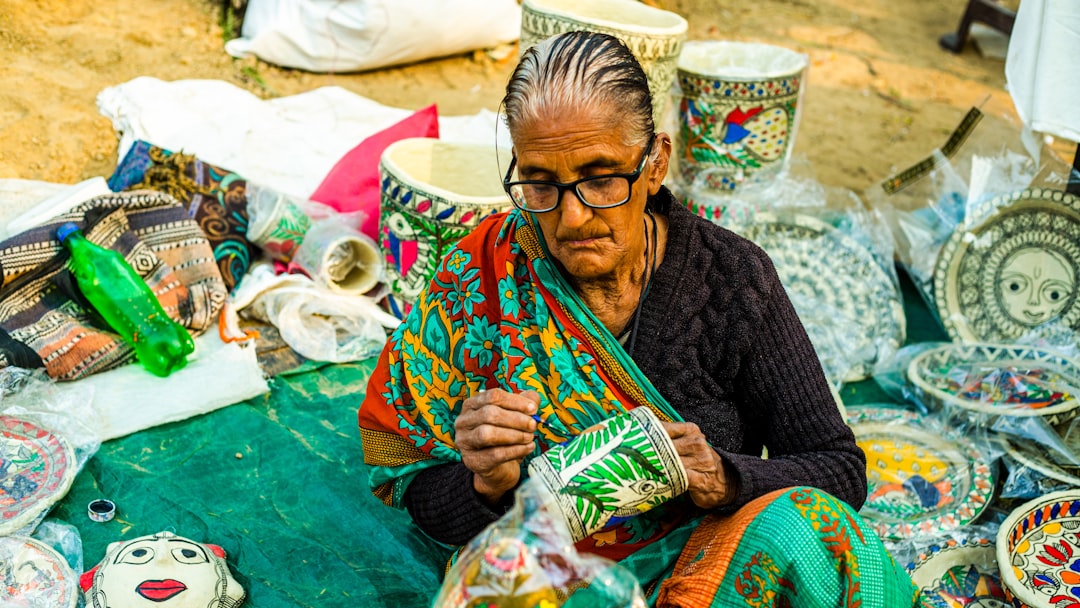
Handmade pricing is the single decision that separates a surviving Indian craft business from one that quietly folds after its first festival season, and most founders get it wrong from day one.
Why most artisan sellers underprice from the start
India is home to 800 or more direct-to-consumer brands, with an estimated market size of over 80 billion US dollars in 2024. Inside that number sits a large and growing segment of artisan founders, many of whom launch with no pricing structure. They look at a competitor’s listing, subtract a few rupees, and call it a price. That is not a strategy. That is a race to the bottom.

Despite employing millions, the handmade sector remains trapped in a low-income equilibrium. Average monthly earnings hover around Rs 7,000 per worker, well below minimum wage benchmarks in many states. Underpricing is a direct cause of this. When an artisan does not account for time, skill, and overhead, the business funds its own failure.
Capacity-building for artisans must move beyond craft skill training toward enterprise capabilities: pricing, bookkeeping, branding, and digital commerce. This article addresses the first and most urgent of those capabilities.
Build your cost floor before you set any number
The first step in handmade pricing is calculating your true cost. Most sellers count raw materials. Very few count labour. Fewer still count packaging, shipping materials, GST liability, and platform fees.
Start with a simple formula. Add your material cost, your labour cost (charge yourself a minimum hourly rate), your packaging cost, and a percentage for overheads such as electricity and equipment. That total is your cost floor. You must never sell below it.
When you add all fees together, effective marketplace deductions in India can quietly reach 30 to 45 percent of the selling price, especially in competitive categories. This means your price must sit high enough to absorb those deductions and still leave a real margin. Marketplace pricing must absorb commission and platform fees. Often, the maximum retail price is set slightly higher on marketplaces to maintain margin parity after discounts and commissions.

Understand what each marketplace actually costs you
Not all platforms charge equally, and handmade pricing must reflect the platform you choose. Amazon Karigar now hosts over 12 lakh artisans selling nearly 1 lakh handmade products at concessional fees, and the Ministry of Textiles’ IndiaHandmade portal takes zero commission. Those 2 options carry very different margin implications.
Online marketplaces offer artisans wider reach across India and globally. Amazon Karigar supports over 12 lakh artisans and showcases nearly 1 lakh handmade products, with a commission of 8 to 15 percent depending on category. Add shipping fees, return costs, and advertising spend on top of that commission. Many sellers end up spending 8 to 15 percent of revenue on marketplace ads just to maintain page ranking.
Artisans now earn up to 35 percent more by skipping traditional retail middlemen. The D2C model gives you control, but even within D2C platforms, fee structures vary. Map every cost per platform before you set a single price.

Apply a value multiplier, not just a cost multiplier
Once you know your cost floor, you need a multiplier that reflects value, not just inputs. A common error is using a 2x or 2.5x multiplier on material cost alone. That ignores labour entirely and leaves the artisan unpaid.
Handmade products have a structural advantage online that mass-produced goods lost long ago: they cannot be price-compared into oblivion. A hand-embroidered cushion, a small-batch candle, or a brass Dhokra figure competes on story and craft, not on being Rs 10 cheaper than an identical listing.
Handmade buyers are less price-sensitive than marketplace bargain hunters, but they need the price justified. Process photos and videos, materials provenance, and the maker’s story do that work. A Rs 1,200 hand-block-printed stole sells when the listing shows the printing process. Your price and your content must work together. A high price with a weak listing will not convert. A strong listing makes a fair price feel reasonable.

Expert perspective on pricing and the handmade economy
India’s handmade sector is producing real enterprise value, but the pricing frameworks most artisans use were built for exhibitions and wholesale, not for D2C marketplaces. When a seller lists on a platform like Amazon Karigar or Etsy, they are entering a channel with 8 to 15 percent commission, reverse logistics costs, and advertising pressure. A handmade product priced at Rs 500 that costs Rs 300 to make and Rs 120 to sell leaves the artisan with Rs 80, which is not a business. It is charity toward the customer. The sector needs artisans to treat pricing as a financial model, not an estimate. That means calculating cost per unit, assigning a labour rate, adding a platform-specific fee layer, and then applying a value premium based on craft complexity and story. The story is not decoration. It is the commercial justification for the price point that mass-produced alternatives cannot match.
Industry perspective, handmade commerce and artisan enterprise professionals in India
Use story and compliance to defend your price
Pricing is not only mathematics. Even if your math supports a higher price, the market must accept it. In Indian e-commerce, customers compare you with Amazon, Flipkart, and at least 2 other D2C brands before buying. Your product listing is your defence.
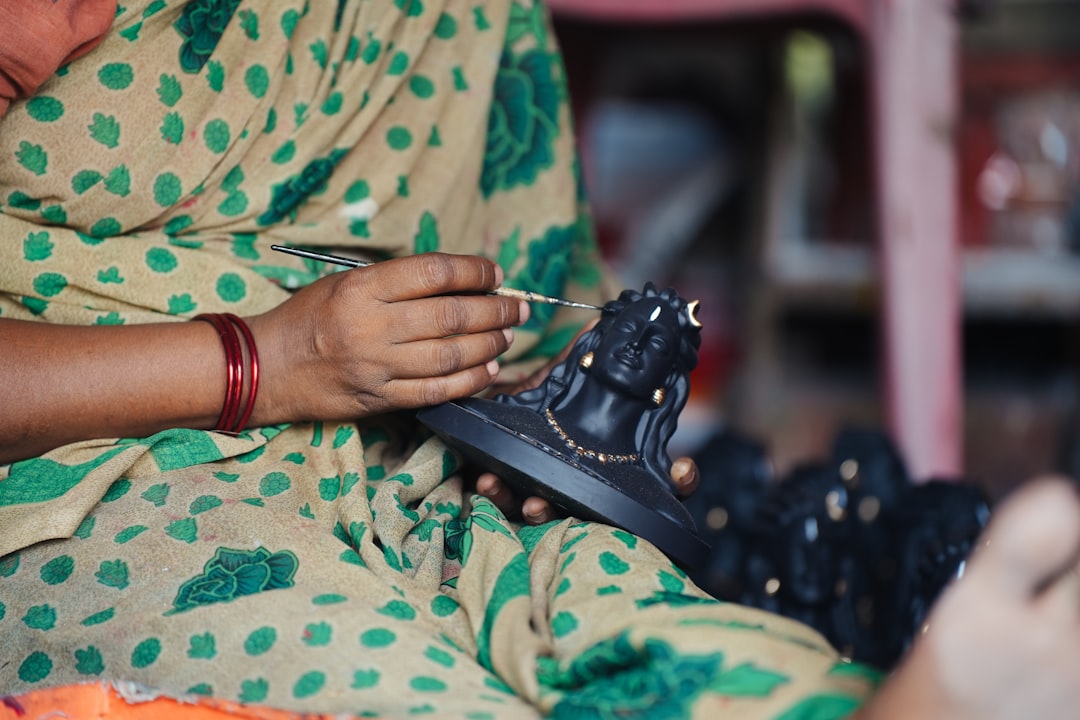
The digital landscape for artisans has shifted from listings to storytelling. Today, buyers are moving away from mass-produced goods and toward conscious consumption. Use your listing to show the technique, the material origin, and the time invested. Every detail you add builds a case for the price you set.
On the compliance side, every artisan business should take the free Udyam (MSME) registration. It unlocks collateral-free loans, exhibition subsidies, and government-procurement preferences. Craft sellers often qualify for Ministry of Textiles and ODOP (One District One Product) schemes layered on top. Lower financing costs improve your margin structure without changing your price.

Conclusion: price with precision, defend with story
Handmade pricing is not about charging the most. It is about charging enough. Calculate your real cost, add a labour rate, layer in platform fees, and set a price that leaves a real margin. Handmade pricing done correctly protects your business and respects your skill.
Pricing plays a major role in marketplace success, since customers routinely compare similar products across multiple sellers before buying. India’s e-commerce sector grew by roughly 25 percent in the first quarter of 2026. As competition intensifies, brands need pricing models that balance profitability against staying genuinely competitive, rather than chasing the lowest price on the page.
Build your price from cost to value. Tell the story that justifies it. Review it every quarter as platform fees change. An artisan who masters handmade pricing does not just survive the Indian D2C marketplace. They build a business that grows on their own terms.
Discover more about handmade pricing
- Ministry of Textiles – Government of India
- India D2C E-commerce Market: Size, Growth and Trends Report, Mordor Intelligence
- Five ways to realise the potential of India’s handicraft and handloom sector, Governance Now