

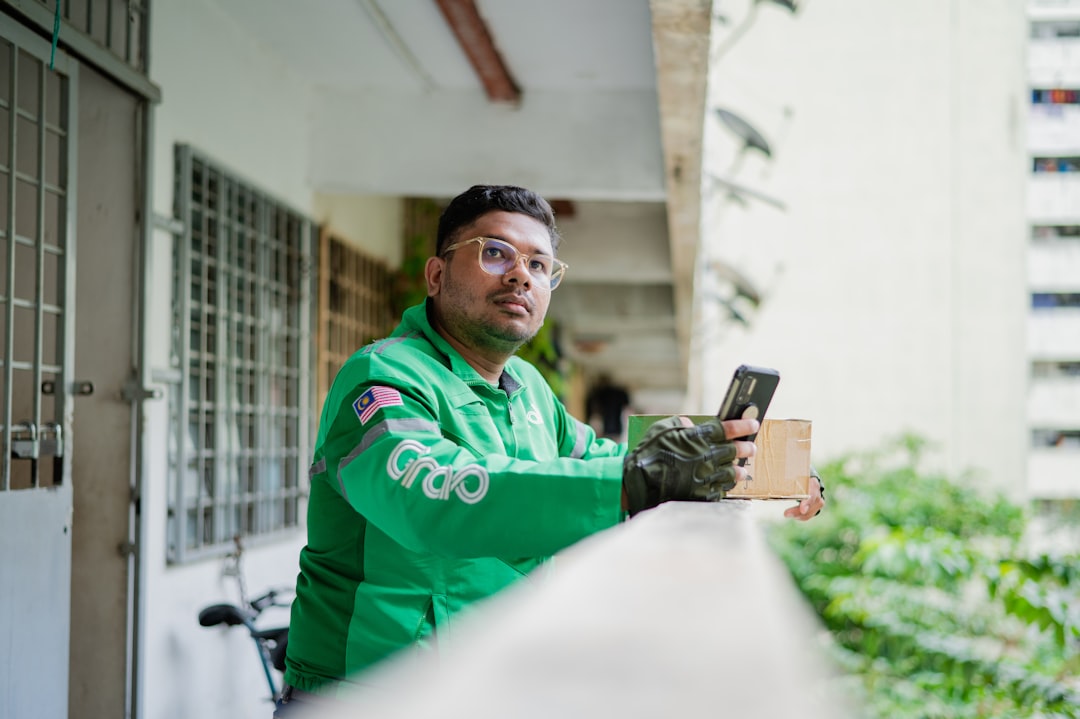
Food delivery demand in India surges every monsoon, and smart entrepreneurs are using that window to launch cloud kitchen businesses with lower capital and faster returns than ever before.
Why the monsoon creates a real market opportunity
India’s monsoon season runs from June to September. During those months, millions of urban consumers stay indoors. They avoid waterlogged streets and crowded restaurants. They open their phones and order food.
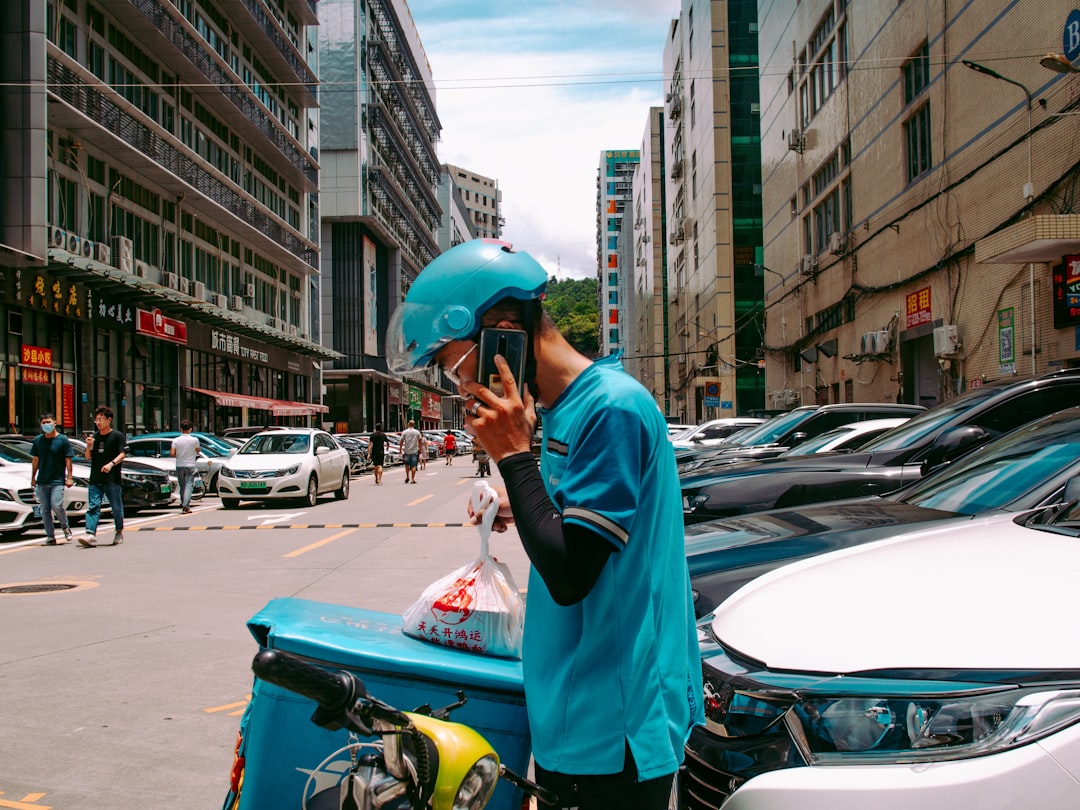
Every year, as monsoon clouds roll in and rain begins to pour, restaurant owners brace for sluggish footfall and delivery delays. The charm of the rainy season brings comfort to customers but chaos to traditional restaurant operators. That contrast is exactly where a food delivery side hustle finds its strongest entry point.
There is a strong tendency toward repeat orders for reliable food providers during weather disruptions. Consumers who find a good meal option during a heavy rain event often become loyal weekly customers. For a new entrepreneur, that loyalty is the most valuable asset in the first 90 days of operation.
Nearly 40% of urban Indians now order food online at least once a week, creating abundant opportunities for cloud kitchen entrepreneurs. The monsoon amplifies that behavior and raises order frequency even further in tier-1 and tier-2 cities.
The market numbers that support the decision
India’s food delivery sector is not a niche experiment. It is one of the fastest-growing digital markets in the world. The India online food delivery market size was valued at USD 55.58 billion in 2025 and is projected to reach USD 337.15 billion by 2034, growing at a compound annual growth rate of 22.18% from 2026 to 2034.
The deep penetration of the Unified Payments Interface digital payment infrastructure across urban and semi-urban India is a fundamental enabler of rapid growth. UPI transactions in India exceeded 17 billion monthly transactions in 2025, providing a frictionless, zero-cost digital payment option for food delivery orders. This means a first-time entrepreneur does not need a card reader or a point-of-sale terminal to start collecting revenue.
Food delivery platforms are strategically entering smaller metropolitan areas where improving digital infrastructure and rising disposable incomes create untapped market opportunities. These markets demonstrate faster breakeven timelines, requiring only 800 daily orders compared to 1,300 in tier-1 cities due to lower operational costs and reduced competitive intensity. For a side hustle entrepreneur in a tier-2 city, that reduced threshold is a significant structural advantage.
How a cloud kitchen model reduces your risk
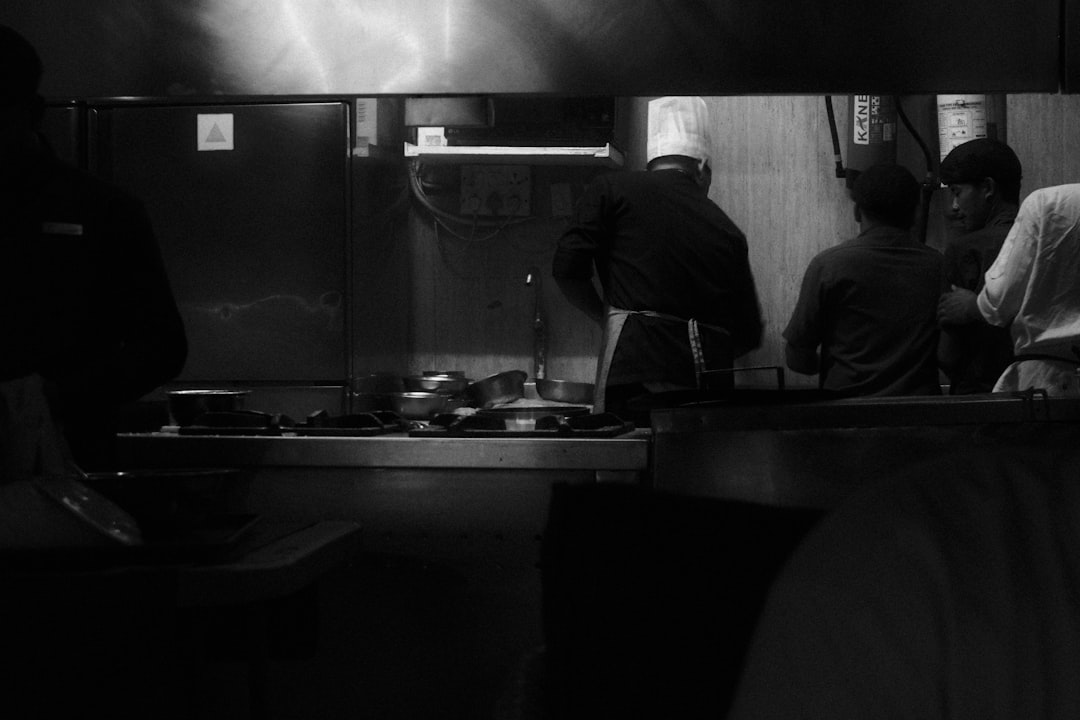
A cloud kitchen is a delivery-only kitchen with no dining area, no front-of-house staff, and no premium rent location required. Cloud kitchens focus on low rent, high delivery efficiency, and strong digital ordering. Lower upfront cost means no dining space and fewer front-of-house staff. Faster experimentation allows you to launch multiple menus and brands quickly. The model is scalable: you can add more delivery zones or brands using the same kitchen.
Unlike restaurants tied to printed menus, cloud kitchens give you full creative control. You can launch a seasonal monsoon menu and go live in hours. This freedom helps you respond to trends, cravings, and seasonal ingredients very quickly.
Platforms like Swiggy, Zomato, and ONDC have shifted focus toward supporting cloud kitchens. Many offer exclusive visibility boosts, lower commission arrangements, and even kitchen space partnerships. Swiggy Access and Zomato Infrastructure Services have helped small brands scale without investing in real estate. These platforms are investing in last-mile logistics to manage monsoon traffic, which means a better customer experience for cloud kitchen brands.

Expert perspective on the monsoon food delivery window
India’s monsoon season functions as a natural stress test for any food delivery business model. Consumers who order during heavy rain are not casual users. They are high-intent, repeat-order customers who are willing to pay for reliability and speed. A cloud kitchen that launches during the June-to-September window and maintains consistent quality will build a loyal base that persists long after the rains stop. The unit economics are also more favorable: lower competitive noise on platforms, higher order frequency per user, and strong word-of-mouth in dense residential areas. Entrepreneurs who treat monsoon as a launch event, rather than an obstacle, are the ones who scale fastest into the following quarter. The data from tier-2 city markets supports this pattern consistently.
Industry perspective, food delivery and cloud kitchen operations professionals in India
What you need to launch in 4 practical steps
The barrier to entry for a food delivery side hustle in India is lower today than at any earlier point in the sector’s history. Here is a focused plan.
Step 1: Choose a focused menu. Choose 1 or 2 core menu items and focus on high-margin, delivery-friendly dishes. Monsoon comfort foods such as hot soups, thalis, and fried snacks perform strongly on delivery platforms during the rainy season.
Step 2: Register on delivery platforms. The online food delivery market enables consumers to order meals from restaurants, cloud kitchens, and cafes through mobile apps or websites. Platforms like Swiggy and Zomato offer extensive cuisine options, real-time tracking, digital payments, and personalized recommendations. Listing your cloud kitchen on these platforms gives you immediate access to millions of active users.
Step 3: Set up compliant packaging. Packaging for food sold via delivery must comply with FSSAI packaging and labelling regulations. Use leak-proof containers for gravies and sauces, and ventilated boxes for fried items to avoid sogginess. Add tamper-evident seals or stickers for hygiene assurance.
Step 4: Use UPI and digital marketing. Integrate UPI payments and local delivery partners for WhatsApp ordering, which carries lower commission costs. Set up a Google Business Profile to support local discovery. Short food videos on Instagram and YouTube Shorts build a customer base at zero cost.

Conclusion
Food delivery in India is a market growing at over 22% annually, and the monsoon season is the single best moment for a new entrepreneur to enter it. Starting a cloud kitchen is easier today than ever before, and doing it strategically during the monsoon season can give you a strong competitive edge. The demand is real, the platforms are ready, and the capital requirement is lower than any traditional food business model. If you are serious about building a food delivery side hustle, the monsoon season is not a risk: it is your launch advantage. Start your research today, register on one platform this week, and let the rain bring you your first loyal customers.
Discover more about food delivery
- India Online Food Delivery Market Size and Forecast (IMARC Group)
- India Online Food Ordering and Delivery Market Report (Research and Markets via Yahoo Finance)
- Why Cloud Kitchens Perform Better in Monsoon and How to Start One (Billberry)