
Festive fashion does not have to feel like a sacrifice when August humidity wraps around you like a second garment, because India’s own textile heritage already holds every answer you need.
Why fabric is your most important decision
The single biggest mistake people make at August celebrations is choosing an outfit based on appearance alone. Humidity changes how a fabric behaves on your body within minutes of stepping outside. A garment that looks stunning on a hanger can trap heat, cling to the skin, and become deeply uncomfortable before the first aarti is over.

Mulmul, also called muslin, is a fine cotton voile. Its gauzy weave lets sweat evaporate quickly, which makes it excellent for humid climates. This is not a new discovery. Our grandmothers wore mulmul dupattas and sarees for exactly this reason. The wisdom was already there, waiting for us to return to it.
Linen’s breathable weave allows air circulation and wicks away moisture, keeping your body cool and dry, which makes it perfect for India’s hot, humid climate. Linen is gaining popularity in Indian fashion for its lightweight and breathable nature, making it ideal for summer wear. A linen kurta set or a cotton-linen co-ord set in a festive jewel tone is a genuinely smart choice for a daytime gathering.
The handloom advantage at festive gatherings
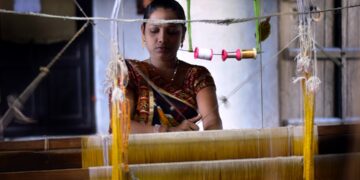
India’s handloom sector offers some of the most breathable and beautiful fabrics on earth. Kota Doria, originating from Kota, Rajasthan, is a cotton-silk blend with a distinctive square check pattern. It is crisp, lightweight, and has a subtle shimmer, making it a popular choice for festive summer occasions. Chanderi is another remarkable option. Lighter silks like Georgette, Munga, Tussar, and Chanderi are breathable enough for summer, especially for evening events or air-conditioned venues.
The unique weaves, natural dyes, and intricate patterns of Indian textiles, with their hand-made nature and minimal carbon footprint, have much to offer to the modern textile industry that is trying to reduce its environmental impact. When you choose a Kota Doria dupatta or a Chanderi kurta this August, you support a weaver’s livelihood and wear a piece of living culture. That is festive fashion with real meaning.
To support the handloom sector in adapting to modern challenges, the Ministry of Textiles launched the Handloom Hackathon 2025, held in August 2025 at the Research and Innovation Park, IIT Delhi. The government’s active support for handloom innovation means that new, climate-aware designs are entering the market regularly. Seek them out.

Silhouettes and colours that work in August heat
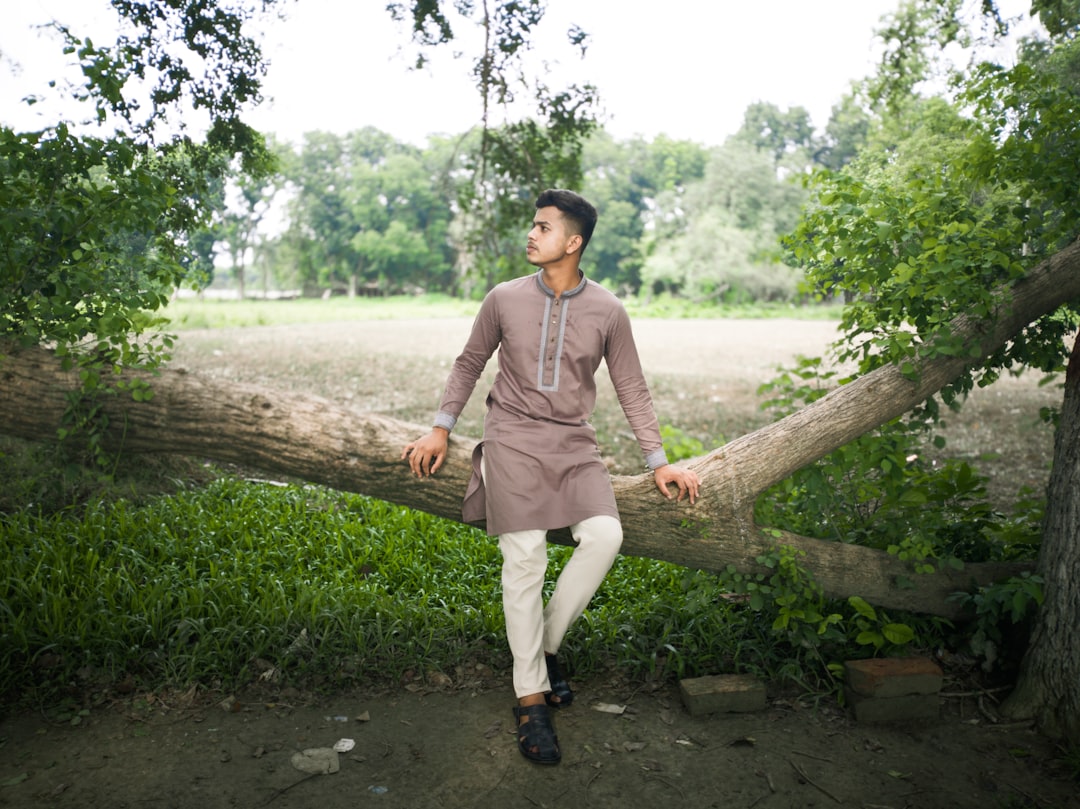
Fit matters as much as fabric. Loose, fluid silhouettes allow air to move around the body. Many people are swapping heavy old styles for crop tops, jackets, and capes. Sarees are also draped in newer and simplified styles, so they are easier to wear but still look traditional. A relaxed anarkali, a palazzo set, or a wide-leg kurta pyjama all give the body room to breathe.
For colour, deep blue, emerald green, and deep maroon are strong choices for evening events, while lavender, peach, and light pink work beautifully for daytime functions. Lighter shades also reflect more heat from the sun, which is a practical bonus during afternoon gatherings. Earthy colours like sage, peach, or ivory with subtle zari detailing deliver a festive look without relying on heavy embellishment that adds weight to the garment.
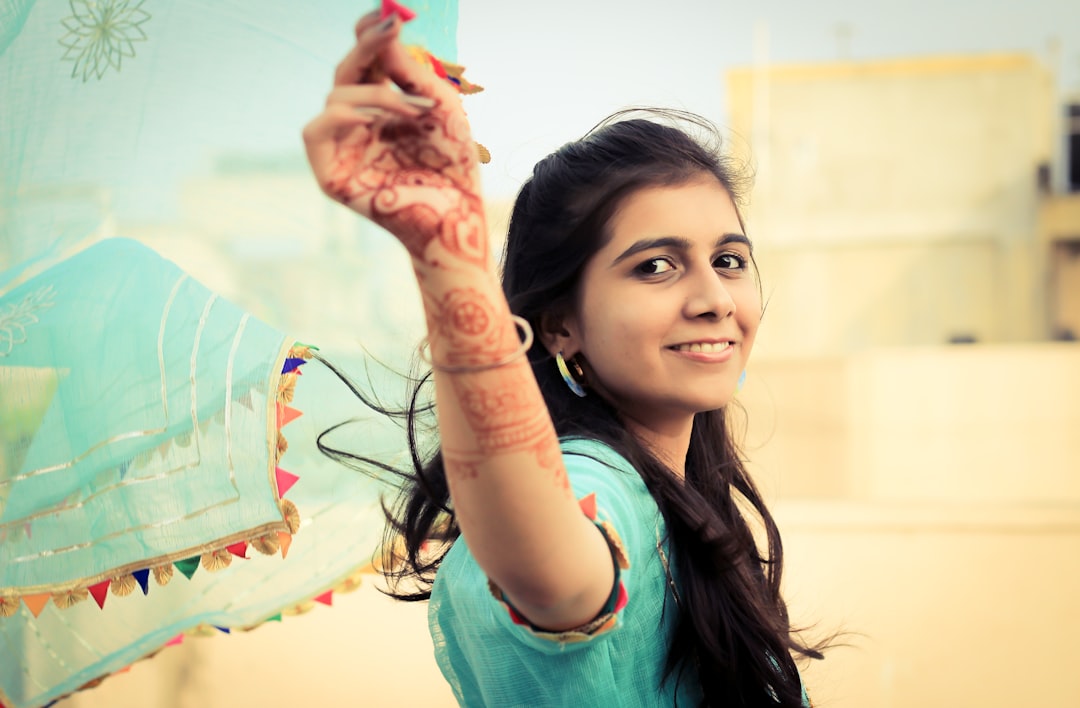
Avoid layering too many fabrics. A single well-draped dupatta in a sheer fabric like chiffon or organza adds elegance. Chiffon and organza are lightweight sheer fabrics that allow airflow. A chiffon scarf or kurta layer can add elegance without heavy heat retention.






Expert perspective on sustainable festive dressing
Choosing sustainable festive fashion in India today is not simply an aesthetic preference. It is a meaningful cultural act. When a person selects a handwoven fabric from a regional cluster, they keep a craft tradition alive that has survived centuries. Our climate is also asking us to be smarter about what we wear. Natural fibres like cotton, linen, khadi, and Tencel perform better in humidity than most synthetics because they absorb moisture and allow the skin to breathe. August festivals are a perfect moment to demonstrate that looking beautiful and making responsible choices are not in conflict. The modern Indian consumer has enormous power here. Every purchase decision either sustains a weaver’s family or feeds a fast-fashion system that replaces heritage with disposable trend. Choose the option that lasts, that tells a story, and that your grandchildren might one day admire.
Industry perspective, sustainable textile and handloom professionals in India
Making your festive look last all day
Practical habits protect your outfit and your comfort through long celebrations. The composition label on a garment shows which natural fibres are present. Choose natural fibres over synthetic materials for better breathability. Always check labels before you buy.
Organic cotton, hemp, bamboo, khadi, linen, and recycled fabrics are eco-friendly options that are breathable, durable, and stylish. Keep a small folded handkerchief in a natural fabric for comfort. Choose footwear that lets your feet stay cool. Juttis and kolhapuri sandals in leather or fabric are both traditional and practical for long gatherings.
A linen co-ord set in pastel shades or an embroidered linen kurta set can look sophisticated yet light. Adding oxidized or gold jewelry and juttis completes the look without adding any physical weight to the body. Minimalist jewelry in silver or oxidized metal tends to stay cooler against the skin than thick gold pieces.
Finally, store your festive garments carefully between seasons. Handloom and natural-fibre clothes last far longer with proper care. Pure linen and cotton linen are more than seasonal trends. They are timeless wardrobe investments. A well-kept mulmul saree or a Chanderi suit set can serve you across many August celebrations to come.
Conclusion: festive fashion rooted in Indian wisdom
Festive fashion in the August humidity is a challenge, but it is also an invitation. It invites you to rediscover the genius of Indian textiles, the beauty of handloom weaves, and the quiet intelligence of our ancestors who dressed for this exact climate. Choose natural, breathable fabrics. Support the weavers who keep our traditions alive. Wear silhouettes that let you dance, eat, and celebrate freely. Good festive fashion does not fight the season. It works with it. Start this August with one handloom piece and feel the difference for yourself.
Discover more about festive fashion
- India Handloom: Ministry of Textiles, Government of India
- India’s Sustainable Fashion Market Report, First Resort by Ramola Bachchan
- National Handloom Day 2025: Awards and Handloom Expo Coverage, Newsonair