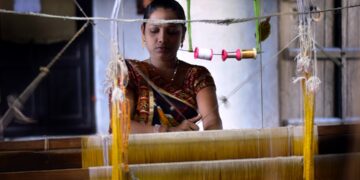


Zero waste living is not a foreign trend, it is something Indian homes have always quietly practiced, from the steel dabba passed between generations to the cotton jhola carried to the sabzi market.
Why these swaps work for Indian homes
Most Indian households already own the building blocks of a zero waste life. The culture of “do not throw what still works” is woven into our daily language and family memory. The shift today is simply about making that instinct more conscious and more consistent.

Moreover, the scale of the challenge is real. India generates over 159,000 tonnes of waste each day, and efficient systems for collection, segregation, and processing are crucial to ensuring clean and healthy living conditions. Individual households are a key part of that picture. India generates over 62 million tonnes of waste annually, and for Indians, adopting zero waste practices is both an environmental decision and a return to practices that Indian households followed for generations before single-use plastics became common.
So these swaps are not about sacrifice. They are about returning to something we already know.
Swap 1: Replace plastic bags with cloth or jute bags
This is the easiest and most visible swap you can make. A sturdy cotton or jute bag lasts for years and costs very little. Cloth bags are one of the key domestic behaviours that divert waste from landfills, cut emissions, and help build more mindful communities.
Keep 2 or 3 bags near your front door or inside your two-wheeler storage. When you leave for the market, they come with you. The habit builds in less than a week. Many local weavers and self-help groups across India sell beautiful handmade cloth bags, so your purchase supports artisans too.
Swap 2: Move from plastic bottles to steel or copper bottles
Steel and copper water vessels are not new to India. Our grandparents drank from them every day. Today, a good quality stainless steel bottle replaces hundreds of single-use plastic bottles every year.

Copper vessels carry an added benefit from Ayurvedic tradition: water stored overnight in copper is believed to support digestion and immunity. Whether you follow that practice or simply want a durable, reusable container, both options are plastic-free and built to last decades. Look for Indian brands that manufacture locally and avoid unnecessary plastic packaging on the bottle itself.
Swap 3: Start composting kitchen waste
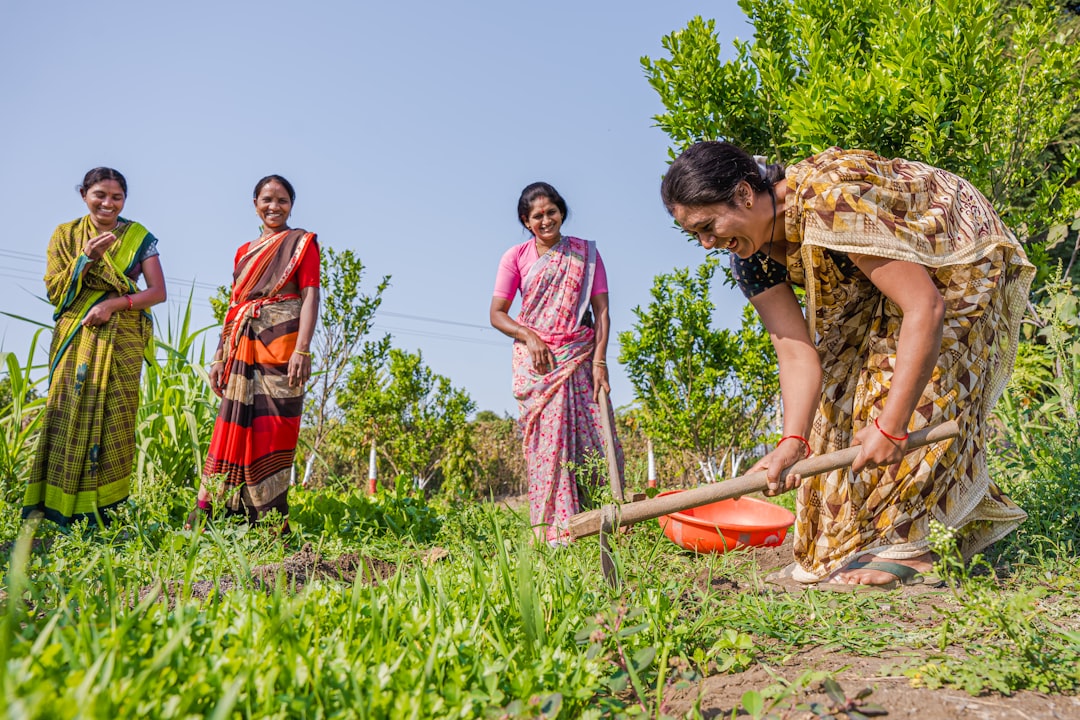
Cooking root-to-stem, planning meals around what is already available, and repurposing leftovers can significantly reduce household waste. But for what remains, home composting is the answer. Vegetable peels, fruit skins, used tea leaves, and eggshells all become rich soil within a few weeks.
Small clay or terracotta compost pots work well on balconies and in small kitchens. Many municipalities, including communities in Pune and Bengaluru, now run composting programs that residents can join. Kitchen scraps turned into compost benefit the garden and reduce the load on municipal waste systems. If you grow anything at home, even a single pot of tulsi or mint, the compost feeds it beautifully.
Expert perspective on zero waste living in India
India holds a cultural advantage that most countries have to manufacture from scratch. The idea of zero waste is not imported here, it is inherited. Families in every Indian state have traditional practices that align perfectly with circular economy principles: storing water in earthen matkas, using banana leaves as plates, preserving food with natural spices instead of plastic wrap, and repairing clothes rather than discarding them. The challenge today is not awareness. It is about rebuilding the confidence to choose the traditional option in a market that constantly promotes the disposable one. When households make even 2 or 3 of these changes together, the collective impact on municipal waste loads is measurable and significant. Sustainability professionals who work with Indian communities consistently find that framing these swaps as a return to heritage, rather than a new burden, produces far greater and more lasting participation.
Industry perspective, sustainability and waste management professionals in India






Swap 4: Choose beeswax wraps or steel containers over plastic wrap
Single-use plastic cling film and plastic bags used for food storage are among the most difficult plastics to recycle. Steel dabbas, glass jars, and beeswax wraps are direct replacements. Most Indian kitchens already have a collection of steel or brass containers. The swap here is simply about using them for food storage instead of reaching for plastic.
Beeswax wraps, now made by several Indian small businesses, mould to the shape of a bowl or a piece of fruit with the warmth of your hand. They are washable and reusable for up to a year. Reusable cloth or natural wrapping instead of synthetic foil and non-recyclable packaging is one of the most direct waste reductions a household can make.
Swap 5: Switch to natural cleaning and personal care products
Many conventional cleaning products come in single-use plastic bottles and contain chemicals that enter the water supply. Natural alternatives, soda bicarbonate, white vinegar, neem-based products, and coconut soap, clean effectively and come with far less packaging.
For personal care, solid shampoo bars, clay-based face masks, and coconut oil replace several plastic-bottled products at once. In Indian villages, every item has more than one life: a torn sari becomes a quilt, old tins become plant pots, and broken pots are used as water barriers for plants. This innate culture of reuse dramatically cuts down household waste. The same principle applies to your bathroom shelf. Buy less, choose natural, and reuse the containers you already have.
Making zero waste a lasting habit at home
Zero waste living is not about being perfect. It is about being consistent. Start with 1 or 2 of these swaps, let them become normal, and then add the next. As India faces the dual challenge of population pressure and ecological degradation, the zero waste movement offers a vision of empowered citizens and cleaner futures. With ancient traditions of conservation and frugality already in our cultural DNA, we have every reason to lead once again in environmental wisdom.
Each zero waste choice you make at home connects you to something older and wiser than any trend. India already knows how to live well with less. These 6 swaps simply ask you to remember that. Share this with your family, try one swap this week, and let the tradition continue through your hands.
Discover more about zero waste
- Waste to Wealth Mission, Government of India
- India Zero Waste Packaging Market Outlook, Grand View Research
- Zero Food Waste Served Indian-Style, World Economic Forum