

CONTACT
  • Login
  • Register
Upgrade
INDIAwebzine
Advertisement
  • Home
    • Our Authors
    • Media Kit
    • Contact
    • Cookie Policy
    • Terms and Conditions
  • News
  • Business
  • Lifestyle
    • Gastronomy
    • Sustainable living
    • Well-being
  • Culture
  • Sports
  • Travel
  • Global India
  • Insights
  • Local Guide
    • Activities in India
    • Hotels in India
    • Nightlife in India
    • Restaurants in India
    • Services in India
    • Shopping in India
  • Home
    • Our Authors
    • Media Kit
    • Contact
    • Cookie Policy
    • Terms and Conditions
  • News
  • Business
  • Lifestyle
    • Gastronomy
    • Sustainable living
    • Well-being
  • Culture
  • Sports
  • Travel
  • Global India
  • Insights
  • Local Guide
    • Activities in India
    • Hotels in India
    • Nightlife in India
    • Restaurants in India
    • Services in India
    • Shopping in India
No Result
View All Result
INDIAwebzine
No Result
View All Result
Home Global India

Monsoon flavours across Southeast Asia

Indian-origin chefs in Singapore, Bangkok, and Kuala Lumpur are turning India's rain-season pantry into something entirely new.

0
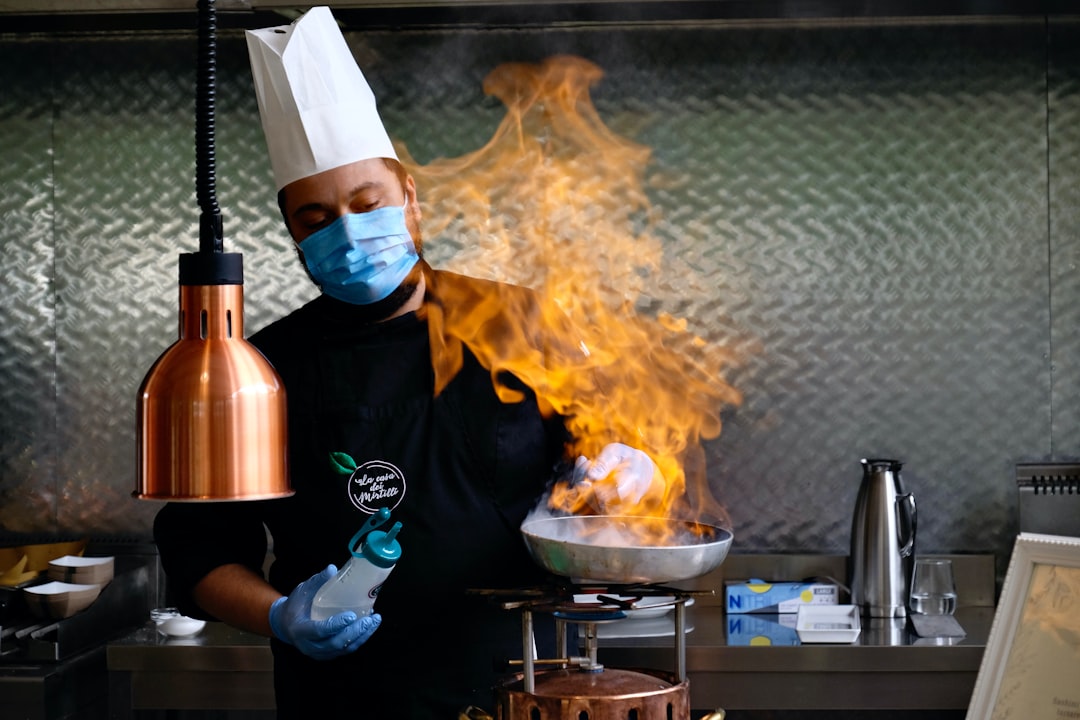
An Indian-origin chef carefully plates a monsoon flavours curry dish at a modern Singapore restaurant

Monsoon flavours are arriving in kitchens across Southeast Asia, carried not by rain clouds but by Indian-origin chefs who are rebuilding India’s rain-season pantry on foreign soil, right now, this season.

Why monsoon flavours travel so well

India’s monsoon pantry is one of the most portable in the world. Tamarind, kokum, raw mango, curry leaf, fenugreek, and green chilli are all shelf-stable, affordable, and deeply recognisable to diners who grew up eating them. Chefs trained abroad returning home with technique, and locals travelling more frequently with refined palates, are the twin engines driving this cross-cultural exchange. In Southeast Asia, that engine is now running at full speed.

Your Local Guide to India Your Local Guide to India Your Local Guide to India

The climate connection matters too. Diners now expect authentic regional profiles rather than vague “Asian fusion,” and this demands deep respect for ingredients and their origins. Monsoon flavours, by their nature, are about preservation, sourness, and warmth. Those qualities translate across borders with very little loss in translation.

Indian spice has been redefining plates at the fine-dining level, while casual spots now incorporate Indonesian sambals, Filipino heritage ingredients, and regional Indian elements into everyday café fare. The line between Indian cooking and Southeast Asian cooking has always been thin. Right now, Indian-origin chefs are stepping directly onto that line.

How Singapore became a testing ground for spice

Singapore has a significant Indian diaspora. As of 2025, close to 6.5 lakh Indians call the Lion City home. That community gives chefs both an audience that understands the references and the freedom to push beyond them.

SanSara, located along the Singapore River, is helmed by Master Chef Pannalal Nath from West Bengal, who brings over 25 years of culinary expertise. The menu draws on India’s regal heartlands, from Lucknow to Punjab, with contemporary creations like Keri Wali Machli Curry sitting alongside beloved classics. The raw mango curry, known in monsoon kitchens as a way to use unripe fruit before the heat finishes them, now arrives plated with precision beside the Singapore River.

At ADDA, the focus is elevated street food presented in interactive ways. The contemporary menu has been curated by Michelin-starred Chef Manjunath Mural, with dishes like Pani Puri served on a miniature version of Indian street carts. Monsoon street food, the kind you eat under a plastic awning in Chennai or Mumbai, is being reimagined here with technique and theatre.

Fusion that respects its roots in Bangkok and Kuala Lumpur

Bangkok’s Indian-origin chef community is smaller but growing fast. The Indian Restaurant Association of America identified hyper-regional flavours as one of its top trends as chefs dig into the hundreds of local cuisines that dot the subcontinent. That same hyper-regional curiosity is visible in Bangkok kitchens, where chefs are reaching past butter chicken toward Kerala fish broths and Konkan seafood preparations.

Kuala Lumpur adds another dimension. A Kuala Lumpur chef vindicated after years of foraging through Malaysian rainforests is now staking a claim on a platform historically dominated by the culinary powerhouses of Northeast and Southeast Asia. The rainforest pantry and the Indian monsoon pantry share more than geography. Both depend on tamarind as a souring agent, coconut as a base, and chilli as a backbone.

In 2025, the Indian food trends are pushing boundaries. Chefs are creatively blending Indian ingredients with international cuisines. In Kuala Lumpur, that means a rasam consomme served alongside a clear Tom Kha broth. It means a fish curry that uses both kokum and lemongrass. The result is not confusion. It is clarity of a new kind.
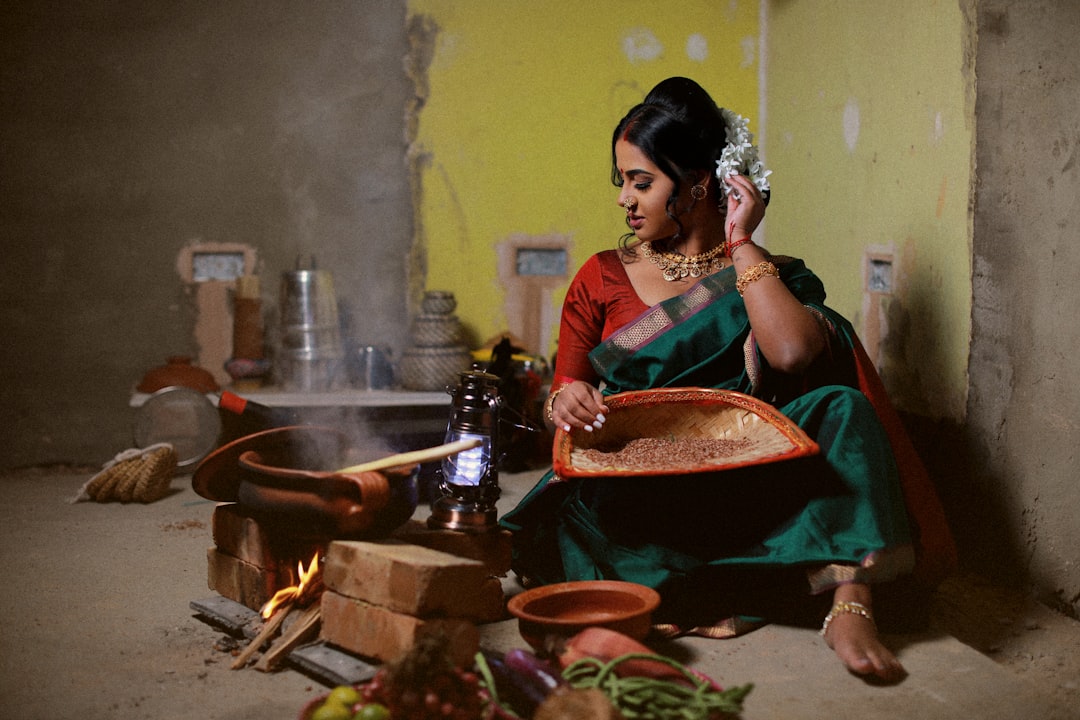
A South Asian chef stirs a pot of tamarind broth in a Southeast Asian kitchen, capturing the essence of monsoon flavours

An industry perspective on where this movement is heading

The most interesting kitchens right now sit at the intersection of Indian monsoon cooking and Southeast Asian technique. When you work with tamarind in a Kerala preparation and then introduce fish sauce or lemongrass into the same broth, you are not corrupting either tradition. You are surfacing a shared logic that has always been there, just not spoken out loud. Indian diaspora chefs in this region understand both sides of that logic. They grew up with the spice. They trained in the technique. The result is a kind of cooking that feels very old and very new at the same time. Diners across Singapore, Bangkok, and Kuala Lumpur are responding to it with real enthusiasm, not novelty-seeking but genuine recognition.

Industry perspective, fine-dining and cross-cultural cuisine professionals across Southeast Asia

The ingredients driving the shift

3 ingredients appear on nearly every menu linked to this movement. Tamarind leads the list. Dishes like Meen Pollichathu and Kozhi Melagu Curry represent the kind of bold, wet-season preparations that translate immediately to Southeast Asian palates. Both use sour, fermented, and aromatic elements that Southeast Asian diners already recognise from their own traditions.


-

An Indian-origin woman scientist reviews data in a NASA laboratory, representing the growing role of Indian scientists.

Space research shaped by Indian scientists

02/09/2026
An Indian-origin entrepreneur reviews fabric samples ahead of the festive procurement season in a Singapore textile shop

Festive procurement tips for Indian entrepreneurs

23/08/2026
A woman in traditional dress holds the Indian tricolour at an Indian diaspora Independence Day ceremony abroad.

Indian diaspora marks 79 years of freedom

15/08/2026
A sitar player records for his independent digital label in a home studio in India

Digital labels: Indian classical music goes global

25/07/2026
A grandmother teaches her granddaughter a traditional recipe, showing how the Indian diaspora passes culinary heritage.

Indian diaspora: keeping food traditions alive

06/07/2026
Indian and Gulf business professionals shaking hands representing the growing India GCC trade and investment partnership in 2026

India GCC Partnerships: Business Investment Guide

01/06/2026

Coconut milk is the second connector. The blending of Southeast Asian warmth with Indian coconut broth is now visible in dishes like Laksa Ramen with a rich coconut base. When Indian-origin chefs in Singapore or Bangkok add curry leaf and mustard seed to a coconut broth, the result sits naturally in both traditions.

The third is chilli, specifically the green chilli of India’s rainy season. Southeast Asian cuisine, with its big and bold flavors, health-conscious appeal, and cultural authenticity, is captivating customers everywhere. Indian monsoon cooking shares that boldness. The two cuisines have been waiting to meet properly for a long time.
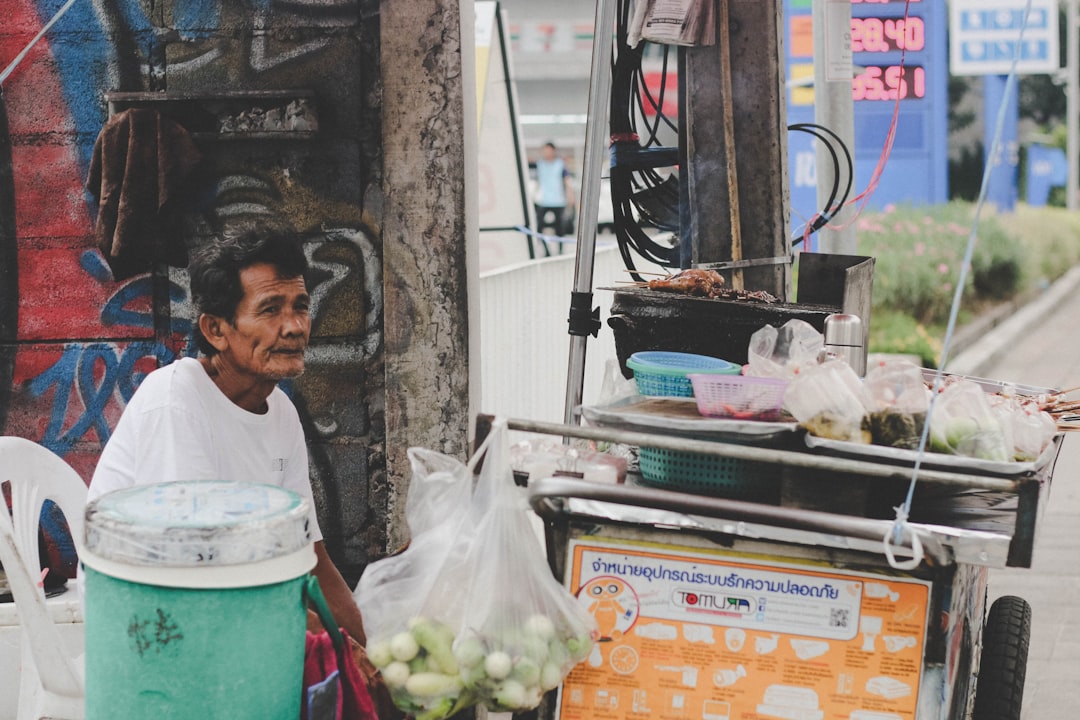
An Indian-origin street food vendor in Bangkok presents a dish rooted in classic monsoon flavours to a waiting diner

Monsoon flavours and what they mean for Indian food globally

Monsoon flavours are not a seasonal menu trend. They are a permanent vocabulary for Indian-origin chefs working across Southeast Asia. The Indian culinary diaspora is every bit as consequential as the restaurants now rising at home. What happens in Singapore’s Little India or in a Bangkok tasting menu kitchen echoes back to Mumbai, Chennai, and Kochi.

If you travel through Southeast Asia this season, eat with intention. Order the tamarind-based broths. Ask the chef where the kokum came from. Look for monsoon flavours in unexpected places. You will find them. They arrived long before you did, carried by chefs who never stopped thinking about home.

Discover more about monsoon flavours

  • Indian Cuisine
  • Datassential: Asian Food Trends 2025 and the Evolution Toward Culinary Authenticity
  • IBTimes India: Asia’s 50 Best Restaurants 2026, the Indian culinary diaspora makes its mark

author avatar
Sophie Renard
Sophie Renard is a French expat who moved to Bangalore in 2018 and never looked back. After years of exploring India from the backwaters of Kerala to the monasteries of Ladakh, she writes travel guides and local city content that bridges the gap between first-time visitor and seasoned explorer. Her outsider-turned-insider perspective makes India accessible to an international audience.
See Full Bio
Previous Post

Handmade journal practice with Indian craft

Next Post

Scalp care guide for Indian hair types

Related Posts

An Indian-origin woman scientist reviews data in a NASA laboratory, representing the growing role of Indian scientists.
Global India

Space research shaped by Indian scientists

02/09/2026
An Indian-origin entrepreneur reviews fabric samples ahead of the festive procurement season in a Singapore textile shop
Global India

Festive procurement tips for Indian entrepreneurs

23/08/2026
A woman in traditional dress holds the Indian tricolour at an Indian diaspora Independence Day ceremony abroad.
Global India

Indian diaspora marks 79 years of freedom

15/08/2026
A sitar player records for his independent digital label in a home studio in India
Global India

Digital labels: Indian classical music goes global

25/07/2026
A grandmother teaches her granddaughter a traditional recipe, showing how the Indian diaspora passes culinary heritage.
Global India

Indian diaspora: keeping food traditions alive

06/07/2026
Next Post
A woman performing a traditional scalp care oil massage on her long dark Indian hair at home

Scalp care guide for Indian hair types

Leave a Reply Cancel reply

Your email address will not be published. Required fields are marked *

Truelang AI WordPress Translation Plugin Truelang AI WordPress Translation Plugin Truelang AI WordPress Translation Plugin
No Result
View All Result

Our Focus

INDIAwebzine is your international window on India: sustainable lifestyle, business, culture, sports and events for a global audience drawn to the subcontinent's vibrant and diverse scene.

Our Readers

INDIAwebzine addresses readers who engage with India at a high level: professionally, financially, strategically, and as decision-makers in their fields.

Our Approach

Lifestyle, travel, and culture are integrated as context and indicators of economic dynamism, purchasing power, and soft power — not standalone entertainment.

Recent Posts

  • Block printing at home with Indian stamps
  • Festive reset: home and wardrobe in India

© 2025 INDIAwebzine by NOOR & NOOR.

Welcome Back!

Login to your account below

Forgotten Password? Sign Up

Create New Account!

Fill the forms bellow to register

All fields are required. Log In

Retrieve your password

Please enter your username or email address to reset your password.

Log In
Manage Consent
To provide the best experiences, we use technologies like cookies to store and/or access device information. Consenting to these technologies will allow us to process data such as browsing behavior or unique IDs on this site. Not consenting or withdrawing consent, may adversely affect certain features and functions.
Functional Always active
The technical storage or access is strictly necessary for the legitimate purpose of enabling the use of a specific service explicitly requested by the subscriber or user, or for the sole purpose of carrying out the transmission of a communication over an electronic communications network.
Preferences
The technical storage or access is necessary for the legitimate purpose of storing preferences that are not requested by the subscriber or user.
Statistics
The technical storage or access that is used exclusively for statistical purposes. The technical storage or access that is used exclusively for anonymous statistical purposes. Without a subpoena, voluntary compliance on the part of your Internet Service Provider, or additional records from a third party, information stored or retrieved for this purpose alone cannot usually be used to identify you.
Marketing
The technical storage or access is required to create user profiles to send advertising, or to track the user on a website or across several websites for similar marketing purposes.
  • Manage options
  • Manage services
  • Manage {vendor_count} vendors
  • Read more about these purposes
View preferences
  • {title}
  • {title}
  • {title}
No Result
View All Result
  • Home
    • Our Authors
    • Media Kit
    • Contact
    • Cookie Policy
    • Terms and Conditions
  • News
  • Business
  • Lifestyle
    • Gastronomy
    • Sustainable living
    • Well-being
  • Culture
  • Sports
  • Travel
  • Global India
  • Insights
  • Local Guide
    • Activities in India
    • Hotels in India
    • Nightlife in India
    • Restaurants in India
    • Services in India
    • Shopping in India

© 2025 INDIAwebzine by NOOR & NOOR.

Verified by MonsterInsights
enEnglishhiहिन्दी