
Hemis Festival draws thousands of visitors to a stone monastery tucked deep in the Indus valley, and the masked dancers are only the beginning of what waits inside.
What the Hemis Festival actually is
The Hemis Festival is not only one of Ladakh’s largest Buddhist celebrations but has also become one of the most popular festivals among tourists. It is a 2-day event held at Hemis Gompa on the 10th day of the fifth month of the Tibetan calendar, which falls in June or July. The festival honors Guru Padmasambhava, celebrated on the 10th day of the fifth month of the Tibetan lunar calendar.

The festival commemorates the birth anniversary of Guru Padmasambhava, the revered Indian sage who introduced Tantric Buddhism to Tibet and the Himalayan regions. It also symbolizes the victory of good over evil, as Guru Padmasambhava is believed to have subdued local demons through his spiritual powers and teachings. Many locals call him the Second Buddha because he helped spread Buddhism through Tibet and nearby mountains. His teachings shaped monastic life in Ladakh, and the festival stands as a tribute to his wisdom and spiritual power.
Every element of the celebration, from the dances to the chanting and the sacred art, is understood as a spiritually active ritual that generates merit and purifies negative karma for all who witness it. Culturally, it is Ladakh’s most important living heritage event, preserving centuries-old traditions of Himalayan art, ritual music, and sacred performance.
The Cham dances: more than a performance
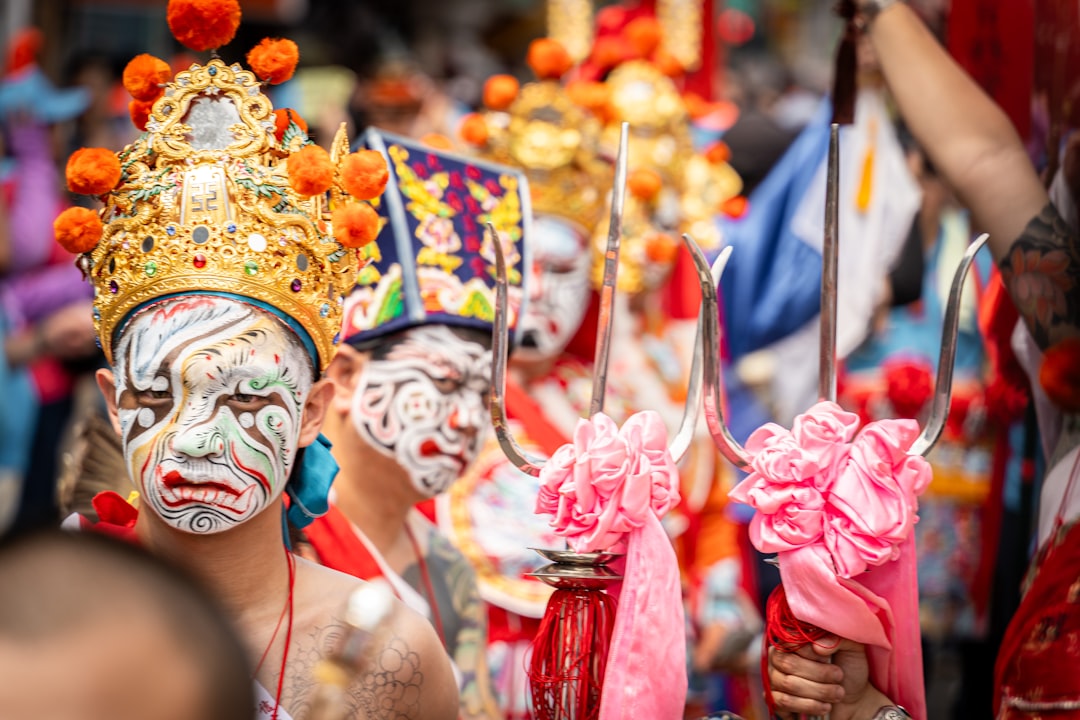
The centerpiece of the festival is the Cham, a form of “meditation in motion.” This is not entertainment, but a religious ceremony where the monks become vessels for deities. Buddhist monks wear elaborate masks and colorful silk costumes, and these sacred dances symbolize the victory of positive forces over negative energies. Traditional drums, cymbals, and long Tibetan horns accompany the performances, creating an atmosphere unlike any other festival in India.
Dancers wear elaborate masks representing wrathful and peaceful deities, spirits, and legendary figures. These masks are believed to “speak” to the subconscious of the viewer, purifying their minds. Accompanied by the resonance of long horns, cymbals, and drums, the slow rhythmic movements depict the destruction of the human ego and the triumph of wisdom.
Monks wear fearsome masks representing Buddhist deities, demons, and guardian spirits known as Dharmapalas. The dance ends with the destruction of a symbolic effigy called Storma, representing evil. Watching it is believed to cleanse sins and offer spiritual merit. Some masks are centuries old and are preserved inside the monastery’s collections.

The monastery and its setting
Hemis Monastery, also known as Hemis Gompa, is one of the largest, richest, and most significant Buddhist monasteries in Ladakh. It is located around 40 km from Leh on the banks of the Indus River and traces its origins to before the 11th century. The monastery was founded in the 17th century under the patronage of Ladakhi king Sengge Namgyal. It belongs to the Drukpa Kagyu sect of Tibetan Buddhism and has hosted the festival since its founding as an annual tribute to Guru Padmasambhava.
The monastery courtyard sits high above the Indus valley. Snow peaks and brown hills form a striking backdrop behind the dancers. Light shifts fast in the mountain air. Tucked away in a hidden gorge to protect it from invaders, the monastery houses a spectacular collection of gold statues, stupas inlaid with precious stones, and ancient murals.





The timing of the Hemis Festival coincides with one of the best seasons to visit Ladakh. June offers pleasant weather, clear skies, and accessible roads, making it ideal for exploring nearby attractions such as Pangong Lake, Nubra Valley, and Khardung La Pass.
Expert perspective on the Cham tradition
The Cham dance is not staged for an audience in the conventional sense. Each slow turn of a masked figure carries a precise doctrinal meaning rooted in Vajrayana Buddhism, and trained monks spend years learning these movements as a form of embodied prayer. The masks themselves are ritual objects: each one represents a specific deity, protector spirit, or demon, and their appearance in the courtyard is understood as an actual invocation, not a representation. For the Ladakhi community, watching the Cham is an act of spiritual participation that accumulates merit and brings communal protection for the year ahead. Visitors who approach the performance with patience and silence often leave with the sense that they have witnessed something genuinely ancient, a living liturgy that the Himalayas have kept intact.
Industry perspective, cultural tourism and Buddhist heritage professionals in Leh district
What else happens at the festival
Giant thangkas, which are Buddhist paintings, are displayed on both days of the festival. Every 12th year, one of the biggest thangkas in Ladakh is shown at Hemis on the festival’s opening day. The monastery holds the world’s largest thangka, a Tibetan scroll painting. This 2-storey-high thangka is unveiled once every 12 years. The thangka was displayed in 2016 and will be shown again in 2028.
The Hemis Festival acts as a vital social bridge for the Ladakhi people. Locals travel from remote valleys dressed in their finest Gonchas, traditional wool robes adorned with turquoise and silver jewelry. Food stalls selling traditional Ladakhi handicrafts, jewelry, and local items such as momos and thukpa add to the festive atmosphere.
Estimated annual attendance now exceeds 15,000 to 20,000 visitors. In recent years, digital livestreams and virtual coverage have made the festival accessible to global Buddhist communities who cannot travel to Ladakh.
How to visit: practical information
Your trip to the Hemis Monastery starts with arriving at Leh, the principal town of Ladakh, most conveniently from major Indian cities by plane at Kushok Bakula Rimpochee Airport. Hemis is approximately 45 km south-east of Leh, nestled in the Indus valley. It is connected to Leh by a well-maintained road. The drive takes about 1 to 1.5 hours.
Book your accommodations in Leh well in advance, especially during the festival season, as hotels fill up quickly. Carry enough cash with you since ATMs are limited around Hemis, and digital payments may not work everywhere. Visitors are expected to dress modestly, covering shoulders and knees, and follow cultural and monastic guidelines observed across Ladakh’s cultural festivals.
Start early from Leh to avoid crowds and enjoy pleasant weather. Always check the official festival dates before your trip, as they change every year according to the Tibetan lunar calendar.
Why Hemis Festival belongs on your India list
Hemis Festival is not a festival you watch from a distance. You stand in a stone courtyard, drums echo off ancient walls, and masked monks move slowly through smoke and color. This is Ladakh at its most complete. Beyond religion, Hemis Festival reflects the rich cultural identity of Ladakh. The monastery transforms into a vibrant gathering space where devotion, music, dance, and community spirit come together, offering visitors a deep insight into Ladakhi heritage and Tibetan Buddhism.

If you are planning a trip to the Indian Himalayas, time your visit to Hemis Festival. Book flights to Leh early, arrive the day before, and position yourself in that courtyard before the drums start. Few experiences in India will stay with you longer.
Discover more about Hemis Festival
- Hemis: Incredible India official guide
- The Hemis Festival: IGNCA cultural documentation
- Why Hemis Festival 2026 should be part of your Ladakh itinerary