
CONTACT
  • Login
  • Register
Upgrade
INDIAwebzine
Advertisement
  • Home
    • Our Authors
    • Media Kit
    • Contact
    • Cookie Policy
    • Terms and Conditions
  • News
  • Business
  • Lifestyle
    • Gastronomy
    • Sustainable living
    • Well-being
  • Culture
  • Sports
  • Travel
  • Global India
  • Insights
  • Local Guide
    • Activities in India
    • Hotels in India
    • Nightlife in India
    • Restaurants in India
    • Services in India
    • Shopping in India
  • Home
    • Our Authors
    • Media Kit
    • Contact
    • Cookie Policy
    • Terms and Conditions
  • News
  • Business
  • Lifestyle
    • Gastronomy
    • Sustainable living
    • Well-being
  • Culture
  • Sports
  • Travel
  • Global India
  • Insights
  • Local Guide
    • Activities in India
    • Hotels in India
    • Nightlife in India
    • Restaurants in India
    • Services in India
    • Shopping in India
No Result
View All Result
INDIAwebzine
No Result
View All Result
Home Luxury Lifestyle Sustainable living

Ethical fabrics that beat monsoon humidity

These 6 breathable, planet-friendly fabrics will keep you cool, dry, and stylish through every rainy season.

0
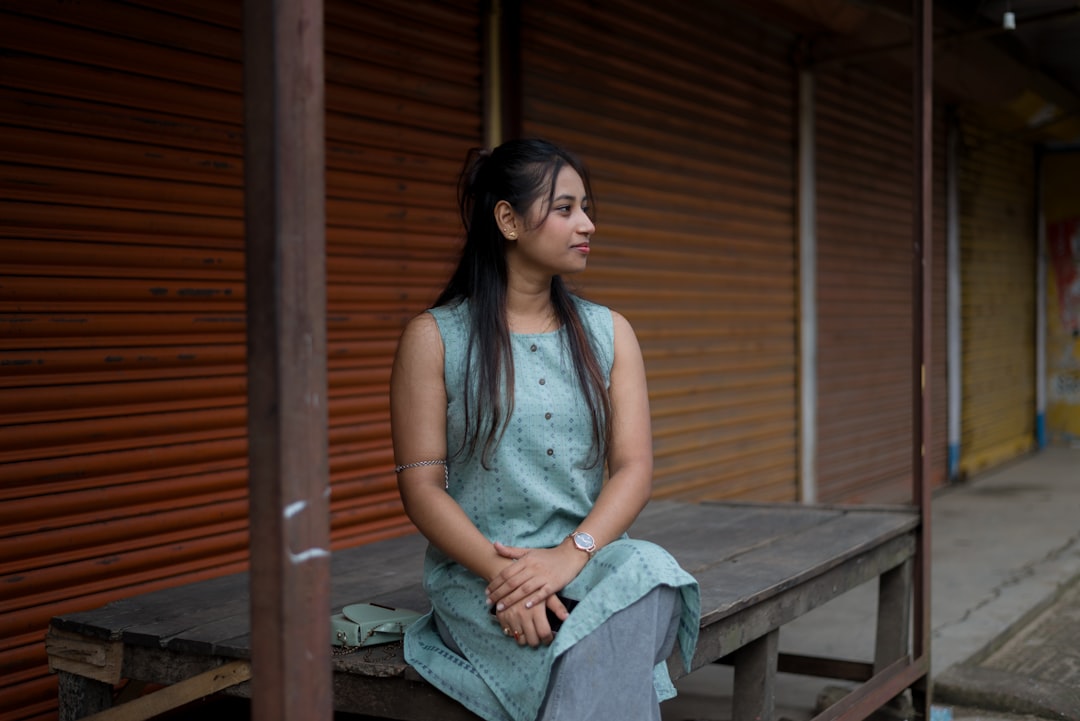
AIndian woman in a breathable linen kurta demonstrates why ethical fabrics are best choice for India's humid monsoon season.

Ethical fabrics are having a real moment in India, and the monsoon season is exactly where they prove their worth, on damp streets, in crowded metros, and at every rain-soaked chai stop in between.

Why ethical fabrics and humidity are a natural match

India does not have one climate. It has many. Coastal humidity, dry northern heat, monsoon drenching, hill station chill: what works in Mumbai in June is unwearable in Delhi in May. This variety means fabric choice matters more than anywhere else in the world.

Your Local Guide to India Your Local Guide to India Your Local Guide to India

The monsoon climate in India is humid and wet, which makes heavy or non-breathable fabrics uncomfortable. Breathable fabrics allow air circulation, reduce sweat buildup, and dry quickly, making them ideal for this season. Ethical fabrics, produced with low chemical use and fair labor practices, tend to rely on natural fibers that perform exactly this way.

Sustainable fabrics help regulate temperature, improve airflow, absorb moisture better, and usually last longer too. That combination makes them the smart choice for the rainy months ahead.

Khadi: the original breathable

Khadi remains uniquely Indian. Hand-spun and hand-woven, it has almost zero electricity footprint, supports rural artisans, and breathes brilliantly in Indian summers. Through the monsoon, its open weave allows constant airflow against the skin.

Khadi is a handspun and handwoven fabric that holds a significant place in India’s history. Originally popularized by Mahatma Gandhi as a symbol of self-reliance, khadi is made from cotton, silk, or wool. Today, it carries that same cultural pride into a new era of conscious fashion.

The modern version of khadi has come a long way from coarse, government-emporium textures. Designers are now blending it with silk, mulmul, and even denim for sharper drape. You can wear it as a kurta on a rainy office day or as a relaxed shirt at a weekend market.

Linen: fast-drying and naturally cool

Linen continues to dominate summer fashion, and for good reason. Made from flax fibers, linen is naturally breathable and allows maximum airflow, making it one of the coolest fabrics you can wear in extreme heat. It handles monsoon humidity with equal confidence.

Linen is a natural fiber known for its breathability and moisture-wicking properties. It dries faster than cotton and feels cool against the skin. After a sudden shower, that quick-dry quality is invaluable on Indian streets.

Indian mills in Coimbatore and Tamil Nadu now produce linen shirts and saris that compete with European labels at a fraction of the price. Supporting these mills means you invest in local industry as well as your own comfort.
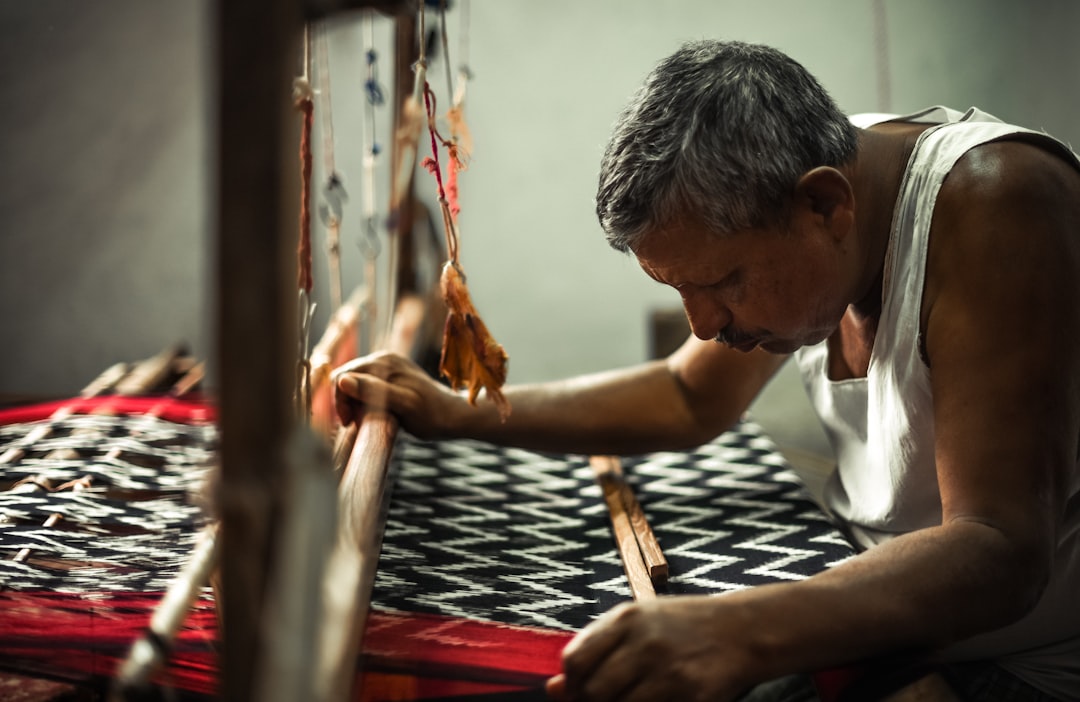
A Indian artisan weaves khadi on a handloom, showing the tradition behind ethical fabrics that are ideal for the monsoon.

Organic cotton: the everyday essential

Organic cotton is grown without harmful pesticides or synthetic fertilizers, making it a healthier choice for both the environment and the farmers. Indian brands are increasingly adopting organic farming practices, resulting in high-quality cotton that is soft and durable.

Organic cotton farming often uses rainwater and traditional irrigation methods, reducing water consumption. Free from harmful chemicals, it is safe for sensitive skin. During monsoon, when skin stays damp for long periods, that chemical-free quality matters greatly.

Furthermore, the Indian government is advancing the transition to green textiles by promoting the use of eco-friendly and sustainable fibers such as organic cotton, bamboo, and hemp. Choosing organic cotton places you directly inside that national movement.

-

A woman artisan applies traditional block printing with natural dyes onto cotton fabric in a Jaipur workshop

Natural dyes making a fashion comeback

23/07/2026
A woman using her rooftop rainwater harvesting setup during the monsoon season in an Indian home

Rainwater harvesting tips for home

20/07/2026
A smiling Indian woman arranging terracotta bowls and clay pots in a plastic-free kitchen at home

Plastic-free kitchen brands worth switching to

15/07/2026
Indian woman carefully folding handloom cotton fabric indoors during the monsoon season

Handloom cotton monsoon care guide

07/07/2026
A young Indian woman sorting vegetable peels into a composting bin in her apartment kitchen

Composting in a small Indian apartment

29/06/2026
Sustainable fashion designers creating eco-friendly spring collections in India

India Spring Fashion 2026: 7 Sustainable Designers

12/03/2026

Expert perspective on ethical fabrics in Indian fashion

India already holds a remarkable advantage in the global shift toward ethical fabrics. The country has the artisan base, the natural fiber traditions, and a long cultural memory of clothes built to last and be passed down through generations. What we are seeing now is not just a trend. It is a return to values that Indian textiles have always carried. Handloom and organic fibers are not alternatives to modern fashion. They are the foundation of a smarter, more climate-aware fashion system. For Indian consumers, choosing breathable, natural fabrics during the monsoon months is both a practical and a purposeful act. Every purchase that supports an artisan cluster or a certified organic farm keeps these traditions alive and economically viable for the next generation.

Industry perspective, sustainability and handloom textile professionals in India

Tencel and bamboo: the modern ethical choices

Tencel is made from wood pulp using a closed-loop manufacturing process that recaptures almost all solvents used. The result is a fabric that is soft, smooth, and exceptionally good at managing moisture, which makes it ideal for the Indian monsoon season.

Unlike cotton, Tencel releases moisture quickly and dries faster. It also resists that damp, heavy feeling that cotton can develop in prolonged humidity. Paired with a classic silhouette, a Tencel kurta or midi dress looks refined from morning commute to evening plans.

Bamboo fabric is the most versatile sustainable option for Indian weather. It is moisture-wicking, temperature-regulating, and naturally breathable, which means it handles both humid coastal climates and dry inland heat better than most fabrics. The antibacterial properties are a genuine advantage in a country where heat and sweat are unavoidable realities for half the year.

Hemp: the quiet achiever

Hemp is emerging as one of the most respected ethical fabrics because of its incredibly low environmental footprint. It requires minimal water, grows quickly, and needs very little chemical processing. For India, where water conservation is a serious concern, that efficiency matters.

Older hemp fabrics were known for being rough, but newer textile technologies have made hemp softer and far more wearable for daily fashion. Hemp blends are especially popular because they combine hemp’s durability with the softness of cotton or bamboo fibers.


B Label by Boheco deserves mention for its hemp-based clothing. Hemp uses a fraction of the water that cotton does, regenerates soil, and grows fast. Boheco has helped normalize it as a wardrobe fiber in India. Loose hemp trousers or a relaxed overshirt are perfect for humid days when you need space and air around you.

Dress with intention this season

Ethical fabrics are not a compromise. They are an upgrade. Each of the 6 options above handles humidity with genuine skill, connects to India’s rich textile story, and supports the people who make them. India already has the artisan base, the natural fibers, and a long cultural memory of clothes built to last and be handed down. This monsoon, ethical fabrics give you every reason to wear that heritage with confidence and pride. Start with 1 piece. See how it feels. Then let your wardrobe grow from there.

Discover more about ethical fabrics

  • India Goes Green: Textile Industry, Invest India
  • Green Textiles and Smart Fabrics: New Frontier for Investors, Invest India
  • Sustainable Fashion in India: Top Fabrics and Trends, KuchBhi

author avatar
Arjun Mehta
Arjun Mehta is a Mumbai-based journalist with a background in economics from IIM Ahmedabad. He writes about India's startup ecosystem, foreign investment landscape, and the country's rapid digital transformation. His work blends sharp market analysis with real stories from entrepreneurs building India's next chapter.
See Full Bio
Previous Post

D2C brand India: build yours from scratch

Next Post

Hemis Festival: why Cham dances draw thousands

Related Posts

A woman artisan applies traditional block printing with natural dyes onto cotton fabric in a Jaipur workshop
Sustainable living

Natural dyes making a fashion comeback

23/07/2026
A woman using her rooftop rainwater harvesting setup during the monsoon season in an Indian home
Sustainable living

Rainwater harvesting tips for home

20/07/2026
A smiling Indian woman arranging terracotta bowls and clay pots in a plastic-free kitchen at home
Sustainable living

Plastic-free kitchen brands worth switching to

15/07/2026
Indian woman carefully folding handloom cotton fabric indoors during the monsoon season
Sustainable living

Handloom cotton monsoon care guide

07/07/2026
A young Indian woman sorting vegetable peels into a composting bin in her apartment kitchen
Sustainable living

Composting in a small Indian apartment

29/06/2026
Next Post
A monk in an ornate mask performs during Hemis Festival in the monastery courtyard in Ladakh

Hemis Festival: why Cham dances draw thousands

Leave a Reply Cancel reply

Your email address will not be published. Required fields are marked *

Truelang AI WordPress Translation Plugin Truelang AI WordPress Translation Plugin Truelang AI WordPress Translation Plugin
No Result
View All Result

Our Focus

INDIAwebzine is your international window on India: sustainable lifestyle, business, culture, sports and events for a global audience drawn to the subcontinent's vibrant and diverse scene.

Our Readers

INDIAwebzine addresses readers who engage with India at a high level: professionally, financially, strategically, and as decision-makers in their fields.

Our Approach

Lifestyle, travel, and culture are integrated as context and indicators of economic dynamism, purchasing power, and soft power — not standalone entertainment.

Recent Posts

  • Digital labels: Indian classical music goes global
  • Monsoon dal recipes from 7 Indian states

© 2025 INDIAwebzine by NOOR & NOOR.

Welcome Back!

Login to your account below

Forgotten Password? Sign Up

Create New Account!

Fill the forms bellow to register

All fields are required. Log In

Retrieve your password

Please enter your username or email address to reset your password.

Log In
Manage Consent
To provide the best experiences, we use technologies like cookies to store and/or access device information. Consenting to these technologies will allow us to process data such as browsing behavior or unique IDs on this site. Not consenting or withdrawing consent, may adversely affect certain features and functions.
Functional Always active
The technical storage or access is strictly necessary for the legitimate purpose of enabling the use of a specific service explicitly requested by the subscriber or user, or for the sole purpose of carrying out the transmission of a communication over an electronic communications network.
Preferences
The technical storage or access is necessary for the legitimate purpose of storing preferences that are not requested by the subscriber or user.
Statistics
The technical storage or access that is used exclusively for statistical purposes. The technical storage or access that is used exclusively for anonymous statistical purposes. Without a subpoena, voluntary compliance on the part of your Internet Service Provider, or additional records from a third party, information stored or retrieved for this purpose alone cannot usually be used to identify you.
Marketing
The technical storage or access is required to create user profiles to send advertising, or to track the user on a website or across several websites for similar marketing purposes.
  • Manage options
  • Manage services
  • Manage {vendor_count} vendors
  • Read more about these purposes
View preferences
  • {title}
  • {title}
  • {title}
No Result
View All Result
  • Home
    • Our Authors
    • Media Kit
    • Contact
    • Cookie Policy
    • Terms and Conditions
  • News
  • Business
  • Lifestyle
    • Gastronomy
    • Sustainable living
    • Well-being
  • Culture
  • Sports
  • Travel
  • Global India
  • Insights
  • Local Guide
    • Activities in India
    • Hotels in India
    • Nightlife in India
    • Restaurants in India
    • Services in India
    • Shopping in India

© 2025 INDIAwebzine by NOOR & NOOR.

Verified by MonsterInsights
enEnglishfrFrançaishiहिन्दी