


CONTACT
  • Login
  • Register
Upgrade
INDIAwebzine
Advertisement
  • Home
    • Our Authors
    • Media Kit
    • Contact
    • Cookie Policy
    • Terms and Conditions
  • News
  • Business
  • Lifestyle
    • Gastronomy
    • Sustainable living
    • Well-being
  • Culture
  • Sports
  • Travel
  • Global India
  • Insights
  • Local Guide
    • Activities in India
    • Hotels in India
    • Nightlife in India
    • Restaurants in India
    • Services in India
    • Shopping in India
  • Home
    • Our Authors
    • Media Kit
    • Contact
    • Cookie Policy
    • Terms and Conditions
  • News
  • Business
  • Lifestyle
    • Gastronomy
    • Sustainable living
    • Well-being
  • Culture
  • Sports
  • Travel
  • Global India
  • Insights
  • Local Guide
    • Activities in India
    • Hotels in India
    • Nightlife in India
    • Restaurants in India
    • Services in India
    • Shopping in India
No Result
View All Result
INDIAwebzine
No Result
View All Result
Home Creativity

Monsoon proof your home before June rains

Simple, smart steps every Indian household can take before the first heavy shower arrives.

0
A woman checking her terrace for cracks as part of her plan to monsoon proof her home before the June rains arrive.

Monsoon proof your home now, before the first cloud breaks, and protect the space where your family gathers, cooks, celebrates, and rests through every season India brings.

Start with the roof and outer walls

The roof is the first place rain attacks. Your roof is your home’s first line of defence against the rain, and without proper waterproofing, water can seep through and cause leaks and dampness. Begin your inspection there. Inspect the roof thoroughly for any damaged or missing shingles, cracks, or leaks, and address them with a suitable filling or a waterproof sealant.

Your Local Guide to India Your Local Guide to India Your Local Guide to India

Next, move to the outer walls. Even small cracks in your walls can allow water to seep into your home during the rainy season, so wall crack repair is essential, especially on external walls where exposure to rain is highest. Look for cracks and damages on the exterior walls and fix them before the onset of the monsoon. You can also paint the walls to cover hairline cracks that may otherwise help fungus, weed, and algae to grow.

The best time to apply waterproofing treatment is during dry weather, ideally 2 to 3 months before monsoon season, so the coating cures and is tested before heavy rains arrive. Do not wait for the first leak to act. Prevention costs far less than repair.

Clear your drains and terrace outlets

Blocked drains cause more damage than most homeowners expect. Blocked drains remain one of the biggest causes of leakage during monsoon, as leaves, dust, plastic waste, and construction debris easily clog terrace outlets. Walk your terrace before June and remove every obstruction you find.

Ensure that during heavy rains there is space for water to drain out through pipes properly, so the roof remains clean and dry and does not become waterlogged. Also check balcony drainage channels. Check for any leaks or dampness on walls and ceilings and address them immediately to prevent long-term damage, and ensure that all rainwater drainage systems in balconies and terraces are clear of debris to prevent waterlogging.

This step connects to an old Indian habit: cleaning the home before every season. Our grandmothers swept the courtyard before the first rain. Today we do the same thing, just with a drain rod instead of a broom.

Seal windows, doors, and interior wet zones

Water enters through gaps that are easy to overlook. Start with a thorough inspection of all external openings, including windows, doors, and balconies. Seal any gaps or cracks using weatherproof sealants such as silicone, and add door sweeps and rubber gaskets to prevent rainwater from entering.

Inside the home, bathrooms and kitchens need equal attention. Monsoon moisture affects indoor wet zones too, as bathrooms, kitchens, and utility areas commonly develop seepage during prolonged humidity. If ignored, moisture can spread into adjacent rooms and damage paint, woodwork, and electrical fittings.

Additionally, protect your wooden furniture and surfaces. Wooden furniture often swells and loses its shape due to excessive moisture during the monsoon season. Regularly wipe down wooden surfaces with a dry cloth to remove moisture, and apply waterproof coatings, waxes, or varnishes to protect against dampness and acidic rain.

-

A woman in Maharashtra creating Warli art on brown paper using traditional white paint and a fine brush

Warli art: techniques, tools, first projects

13/07/2026
A woman carefully creating a Madhubani painting on thick white paper with a fine-tipped brush

Madhubani painting: a beginner’s guide

12/06/2026

A man applying silicone sealant around a window frame to monsoon proof his home and stop the water during the rainy season.

What waterproofing professionals in India say

Monsoon preparation is not a one-time activity. A homeowner who treats waterproofing as a seasonal ritual will always spend less money over 10 years than one who repairs damage after it happens. The most common mistake we see is treating the terrace and ignoring the external walls entirely. Both need attention before the first shower. In Indian cities, older plaster and exposed masonry absorb moisture very quickly, and once dampness enters the structure, it affects the paint, the wood, the electrics, and eventually the health of the people living inside. A proper inspection in April or May, followed by targeted application of a quality sealant or membrane, gives a home real protection. We also tell clients to check their drainage systems separately, because even perfect waterproofing fails when water has nowhere to go.

Industry perspective, waterproofing and home maintenance professionals in India

Control humidity and improve ventilation

Good airflow stops moisture from building up indoors. Ventilation is important. Leave windows open during dry periods to let fresh air in, and install kitchen and bathroom exhaust fans to keep dampness away. These are simple steps that make a real difference across a long monsoon season.

Using dehumidifiers during monsoon can help control the humidity inside the home and prevent mold growth. For storage spaces, traditional remedies still work well. Place moisture absorbers like silica gel, bags of salt, activated charcoal sachets, and chalk sticks inside your wardrobe to keep them dry. Our ancestors stored rice and lentils with neem leaves for similar reasons. Modern science confirms the wisdom.

Clean surfaces often using microfiber cloths to absorb moisture. Spray anti-fungal or anti-mildew solutions in hidden corners, storage units, and behind furniture. Avoid clutter, especially in dark or poorly ventilated areas, where mold can easily grow.
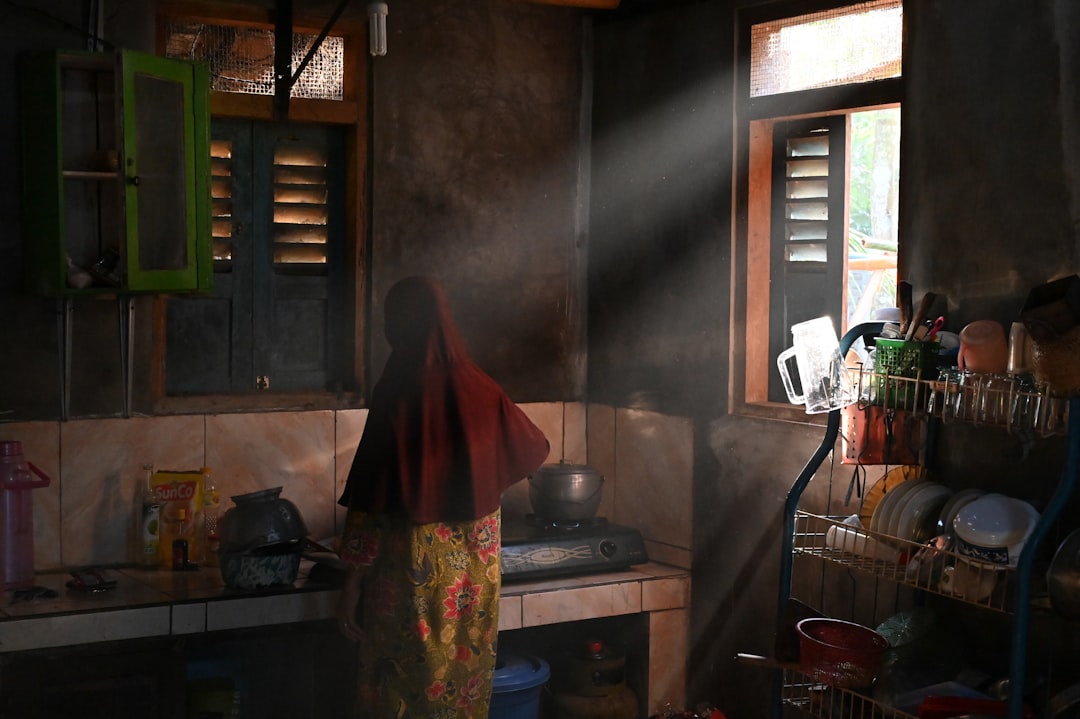

An Indian woman switching on a kitchen exhaust fan to improve ventilation as a key step to monsoon proof her home.

Monsoon proof your home, and enjoy the season

Check IMD updates regularly to time your final preparation before the rains arrive. Every household that takes these steps can truly enjoy the sound of rain on the roof.

Monsoon proof your home before June, and you protect not just the structure but the warmth inside it. India’s rains are a gift. Prepare with care, and the season becomes exactly what it should be: a time of chai, conversation, and deep comfort inside walls that hold strong.

Discover more about monsoon proof

  • India Meteorological Department: Monsoon Information and Forecasts
  • IMD Monsoon 2025 Report: Rainfall Data and Regional Analysis
  • Outlook India: Monsoon-Proofing Your Home with Moisture-Resistant Materials

author avatar
Arjun Mehta
Arjun Mehta is a Mumbai-based journalist with a background in economics from IIM Ahmedabad. He writes about India's startup ecosystem, foreign investment landscape, and the country's rapid digital transformation. His work blends sharp market analysis with real stories from entrepreneurs building India's next chapter.
See Full Bio
Previous Post

Monsoon hair: why frizz happens and 5 fixes

Next Post

D2C brand India: build yours from scratch

Related Posts

A woman in Maharashtra creating Warli art on brown paper using traditional white paint and a fine brush
Creativity

Warli art: techniques, tools, first projects

13/07/2026
A woman carefully creating a Madhubani painting on thick white paper with a fine-tipped brush
Creativity

Madhubani painting: a beginner’s guide

12/06/2026
Next Post
A young Indian woman founder speaks in a conference about building her D2C brand from home in India

D2C brand India: build yours from scratch

Leave a Reply Cancel reply

Your email address will not be published. Required fields are marked *

Truelang AI WordPress Translation Plugin Truelang AI WordPress Translation Plugin Truelang AI WordPress Translation Plugin
No Result
View All Result

Our Focus

INDIAwebzine is your international window on India: sustainable lifestyle, business, culture, sports and events for a global audience drawn to the subcontinent's vibrant and diverse scene.

Our Readers

INDIAwebzine addresses readers who engage with India at a high level: professionally, financially, strategically, and as decision-makers in their fields.

Our Approach

Lifestyle, travel, and culture are integrated as context and indicators of economic dynamism, purchasing power, and soft power — not standalone entertainment.

Recent Posts

  • Digital labels: Indian classical music goes global
  • Monsoon dal recipes from 7 Indian states

© 2025 INDIAwebzine by NOOR & NOOR.

Welcome Back!

Login to your account below

Forgotten Password? Sign Up

Create New Account!

Fill the forms bellow to register

All fields are required. Log In

Retrieve your password

Please enter your username or email address to reset your password.

Log In
Manage Consent
To provide the best experiences, we use technologies like cookies to store and/or access device information. Consenting to these technologies will allow us to process data such as browsing behavior or unique IDs on this site. Not consenting or withdrawing consent, may adversely affect certain features and functions.
Functional Always active
The technical storage or access is strictly necessary for the legitimate purpose of enabling the use of a specific service explicitly requested by the subscriber or user, or for the sole purpose of carrying out the transmission of a communication over an electronic communications network.
Preferences
The technical storage or access is necessary for the legitimate purpose of storing preferences that are not requested by the subscriber or user.
Statistics
The technical storage or access that is used exclusively for statistical purposes. The technical storage or access that is used exclusively for anonymous statistical purposes. Without a subpoena, voluntary compliance on the part of your Internet Service Provider, or additional records from a third party, information stored or retrieved for this purpose alone cannot usually be used to identify you.
Marketing
The technical storage or access is required to create user profiles to send advertising, or to track the user on a website or across several websites for similar marketing purposes.
  • Manage options
  • Manage services
  • Manage {vendor_count} vendors
  • Read more about these purposes
View preferences
  • {title}
  • {title}
  • {title}
No Result
View All Result
  • Home
    • Our Authors
    • Media Kit
    • Contact
    • Cookie Policy
    • Terms and Conditions
  • News
  • Business
  • Lifestyle
    • Gastronomy
    • Sustainable living
    • Well-being
  • Culture
  • Sports
  • Travel
  • Global India
  • Insights
  • Local Guide
    • Activities in India
    • Hotels in India
    • Nightlife in India
    • Restaurants in India
    • Services in India
    • Shopping in India

© 2025 INDIAwebzine by NOOR & NOOR.

Verified by MonsterInsights
enEnglishfrFrançaishiहिन्दी