
Hill stations across India transform in June, and travelers who head uphill find a country that feels nothing like the scorched plains below.
The case for going uphill in June
June divides India into 2 very different travel realities. In the plains, afternoons require real planning. The air is heavy, the sun is direct, and shade is never enough. In the hills, mornings open with cool air and forest sounds. Temperatures drop significantly with every 300 meters of altitude gained.

June also sits at the edge of the monsoon. The pre-monsoon moisture makes forests greener and rivers louder. Waterfalls reach full flow in the Western Ghats and the Eastern hills. The landscapes look their most alive precisely when the plains look their most exhausted.
Crowds at popular hill stations peak during school holidays in May. By mid-June, many families return home. This creates a short, valuable window. Prices soften, guesthouses have space, and trails feel genuinely quiet again.
Shimla and Manali: the northern classics
Shimla sits at around 2,200 meters in Himachal Pradesh. The colonial architecture along Mall Road gives the town a distinctive character that no other hill station in India quite matches. June temperatures stay between 15 and 25 degrees Celsius. Morning walks through pine and oak forests are a genuine pleasure.
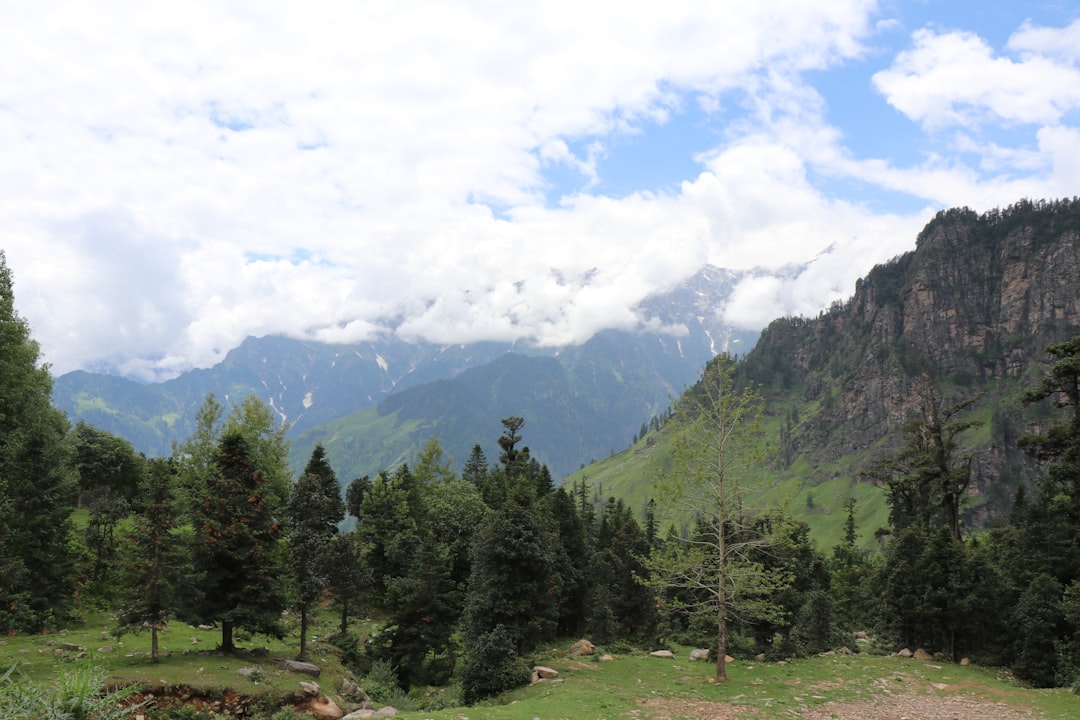
Manali sits higher, at around 2,050 meters, and connects to some of the most dramatic mountain scenery in the country. The Rohtang Pass, the gateway to Lahaul, opens in June after winter snow clears. Adventure travelers use Manali as a base for trekking, river rafting on the Beas, and paragliding above the Solang Valley.
Together, these 2 destinations cover very different traveler needs. Shimla suits those who want heritage, cafes, and easy walking. Manali suits those who want altitude, movement, and something more physical. Both reward early booking in June because transport links from Delhi fill fast.

Darjeeling and Gangtok: the eastern combination
Darjeeling sits at around 2,000 meters in West Bengal. The tea gardens here produce some of the world’s most recognized first-flush leaves, and June brings the second flush, which local tasters describe as full-bodied and complex. Tiger Hill at sunrise, on a clear day, reveals the Kangchenjunga range in a way that feels genuinely difficult to describe.
Gangtok, the capital of Sikkim, sits just a few hours away by road. The town is clean, compact, and organized well for travelers. From Gangtok, routes lead to Tsomgo Lake and toward Nathula, the historic mountain pass on the border with China. Both towns give travelers direct access to a culture that blends Tibetan, Nepali, and Bengali influences in a way that feels unique in India.
The combination of Darjeeling and Gangtok works well as a 7-night itinerary. Fly into Bagdogra, spend 3 nights in Darjeeling, then travel to Gangtok for the rest. Local shared jeeps connect the 2 towns for a very affordable fare.
What local experts say about June travel in the hills
June is genuinely one of the best months to visit India’s hill stations, though many travelers avoid it out of concern about the monsoon. The rain does arrive in the south and east first, but in much of northern India, June still offers clear mornings and dramatic skies. Experienced hill travelers know that light rain actually improves the experience. Waterfalls become spectacular. Tea gardens turn a deep, vivid green. The air smells of soil and pine. The key is preparation: good waterproof footwear, a light rain jacket, and flexibility in your daily plans. Travelers who approach June with this mindset almost always leave the hills more satisfied than those who visit during the crowded, dry months of April and May.
Industry perspective, hill station and mountain travel professionals in India
Munnar and Coorg: the southern retreats
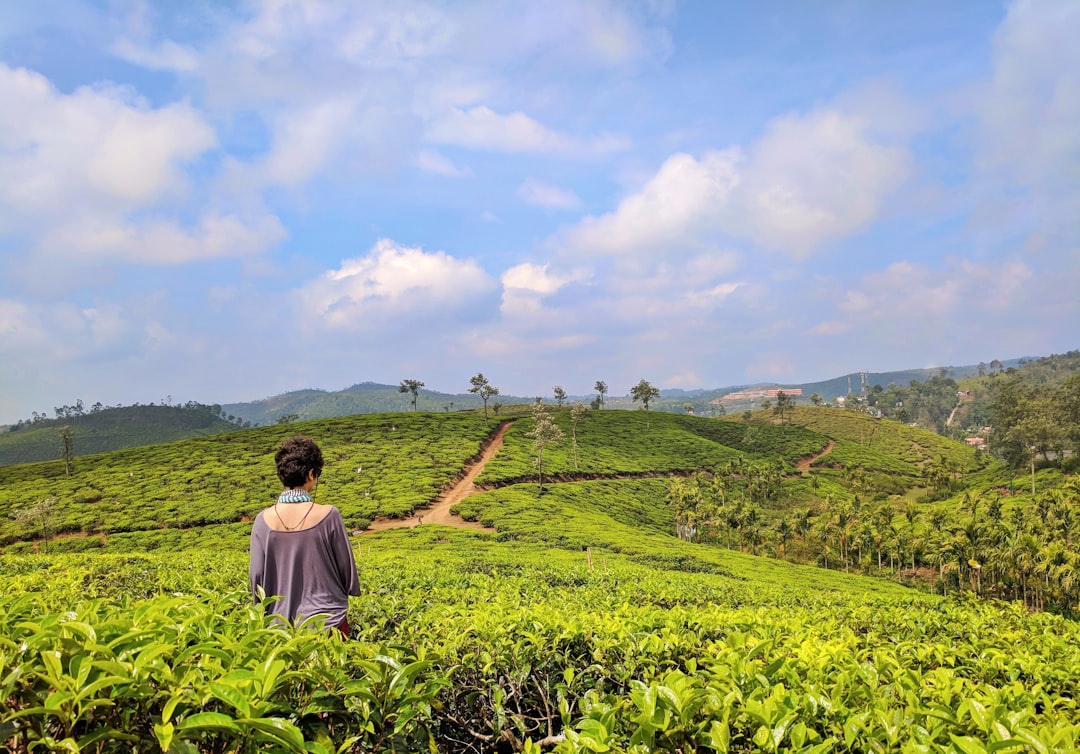
Munnar sits at around 1,600 meters in Kerala’s Western Ghats. The tea estates here cover the hillsides in precise rows of deep green. In June, the pre-monsoon mist rolls through the valleys every morning and clears by midday. The Anamudi peak, the highest point in South India at 2,695 meters, sits inside Eravikulam National Park and provides serious trekking for those who want elevation.
Coorg, known formally as Kodagu, lies in the hills of Karnataka. The district is famous for coffee plantations, pepper vines, and a military culture that runs deep in the local Kodava community. June brings cooler temperatures and softer light. Abbey Falls and Iruppu Falls reach their most impressive state during this month. The Bhadra Wildlife Sanctuary, nearby, offers morning safari drives.
Both destinations are accessible from major southern cities. Munnar is 4 to 5 hours from Kochi by road. Coorg is 5 to 6 hours from Bengaluru. Neither requires a flight, which makes spontaneous planning realistic for travelers already in the south.





Shillong and Kausani: the quiet alternatives
Shillong, the capital of Meghalaya, sits at around 1,500 meters in the northeast. The town has a music culture, a colonial past, and a surrounding landscape of waterfalls and living root bridges that makes it feel completely different from Himalayan hill stations. June suits Shillong well because the greenery is at its peak and the famous Nohkalikai Falls, one of the tallest waterfalls in India, reaches full flow.
Kausani sits in Uttarakhand at around 1,890 meters. It is smaller and quieter than Nainital or Mussoorie, and this is its main advantage in June. The views of the Trishul and Nanda Devi peaks are wide and unobstructed on clear mornings. Gandhi spent time here in 1929 and described the Himalayan sunrise as the most beautiful he had seen. The Pine Valley area around the town offers gentle trekking with almost no crowds.
Plan your hill station escape now
Hill stations are the clearest answer India offers to the question of where to go in June. The heat below makes the decision simple. The variety above makes the decision interesting. From Shimla’s colonial avenues to Shillong’s living bridges, from Munnar’s tea rows to Kausani’s open Himalayan views, these 7 hill stations each deliver something real and specific. Pack light layers and book transport early. The right hill station in June does not just lower the temperature. It changes the entire experience of travel in India.

Discover more about hill stations
- Hill Stations of India, Incredible India (Official Tourism Portal)
- Hill Stations in India, Wikivoyage Travel Guide
- Coolest Hill Stations to Visit in June, EaseMyTrip Travel Blog (2026)