
CONTACT
  • Login
  • Register
Upgrade
INDIAwebzine
Advertisement
  • Home
    • Our Authors
    • Media Kit
    • Contact
    • Cookie Policy
    • Terms and Conditions
  • News
  • Business
  • Lifestyle
    • Gastronomy
    • Sustainable living
    • Well-being
  • Culture
  • Sports
  • Travel
  • Global India
  • Insights
  • Local Guide
    • Activities in India
    • Hotels in India
    • Nightlife in India
    • Restaurants in India
    • Services in India
    • Shopping in India
  • Home
    • Our Authors
    • Media Kit
    • Contact
    • Cookie Policy
    • Terms and Conditions
  • News
  • Business
  • Lifestyle
    • Gastronomy
    • Sustainable living
    • Well-being
  • Culture
  • Sports
  • Travel
  • Global India
  • Insights
  • Local Guide
    • Activities in India
    • Hotels in India
    • Nightlife in India
    • Restaurants in India
    • Services in India
    • Shopping in India
No Result
View All Result
INDIAwebzine
No Result
View All Result
Home Luxury Lifestyle Gastronomy

Gluten-free food India: best dishes to try

India's ancient kitchen has always been kinder to gluten-free eaters than most people realize.

0
A smiling Indian woman enjoying a traditional plate of gluten-free food including dal and steamed rice at a kitchen table.

Gluten-free food in India is not a modern trend. It is a living tradition, rooted in ancient grains, vibrant spices, and regional cooking that has always put real ingredients first.

Why Indian cuisine is naturally gluten-friendly

Most Indian cuisine recipes are naturally gluten-free and include ingredients such as rice, millet, vegetables, beans, and legumes like chickpeas and lentils. This is not an accident. India’s food culture grew from the land, and the land gave us grains that need no wheat to be extraordinary. Our grandmothers cooked with jowar, bajra, and ragi long before wellness blogs existed.

Your Local Guide to India Your Local Guide to India Your Local Guide to India

Finding gluten-free options in Indian cuisine is actually easy. Most main dishes are curries with vegetables, meat, or lentils and beans. Sides are mostly rice, pickles, and yogurt, many of which are naturally gluten-free. The main gluten dish in Indian meals is flatbread, which is mostly made from whole wheat flour. So the solution is simple: know your breads, and everything else opens up.

Indian cuisine relies on spices not just for heat, but for balance and complexity. Turmeric, cumin, coriander, cardamom, ginger, and chili are all naturally gluten-free and are used in different combinations to create distinct regional flavors. These spices are the soul of every dish, and they carry no gluten at all.

The best gluten-free dishes to eat in India

Dal is perhaps the most important place to begin. Classic dishes like butter chicken, lentil dals, and vegetable curries are often gluten-free by nature, depending on preparation methods. A bowl of toor dal with steamed rice is complete nutrition, deep flavor, and zero worry. Dal tadka, dal makhani, and moong dal are all safe choices when prepared at home or in a careful kitchen.

Dosa is a type of crepe made from fermented rice and lentil batter. It is naturally gluten-free and can be served with a variety of gluten-free fillings. Pair it with sambar and coconut chutney for a breakfast that is both traditional and smart. Poha is a light and flavorful dish made from flattened rice, seasoned with turmeric, mustard seeds, and curry leaves. This dish is a staple in many Indian households and is a fantastic gluten-free food recipe for breakfast.

Chana masala features tender chickpeas in a flavorful tomato-based sauce infused with aromatic spices. Best served with a side of fluffy basmati rice, it is sure to please a crowd. Add aloo gobi, a dish of potatoes and cauliflower cooked with Indian spices, and you have a complete, satisfying meal. Kheer is a creamy rice pudding flavored with cardamom and garnished with nuts. This classic Indian dessert is naturally gluten-free and is a beloved part of gluten-free Indian recipes.

The power of millets in a gluten-free diet

Heritage or ancient gluten-free grains include bajra, jowar, ragi, amaranth, and rice. These grains did not disappear. They survived in village kitchens across Rajasthan, Maharashtra, Karnataka, and Tamil Nadu, and today they are returning to city tables with full force.

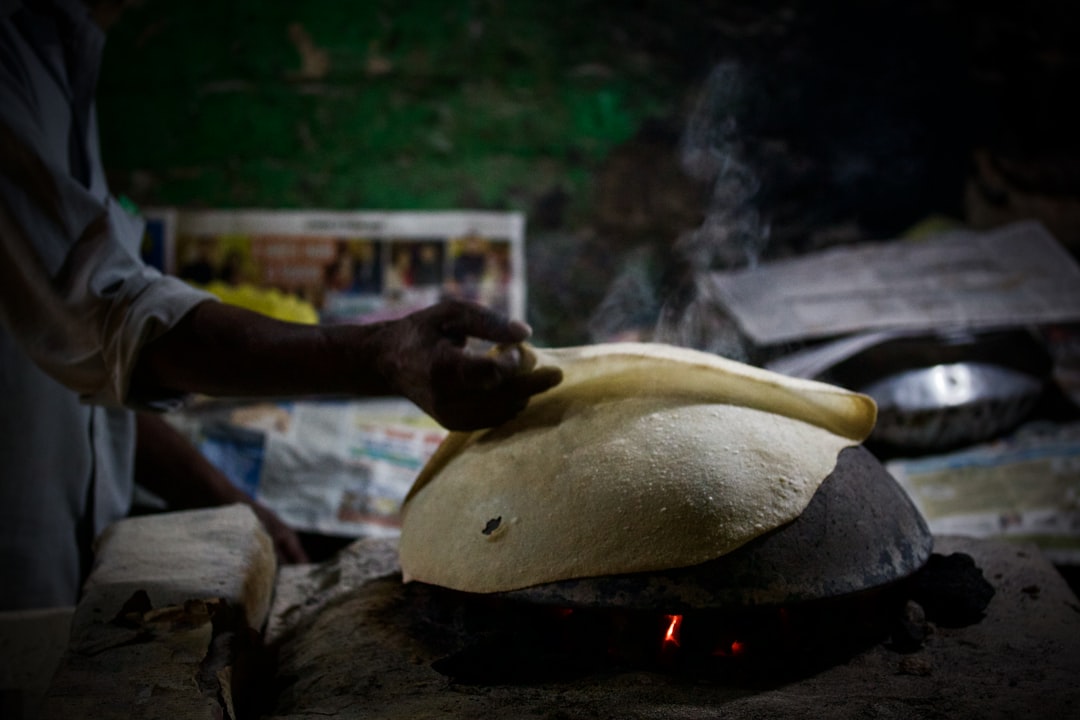
A gluten-free diet in India can align with traditional meals when millets such as jowar, bajra, and nachni are used, or when dal and rice form the staple base. Jowar roti with a green vegetable curry is a perfect everyday meal. Ragi dosa or ragi mudde, eaten widely in Karnataka, gives the body iron, calcium, and energy in a single serving. You can replace whole wheat flour with chickpea flour, jowar flour, ragi flour, or bajra flour to make Indian breads like roti or chapati.

Millets are also affordable. Some gluten-free options are pricier, but many affordable staples in India like rice and millets are budget-friendly.
-

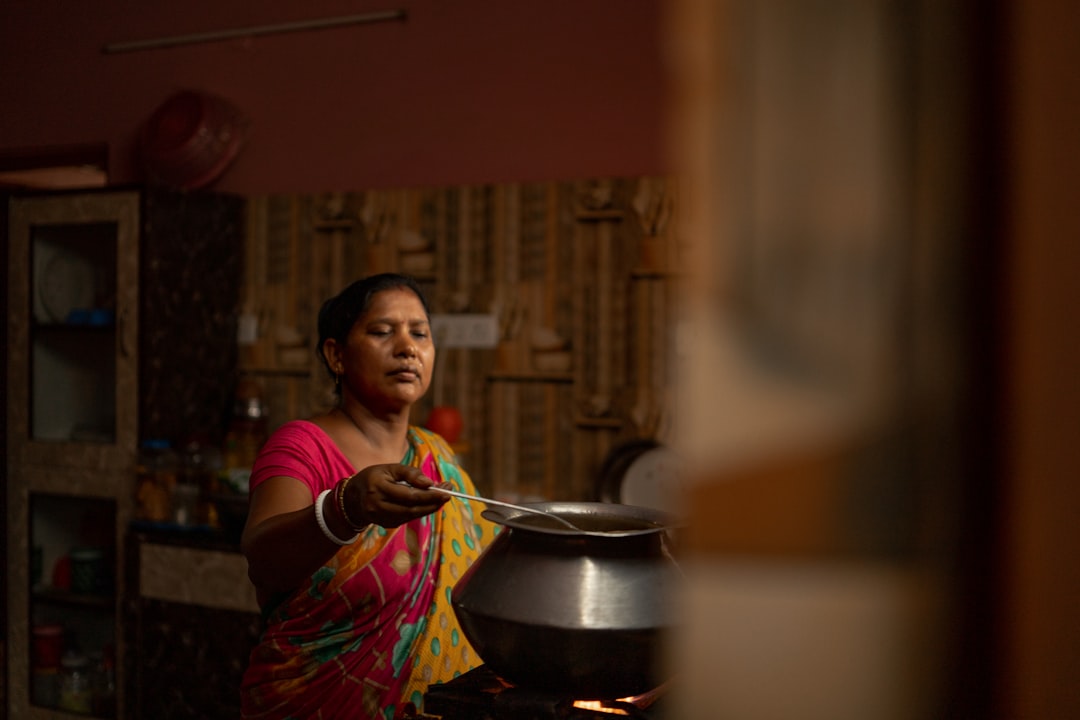
A woman stirs a pot of monsoon dal in a traditional Indian kitchen, surrounded by whole spices and steam.

Monsoon dal recipes from 7 Indian states

24/07/2026
A smiling street vendor fries golden pakoras at a busy stall, capturing the joy of monsoon street food in Delhi

Monsoon street food guide across India

08/07/2026

Filter coffee guide for home brewers in India

28/06/2026
A woman prepares a traditional ragi dosa, one of the most popular naturally gluten-free breakfast dishes.

Gluten-free Indian breakfast with millet

18/06/2026
Busy street food stalls in Chandni Chowk Old Delhi one of India's most famous destinations for food travellers

India Street Food Guide 2026: 8 Cities Must-Try

18/05/2026
Fine dining economics India featuring Michelin restaurant elegant interior for investment opportunities

Fine Dining India: Michelin Investment Guide

02/02/2026

A man in an Indian kitchen preparing millet roti as part of a wholesome gluten-free food meal with fresh vegetables.

Expert perspective on gluten-free food in India

Gluten-free food in India sits at a very interesting intersection of medical need and cultural memory. Most patients who come to us with celiac disease or gluten sensitivity are genuinely surprised to learn that so much of what their own grandparents ate was already safe. The challenge is not finding safe dishes. The challenge is urban food habits that have drifted toward maida, refined snacks, and packaged products. When we return people to rice, dal, millets, and fresh vegetables cooked simply with good spices, their symptoms improve and their confidence grows. The key message is this: you do not need to import expensive products or follow a foreign diet plan. India already has everything you need. Traditional Indian food, prepared with awareness, is one of the most naturally gluten-free diets in the world.

Nutrition and dietary health perspective, gastroenterology and clinical dietetics professionals, New Delhi


What to watch out for: hidden gluten in Indian cooking

Not every dish is automatically safe. Pure spices are naturally gluten-free. However, a potent spice called hing is often processed with wheat and could be used in chutneys, soups, and sauces. Always buy whole hing or a certified gluten-free version. Hing is one of the common spices that mostly contains gluten and is found in store-bought spice mixes in India. It is recommended to buy whole spices and make spice mixes at home to avoid cross-contamination.

Also, be careful with semolina. Many beloved snacks like upma and rava idli use sooji, which contains gluten. You can substitute semolina with gluten-free options like quinoa flakes, millet, rice, or tapioca pearls. Sabudana khichdi, a tapioca-based dish eaten across Maharashtra, is one delicious result of this simple swap.

Some Indian restaurants carry their own specific gluten-free menu or items labeled gluten-free on their regular menu. If you do not see anything labeled gluten-free, do not assume they have no options, as many Indian dishes are inherently gluten-free. Ask questions. Good kitchens respect good questions.
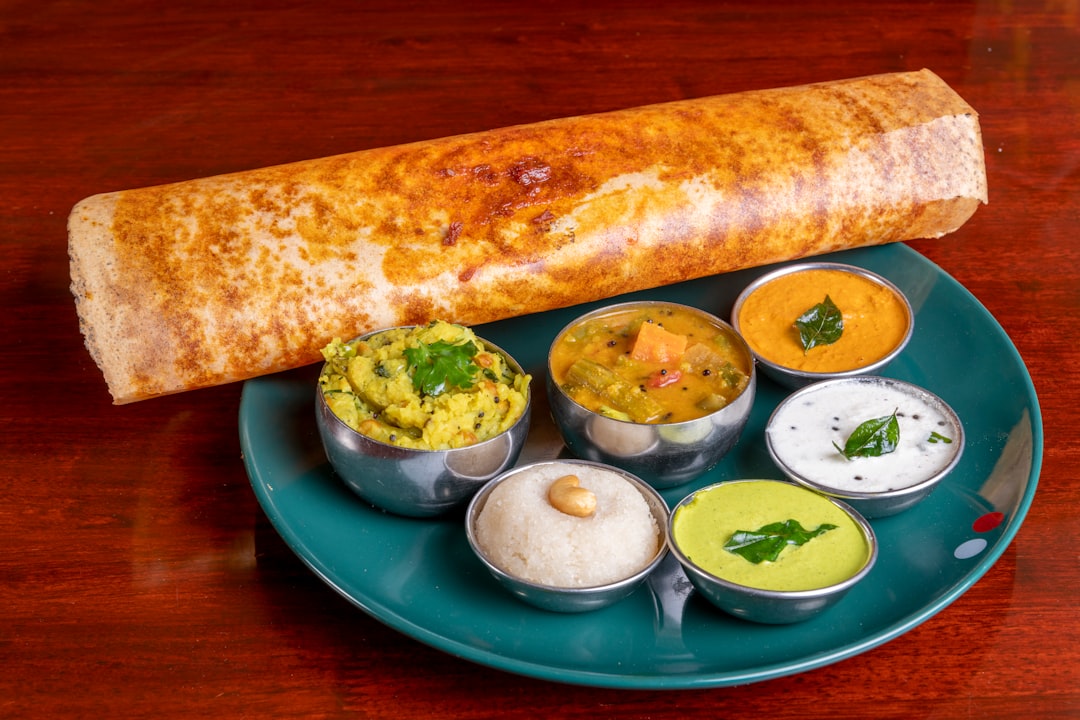
An Indian family sharing a South Indian dosa breakfast, a naturally gluten-free food served with sambar and coconut chutney.

Conclusion: gluten-free food India has always offered

Indian cuisine is rich in naturally gluten-free dishes, and most of them require no substitution, no specialist shopping, and no compromise on flavor. India’s kitchens, from a Chettinad home in Tamil Nadu to a Punjabi dhaba in Ludhiana, hold more gluten-free food than any specialty store ever could. The tradition was always there. Awareness is simply catching up with it. Choose dal. Choose dosa. Choose your millets. The gluten-free diet you are looking for has been in Indian hands for centuries.

Discover more about gluten-free food

  • FSSAI – Food Safety and Standards
  • IMARC Group: India Gluten-Free Food Market Report
  • Market Research Future: India Gluten-Free Products Market Trends

author avatar
Arjun Mehta
Arjun Mehta is a Mumbai-based journalist with a background in economics from IIM Ahmedabad. He writes about India's startup ecosystem, foreign investment landscape, and the country's rapid digital transformation. His work blends sharp market analysis with real stories from entrepreneurs building India's next chapter.
See Full Bio
Previous Post

Hill stations to cool off this June

Next Post

Indian mythology books for kids

Related Posts

A woman stirs a pot of monsoon dal in a traditional Indian kitchen, surrounded by whole spices and steam.
Gastronomy

Monsoon dal recipes from 7 Indian states

24/07/2026
A smiling street vendor fries golden pakoras at a busy stall, capturing the joy of monsoon street food in Delhi
Gastronomy

Monsoon street food guide across India

08/07/2026
Gastronomy

Filter coffee guide for home brewers in India

28/06/2026
A woman prepares a traditional ragi dosa, one of the most popular naturally gluten-free breakfast dishes.
Gastronomy

Gluten-free Indian breakfast with millet

18/06/2026
Busy street food stalls in Chandni Chowk Old Delhi one of India's most famous destinations for food travellers
Gastronomy

India Street Food Guide 2026: 8 Cities Must-Try

18/05/2026
Next Post
A mother and child reading an Indian mythology book together on the floor at home

Indian mythology books for kids

Leave a Reply Cancel reply

Your email address will not be published. Required fields are marked *

Truelang AI WordPress Translation Plugin Truelang AI WordPress Translation Plugin Truelang AI WordPress Translation Plugin
No Result
View All Result

Our Focus

INDIAwebzine is your international window on India: sustainable lifestyle, business, culture, sports and events for a global audience drawn to the subcontinent's vibrant and diverse scene.

Our Readers

INDIAwebzine addresses readers who engage with India at a high level: professionally, financially, strategically, and as decision-makers in their fields.

Our Approach

Lifestyle, travel, and culture are integrated as context and indicators of economic dynamism, purchasing power, and soft power — not standalone entertainment.

Recent Posts

  • Digital labels: Indian classical music goes global
  • Monsoon dal recipes from 7 Indian states

© 2025 INDIAwebzine by NOOR & NOOR.

Welcome Back!

Login to your account below

Forgotten Password? Sign Up

Create New Account!

Fill the forms bellow to register

All fields are required. Log In

Retrieve your password

Please enter your username or email address to reset your password.

Log In
Manage Consent
To provide the best experiences, we use technologies like cookies to store and/or access device information. Consenting to these technologies will allow us to process data such as browsing behavior or unique IDs on this site. Not consenting or withdrawing consent, may adversely affect certain features and functions.
Functional Always active
The technical storage or access is strictly necessary for the legitimate purpose of enabling the use of a specific service explicitly requested by the subscriber or user, or for the sole purpose of carrying out the transmission of a communication over an electronic communications network.
Preferences
The technical storage or access is necessary for the legitimate purpose of storing preferences that are not requested by the subscriber or user.
Statistics
The technical storage or access that is used exclusively for statistical purposes. The technical storage or access that is used exclusively for anonymous statistical purposes. Without a subpoena, voluntary compliance on the part of your Internet Service Provider, or additional records from a third party, information stored or retrieved for this purpose alone cannot usually be used to identify you.
Marketing
The technical storage or access is required to create user profiles to send advertising, or to track the user on a website or across several websites for similar marketing purposes.
  • Manage options
  • Manage services
  • Manage {vendor_count} vendors
  • Read more about these purposes
View preferences
  • {title}
  • {title}
  • {title}
No Result
View All Result
  • Home
    • Our Authors
    • Media Kit
    • Contact
    • Cookie Policy
    • Terms and Conditions
  • News
  • Business
  • Lifestyle
    • Gastronomy
    • Sustainable living
    • Well-being
  • Culture
  • Sports
  • Travel
  • Global India
  • Insights
  • Local Guide
    • Activities in India
    • Hotels in India
    • Nightlife in India
    • Restaurants in India
    • Services in India
    • Shopping in India

© 2025 INDIAwebzine by NOOR & NOOR.

Verified by MonsterInsights
enEnglishfrFrançaishiहिन्दी