

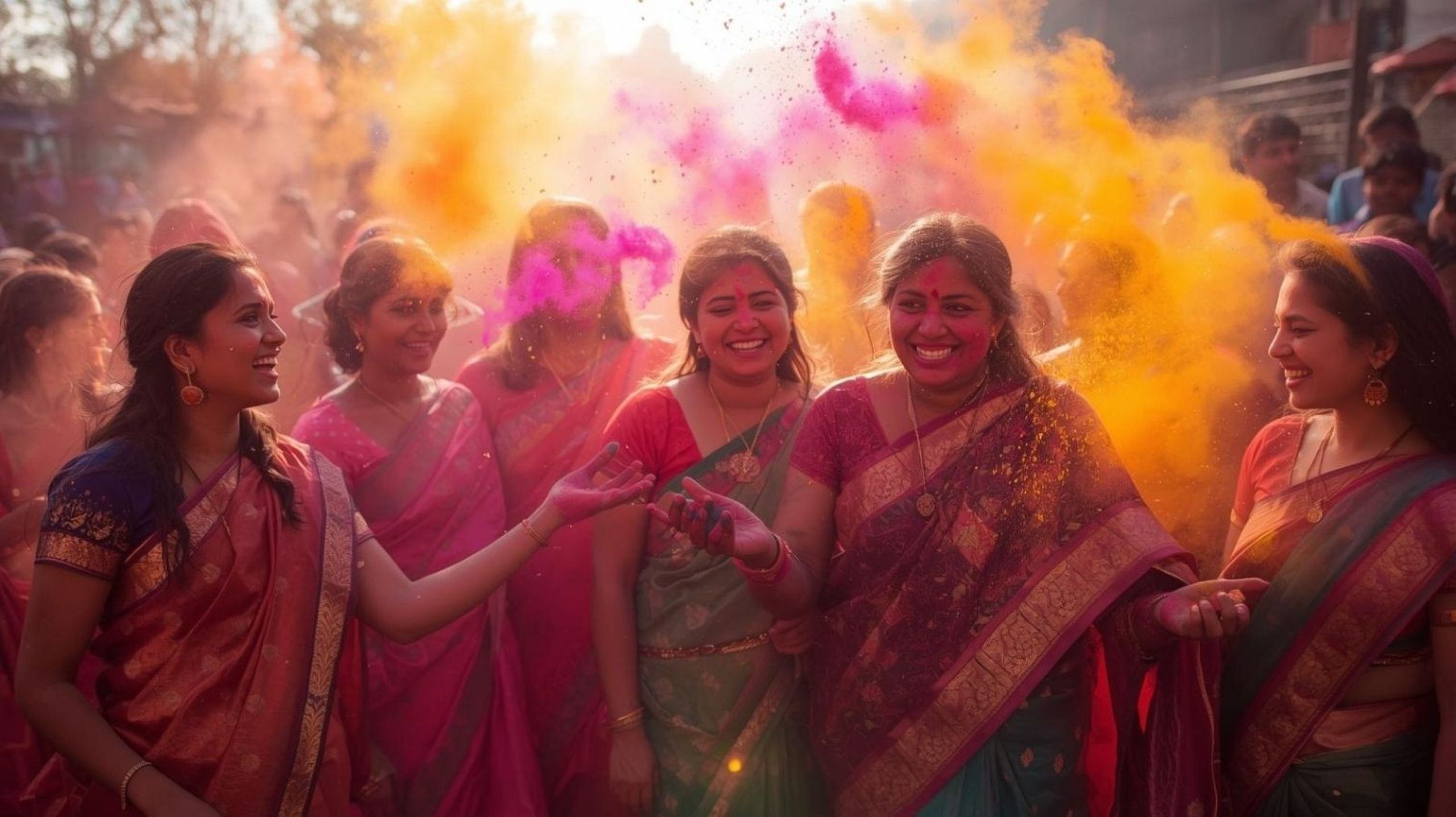
Why Visit India’s Holi Festival Destinations in 2026?
Holi festival represents India’s most visually spectacular celebration with color powders and water. Furthermore, the participatory nature breaks social barriers as strangers drench each other joyfully. This inclusive atmosphere creates unique cultural experiences impossible to replicate outside festival context.
Additionally, each Holi festival destination offers distinct regional traditions and celebration styles. For instance, Mathura’s religious processions differ completely from Mumbai’s beach parties. This diversity allows visitors selecting experiences matching their comfort levels and interests.
Meanwhile, March timing provides pleasant weather across most Holi festival destinations averaging 20-30°C. Specifically, the winter chill subsides while summer heat hasn’t arrived yet. This comfortable climate encourages outdoor participation in daylong festivities without weather concerns.
Traditional Holi Festival: Mathura, Vrindavan, and Barsana
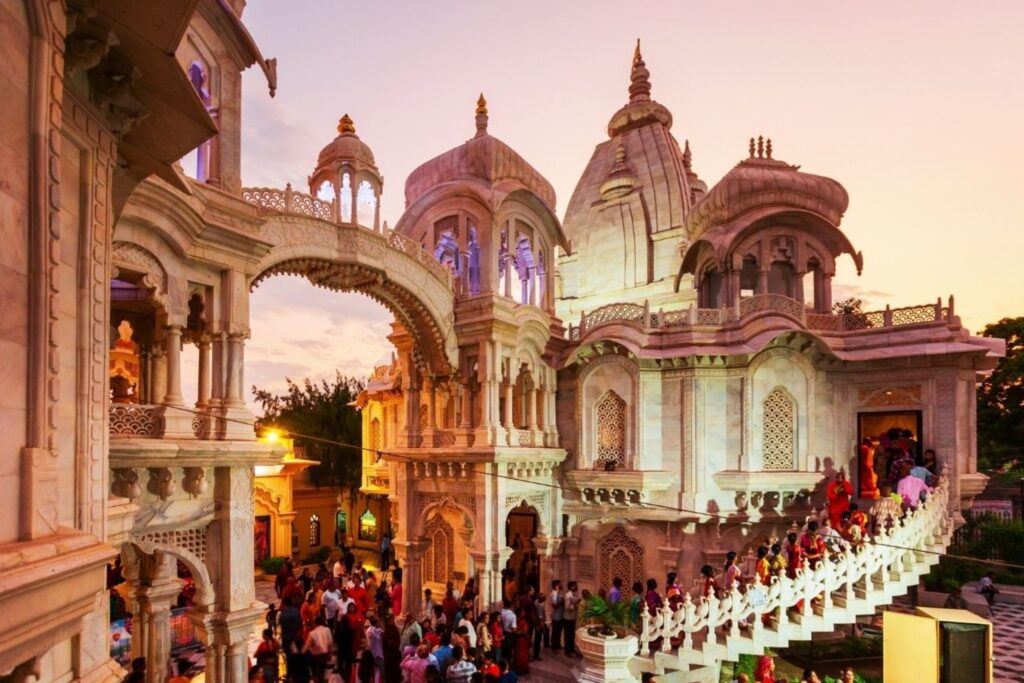
Mathura and Vrindavan represent Holi festival’s spiritual heartland where Lord Krishna played historically. Moreover, week-long celebrations begin days before the actual festival with temple ceremonies. The Banke Bihari Temple in Vrindavan hosts flower Holi with rose petals instead of colors.
Additionally, Barsana’s Lathmar Holi festival features women playfully beating men with sticks traditionally. For example, this unique celebration reenacts Krishna’s visit to Radha’s village creating theatrical atmosphere. Thousands of tourists witness this spectacle occurring one week before the main festival.
The Holi festival experience in these towns combines devotion with celebration authentically and intensely. Furthermore, accommodations fill months ahead requiring advance bookings for reasonable rates and locations. Conservative dress and respectful behavior remain essential when visiting these sacred sites.

Royal and Contemporary Holi Festival Celebrations
Jaipur’s City Palace hosts royal Holi festival celebrations recreating Maharaja-era traditions elegantly. Moreover, the event features elephant processions, folk performances, and organic color play. Ticket prices range ₹2,000-5,000 for this exclusive cultural experience with limited capacity.
Additionally, Udaipur’s Mewar royal family organizes Holi festival gatherings at City Palace overlooking Lake Pichola. Both destinations offer luxury hotel packages combining accommodation with event access at properties like Taj Lake Palace. These heritage experiences provide sophisticated alternatives to chaotic street celebrations safely.





Mumbai’s beach Holi festival parties at Juhu and Versova attract young crowds with DJs and rain dance. Furthermore, organized events like Zoom Holi offer live music and color play with tickets costing ₹500-1,500. Goa’s celebrations blend Indian traditions with beach party atmosphere at venues across Anjuna and Vagator.

Onam festival: Kerala’s harvest goes global
Onam festival is no longer just Kerala's harvest celebration. It is a 10-day global ritual of homecoming, plant-based eating, mindful...

Kerala retreats for Ayurvedic reset
Kerala retreats during Onam season offer something rare: the chance to celebrate one of India's most beloved festivals while undergoing...

Zero-chemical cleaning kit for Indian homes
A zero-chemical cleaning kit does not require a specialty store or a large budget. India's own kitchen shelves hold 5...
Carnatic music: a complete beginner’s guide
Carnatic music is one of South India's most profound classical traditions, built around ragas, rhythm, and centuries of devotional composition....
Planning Your Holi Festival Journey Successfully
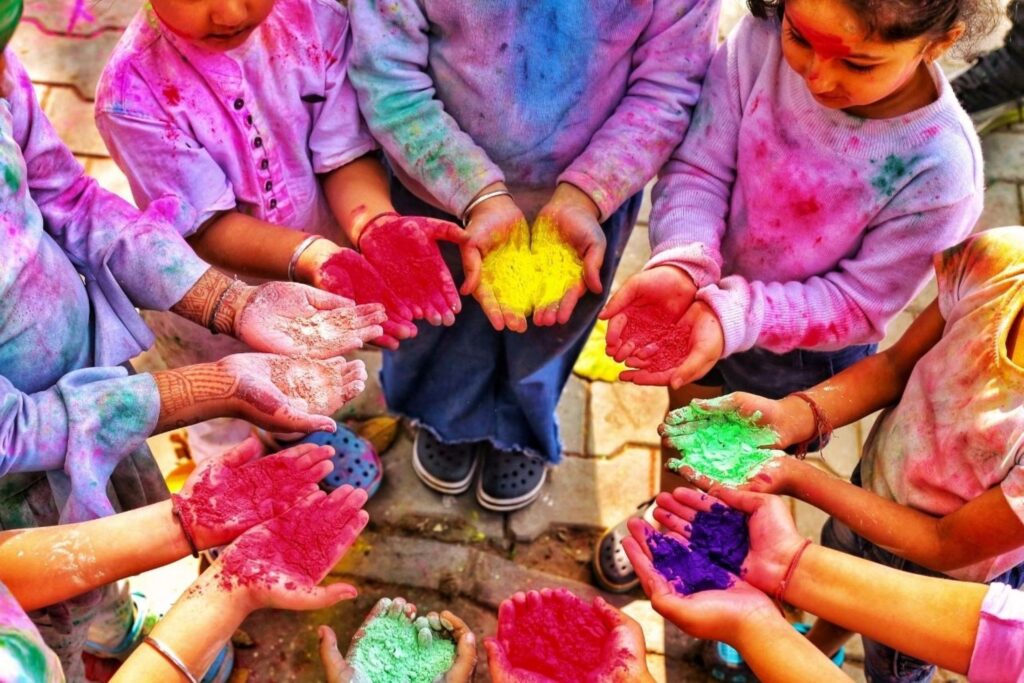
Booking accommodations 2-3 months ahead secures reasonable Holi festival rates before prices triple. Moreover, popular destinations like Mathura and Jaipur fill completely requiring even earlier reservations. Comparing hotel, hostel, and Airbnb options across platforms maximizes value and safety.
Additionally, protecting electronics and valuables remains essential during Holi festival celebrations everywhere. For instance, waterproof pouches, old clothes, and coconut oil on skin/hair prevent damage. Most hotels provide lockers for storing items safely during outdoor participation periods.
Post-Holi festival skin care includes immediate oil-based cleansing removing colors before water exposure. Furthermore, herbal products work better than harsh soaps preventing irritation from chemical powders. Hydration and rest help recovery after exhausting daylong celebrations under sun exposure consistently.









“A vibrant and beautifully crafted guide to experiencing Holi 2026 in all its cultural glory. This article captures the true essence of India’s most colorful festival, perfectly balancing the spiritual heritage of Braj with the regal sophistication of Rajasthan’s celebrations.
What makes this piece particularly valuable for 2026 is the focus on ‘Immersive and Responsible Tourism.’ It’s inspiring to see how destinations like Shantiniketan and Udaipur have integrated sustainable practices and community-led storytelling into their festivities. Your recommendations for Mathura and Vrindavan highlight a deep respect for tradition, while the mention of the Royal Holi in Udaipur showcases the luxury segment of Indian cultural tourism that continues to captivate global travelers.
In an era where travelers seek more than just sightseeing—longing instead for authentic participation—this guide serves as a definitive roadmap. Thank you for showcasing the diversity of India’s festive spirit and for providing such practical, high-quality insights for anyone looking to witness the kaleidoscope of colors that define our shared humanity. A brilliant read for both domestic explorers and international tourists alike!
A vibrant and beautifully crafted guide to experiencing Holi 2026 in all its cultural glory. This article captures the true essence of India’s most iconic festival, perfectly balancing the raw spiritual heritage of the Braj region with the regal sophistication of Rajasthan’s royal celebrations.
What makes this piece particularly valuable for 2026 is the focus on ‘Immersive and Responsible Tourism.’ It is inspiring to see how destinations like Shantiniketan and Udaipur have successfully integrated sustainable practices and community-led storytelling into their festivities. In an era where global travelers are moving away from surface-level sightseeing toward authentic participation, your recommendations provide a definitive roadmap for those seeking a meaningful connection with India’s living heritage.
Furthermore, your analysis of how these celebrations act as a catalyst for local economies—empowering regional artisans and hospitality providers—is spot on. This is a must-read for both domestic explorers and international tourists looking to witness the kaleidoscope of colors that define our shared humanity. Thank you for showcasing the diversity and resilience of India’s festive spirit!
A vibrant and beautifully crafted guide to experiencing Holi 2026 in all its cultural glory. This article captures the true essence of India’s most iconic festival, perfectly balancing the raw spiritual heritage of the Braj region with the regal sophistication of Rajasthan’s royal celebrations.
What makes this piece particularly valuable for 2026 is the focus on ‘Immersive and Responsible Tourism.’ It is inspiring to see how destinations like Shantiniketan and Udaipur have successfully integrated sustainable practices and community-led storytelling into their festivities. In an era where global travelers are moving away from surface-level sightseeing toward authentic participation, your recommendations provide a definitive roadmap for those seeking a meaningful connection with India’s living heritage.
Furthermore, your analysis of how these celebrations act as a catalyst for local economies—empowering regional artisans and hospitality providers—is spot on. This is a must-read for both domestic explorers and international tourists looking to witness the kaleidoscope of colors that define our shared humanity. Thank you for showcasing the diversity and resilience of India’s festive spirit
Been to Vrindavan for Holi twice now and I’d warn anyone reading this that the celebrations in the temples are genuinely overwhelming, especially for solo female travelers, the article makes it sound prettier than it sometimes is. That said, the dawn ceremony at Banke Bihari temple is one of those experiences you carry with you forever. Shantiniketan is criminally underrated, the way Tagore reimagined Basanta Utsav with classical dance is so different from the chaos elsewhere. Wish more pieces highlighted that contrast instead of just listing destinations.