

Why Are Classical Arts Experiencing Revival in India?
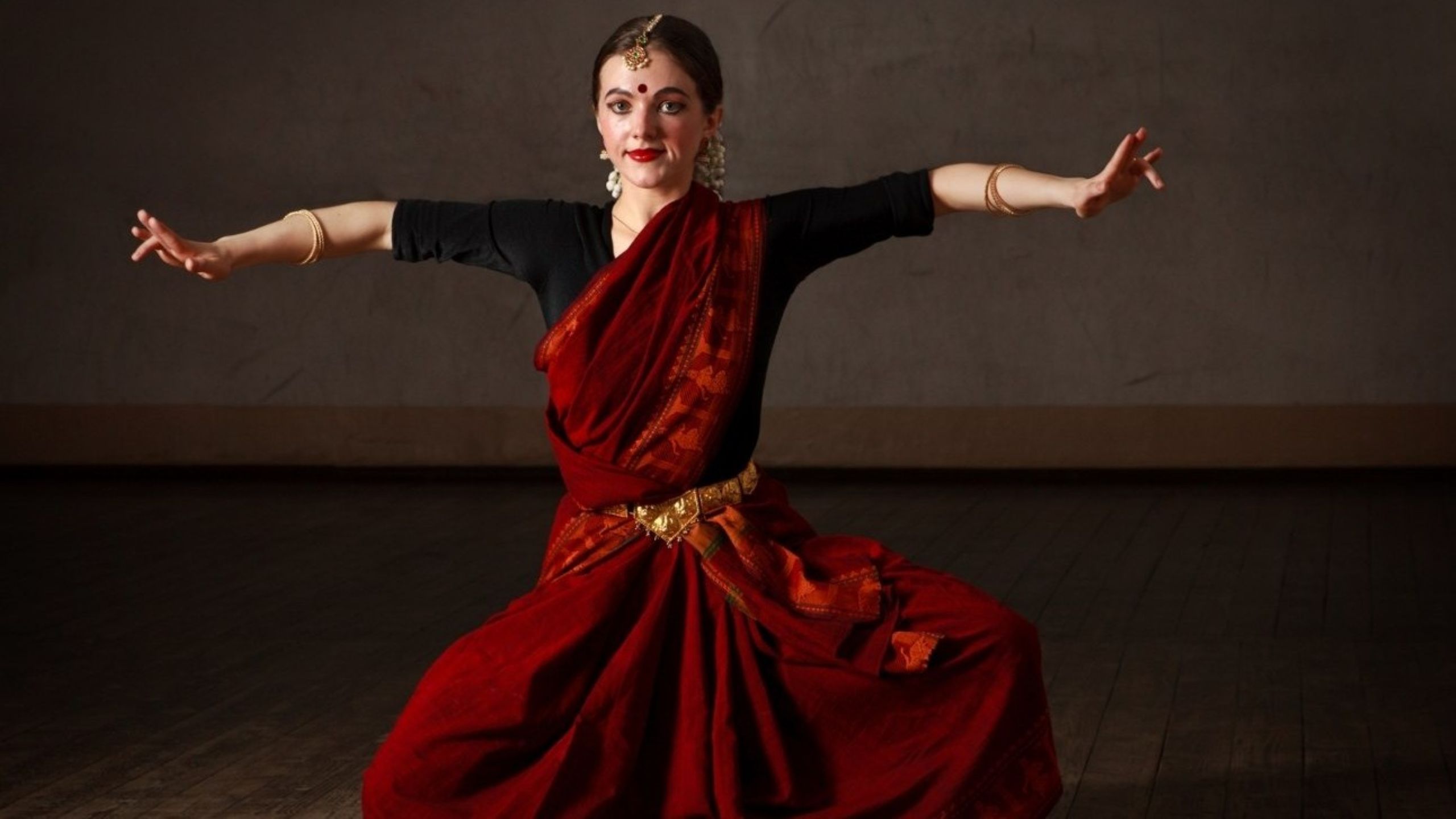
India’s classical arts resurgence stems from growing cultural pride among urban youth. Furthermore, globalization paradoxically strengthens appreciation for authentic Indian heritage and traditions. Young Indians seek connections to roots that define their unique identity.

Additionally, social media platforms enable classical arts visibility reaching millions of viewers. Performers showcase Odissi dances and Hindustani vocals attracting international audiences effortlessly. This digital exposure democratizes access beyond traditional sabhas and concert halls.
Meanwhile, government initiatives like Sangeet Natak Akademi awards recognize classical arts excellence. For instance, increased funding supports gurukuls, festivals, and artist residencies nationwide. These investments sustain ecosystems allowing classical arts practitioners to thrive professionally.
What Drives Contemporary Classical Arts Market Growth?
Digital platforms revolutionize how audiences discover and consume classical arts performances today. Moreover, YouTube channels dedicated to Bharatanatyam tutorials attract millions of subscribers globally. This accessibility transforms niche art forms into mainstream cultural phenomena rapidly.
Additionally, fusion collaborations between classical arts and contemporary genres attract new audiences. For example, Carnatic musicians collaborate with electronic artists creating innovative soundscapes. These experiments honor tradition while appealing to modern sensibilities effectively.
Corporate sponsorships and brand partnerships provide crucial financial support for classical arts. Specifically, companies sponsor music festivals and dance productions as cultural marketing strategies. This funding enables larger productions and fair compensation for performers consistently.

How Do Educational Markets Support Classical Arts?
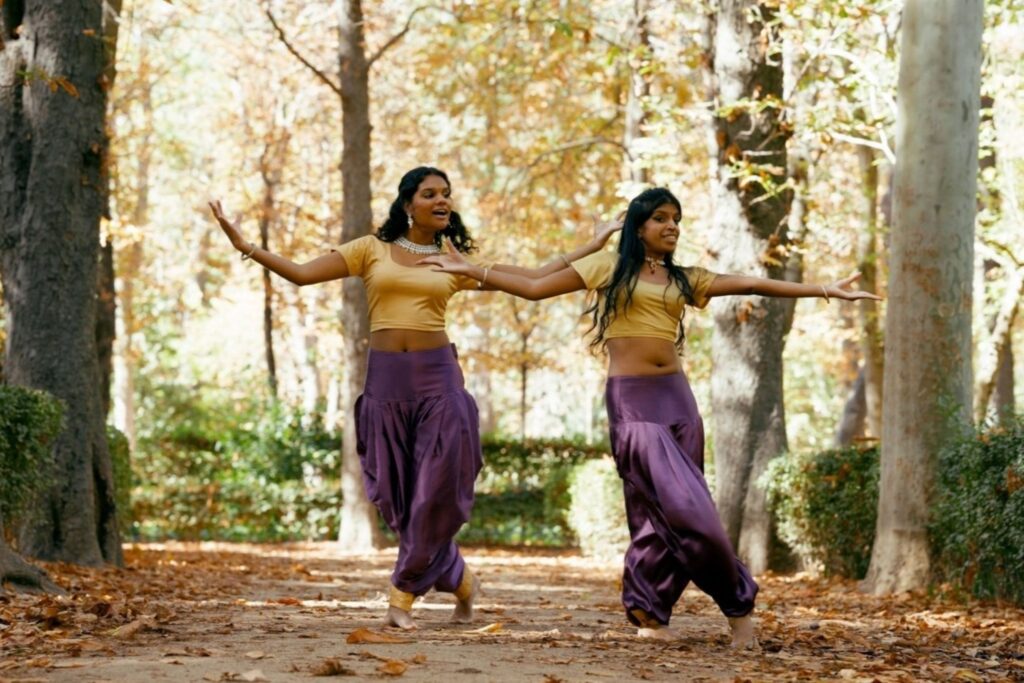
Classical arts education experiences explosive demand among middle-class Indian families currently. Furthermore, parents enroll children in Kathak and Bharatanatyam classes developing discipline and culture. This trend creates sustainable income for thousands of teachers across India.
Additionally, online classical arts academies overcome geographic barriers enabling global student access. For instance, gurujis teach Carnatic vocals via Zoom to students in America. This digital transition expands markets beyond local communities dramatically over time.






Professional training institutions produce skilled classical arts performers entering the market annually. Indeed, schools like Kalakshetra and Gandharva Mahavidyalaya maintain rigorous standards preserving authenticity. These graduates populate performance circuits, teaching positions, and cultural organizations nationwide.


Onam festival: Kerala’s harvest goes global
Onam festival is no longer just Kerala's harvest celebration. It is a 10-day global ritual of homecoming, plant-based eating, mindful...

Kerala retreats for Ayurvedic reset
Kerala retreats during Onam season offer something rare: the chance to celebrate one of India's most beloved festivals while undergoing...

Zero-chemical cleaning kit for Indian homes
A zero-chemical cleaning kit does not require a specialty store or a large budget. India's own kitchen shelves hold 5...

Carnatic music: a complete beginner’s guide
Carnatic music is one of South India's most profound classical traditions, built around ragas, rhythm, and centuries of devotional composition....
How Do Challenges and Innovations Shape Classical Arts Future?
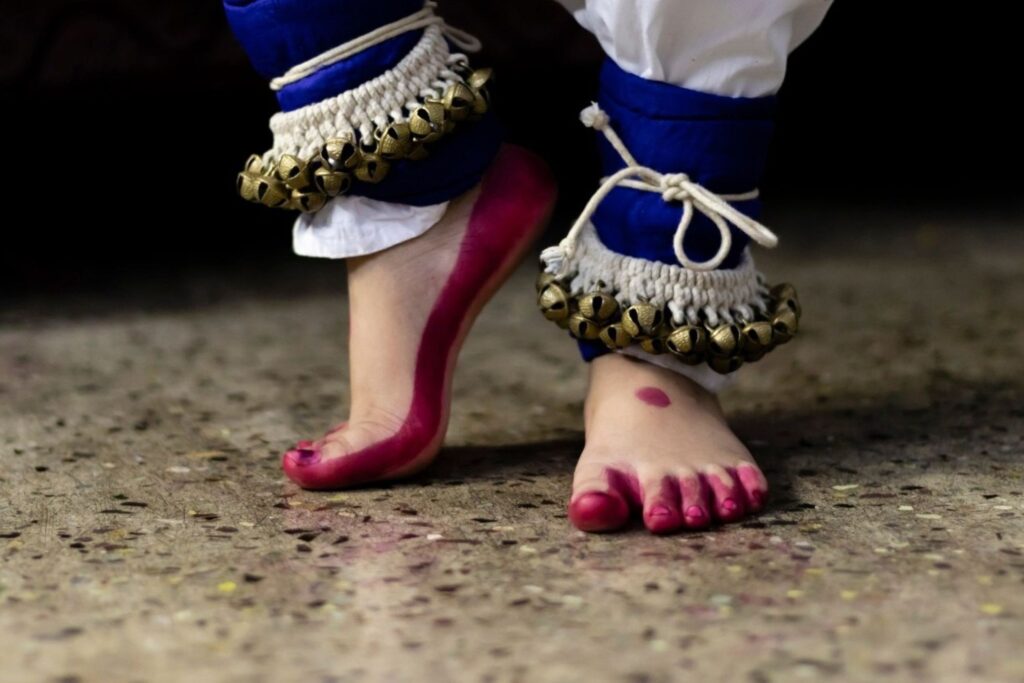
Urban lifestyles challenge classical arts learning requiring years of dedicated practice. Furthermore, fast-paced careers leave limited time for rigorous training schedules. This reality affects student retention and the depth of training quality.
However, innovations like weekend intensives and modular learning address time constraints effectively. Additionally, bite-sized online tutorials make classical arts accessible despite busy schedules. These adaptations preserve essence while accommodating contemporary lifestyle demands realistically.
Financial sustainability remains challenging for mid-career classical arts practitioners without fame. Moreover, inconsistent income and lack of retirement benefits deter talented individuals. Addressing these economic realities proves essential for sustaining the revival long-term successfully.








An exceptional and visionary analysis of the cultural renaissance unfolding in India as we traverse 2026. This article perfectly captures the strategic pivot of Indian classical arts from ‘preservation-led’ initiatives to a ‘market-led’ creative economy. It is truly transformative to see how ancient heritage is being redefined as a high-value, global economic asset.
The integration of digital monetization—specifically through blockchain for IP rights and immersive VR platforms for classical performances—is a masterclass in ‘Digital Preservation.’ By 2026, the democratization of access to these elite art forms through the ‘Creator-to-Global’ pipeline is not just preserving our past; it is funding our future. I particularly appreciate your insight into how ‘Cultural Capital’ is now being quantified as a key pillar of national soft power, attracting a new demographic of high-net-worth global patrons and investors who value authenticity as the ultimate luxury.
Thank you for this rigorous synthesis of aesthetic tradition and futuristic fiscal strategies. This is a must-read for any global stakeholder looking to understand the intersection of ancient wisdom and the multi-billion dollar ‘Experience Economy’ of the modern era. A brilliant contribution to the discourse on India’s creative sovereignty.
This article provides a visionary and highly sophisticated analysis of the ‘Cultural Renaissance’ currently reshaping India’s classical arts market in 2026. It is truly fascinating to observe how traditional heritage is being successfully decoupled from the ‘preservation-only’ mindset and reimagined as a dynamic, high-value asset within the global creative economy.
Your insights into the integration of Web3 and immersive VR platforms are particularly compelling. These technologies aren’t just modernizing the performance; they are democratizing access and creating robust, transparent monetization models for artisans and performers through decentralized intellectual property rights. By 2026, it’s clear that India’s classical arts have moved beyond the stage to become a key pillar of the nation’s ‘Soft Power’ strategy, attracting a new generation of global patrons who value authenticity as the ultimate luxury.
Furthermore, the synergy between technology and tradition highlighted in this piece serves as a masterclass in ‘Digital Preservation.’ Thank you for this rigorous synthesis of aesthetic beauty and futuristic fiscal strategy. This is an essential read for anyone tracking the intersection of heritage, technology, and economic resilience in the modern era. A brilliant perspective on the evolution of India’s creative sovereignty
Really interesting piece! It’s so good to see Indian classical arts making such a strong comeback in 2026. Merging traditional culture with a growing market is a great sign for the future of these art forms. Thanks for sharing
My grandmother spent forty years teaching Kathak in a small Pune studio that nearly closed three times for lack of students, so reading about this revival now feels bittersweet honestly. The piece is right that government grants alone never saved these forms, what changed is the social media exposure and young patrons treating it as cultural capital again. I do wonder if the commercial boom will end up flattening the regional gharanas though, that worries me. Still, better this problem than the slow death we were watching ten years ago.
The 60 to 80 percent figure for new buyers entering the market is the real story.