
Monsoon street food is the truest way to taste India, one rain-soaked city at a time, and the season is still here.
Pakora and chai: Delhi’s rain ritual
Monsoon in Delhi brings dark clouds, periodic showers, and the irresistible aroma of street food. The most popular monsoon comfort foods here are pakoras: freshly fried onions, potatoes, paneer, and chilli fritters served with mint chutney. This combination is not just a snack. It is a ritual that connects generations.

Among the first foods that come to mind in the rain season are pakoras. These fritters are made with gram flour and vegetables like onion, potato, or spinach, then deep fried until crisp. Their golden colour and crunchy texture make them an ideal companion to a rainy evening.
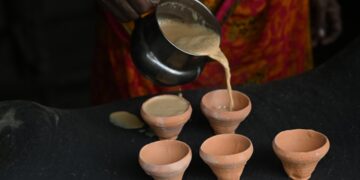
Chai is also integral to the Indian monsoon experience. The tradition of enjoying a hot chai while watching the rain pour down is deeply part of Indian culture. Monsoon chai is often brewed with cardamom, cloves, and ginger, adding a warming kick that is perfect for the season. Together, pakora and chai are not street food. They are a shared emotion.
Vada pav and bhajiyas: Mumbai’s monsoon pride
No city has romanticised rain quite like Mumbai. The monsoon turns Marine Drive into a fog-covered walkway with admirable sea views. Vada pav is the king of rainy days: a spicy potato fritter sandwiched in a bun with chutneys and fresh green chilli.
In Mumbai, bhajiyas are particularly popular during the rains. Street vendors sell them and people from all walks of life enjoy them, huddling under makeshift shelters to escape the downpour. The scene is distinctly Mumbai: loud, warm, and completely alive.
Khichuri and telebhaja: Kolkata’s soul food
Kolkata has one of the most soul-nourishing monsoon dishes: khichuri. This lentil and rice combination, often cooked with vegetables and served with fried eggplant or fish fry, perfectly reflects the monsoon comfort food of Bengal.

Telebhaja, deep-fried snacks paired with tea, is another rainy staple in Kolkata. Furthermore, the city offers other beloved snacks including aloo chop, a fried item stuffed with mashed potatoes flavoured with green peas, ginger paste, and various spices, and egg rolls, a spring roll filled with egg and spices wrapped in a flaky paratha.
The variety here reflects Kolkata’s layered history. Ancient Bengali recipes share space with street corners that buzz with modern energy.
Expert perspective on monsoon street food
India’s regional snacks have always carried more meaning than the ingredients alone suggest. During the monsoon, this is especially true. The rain creates a psychological shift in people. They crave warmth, texture, and the familiar. A plate of pakoras or a bowl of khichuri is not simply food; it is memory in physical form. What is remarkable is that these dishes remain deeply local even as India urbanises rapidly. A vada pav in Mumbai tastes different from one in Pune, and that distinction matters. Preserving these regional identities while making them accessible to younger generations is the great opportunity for India’s food culture right now.
Industry perspective, street food culture and culinary heritage professionals in India
Pyaaz kachori: Rajasthan’s flaky treasure
Another fried delight on the monsoon menu is the kachori, particularly the pyaaz (onion) and dal (lentil) variants. These flaky, deep-fried pastries are filled with a spiced mixture of onions or lentils. The pyaaz kachori is a specialty of Rajasthan, where it is often enjoyed with tangy tamarind chutney.





Pyaaz kachori is a golden pastry stuffed with spicy onion filling. Crispy on the outside and savoury on the inside, it is best enjoyed with tangy chutneys and a cup of chai. In Jaipur’s lanes, vendors serve these from early morning. The smell of hot oil and roasted spices travels far.
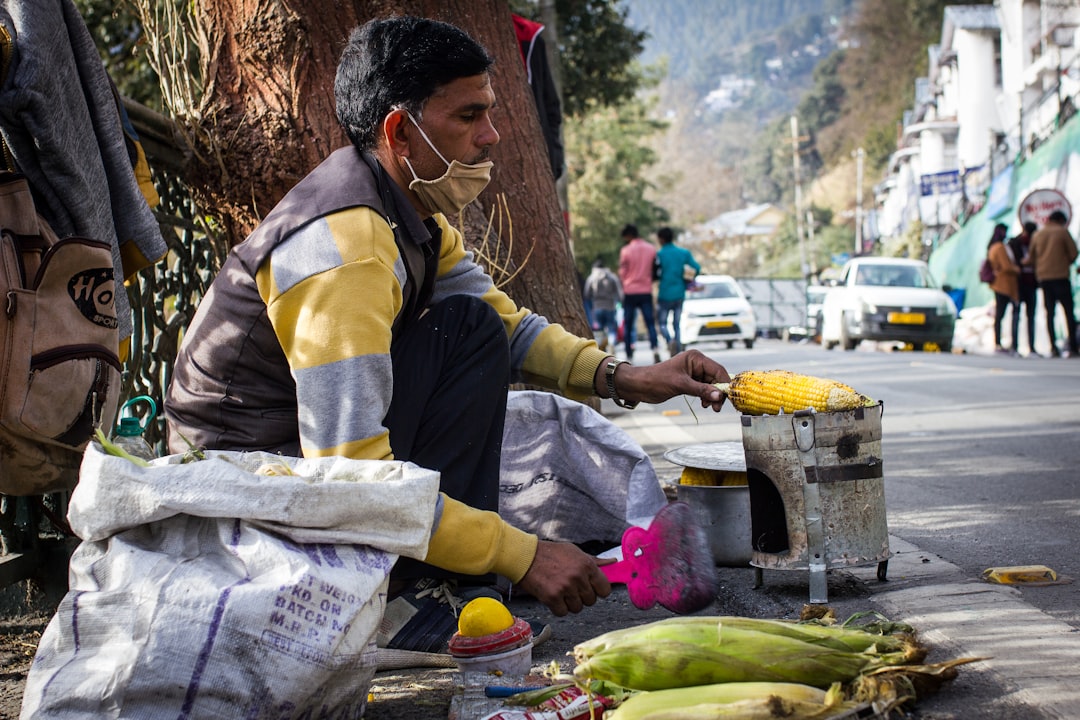
Bhutta: the roasted corn of the rains
Roasted bhutta is one of the healthiest and most loved monsoon street food items in India. Fresh corn on the cob is slowly roasted over hot charcoal until the kernels become smoky and lightly charred.
Grilled corn cobs or bhutta are a common street food staple. The Indian version is topped with masala and lemon for a uniquely regional taste. If you visit India during the monsoon, bhutta will be your perfect companion.
Additionally, food experts explain this craving through science. High humidity helps aroma molecules stay in the air longer, making fried and roasted foods smell richer. The bhutta vendor’s cart on a rain-slicked footpath is, therefore, impossible to walk past.
Medu vada: South India’s crispy comfort
Originating from South India, the medu vada is a crispy and savoury doughnut-shaped delight made from urad dal batter. Perfectly golden on the outside and soft on the inside, medu vada is typically enjoyed with coconut chutney and sambar.
Mysore bonda, golden deep-fried fluffy bites served with coconut chutney and sambar, is another beloved rain snack. It is best enjoyed with a hot filter coffee on rainy mornings in Bangalore. These southern snacks carry the weight of temple towns, coastal breezes, and ancient grain traditions.
Jalebi and ghewar: the sweet side of the season
Without jalebi, a list of monsoon foods is incomplete. These sweet spirals of deep-fried, syrup-soaked dough are a monsoon staple across India. They are best eaten hot, straight from the pan, with the syrup still running.

Ghewar is a Rajasthani honeycomb-shaped disc-like sweet that has gone from being a simple sweetmeat to finding its way into the hearts of people across India. During the monsoon, this sweet provides the calories required to give the body warmth and also aids in digestion.
India’s diverse food culture ensures that every state has something unique to offer in the monsoon. Gujarat is known for dal vada, while Maharashtra’s misal pav is a common choice. Karnataka enjoys bajjis, and Kerala prepares special dishes with jackfruit during this time. These regional foods show how the season influences eating habits differently across the country, yet the spirit of enjoying warm and flavourful dishes remains the same.
Eat it now, before the rains leave
Monsoon street food is a living map of India. Each dish tells you exactly where you are, what the soil grows, and what the people value. These 8 monsoon street food dishes are not options. They are obligations, especially while the clouds are still heavy and the air still smells of wet earth. So walk to your nearest vendor, order one more plate of monsoon street food, and remember: this season is short, but its flavours stay with you. Explore a different city, try a new regional snack, and eat your way across India while the rain still falls.
Discover more about monsoon street food
- Incredible India: Street Food and Gastronomy
- India Street Food Guide: Regional Cuisines and Popular Snacks
- Top Regional Snacks as Mainstream Foods: How Local Favourites Won India’s Heart