
एथिकल फैब्रिक यानी नैतिक कपड़ों का भारत में चलन बढ़ रहा है, और मानसून का मौसम वह समय है जब वे अपनी अहमियत साबित करते हैं—चाहे वह नम सड़कें हों, भीड़भाड़ वाले मेट्रो हों, या बारिश में भीगे चाय के स्टॉल।
एथिकल फैब्रिक और उमस का स्वाभाविक मेल क्यों है
भारत की जलवायु एक जैसी नहीं है। यहाँ बहुत विविधता है। तटीय उमस, सूखी उत्तरी गर्मी, मानसून की बारिश, हिल स्टेशन की ठंड: जो मुंबई में जून में काम आता है, वह दिल्ली में मई में पहनने लायक नहीं होता। इस विविधता का मतलब है कि कपड़े का चुनाव दुनिया में कहीं भी होने वाली पसंद से कहीं अधिक महत्वपूर्ण है।
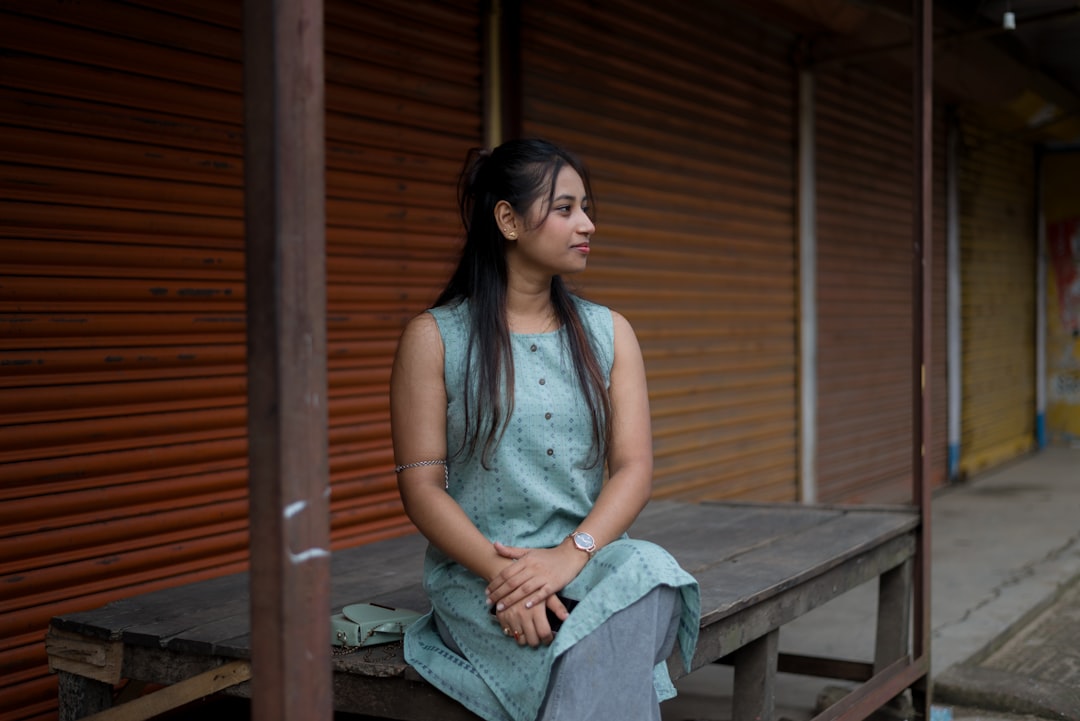
भारत में मानसून की जलवायु उमस भरी और नम होती है, जिससे भारी या हवा न आने वाले कपड़े असहज हो जाते हैं। हवादार कपड़े हवा के प्रवाह को बनाए रखते हैं, पसीने को जमने से रोकते हैं और जल्दी सूख जाते हैं, जो उन्हें इस मौसम के लिए आदर्श बनाता है। एथिकल फैब्रिक, जिनका उत्पादन कम रसायनों और निष्पक्ष श्रम प्रथाओं के साथ होता है, वे अक्सर प्राकृतिक रेशों पर निर्भर करते हैं जो बिल्कुल इसी तरह काम करते हैं।
सस्टेनेबल कपड़े तापमान को नियंत्रित करने, हवा के प्रवाह को बेहतर बनाने, नमी को बेहतर तरीके से सोखने में मदद करते हैं और आमतौर पर लंबे समय तक चलते भी हैं। यह संयोजन उन्हें आने वाले बरसात के महीनों के लिए एक समझदारी भरा विकल्प बनाता है।
खादी: मूल रूप से हवादार
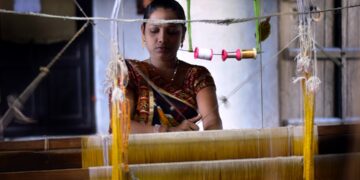
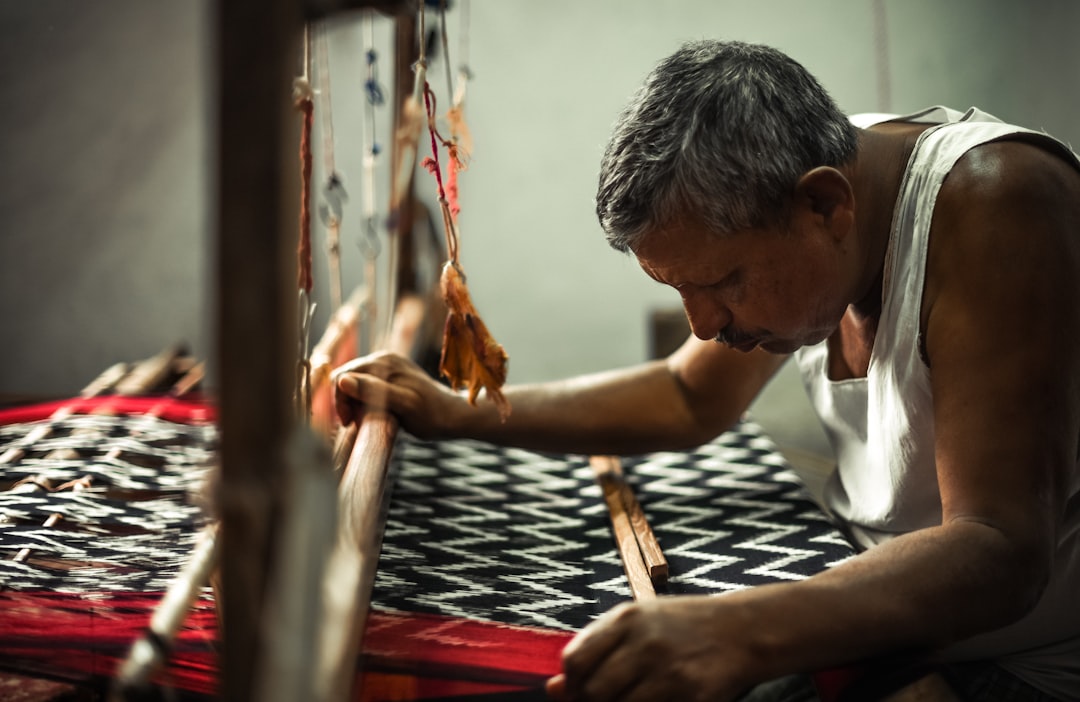
खादी आज भी विशिष्ट रूप से भारतीय है। हाथ से कता और बुना हुआ, इसका बिजली का उपयोग लगभग शून्य है, यह ग्रामीण कारीगरों का समर्थन करता है और भारतीय गर्मियों में बेहतरीन तरीके से हवा देता है। मानसून के दौरान, इसकी खुली बुनाई त्वचा पर हवा के निरंतर प्रवाह को बनाए रखती है।
खादी एक हाथ से कता और बुना हुआ कपड़ा है जो भारत के इतिहास में एक महत्वपूर्ण स्थान रखता है। मूल रूप से महात्मा गांधी द्वारा आत्मनिर्भरता के प्रतीक के रूप में लोकप्रिय, खादी कपास, रेशम या ऊन से बनाई जाती है। आज, यह उसी सांस्कृतिक गौरव को सचेत फैशन के एक नए युग में ले जा रही है।
खादी का आधुनिक संस्करण सरकारी एम्पोरियम की खुरदरी बनावट से काफी आगे निकल आया है। डिजाइनर अब इसे रेशम, मलमल और यहाँ तक कि डेनिम के साथ मिलाकर बेहतर लुक दे रहे हैं। आप इसे बारिश के दिन ऑफिस में कुर्ते के रूप में या सप्ताहांत के बाजार में आरामदायक शर्ट के रूप में पहन सकते हैं।

लिनन: जल्दी सूखने वाला और स्वाभाविक रूप से ठंडा
लिनन समर फैशन में अपना दबदबा बनाए हुए है, और सही कारण से। अलसी के रेशों से बना, लिनन स्वाभाविक रूप से हवादार है और हवा के अधिकतम प्रवाह की अनुमति देता है, जिससे यह अत्यधिक गर्मी में पहनने के लिए सबसे ठंडे कपड़ों में से एक बन जाता है। यह मानसून की उमस को भी उतनी ही सहजता से संभालता है।
लिनन एक प्राकृतिक रेशा है जो अपनी हवादार प्रकृति और नमी सोखने के गुणों के लिए जाना जाता है। यह कपास की तुलना में तेजी से सूखता है और त्वचा पर ठंडा महसूस होता है। अचानक हुई बारिश के बाद, भारतीय सड़कों पर जल्दी सूखने वाला यह गुण अमूल्य है।
कोयंबटूर और तमिलनाडु की भारतीय मिलें अब लिनन शर्ट और साड़ियाँ बना रही हैं जो यूरोपीय ब्रांडों को कम कीमत पर टक्कर देती हैं। इन मिलों का समर्थन करने का मतलब है कि आप स्थानीय उद्योग के साथ-साथ अपने आराम में भी निवेश कर रहे हैं।





ऑर्गेनिक कॉटन: हर दिन की जरूरत
ऑर्गेनिक कॉटन हानिकारक कीटनाशकों या सिंथेटिक उर्वरकों के बिना उगाया जाता है, जो इसे पर्यावरण और किसानों दोनों के लिए एक स्वस्थ विकल्प बनाता है। भारतीय ब्रांड तेजी से जैविक खेती के तरीकों को अपना रहे हैं, जिसके परिणामस्वरूप उच्च गुणवत्ता वाला कपास मिलता है जो नरम और टिकाऊ होता है।
ऑर्गेनिक कॉटन की खेती में अक्सर बारिश के पानी और पारंपरिक सिंचाई विधियों का उपयोग होता है, जिससे पानी की खपत कम होती है। हानिकारक रसायनों से मुक्त, यह संवेदनशील त्वचा के लिए सुरक्षित है। मानसून के दौरान, जब त्वचा लंबे समय तक नम रहती है, तो यह रसायन-मुक्त गुण बहुत मायने रखता है।
इसके अलावा, भारत सरकार जैविक कपास, बांस और भांग जैसे पर्यावरण के अनुकूल और टिकाऊ रेशों के उपयोग को बढ़ावा देकर हरित वस्त्रों की ओर संक्रमण को आगे बढ़ा रही है। ऑर्गेनिक कॉटन चुनना आपको सीधे उस राष्ट्रीय आंदोलन का हिस्सा बनाता है।
भारतीय फैशन में एथिकल फैब्रिक पर विशेषज्ञों का नजरिया
भारत के पास एथिकल फैब्रिक की ओर वैश्विक बदलाव में पहले से ही उल्लेखनीय लाभ है। देश में कारीगरों का आधार, प्राकृतिक रेशों की परंपराएं और पीढ़ियों तक चलने वाले और आगे बढ़ाने वाले कपड़ों की एक लंबी सांस्कृतिक स्मृति है। जो हम अभी देख रहे हैं वह सिर्फ एक चलन नहीं है। यह उन मूल्यों की वापसी है जिसे भारतीय वस्त्रों ने हमेशा संजोया है। हथकरघा और जैविक रेशे आधुनिक फैशन का विकल्प नहीं हैं। वे एक स्मार्ट और जलवायु के प्रति जागरूक फैशन प्रणाली की नींव हैं। भारतीय उपभोक्ताओं के लिए, मानसून के महीनों के दौरान हवादार, प्राकृतिक कपड़े चुनना एक व्यावहारिक और उद्देश्यपूर्ण कार्य है। हर खरीदारी जो किसी कारीगर समूह या प्रमाणित जैविक खेत का समर्थन करती है, इन परंपराओं को जीवित रखती है और अगली पीढ़ी के लिए आर्थिक रूप से व्यवहार्य बनाती है।
उद्योग का नजरिया, स्थिरता और भारत में हथकरघा कपड़ा पेशेवर
टेनसेल और बांस: आधुनिक एथिकल विकल्प
टेनसेल को लकड़ी के गूदे से एक क्लोज्ड-लूप निर्माण प्रक्रिया का उपयोग करके बनाया जाता है, जिसमें उपयोग किए गए लगभग सभी विलायकों को वापस प्राप्त कर लिया जाता है। परिणाम एक ऐसा कपड़ा है जो नरम, चिकना है और नमी को प्रबंधित करने में असाधारण रूप से अच्छा है, जो इसे भारतीय मानसून के मौसम के लिए आदर्श बनाता है।
कपास के विपरीत, टेनसेल नमी को जल्दी छोड़ता है और तेजी से सूखता है। यह उस नम, भारी अहसास का भी विरोध करता है जो लंबे समय तक उमस में कपास में विकसित हो सकता है। एक क्लासिक डिज़ाइन के साथ, टेनसेल का कुर्ता या मिडी ड्रेस सुबह के सफर से लेकर शाम की योजनाओं तक परिष्कृत दिखते हैं।
बांस का कपड़ा भारतीय मौसम के लिए सबसे बहुमुखी टिकाऊ विकल्प है। यह नमी सोखने वाला, तापमान को नियंत्रित करने वाला और स्वाभाविक रूप से हवादार है, जिसका अर्थ है कि यह तटीय उमस और शुष्क गर्मी दोनों को अधिकांश कपड़ों की तुलना में बेहतर तरीके से संभालता है। एंटीबैक्टीरियल गुण उस देश में एक वास्तविक लाभ है जहाँ गर्मी और पसीना वर्ष के आधे समय के लिए अपरिहार्य वास्तविकताएं हैं।
हेम्प: शांत उपलब्धि हासिल करने वाला
हेम्प अपने अविश्वसनीय रूप से कम पर्यावरणीय प्रभाव के कारण सबसे सम्मानित एथिकल फैब्रिक में से एक के रूप में उभर रहा है। इसके लिए कम पानी की आवश्यकता होती है, यह जल्दी बढ़ता है और इसमें बहुत कम रासायनिक प्रसंस्करण की आवश्यकता होती है। भारत के लिए, जहाँ जल संरक्षण एक गंभीर चिंता है, वह दक्षता मायने रखती है।
पुराने हेम्प के कपड़े खुरदरे होने के लिए जाने जाते थे, लेकिन नई कपड़ा तकनीकों ने हेम्प को नरम और दैनिक फैशन के लिए पहनने योग्य बना दिया है। हेम्प मिश्रण विशेष रूप से लोकप्रिय हैं क्योंकि वे हेम्प की मजबूती को कपास या बांस के रेशों की कोमलता के साथ जोड़ते हैं।
Boheco का B Label अपने हेम्प-आधारित कपड़ों के लिए उल्लेख के योग्य है। हेम्प कपास की तुलना में बहुत कम पानी का उपयोग करता है, मिट्टी को पुनर्जीवित करता है और तेजी से बढ़ता है। Boheco ने भारत में इसे एक वार्डरोब फैब्रिक के रूप में सामान्य बनाने में मदद की है। ढीली हेम्प पतलून या एक आरामदायक ओवरशर्ट उन उमस भरे दिनों के लिए एकदम सही हैं जब आपको अपने आसपास जगह और हवा की आवश्यकता होती है।
इस सीजन में इरादे के साथ कपड़े पहनें
एथिकल फैब्रिक कोई समझौता नहीं है। वे एक अपग्रेड हैं। ऊपर दिए गए 6 विकल्पों में से प्रत्येक उमस को कुशलता से संभालता है, भारत की समृद्ध कपड़ा कहानी से जुड़ता है, और उन्हें बनाने वाले लोगों का समर्थन करता है। भारत के पास पहले से ही कारीगरों का आधार, प्राकृतिक रेशे, और लंबे समय तक चलने वाले और आगे बढ़ाने वाले कपड़ों की सांस्कृतिक स्मृति है। इस मानसून, एथिकल फैब्रिक आपको उस विरासत को आत्मविश्वास और गर्व के साथ पहनने का हर कारण देते हैं। 1 कपड़े से शुरुआत करें। देखें कि यह कैसा महसूस होता है। फिर अपने वॉर्डरोब को वहां से आगे बढ़ाएं।
एथिकल फैब्रिक के बारे में और जानें
- इंडिया गोज़ ग्रीन: टेक्सटाइल इंडस्ट्री, Invest India
- ग्रीन टेक्सटाइल्स और स्मार्ट फैब्रिक्स: निवेशकों के लिए नई सीमा, Invest India
- भारत में सस्टेनेबल फैशन: शीर्ष कपड़े और रुझान, KuchBhi