

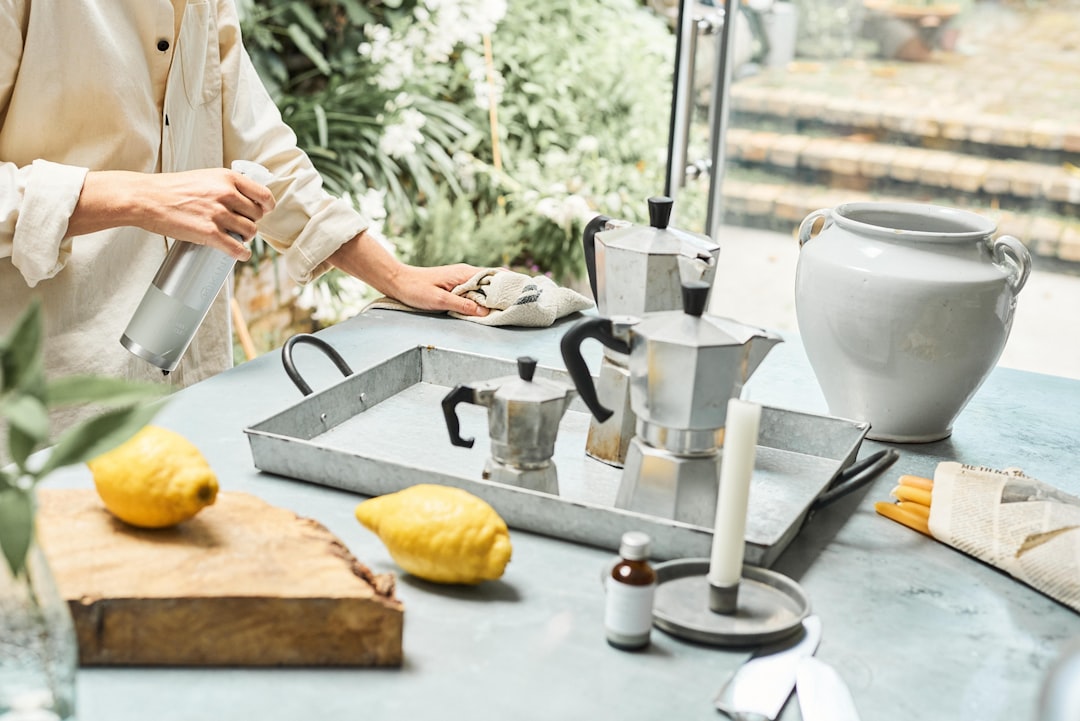
Zero-chemical cleaning is not a new idea in India. It is a very old one that modern life quietly pushed aside, and millions of families are now bringing it back.
Why chemical cleaners are a problem in Indian homes
According to the Central Pollution Control Board, indoor air in Indian homes can be 2 to 5 times more polluted than outdoor air, especially during winters when ventilation is reduced. Most Indian kitchens and bathrooms use products every day that make this worse. Conventional cleaning products contain synthetic fragrances, harsh surfactants, and antimicrobial agents that may irritate the skin, trigger respiratory issues, or contribute to water pollution.

The good news is that the solution already sits in your kitchen. Familiar Indian household ingredients reveal a subtle approach to maintaining hygiene that combines practicality, tradition, and environmental awareness. You do not need to spend more money. You need to spend it differently.
The India eco-friendly home hygiene products market was valued at USD 14.25 billion in 2024 and is expected to reach USD 28.44 billion by 2030. Clearly, something is shifting. But the most powerful version of this shift starts at home, with ingredients that cost almost nothing.
The 5 pantry staples that build your kit
Vinegar, neem, lemon, baking soda, and soapnut (reetha) offer effective, economical, and environmentally sound alternatives to commercial cleaners. These are not substitutes that ask you to lower your standards. They are, in many cases, better.
White vinegar is your all-surface spray. White vinegar, composed primarily of acetic acid, is widely recognized for its ability to dissolve mineral deposits, cut through grease, and neutralize odors. Mix equal parts vinegar and water in a spray bottle. Use it on glass, tiles, sinks, and kitchen counters every day.
Baking soda is your scrubbing agent. For a natural deep clean, mix vinegar and baking soda to scrub tiles, or use neem water as a disinfectant, a trick passed down through Indian grandmothers. Sprinkle baking soda directly onto a wet surface, scrub gently, and rinse. It removes stains and lifts odors from drains with no effort.

Lemon handles grease and leaves a fresh smell. Indian homes deal with haldi stains, masala spills, and muddy floors, and natural cleaners can handle these without releasing toxic fumes. Cut 1 lemon in half and rub it directly on a cutting board, brass utensil, or stained countertop. The citric acid does the work.
Neem is India’s original antibacterial ingredient. The antibacterial and antiseptic properties of neem leaves make them an excellent base for a homemade dishwashing solution. A simple rinse made by boiling neem leaves in water and adding the cooled liquid to mopping water offers a natural way to clean floors. This is biodegradable, safe for children, and costs almost nothing if you have a neem tree nearby.
Reetha (soapnut) is your laundry and floor cleaner. Soapnut shells contain saponins, natural surfactants that produce lather when agitated in water. They have been used for centuries in India as a gentle cleansing agent for fabrics and household items. Soak a handful of soapnuts in warm water overnight. Boil the mixture for 10 minutes, strain, and store the liquid. This solution works for hand-washing clothes, cleaning delicate fabrics, or mopping floors.
How to assemble your zero-chemical cleaning kit
You need 5 containers and 5 ingredients. That is the entire kit. Start with what you already own.
For your spray bottle, combine equal parts white vinegar and water. Label it “all-surface spray.” Use it on counters, mirrors, and tiles every morning. For your scrub jar, fill a small glass jar with baking soda and keep it near the sink. Add a few drops of lemon juice before each use to create a gentle paste for tougher stains.
For your floor bucket, prepare reetha liquid each Sunday. Store it in a glass bottle in a cool place. The pH of soapnut liquid is acidic, between 4 and 6, compared to the highly alkaline nature of commercial detergents. It is non-toxic and breaks down easily and harmlessly, which reduces water pollution. For your disinfectant spray, boil neem leaves in 1 liter of water, cool, strain, and pour into a bottle. This is your bathroom and toilet surface spray. Ingredients like neem, lemon, and vinegar not only clean but also disinfect, making them ideal for households with kids, pets, and elders.
Keep 2 or 3 lemons in a small bowl near the stove. They serve as instant spot cleaners for masala spills, stains on brass, and odors on your hands after cooking.
Expert perspective on zero-chemical cleaning
The shift toward pantry-based cleaning in India is not simply a wellness trend. It is a recognition that our grandmothers solved these problems generations ago with ingredients that were biodegradable, non-toxic, and deeply suited to the Indian climate and kitchen. Modern homes deal with hard water, humidity, and haldi stains on a scale that imported chemical products were never designed for. Natural ingredients like neem, reetha, and vinegar work with India’s water chemistry rather than against it. The key message for families today is this: starting a zero-chemical cleaning routine does not require a large investment or a specialty brand. It requires trust in what was already working before the synthetic era replaced it. That trust is now backed by modern research confirming the antibacterial, antifungal, and degreasing properties of each of these ingredients.
Industry perspective, sustainability and home care professionals in India






Common mistakes to avoid
Many people try 1 ingredient and give up too quickly. Natural cleaning requires a short adjustment period. Your nose and eyes expect the sharp smell of chemical products. Give yourself 2 weeks.
Also, do not use white vinegar on marble or granite surfaces. Natural cleaning products are safe for most surfaces, but avoid acidic products like vinegar on marble. Use plain baking soda paste on stone surfaces instead. This keeps your floors and countertops protected.
Finally, store your reetha liquid in a cool, dark place. DIY cleaning preparations do not contain chemical preservatives, so they have a short shelf life. Make small batches weekly so each preparation stays fresh and effective.


Conclusion
Zero-chemical cleaning is one of the most direct ways an Indian household can reduce its environmental impact today. These 5 pantry staples, vinegar, neem, lemon, baking soda, and reetha, give you a complete, biodegradable kit that is safer for your family and gentler on India’s water systems. Zero-chemical cleaning is not a sacrifice. It is a return to something this country already knew how to do well. Start with 1 ingredient this week. Replace 1 chemical product. Share the habit with your family. Your home, your health, and your city’s waterways will feel the difference.
Discover more about zero-chemical cleaning
- UNEP Sustainable Consumption and Production
- India Eco-Friendly Home Hygiene Products Market Report, Research and Markets
- DIY Natural Cleaners Using Traditional Indian Ingredients, The Better India