
CONTACT
  • Login
  • Register
Upgrade
INDIAwebzine
Advertisement
  • Home
    • Our Authors
    • Media Kit
    • Contact
    • Cookie Policy
    • Terms and Conditions
  • News
  • Business
  • Lifestyle
    • Gastronomy
    • Sustainable living
    • Well-being
  • Culture
  • Sports
  • Travel
  • Global India
  • Insights
  • Local Guide
    • Activities in India
    • Hotels in India
    • Nightlife in India
    • Restaurants in India
    • Services in India
    • Shopping in India
  • Home
    • Our Authors
    • Media Kit
    • Contact
    • Cookie Policy
    • Terms and Conditions
  • News
  • Business
  • Lifestyle
    • Gastronomy
    • Sustainable living
    • Well-being
  • Culture
  • Sports
  • Travel
  • Global India
  • Insights
  • Local Guide
    • Activities in India
    • Hotels in India
    • Nightlife in India
    • Restaurants in India
    • Services in India
    • Shopping in India
No Result
View All Result
INDIAwebzine
No Result
View All Result
Home Luxury Lifestyle Sustainable living

Monsoon outfits that dry fast and look great

Smart fabric choices and traditional silhouettes help you stay stylish through every downpour this season.

0
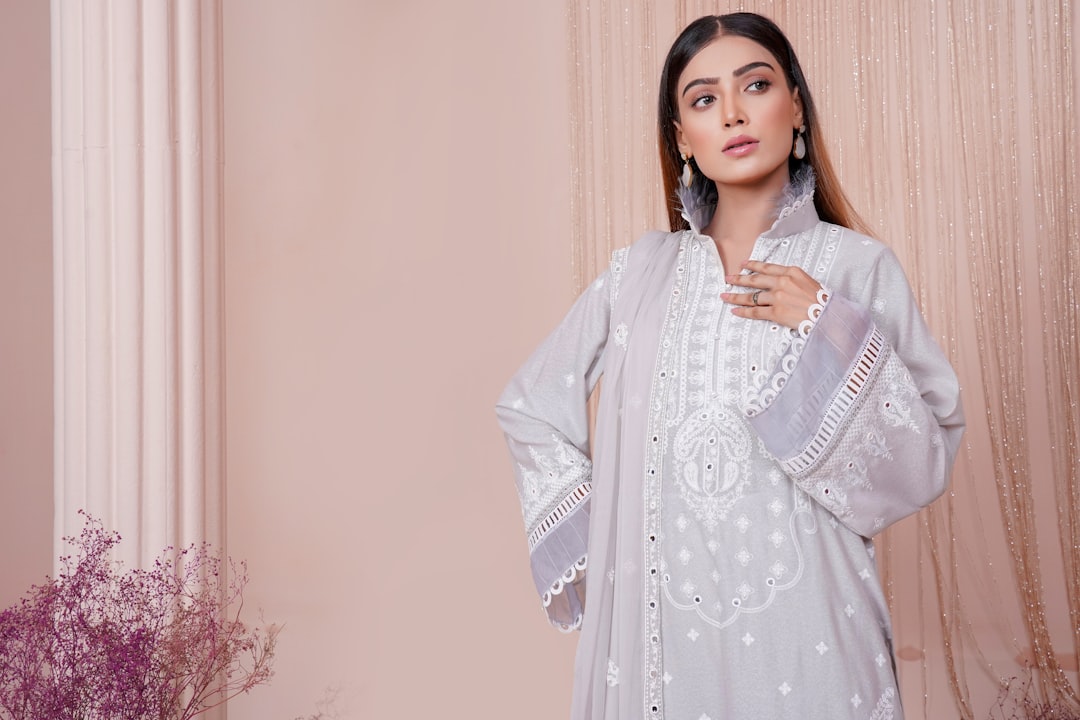
A young Indian woman in a flowy kurta walking confidently, showcasing practical and stylish monsoon outfits

Monsoon outfits feel like a seasonal compromise for many of us in India, but the right choices in fabric, cut, and colour turn the rainy season into a genuine style moment.

Why fabric is the first decision

When the rains arrive, most wardrobes fail not because of bad taste but because of bad fabric. Choosing the right fabric during the Indian monsoon makes all the difference in staying comfortable, fresh, and stylish. Fabrics that are lightweight, breathable, and quick-drying, like rayon, cotton blends, and synthetics, help you avoid that sticky, damp feeling while keeping your look effortless.

Your Local Guide to India Your Local Guide to India Your Local Guide to India

Light cotton works fine, but thick cotton soaks up water and stays damp for too long during heavy rainfall. Polyester blends and nylon dry significantly faster than natural fabrics like cotton and linen. So your first step is simple: read the label before you buy.

Pure cotton soaks quickly, does not dry fast, and sticks to the body. Wool blends trap moisture and lead to damp odours. Leave those options for winter. For the months of June through September, choose fabrics that move moisture away from your skin.

The best breathable fabrics for Indian rain

Not all quick-dry options are synthetic. Linen, hemp, and light lyocell release moisture fast and beat heavy cotton during monsoon conditions. These materials also connect to a long history of Indian textile making, so wearing them feels both practical and culturally grounded.

Hand-spun, hand-woven khadi is light and open, so air moves through it and it dries quickly between showers. Its irregular handloom weave adds breathability that machine cloth of the same weight lacks. Khadi kurtas and wide-leg trousers are among the best monsoon outfits you can build a wardrobe around.

Crepe and georgette fabrics are excellent for rainy weather because they dry quickly and absorb less water compared to heavier fabrics. For a meeting or an evening out, a georgette kurta or flowy dress keeps you looking composed even after a sudden downpour. Georgette floats above the body rather than clinging to it in humidity. It works particularly well for dresses and kaftans, and it dries fast.

Traditional silhouettes that work in the rain

India has always dressed for its climate. Our ancestors chose loose, flowing silhouettes for exactly the reason we need them today: they allow air to circulate and fabric to dry. The monsoon season is a reminder that traditional cuts are not decorative choices. They are intelligent ones.

Wide-leg trousers, anarkali kurtas, and flowy palazzos all work as practical monsoon outfits because the fabric does not cling to the body when wet. Viscose and rayon work in every silhouette, from kaftans to tunics. Pair these with a structured printed dupatta in georgette and the look becomes complete.

Colour also matters more than most people think. Earthy tones like olive, rust, indigo, and darker shades of blue or maroon are great choices. They hide rain stains better than light pastels and still look fresh. These tones also connect visually to the deep greens and grey skies of the season, which creates a harmony between your outfit and the world outside.

A couple dressed in lightweight khadi and linen monsoon outfits standing on a wet street in an Indian city

-

A woman arranges items on vertical wall shelves as part of a small-space storage solution in her Indian home

Small-space storage fixes for Indian homes

02/08/2026
A woman artisan applies traditional block printing with natural dyes onto cotton fabric in a Jaipur workshop

Natural dyes making a fashion comeback

23/07/2026
A woman using her rooftop rainwater harvesting setup during the monsoon season in an Indian home

Rainwater harvesting tips for home

20/07/2026
A smiling Indian woman arranging terracotta bowls and clay pots in a plastic-free kitchen at home

Plastic-free kitchen brands worth switching to

15/07/2026
Indian woman carefully folding handloom cotton fabric indoors during the monsoon season

Handloom cotton monsoon care guide

07/07/2026
A young Indian woman sorting vegetable peels into a composting bin in her apartment kitchen

Composting in a small Indian apartment

29/06/2026

Expert perspective on sustainable monsoon dressing

India’s fashion relationship with the monsoon is essentially a sustainability conversation. When you choose a breathable, fast-drying fabric like khadi or linen, you reduce the energy used for machine drying, you extend the life of the garment because it is not repeatedly overstretched by heavy water retention, and you support a supply chain that India has spent centuries perfecting. The most sustainable monsoon outfits are not the newest ones. They are the ones built on materials our weavers have always understood: open weaves, natural fibres, and cuts designed for humidity. Buying fewer, better pieces that genuinely work in Indian weather is the most honest form of sustainable fashion available to us right now.

Industry perspective, sustainable textile and conscious fashion professionals in India

Sustainable choices that go beyond the wardrobe

Choosing monsoon outfits is also a chance to make decisions that last beyond the season. India’s relationship with clothing has long been rooted in sustainability. Across generations, garments are purchased sparingly, worn for years, and given multiple lives: a saree may first be worn for special occasions, then as everyday attire, later repurposed into quilts or children’s clothing, and finally into cleaning cloths.

Check for certifications: GOTS-certified fabrics are verified for organic content and processing quality, so you are not just trusting a label. Several Indian brands now carry this certification, and finding them is easier than it was even 3 years ago. Support them when you can.

In 2019, the central government launched Project SU.RE to promote sustainability within the fashion industry. This kind of national commitment means that sustainable fabric choices are becoming more accessible and affordable for everyday shoppers across India.
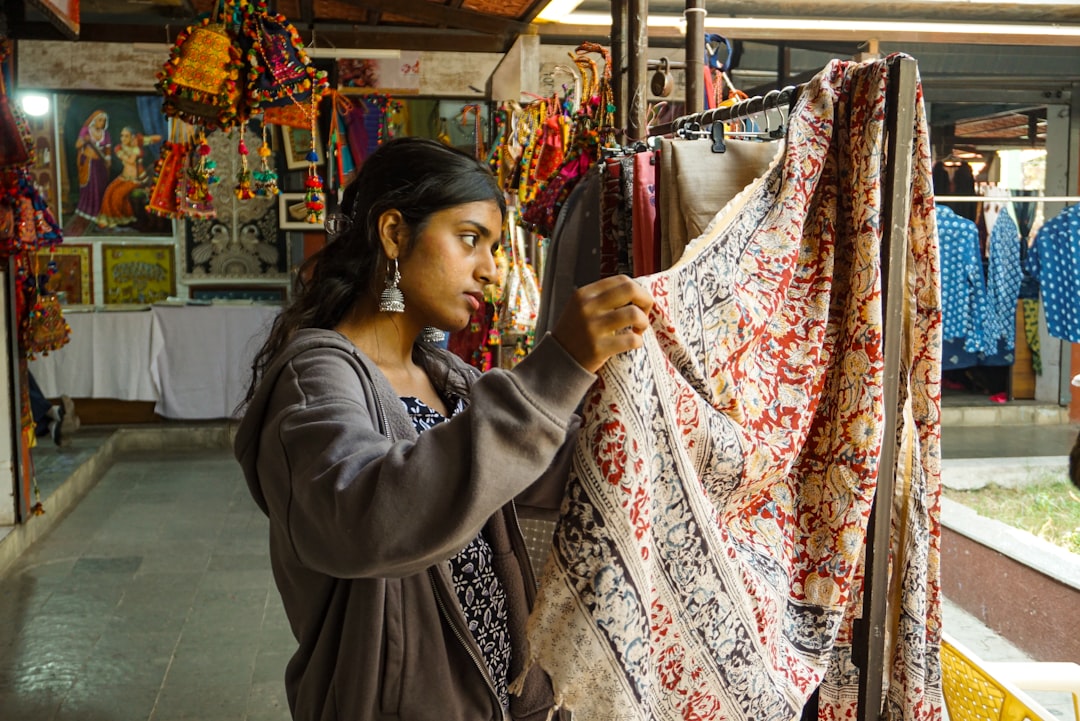
A woman examining breathable fabric at a textile store, selecting materials for her next monsoon outfits

Conclusion

Monsoon outfits do not have to mean sacrifice. They can mean khadi kurtas that dry between meetings, georgette dresses that float through humid afternoons, and earthy palazzos that look as considered as any other season. Making fewer, smarter clothes that work harder in your specific climate reduces waste and increases joy. India gave the world some of its greatest textile traditions, and the monsoon is the perfect season to wear that legacy with pride. Choose your monsoon outfits with intention: your comfort, your culture, and the planet all benefit when you do.

Discover more about monsoon outfits

  • Sustainable Textiles for Sustainable Development: India’s SusTex Project (UNFCCC)
  • Monsoon Fashion Guide: What to Wear During Rainy Season
  • The Monsoon Code: How Indian Climate Is Shaping Streetwear’s Next Evolution (Borbotom, April 2026)

author avatar
Arjun Mehta
Arjun Mehta is a Mumbai-based journalist with a background in economics from IIM Ahmedabad. He writes about India's startup ecosystem, foreign investment landscape, and the country's rapid digital transformation. His work blends sharp market analysis with real stories from entrepreneurs building India's next chapter.
See Full Bio
Previous Post

Small-space storage fixes for Indian homes

Related Posts

A woman arranges items on vertical wall shelves as part of a small-space storage solution in her Indian home
Sustainable living

Small-space storage fixes for Indian homes

02/08/2026
A woman artisan applies traditional block printing with natural dyes onto cotton fabric in a Jaipur workshop
Sustainable living

Natural dyes making a fashion comeback

23/07/2026
A woman using her rooftop rainwater harvesting setup during the monsoon season in an Indian home
Sustainable living

Rainwater harvesting tips for home

20/07/2026
A smiling Indian woman arranging terracotta bowls and clay pots in a plastic-free kitchen at home
Sustainable living

Plastic-free kitchen brands worth switching to

15/07/2026
Indian woman carefully folding handloom cotton fabric indoors during the monsoon season
Sustainable living

Handloom cotton monsoon care guide

07/07/2026

Leave a Reply Cancel reply

Your email address will not be published. Required fields are marked *

Truelang AI WordPress Translation Plugin Truelang AI WordPress Translation Plugin Truelang AI WordPress Translation Plugin
No Result
View All Result

Our Focus

INDIAwebzine is your international window on India: sustainable lifestyle, business, culture, sports and events for a global audience drawn to the subcontinent's vibrant and diverse scene.

Our Readers

INDIAwebzine addresses readers who engage with India at a high level: professionally, financially, strategically, and as decision-makers in their fields.

Our Approach

Lifestyle, travel, and culture are integrated as context and indicators of economic dynamism, purchasing power, and soft power — not standalone entertainment.

Recent Posts

  • Monsoon outfits that dry fast and look great
  • Small-space storage fixes for Indian homes

© 2025 INDIAwebzine by NOOR & NOOR.

Welcome Back!

Login to your account below

Forgotten Password? Sign Up

Create New Account!

Fill the forms bellow to register

All fields are required. Log In

Retrieve your password

Please enter your username or email address to reset your password.

Log In
Manage Consent
To provide the best experiences, we use technologies like cookies to store and/or access device information. Consenting to these technologies will allow us to process data such as browsing behavior or unique IDs on this site. Not consenting or withdrawing consent, may adversely affect certain features and functions.
Functional Always active
The technical storage or access is strictly necessary for the legitimate purpose of enabling the use of a specific service explicitly requested by the subscriber or user, or for the sole purpose of carrying out the transmission of a communication over an electronic communications network.
Preferences
The technical storage or access is necessary for the legitimate purpose of storing preferences that are not requested by the subscriber or user.
Statistics
The technical storage or access that is used exclusively for statistical purposes. The technical storage or access that is used exclusively for anonymous statistical purposes. Without a subpoena, voluntary compliance on the part of your Internet Service Provider, or additional records from a third party, information stored or retrieved for this purpose alone cannot usually be used to identify you.
Marketing
The technical storage or access is required to create user profiles to send advertising, or to track the user on a website or across several websites for similar marketing purposes.
  • Manage options
  • Manage services
  • Manage {vendor_count} vendors
  • Read more about these purposes
View preferences
  • {title}
  • {title}
  • {title}
No Result
View All Result
  • Home
    • Our Authors
    • Media Kit
    • Contact
    • Cookie Policy
    • Terms and Conditions
  • News
  • Business
  • Lifestyle
    • Gastronomy
    • Sustainable living
    • Well-being
  • Culture
  • Sports
  • Travel
  • Global India
  • Insights
  • Local Guide
    • Activities in India
    • Hotels in India
    • Nightlife in India
    • Restaurants in India
    • Services in India
    • Shopping in India

© 2025 INDIAwebzine by NOOR & NOOR.

Verified by MonsterInsights
enEnglishfrFrançaishiहिन्दी