

CONTACT
  • Login
  • Register
Upgrade
INDIAwebzine
Advertisement
  • Home
    • Our Authors
    • Media Kit
    • Contact
    • Cookie Policy
    • Terms and Conditions
  • News
  • Business
  • Lifestyle
    • Gastronomy
    • Sustainable living
    • Well-being
  • Culture
  • Sports
  • Travel
  • Global India
  • Insights
  • Local Guide
    • Activities in India
    • Hotels in India
    • Nightlife in India
    • Restaurants in India
    • Services in India
    • Shopping in India
  • Home
    • Our Authors
    • Media Kit
    • Contact
    • Cookie Policy
    • Terms and Conditions
  • News
  • Business
  • Lifestyle
    • Gastronomy
    • Sustainable living
    • Well-being
  • Culture
  • Sports
  • Travel
  • Global India
  • Insights
  • Local Guide
    • Activities in India
    • Hotels in India
    • Nightlife in India
    • Restaurants in India
    • Services in India
    • Shopping in India
No Result
View All Result
INDIAwebzine
No Result
View All Result
Home Luxury Lifestyle Sustainable living

Handloom cotton monsoon care guide

Keep your handwoven cotton and linen looking beautiful through every rain-soaked, humid month India throws at you.

0
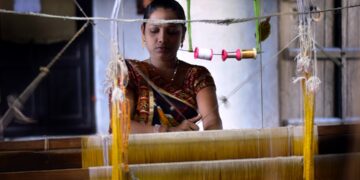
Indian woman carefully folding handloom cotton fabric indoors during the monsoon season

Handloom cotton is India’s most trusted monsoon fabric, and with the right care, it gets better every single rainy season.

Why monsoon is hard on handwoven fabric

India’s monsoon months bring high humidity, sudden downpours, and slow drying conditions. The season presents unique challenges for clothing, with high humidity, sudden downpours, and fluctuating temperatures all testing the limits of natural fabric. Synthetic fabrics may survive this with little effort. Handwoven pieces, however, carry a different kind of structure.

Your Local Guide to India Your Local Guide to India Your Local Guide to India

Authentic handloom fabric often has minor irregularities in the weave that show it is hand-woven by artisans. Those same irregularities that make your fabric beautiful also make it more sensitive to rough handling during humid months. The weave can loosen, colors can shift, and fibers can stretch if you treat these pieces like machine-made cloth.

Handloom fabrics are made from natural fibers and dyes, so they are not harsh on the environment. That same natural quality means they respond better to gentle, traditional care. Monsoon is not the time to experiment with harsh products or machine cycles.

How to wash handloom cotton and linen in the rain season

For long-term maintenance, gently clean your pieces by hand using a mild detergent. Use cold water throughout the process. Hot water causes natural fibers to contract and can cause colors to run, especially in hand-dyed or block-printed cloth.

With gentle care like cold washing and drying in shade, handloom cotton fabrics hold color well. Natural-dyed fabrics may soften slightly over time, which often adds to their beauty. Never wring a wet handloom piece. Press the water out gently between your palms or against the sink wall.

Wash your linen and cotton garments separately from heavier fabrics during this season. The monsoon already slows the drying process. Overloading your washing routine means pieces stay damp for longer, and that is when mildew becomes a real risk.

Drying handloom fabric when the sun will not cooperate

Linen dries faster than most fabrics, gets softer when wet, and breathes well in humidity. Even so, drying time increases in monsoon conditions. Never use direct heat from a dryer or place pieces near a stove. Heat damages the weave structure and causes shrinkage.

Dry all handloom pieces in shade, inside a room with good airflow. A ceiling fan set to medium speed works well in most Indian homes. Fine cotton is among the best fabrics for Indian monsoon conditions: it absorbs moisture without feeling heavy and dries quickly after getting wet.

If pieces take more than 12 hours to dry in humid conditions, move them closer to an open window or door. Fabric that stays damp past this point can develop a musty smell that is very difficult to remove from natural fibers.
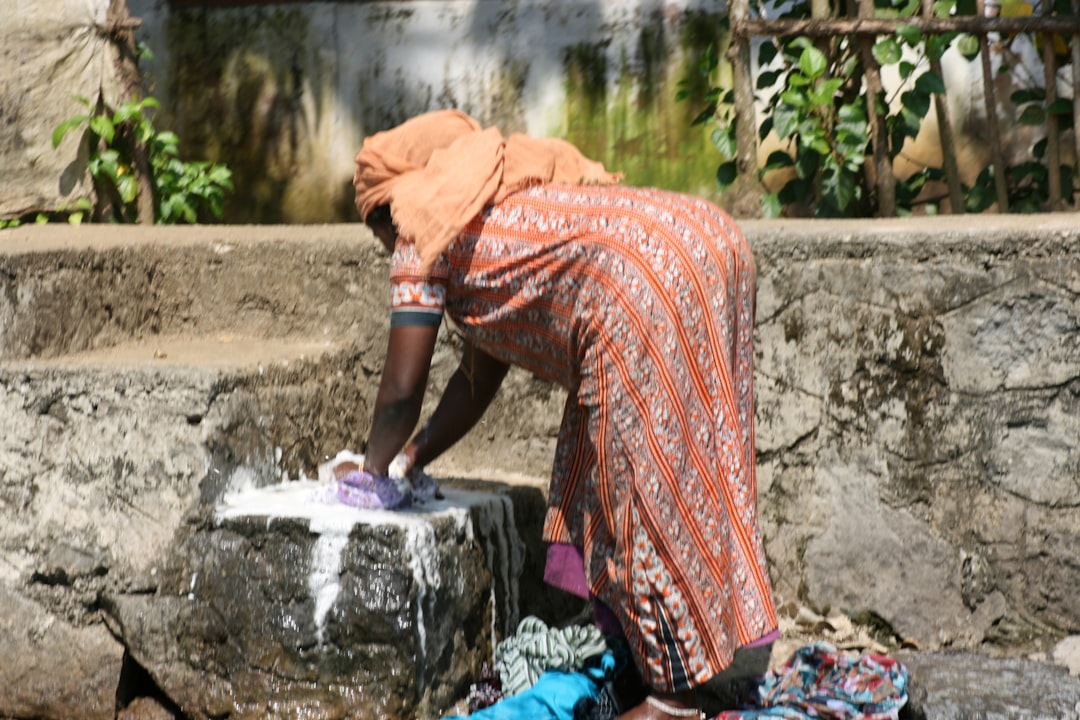
Woman hand washing handloom cotton garment in cold water to protect the weave during monsoon

Expert perspective on handloom and Indian climate

India’s handloom sector carries centuries of knowledge about natural fibers, and that knowledge is especially useful during monsoon. Cotton and linen woven on traditional looms have an open, breathable structure that actually manages humidity better than most people expect. The key is to treat them the way the weavers intended: with cold water, shade drying, and no chemical shortcuts. Natural-dyed pieces need the most care because the colors are fixed through organic processes, not industrial treatment. If you give handloom cotton and linen proper monsoon care, you will find they become softer, more comfortable, and richer in texture with every wash. The fabric tells the story of each season you put it through.

Industry perspective, sustainable textile and handloom professionals in India

Smart storage to protect your weave during humid months

Linen should ideally be folded neatly rather than hung for long periods, as hanging can stretch the fabric, especially if it is lightweight. This is especially important in monsoon, when stored garments absorb ambient humidity. Fold your pieces and keep them flat.

Avoid plastic covers, as they trap humidity and prevent air circulation. Choose breathable storage options: cotton cloth bags or cotton-lined drawers work best. Place 2 or 3 neem leaves or a small packet of dried lavender inside your storage drawer. Both are natural repellents against moisture damage and insects.

Keep handloom fabric away from direct sunlight, which can dull the fabric over time. During monsoon, a dry interior shelf with good airflow is the ideal location. Check your stored pieces every 2 weeks for signs of dampness.
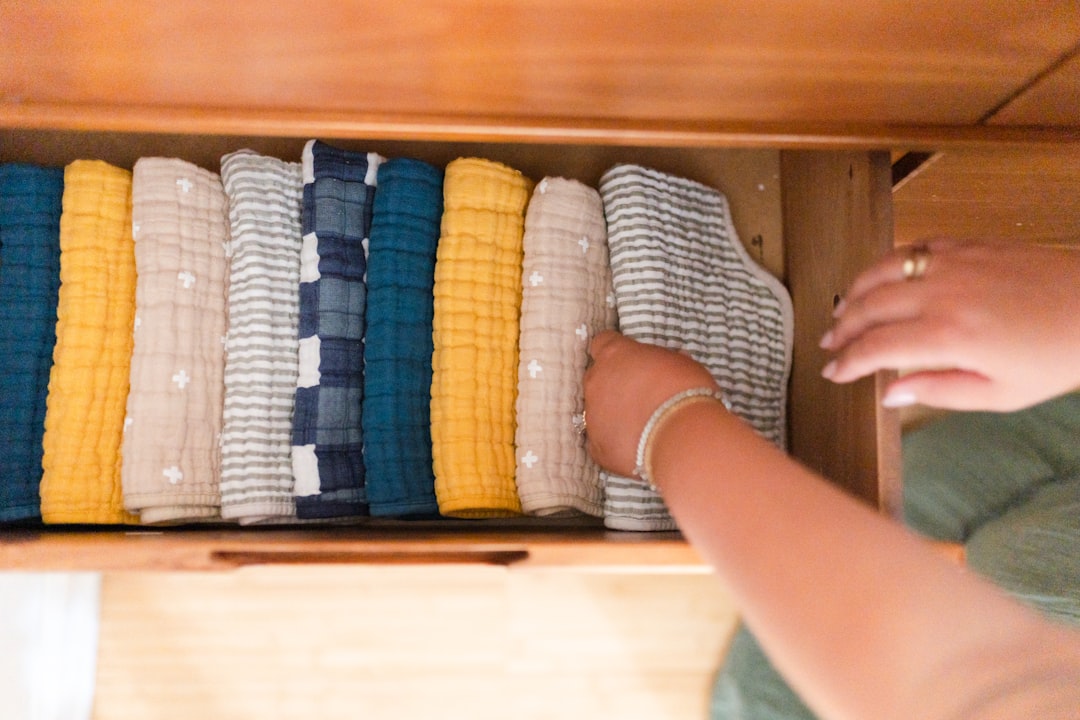
Woman placing a folded handloom cotton linen garment into a breathable cotton storage drawer

-

A woman artisan applies traditional block printing with natural dyes onto cotton fabric in a Jaipur workshop

Natural dyes making a fashion comeback

23/07/2026
A woman using her rooftop rainwater harvesting setup during the monsoon season in an Indian home

Rainwater harvesting tips for home

20/07/2026
A smiling Indian woman arranging terracotta bowls and clay pots in a plastic-free kitchen at home

Plastic-free kitchen brands worth switching to

15/07/2026
A young Indian woman sorting vegetable peels into a composting bin in her apartment kitchen

Composting in a small Indian apartment

29/06/2026
AIndian woman in a breathable linen kurta demonstrates why ethical fabrics are best choice for India's humid monsoon season.

Ethical fabrics that beat monsoon humidity

24/06/2026
Sustainable fashion designers creating eco-friendly spring collections in India

India Spring Fashion 2026: 7 Sustainable Designers

12/03/2026

Ironing and finishing handloom cotton and linen after the rain

Many people avoid ironing linen during monsoon because of the humidity. In fact, light ironing helps reset the weave and removes any moisture that the fabric has absorbed from the air. Use medium heat and iron from the reverse side for better results.


Linen breathes exceptionally well and has a natural texture that looks intentional even when slightly wrinkled. You do not need to press every crease out. A light pass on the reverse side is enough to refresh the garment before you wear it.

Store the garment immediately after ironing. Do not leave it folded in humid air before it has cooled completely. A warm, slightly damp garment placed in a closed drawer can develop mildew within 24 hours in peak monsoon conditions.

Conclusion: protect every thread, every season

When cared for properly, handloom cotton does not just last: it becomes softer, more comfortable, and even more beautiful with time. That is the promise of a handwoven piece. Monsoon is not a threat to that promise. It is simply a test of how well you apply what the tradition already teaches.

Your handloom cotton and linen deserve the same attention that the weaver gave every thread. Cold water, shade drying, breathable storage, and gentle ironing: these 4 steps protect your investment and honor the craft. Make handloom cotton a year-round practice, not just a fair-weather choice. India’s weavers spend months creating what you wear in moments. The least we can do is care for it well.

Discover more about handloom cotton

  • Ministry of Textiles – Government of India
  • Sustainability of the Handloom Textile in India: Opportunities, Challenges, and Strategies (Taylor & Francis, 2025)
  • India Weaves a Future: Reviving Handloom for the Next Generation (Tata Trusts, August 2025)

author avatar
Arjun Mehta
Arjun Mehta is a Mumbai-based journalist with a background in economics from IIM Ahmedabad. He writes about India's startup ecosystem, foreign investment landscape, and the country's rapid digital transformation. His work blends sharp market analysis with real stories from entrepreneurs building India's next chapter.
See Full Bio
Previous Post

Indian diaspora: keeping food traditions alive

Next Post

Monsoon street food guide across India

Related Posts

A woman artisan applies traditional block printing with natural dyes onto cotton fabric in a Jaipur workshop
Sustainable living

Natural dyes making a fashion comeback

23/07/2026
A woman using her rooftop rainwater harvesting setup during the monsoon season in an Indian home
Sustainable living

Rainwater harvesting tips for home

20/07/2026
A smiling Indian woman arranging terracotta bowls and clay pots in a plastic-free kitchen at home
Sustainable living

Plastic-free kitchen brands worth switching to

15/07/2026
A young Indian woman sorting vegetable peels into a composting bin in her apartment kitchen
Sustainable living

Composting in a small Indian apartment

29/06/2026
AIndian woman in a breathable linen kurta demonstrates why ethical fabrics are best choice for India's humid monsoon season.
Sustainable living

Ethical fabrics that beat monsoon humidity

24/06/2026
Next Post
A smiling street vendor fries golden pakoras at a busy stall, capturing the joy of monsoon street food in Delhi

Monsoon street food guide across India

Leave a Reply Cancel reply

Your email address will not be published. Required fields are marked *

Truelang AI WordPress Translation Plugin Truelang AI WordPress Translation Plugin Truelang AI WordPress Translation Plugin
No Result
View All Result

Our Focus

INDIAwebzine is your international window on India: sustainable lifestyle, business, culture, sports and events for a global audience drawn to the subcontinent's vibrant and diverse scene.

Our Readers

INDIAwebzine addresses readers who engage with India at a high level: professionally, financially, strategically, and as decision-makers in their fields.

Our Approach

Lifestyle, travel, and culture are integrated as context and indicators of economic dynamism, purchasing power, and soft power — not standalone entertainment.

Recent Posts

  • Digital labels: Indian classical music goes global
  • Monsoon dal recipes from 7 Indian states

© 2025 INDIAwebzine by NOOR & NOOR.

Welcome Back!

Login to your account below

Forgotten Password? Sign Up

Create New Account!

Fill the forms bellow to register

All fields are required. Log In

Retrieve your password

Please enter your username or email address to reset your password.

Log In
Manage Consent
To provide the best experiences, we use technologies like cookies to store and/or access device information. Consenting to these technologies will allow us to process data such as browsing behavior or unique IDs on this site. Not consenting or withdrawing consent, may adversely affect certain features and functions.
Functional Always active
The technical storage or access is strictly necessary for the legitimate purpose of enabling the use of a specific service explicitly requested by the subscriber or user, or for the sole purpose of carrying out the transmission of a communication over an electronic communications network.
Preferences
The technical storage or access is necessary for the legitimate purpose of storing preferences that are not requested by the subscriber or user.
Statistics
The technical storage or access that is used exclusively for statistical purposes. The technical storage or access that is used exclusively for anonymous statistical purposes. Without a subpoena, voluntary compliance on the part of your Internet Service Provider, or additional records from a third party, information stored or retrieved for this purpose alone cannot usually be used to identify you.
Marketing
The technical storage or access is required to create user profiles to send advertising, or to track the user on a website or across several websites for similar marketing purposes.
  • Manage options
  • Manage services
  • Manage {vendor_count} vendors
  • Read more about these purposes
View preferences
  • {title}
  • {title}
  • {title}
No Result
View All Result
  • Home
    • Our Authors
    • Media Kit
    • Contact
    • Cookie Policy
    • Terms and Conditions
  • News
  • Business
  • Lifestyle
    • Gastronomy
    • Sustainable living
    • Well-being
  • Culture
  • Sports
  • Travel
  • Global India
  • Insights
  • Local Guide
    • Activities in India
    • Hotels in India
    • Nightlife in India
    • Restaurants in India
    • Services in India
    • Shopping in India

© 2025 INDIAwebzine by NOOR & NOOR.

Verified by MonsterInsights
enEnglishfrFrançaishiहिन्दी