


Monsoon skincare is one of those things our grandmothers understood before science gave it a name. Every June, the rains arrive and our skin tells us immediately that something has changed. The rules shift, the products that worked in February stop working, and breakouts appear where they never did before. This guide helps you build a routine that makes sense for Indian skin, Indian weather, and the India we actually live in today.
Why the monsoon changes your skin completely
The relative humidity that blankets most of India from June to September reaches 80 to 95 percent. This fundamentally changes how your skin behaves. The shift is not subtle. India’s monsoon brings high humidity, not just rain. This moisture-laden air makes sweat and sebum mix on your skin, creating a sticky layer that traps dirt and bacteria.

According to the Indian Journal of Dermatology, excess humidity can increase sebum production by up to 30 percent, especially in individuals with oily skin types. That number matters. It means your skin is working against you even when you do everything right. Unlike temperate countries where humidity changes gradually, India’s monsoon arrives with dramatic shifts that shock the skin. The constant switching between air-conditioned environments and humid outdoor air further disrupts your skin’s ability to adapt, leading to congestion, uneven texture, and persistent discomfort.
Indian skin types that fall in the Fitzpatrick III to V range, covering the vast majority of urban Indians, tend to have genetically larger sebaceous glands and higher melanin density, both of which influence how heat and humidity register on the skin surface. This is our reality, and a monsoon skincare routine must address it directly.
The right cleanser is your first line of defense
Many Indians reach for strong foaming cleansers during the rains, hoping to wash away all the oil. This approach backfires. Over-cleansing strips your skin, causing it to produce even more oil. The focus should be on balance, not harshness. Dermatologists recommend a gentle, pH-balanced cleanser with ingredients like salicylic acid or oat extract. These help unclog pores without disrupting your skin barrier.
Cleanse twice daily, morning and night. Avoid midday washing unless you are very sweaty or exposed to pollution. This rhythm is enough for most skin types. Your cleanser should remove the grime of the day without stripping the protective barrier your skin works hard to maintain.
Here is where tradition meets science beautifully. Natural skincare solutions have been used in India for centuries, and many traditional ingredients work particularly well during humid weather. Turmeric has natural antifungal properties that help prevent monsoon-related skin infections, while neem provides antibacterial benefits that keep breakouts at bay. A neem-based face wash is not just folklore. It is a smart, science-supported choice for the rainy season.

Lightweight hydration and the right active ingredients
A very common mistake during the monsoon is skipping moisturizer. Skipping moisturizer can cause your skin to produce even more oil. Hydration is essential to prevent excess oil production. The solution is not to skip, but to switch to the right product. Use a lightweight, gel-based moisturizer with hydrating ingredients like hyaluronic acid.
For your serum, choose ingredients that multitask effectively. Niacinamide helps regulate oil production while reducing inflammation, making it ideal for managing monsoon breakouts. Ceramides support your skin barrier, which can become compromised by constant environmental changes. Avoid heavy oils and butters that can feel suffocating in humid weather. Alcohol-based products might seem appealing for oil control but often lead to increased sebum production as your skin tries to compensate for over-drying.
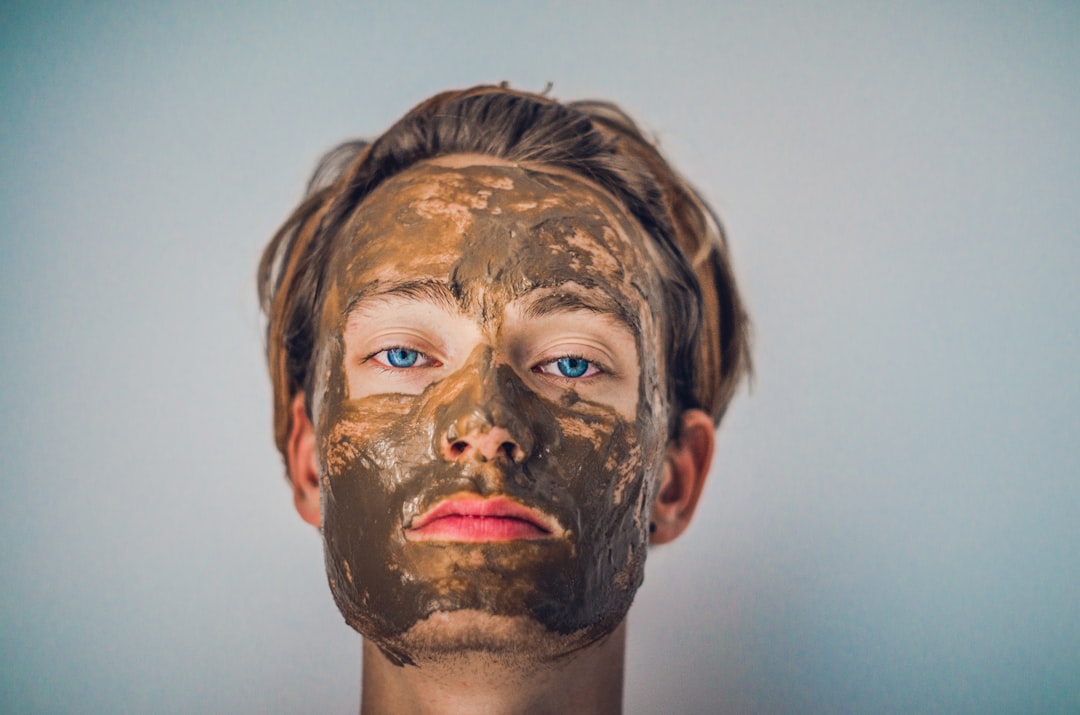
A simple sandalwood and rose water face pack can provide cooling relief while gently exfoliating and brightening dull monsoon skin. Multani mitti mixed with cucumber juice creates an excellent oil-absorbing mask that does not over-dry the skin. These kitchen-cabinet solutions, passed down through generations, deserve a regular spot in your weekly routine.
What dermatologists say about keeping it simple
The monsoon season demands a fundamentally different approach from what most Indian patients use the rest of the year. The instinct to layer more product to fix oily or breakout-prone skin is one of the most damaging habits we see in humid months. More product means more occlusion, and more occlusion means more congestion. The most effective monsoon skincare routine is a minimal one: a gentle foaming cleanser, a lightweight niacinamide serum, and a non-comedogenic gel moisturizer. That is three products. Not eight. Research consistently shows that people who use fewer, well-chosen products during India’s humid season report better skin barrier function, fewer acne marks, and significantly less heat rash. The ancient wisdom of doing less but doing it well applies here completely.
Industry perspective, dermatology and skincare professionals in India



SPF is non-negotiable, even on grey days
Many people put their sunscreen away the moment the sky turns grey. This is one of the most costly monsoon skincare mistakes. Up to 80 percent of UV rays penetrate clouds, increasing the risk of pigmentation and post-acne marks. Choose a gel-based, non-comedogenic sunscreen for oily skin.
Indian skin, which often has higher melanin, is also more prone to post-acne marks and pigmentation when breakouts occur in humid conditions. This means SPF protects not just against sun damage but also against the dark spots that form after every breakout heals. During Indian monsoons or high humidity, sweat easily washes away standard sunscreens. Water-resistant, gel-based formulas maintain their protective film much longer on oily, sweating skin.
Apply SPF 30 or higher every morning as the final step of your routine. Reapply if you spend time outdoors. This single habit, done consistently, protects the long-term health and evenness of your skin tone through the entire season.

Small lifestyle habits that protect your skin
Your skincare routine does not end with the products you apply. Wear lightweight, breathable fabrics like cotton or moisture-wicking materials. This keeps sweat and moisture away from the skin, reducing the risk of clogged pores and body breakouts. Regularly wash towels, pillowcases, and any items that come into contact with your skin to remove dirt, oil, and bacteria. Use fragrance-free laundry detergents to avoid irritation.
A 2024 study by AIIMS Delhi found that people using 3 to 5 skincare products showed 27 percent better skin barrier function during monsoon season compared to those using 8 or more products. Less truly is more in this season. Edit your shelf, not expand it.
Incorporate a balanced diet rich in fruits, vegetables, lean proteins, and whole grains to support skin health from the inside. Limit consumption of high-glycemic foods, sugary snacks, and dairy products, which can aggravate breakouts. Our dadi and nani understood this connection between food and skin long before modern research confirmed it.

Build your monsoon skincare routine today
A smart monsoon skincare routine is not complicated. It is intentional. Use a gentle cleanser twice daily, apply a niacinamide serum to control oil and calm breakouts, follow with a gel moisturizer, and never skip your SPF. Add a multani mitti mask once a week and eat clean. A disciplined, ingredient-focused routine can dramatically improve skin clarity and confidence during the monsoon. India has gifted us centuries of skincare wisdom from Ayurveda and a generation of excellent dermatologists. Your monsoon skincare routine deserves both. Start simple, stay consistent, and let this rainy season be your best skin season yet.
Discover more about monsoon skincare
- Indian Association of Dermatologists, Venereologists and Leprologists (IADVL)
- Seasonal and Gender Variation in Skin Diseases, Indian Journal of Pharmaceutical Research and Technology
- Monsoon Skincare Routine for Oily Skin in India: Dermatologist Tips, Belif India