
India monsoon travel opens a side of this country that summer tourists simply never reach, a world of electric green hills, full waterfalls, and roads that belong almost entirely to you.
Why the monsoon season rewards travelers
Most people avoid rain on holiday. In India, that instinct costs them something real. The monsoon runs from June to September and covers most of the country. During this time, hills turn green almost overnight, rivers fill up, and prices at hotels fall sharply.

Travel during this season also means fewer crowds. Popular viewpoints and forest trails feel calm and open. You can book good accommodation at lower rates than in winter. Many hill stations and national parks show their best colors only when the rain arrives.
One practical note: book transport in advance. Weather can cause delays on trains and flights. Always check local advisories before traveling to hilly areas, and carry waterproof shoes, a raincoat, and a power bank.
Kerala: the original monsoon destination
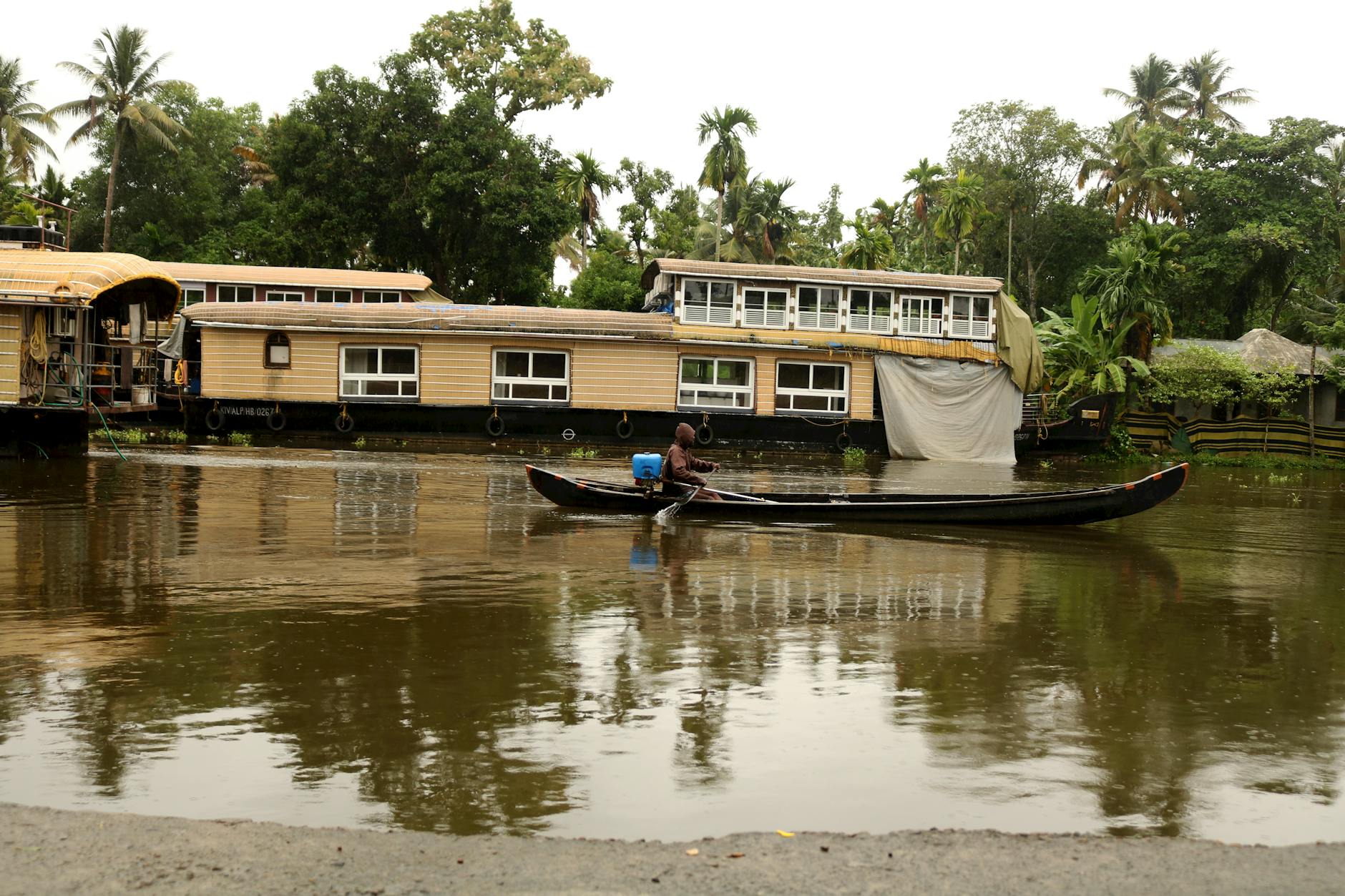
Kerala is where India monsoon travel truly begins. The southwest monsoon arrives here first, usually in late May or early June, and the state embraces it as a tourism season rather than an obstacle. The backwaters around Alleppey become a network of green channels and slow-moving houseboats under grey skies.
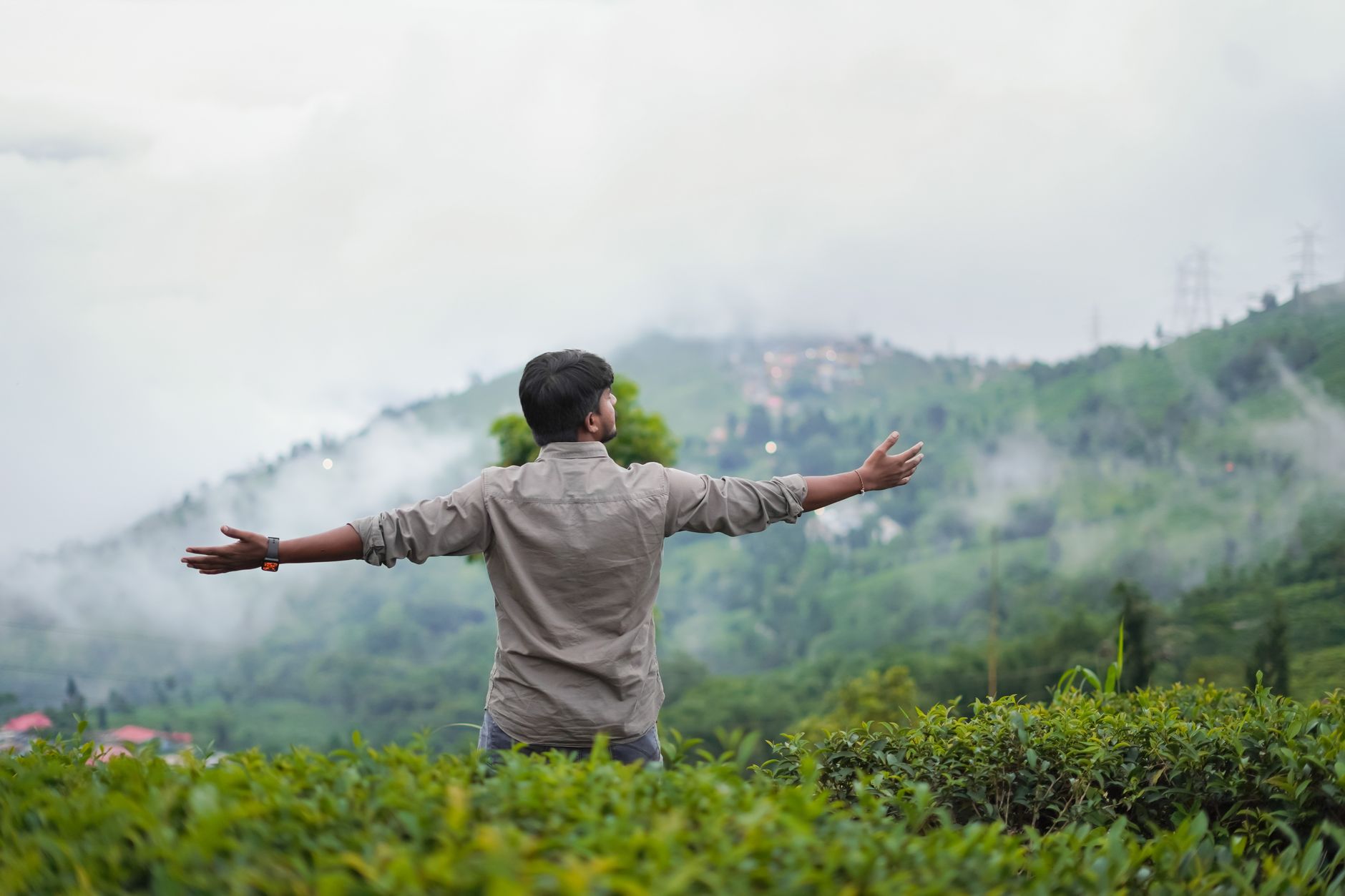
Munnar, in the Idukki district, offers rolling tea plantations and mist-covered hills that look almost unreal in the rain. Waterfalls like Attukal run at full strength, and the Eravikulam National Park stays lush and active. The crowds are smaller than in winter, and the atmosphere feels peaceful.
Wayanad adds rainforest and wildlife to the Kerala experience. Its misty valleys, spice plantations, and waterfalls like Meenmutty and Soochipara are at their most dramatic from June through August. The rains here are consistent but not overwhelming, which makes the area safe and comfortable.

Coorg and Chikmagalur: Karnataka’s coffee hills
Coorg, also known as Kodagu, sits in the Western Ghats of Karnataka. The monsoon fills the coffee and spice estates with mist, and waterfalls like Abbey Falls and Iruppu Falls run at full force. The cool temperature and green surroundings make it one of the most popular destinations for travelers from Bangalore.
Chikmagalur is a quieter option nearby. During the monsoon, the entire area turns a vivid green, and the Western Ghats offer excellent trekking through wet forest. Guided tours of the coffee estates are available and provide a real look at how one of India’s most important crops grows in its natural environment.
Both destinations stay accessible by road from Bengaluru, though you should allow extra time for slower conditions in heavy rain. The best months to visit are July and August for the most dramatic scenery.



Meghalaya: where the rain defines everything
Cherrapunji, in Meghalaya, receives some of the heaviest rainfall in the world. The Nohkalikai Falls, one of India’s tallest plunge waterfalls, runs at maximum volume during the monsoon. The living root bridges, built by the indigenous Khasi people from the roots of rubber trees over many generations, become especially striking when surrounded by rain-wet forest.
Shillong, the state capital, offers a different experience. Rolling hills, a cool climate, and local markets full of Meghalaya food and crafts make it a comfortable base. The nearby Elephant Falls and Umiam Lake look their most beautiful in the rainy season.
Mawlynnong village, close to both Cherrapunji and Shillong, is widely considered the cleanest village in Asia and makes an excellent day visit alongside a wider Meghalaya trip.
Expert perspective on India monsoon travel
India monsoon travel has changed significantly over the past decade. Travelers from Europe and Southeast Asia now plan their trips specifically around the rainy season because it offers the most authentic version of the landscape. The Western Ghats, the Northeast, and Kerala’s backwaters all operate as tourism ecosystems that are genuinely designed for rain. Hotel operators in these regions understand the monsoon visitor better than in any other season. The cost advantage is real, room rates in popular hill stations can fall by 40 percent or more compared to the December peak. The key advice we give all visitors is to stay flexible with transport, prioritize destinations with established infrastructure, and carry good waterproof gear from day one.
Industry perspective, sustainable travel and ecotourism professionals in India
Goa: a quieter, greener version of itself
Goa in the monsoon is a genuine alternative to its busy winter identity. The beaches are not ideal for swimming, as tides are stronger and most beach shacks close. However, the inland areas become green and full of activity. The Dudhsagar Falls, one of India’s most recognized waterfalls, runs at its most powerful from June through September.
The Sao Joao festival takes place in late June and offers a direct look at Goa’s local culture. Heritage churches and spice plantations in the interior stay open and attract far fewer visitors than in peak season. Hotel rates drop substantially, and the pace of the place slows in a way that many travelers find more enjoyable.
Valley of Flowers and Ladakh: 2 contrasting choices
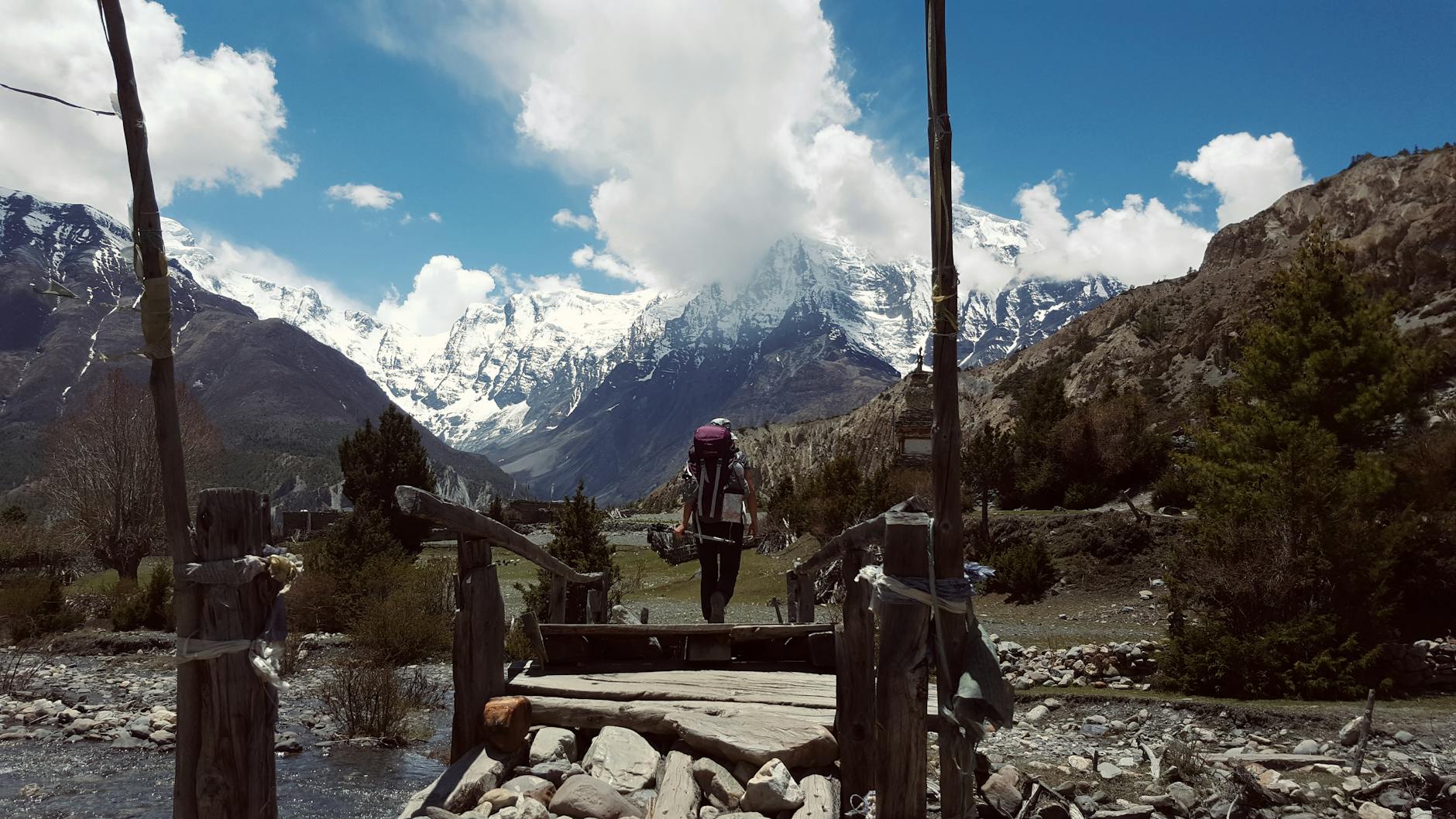
The Valley of Flowers National Park in Uttarakhand is a UNESCO World Heritage Site. It opens from June through October, and the monsoon months bring over 500 species of wildflowers to the alpine meadow. The trek starts from Govindghat and takes travelers through cloud-covered trails and rivers running full. This is one of India’s most visually striking monsoon experiences.

Ladakh offers the opposite. It sits in a rain-shadow zone, so while most of India receives heavy rain, Ladakh stays dry with clear skies and temperatures between 12 and 22 degrees Celsius. June through September is the best time to visit Pangong Lake, Nubra Valley, and the monasteries of Leh. It is the ideal option for travelers who want mountain scenery without the rain.
Plan your India monsoon trip with confidence
India monsoon travel is not a compromise. It is a genuine choice that gives you greener landscapes, lower prices, smaller crowds, and waterfalls at their most powerful. The 7 destinations in this guide cover the full range of experiences the season offers, from Kerala’s backwaters to Ladakh’s dry mountain light. Start with a destination that matches your comfort with rain: Kerala and Goa for coastal ease, Coorg and Meghalaya for rainforest beauty, or Ladakh and Valley of Flowers for those who prefer drier skies. Pack well, book transport early, and let India monsoon season show you what most visitors never see. Browse the Incredible India portal to plan your route and check current travel conditions before you go.
Discover more about India monsoon
- Incredible India: Official Travel Guide by the Ministry of Tourism
- India Monsoon Travel Guide: Best Destinations June to September (Wego Travel Blog, 2026)
- India Monsoon Map: Best Places to Visit During Monsoon and Dry Weather (StayVista Journal)