


In February 2026, India and the Gulf Cooperation Council signed a landmark Joint Statement to formally begin Free Trade Agreement negotiations. The statement was signed in New Delhi between Commerce Minister Piyush Goyal and GCC Secretary General Jasem Mohamed Albudaiwi. This moment marks a new chapter in one of the world’s most consequential economic relationships. For general readers, understanding the India GCC partnership means understanding how energy, money, people, and trade connect 2 of the fastest-growing economic regions on earth.
What the India GCC Partnership Covers
The India GCC relationship is built on 4 core pillars: trade in goods, energy supply, investment flows, and people-to-people connections through the Indian diaspora. The GCC as a collective entity has vital significance for India and constitutes India’s extended neighbourhood. The region’s substantial oil and gas reserves are of immense importance for India’s energy security. KPMG

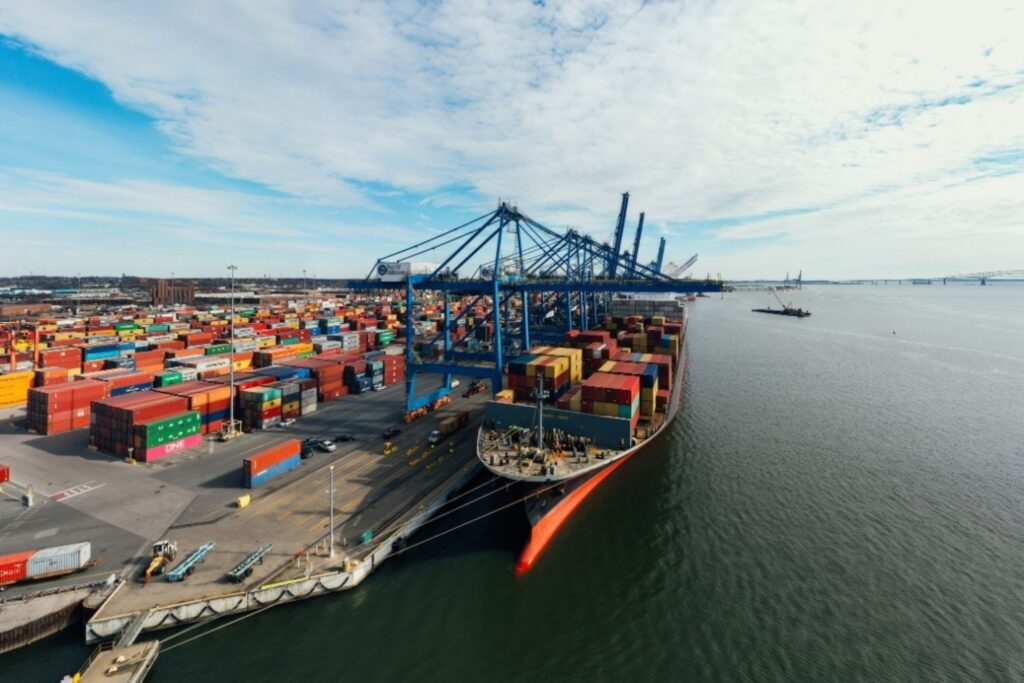
In 2024 to 2025, bilateral trade between India and the GCC reached $178.7 billion, up from $161.82 billion in the previous fiscal year. India’s exports to the GCC grew to $57 billion, while imports increased to $121.7 billion. This scale of trade makes the GCC one of India’s most important economic relationships in the world today.
The New Free Trade Agreement and What It Means
The GCC Secretary General described the FTA negotiations and the signing of the joint statement as representing a new phase of strategic partnership. The framework aims to remove customs and non-customs barriers, enhance investment flows in both directions, and achieve further liberalisation in trade cooperation between the GCC and India for mutual benefit. IMPRI
The signing of the Terms of Reference between India and the 6 member states of the GCC on February 5, 2026 represents an important procedural step in the evolution of India-GCC economic relations. This follows a prolonged pause of nearly 2 decades in formal FTA negotiations. Furthermore, India has recently signed trade agreements with the European Union and the United States, providing a broader foundation for advancing the India GCC FTA at the regional level.
Key Sectors Driving India GCC Investment
For GCC countries, especially Saudi Arabia and the UAE, the FTA holds the potential to drive both oil and non-oil sector growth. The agreement aligns with long-term national visions such as Saudi Vision 2030 and UAE Centennial 2071, both of which aim to diversify economies beyond energy dependence. Tracxn
The sectors attracting the most India GCC investment activity in 2026 include:

- Energy: Crude oil and liquefied natural gas from Saudi Arabia and Qatar remain India’s primary imports from the region. Green hydrogen partnerships are now emerging as a key new area of collaboration.
- Infrastructure and logistics: Major Gulf conglomerates such as Lulu Group and Sharaf Group have doubled investment in logistics and food security infrastructure within India. Press Information Bureau
- Technology and Global Capability Centres: India now hosts over 1,800 Global Capability Centres, employs nearly 2 million professionals, and generated $64.6 billion in export revenue in 2024, with approximately 110 new centres established between 2024 and late 2025. Newskart
- Food and agriculture: The UAE has committed $2 billion to develop integrated food parks in India under the I2U2 economic framework.

A Professional’s View on India GCC Trade Opportunities
A senior trade consultant based in Dubai, UAE:
“The India GCC relationship is unlike any other bilateral trade corridor in the world. The combination of energy supply, diaspora remittances, and growing investment flows creates a foundation that very few partnerships can match.”
“The FTA negotiations are the most significant development in this relationship in 20 years. Businesses that position themselves now, before the agreement is finalised, will have a considerable first-mover advantage in sectors such as logistics, food processing, and digital services.”
Rainwater harvesting tips for home
Rainwater harvesting is one of the smartest things an Indian household can do during monsoon season. From simple barrel setups...
Pranayama breathwork for WFH burnout
Millions of Indian professionals working from home face rising burnout with blurred boundaries and constant screen time. Pranayama breathwork offers...
Monsoon commute dressing done right
The Indian monsoon is beautiful, but it tests every office-goer's wardrobe. This guide covers the best fabrics, footwear, and traditional-meets-modern...
Plastic-free kitchen brands worth switching to
India has some of the most creative homegrown brands making plastic-free kitchen essentials rooted in ancient materials. From coconut shell...
The Role of the Indian Diaspora in This Partnership
The human dimension of the India GCC relationship is as important as the economic one. Approximately 8.9 million Indian expatriates reside in GCC countries, representing approximately 66% of all non-resident Indians globally. This community forms a direct economic bridge between the 2 regions.
The Indian diaspora in Gulf countries contributes nearly 38% to India’s total remittance inflows. Based on total inflows of $135.4 billion in financial year 2025, the share from Gulf countries amounts to approximately $51.4 billion. To put this number in perspective, India’s total trade surplus with the United States in 2025 was $58.2 billion. The Gulf diaspora remittance flow is therefore comparable in scale to India’s entire trade surplus with its largest export market.
Challenges and Risks in the India GCC Relationship
The India GCC partnership is strong but not without complexity. In 2025, Gulf sovereign wealth fund flows to India contracted sharply by approximately 70%, as state-owned investors pivoted capital toward developed markets and artificial intelligence sectors in the West. This shift highlights the importance of diversifying the type of investment flowing between the regions. Press Information Bureau
Technology collaboration between India and the GCC remains limited due to gaps in intellectual property frameworks and innovation ecosystems in Gulf states. India seeks deeper technology transfer, but mutual gaps in research capabilities remain a bottleneck. Additionally, the FTA negotiations themselves will require careful management of tariff structures across sectors such as pharmaceuticals, textiles, and gems and jewellery, where both regions have strong but competing commercial interests.
Conclusion: India GCC Is One of the World’s Most Important Trade Corridors
The India GCC partnership is entering its most significant phase in decades. The new FTA framework, combined with $178.7 billion in bilateral trade, 8.9 million diaspora connections, and growing investment in technology and infrastructure, creates a foundation that very few bilateral relationships in the world can match. For general readers, the India GCC story is a clear signal that economic power is shifting and that the relationship between South Asia and the Gulf will shape global trade for the next generation. The FTA negotiations make 2026 the most important year in this partnership since the original Framework Agreement was signed in 2004.