

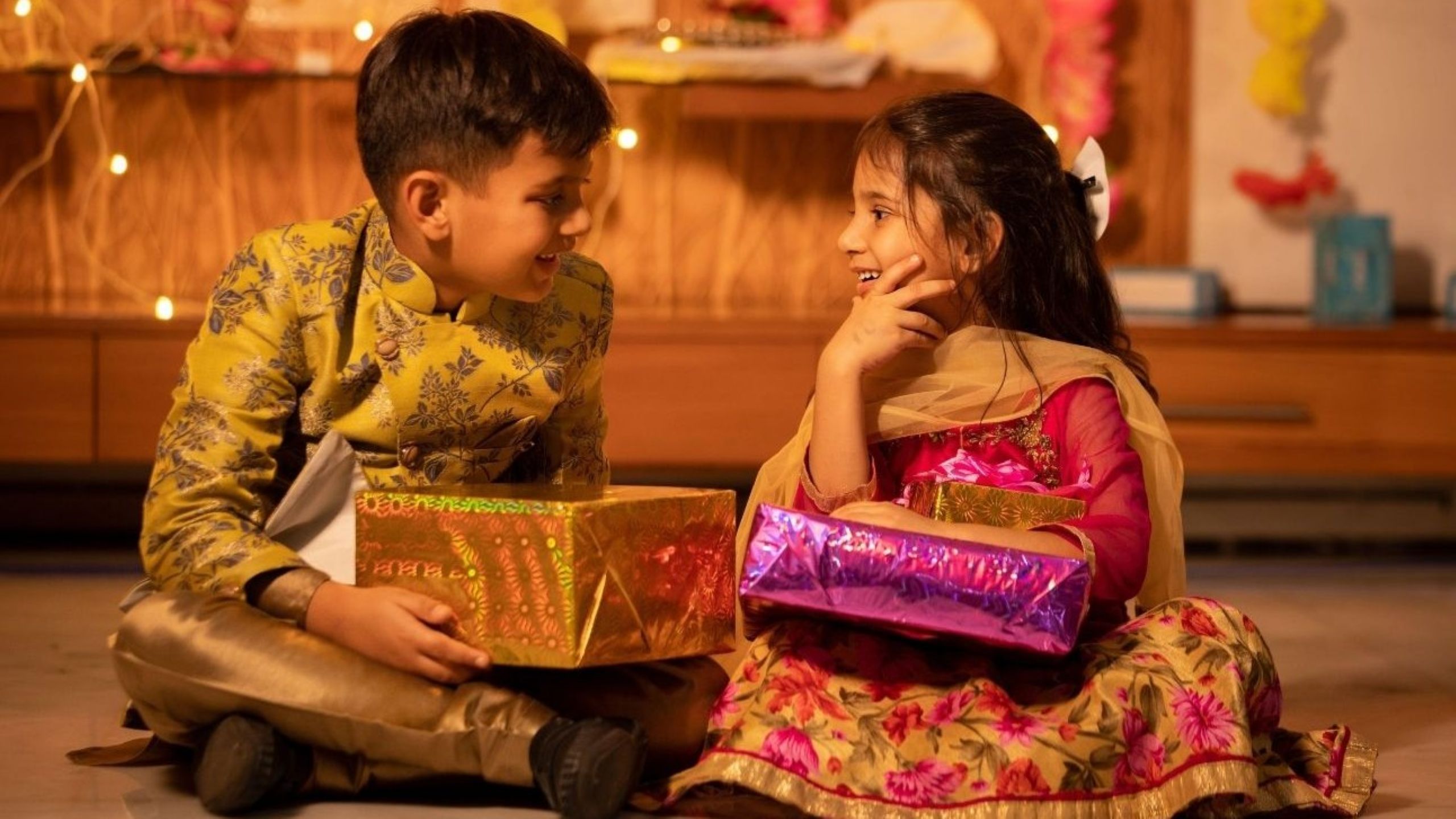
Why Does Diwali Create Massive Retail Surge?
Diwali retail surge stems from cultural traditions requiring new purchases and gift-giving ceremonies. Furthermore, buying gold, electronics, clothing, and home goods during Diwali brings prosperity. This auspicious timing drives consumers to make planned purchases they delayed throughout.

Additionally, salary bonuses and festival allowances boost consumer spending power during retail surge. For instance, corporate employees receive Diwali bonuses averaging one month’s salary typically. This additional income translates directly into discretionary spending across product categories.
Meanwhile, competitive discounts and promotions amplify Diwali retail surge across all channels. Specifically, retailers offer 30-70% discounts knowing consumers compare prices aggressively before purchasing. This discount-driven environment increases transaction volumes despite reduced per-unit margins significantly.
How Does E-commerce Dominate Diwali Retail Surge?
E-commerce platforms capture 45% of Diwali retail surge with Amazon and Flipkart leading. Moreover, online sales during October-November reach ₹1.2 lakh crores across platforms combined. This digital dominance reflects consumer preference for convenience, variety, and competitive pricing.
Additionally, exclusive online-only deals drive e-commerce retail surge beyond traditional store offerings. For example, flash sales, early bird discounts, and app-exclusive prices attract bargain hunters. These strategies convert fence-sitters into buyers through time-limited urgency creation.
Payment flexibility through EMIs and credit options fuels e-commerce retail surge substantially. Indeed, buy-now-pay-later schemes enable big-ticket purchases without immediate financial strain currently. This accessibility expands addressable markets including middle-class consumers seeking premium products.


What Retail Surge Categories Perform Best During Diwali?
Electronics and appliances lead Diwali retail surge accounting for 30% of festival sales. Furthermore, smartphones, TVs, laptops, and home appliances see exceptional demand and discounting. Replacement cycles and technology upgrades align perfectly with Diwali auspicious timing.
Additionally, fashion and jewelry categories experience massive retail surge during festival season. For instance, ethnic wear, designer collections, and gold jewelry purchases spike 300-400%. Cultural requirements for new clothing during Diwali ensure predictable demand annually.






Home décor and furnishings benefit from Diwali retail surge as families renovate spaces. Specifically, furniture, lighting, kitchen appliances, and decorative items see increased purchases consistently. This category combines necessity with aspiration driving higher average transaction values.

Onam festival: Kerala’s harvest goes global
Onam festival is no longer just Kerala's harvest celebration. It is a 10-day global ritual of homecoming, plant-based eating, mindful...

Kerala retreats for Ayurvedic reset
Kerala retreats during Onam season offer something rare: the chance to celebrate one of India's most beloved festivals while undergoing...

Zero-chemical cleaning kit for Indian homes
A zero-chemical cleaning kit does not require a specialty store or a large budget. India's own kitchen shelves hold 5...

Carnatic music: a complete beginner’s guide
Carnatic music is one of South India's most profound classical traditions, built around ragas, rhythm, and centuries of devotional composition....
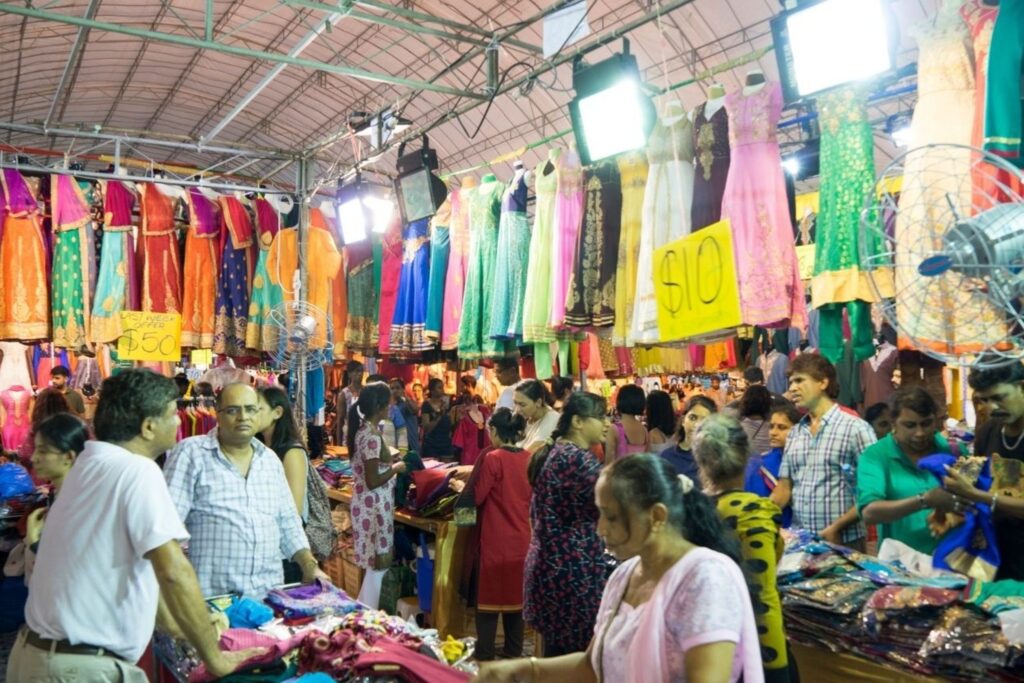
How Do Logistics and Technology Enable Retail Surge Success?
Warehouse capacity expansion and logistics partnerships handle Diwali retail surge order volumes efficiently. Furthermore, third-party fulfillment centers and last-mile delivery networks scale for festival demands. These infrastructure investments prevent delivery delays damaging customer satisfaction and reviews.
Additionally, technology platforms supporting retail surge require load testing and server capacity upgrades. For instance, website crashes during flash sales cost retailers millions in lost revenue. Cloud infrastructure and CDN optimization ensure smooth experiences despite 10x traffic spikes.
Customer service automation through chatbots and AI handles retail surge inquiry volumes cost-effectively. Moreover, automated order tracking, FAQ responses, and return processing reduce manual workload. This scalability maintains service quality despite exponential customer interaction increases during festivals.











This article offers a masterly analysis of the seismic shifts within the Indian e-commerce landscape as we navigate the Diwali 2026 retail surge. It is incredibly insightful to see how the focus has shifted from mere price wars to a sophisticated ‘Intelligence-Led’ strategy. The integration of hyper-personalization through AI and the emergence of ‘Zero-Query’ journeys represent the true frontier of modern retail.
I particularly appreciate your emphasis on the ‘Vernacular Revolution.’ With over 75% of internet users now preferring regional language content, localizing the shopping experience is no longer optional—it is the primary driver for trust and conversion in Tier 2 and Tier 3 cities. Furthermore, the way you’ve highlighted the synergy between Social Commerce (via WhatsApp and Instagram) and Predictive Logistics showcases a deep understanding of how brands must operate in a high-velocity festive market.
In 2026, the winner is not just the one with the best discounts, but the one who can provide a seamless, culturally resonant, and lightning-fast experience. Thank you for providing such a comprehensive roadmap for brands and investors looking to capitalize on this digital harvest season. This is a must-read for anyone aiming to master the complexities of the Indian creative and digital economy.
This article offers a masterly analysis of the seismic shifts within the Indian e-commerce landscape as we navigate the Diwali 2026 retail surge. It is incredibly insightful to see how the focus has shifted from mere price wars to a sophisticated ‘Intelligence-Led’ strategy. The integration of hyper-personalization through AI and the emergence of ‘Zero-Query’ journeys represent the true frontier of modern retail.
I particularly appreciate your emphasis on the ‘Vernacular Revolution.’ With a significant majority of new internet users preferring regional language content, localizing the shopping experience is no longer optional—it is the primary driver for trust and conversion in Tier 2 and Tier 3 cities. Furthermore, the synergy between Social Commerce and Predictive Logistics showcases a deep understanding of how brands must operate in a high-velocity festive market.
In 2026, the winner is not just the one with the best discounts, but the one who can provide a seamless, culturally resonant, and lightning-fast experience. Thank you for providing such a comprehensive roadmap for brands and investors looking to capitalize on this digital harvest season.
This article offers a masterly analysis of the seismic shifts within the Indian e-commerce landscape as we navigate the Diwali 2026 retail surge. It is incredibly insightful to see how the focus has shifted from mere price wars to a sophisticated ‘Intelligence-Led’ strategy. The integration of hyper-personalization through AI and the emergence of ‘Zero-Query’ shopping journeys represent the true frontier of modern retail.
I particularly appreciate your emphasis on the ‘Vernacular Revolution.’ With the majority of new digital consumers preferring regional language content, localizing the end-to-end shopping experience is no longer a luxury—it is the primary driver for trust and conversion in Tier 2 and Tier 3 cities. Furthermore, the synergy between Social Commerce and Predictive Logistics showcases a deep understanding of how brands must operate in a high-velocity festive market to meet the ‘instant-gratification’ demands of the 2026 consumer.
In this era, the winners are not just those with the best discounts, but those who can provide a seamless, culturally resonant, and lightning-fast experience. Thank you for providing such a comprehensive roadmap for brands and investors looking to capitalize on this digital harvest season. A truly essential read for the modern e-commerce strategist
Worked in the supply chain side for a D2C beauty brand last festive season and the part about dark store expansion is the real story behind the headlines, not the GMV numbers. We had to literally redo our entire SKU split between Blinkit and Flipkart in two weeks because demand patterns flipped overnight. The point about consumers planning earlier in 2025 versus the last-minute rush is also accurate, our prepaid orders moved up by almost ten days. Decent overview but the operational complexity behind these numbers deserves its own piece honestly.
Tier-3 cities contributing 38 percent of order volumes is the only number anyone building an e-commerce brand in India needs to obsess over.