

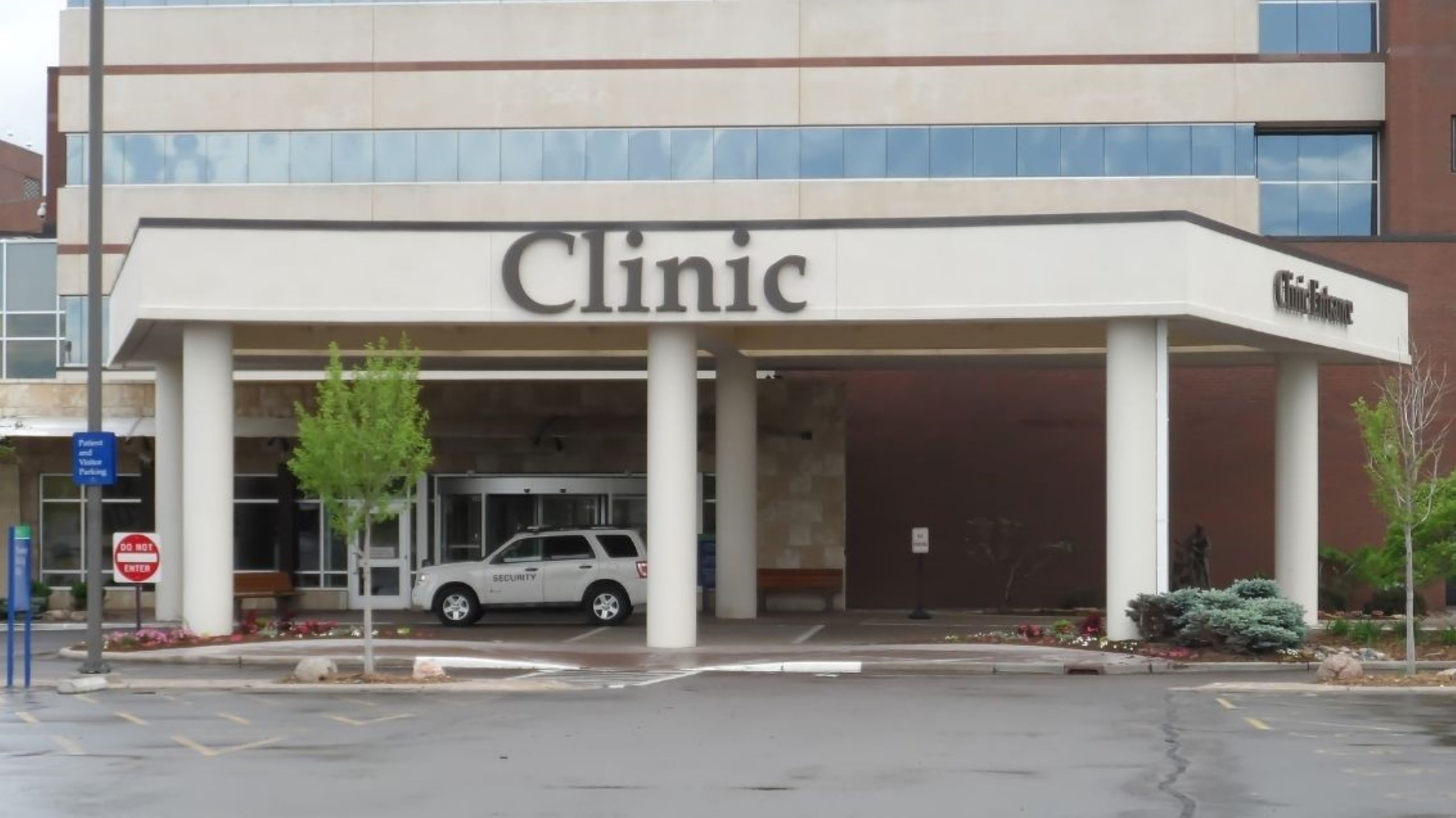
What Drives Indian Healthcare Investment Growth in 2026?
Indian healthcare investment market reaches ₹82,000 crore in 2026. Consequently, private equity and infrastructure funds increased allocations 68%. Industry analysts project 16.8% annual growth through 2030.

Additionally, middle class expansion creates sustained demand for quality healthcare. Therefore, 600 million people expected to afford private healthcare by 2030. Moreover, chronic disease prevalence drives specialty hospital development increasingly.
Ayushman Bharat scheme covers 500 million citizens expanding insurance base. For instance, government reimbursements create revenue stability for private hospitals. Thus, public health insurance reduces bad debt and improves collections.
Which Healthcare Investment Sectors Attract Indian Capital?
Multi-specialty hospital chains dominate with Apollo, Fortis, and Max networks. Furthermore, tier-2 and tier-3 city expansion drives aggressive growth. Corporate hospitals command premium pricing for quality and technology.
Single-specialty hospitals including cardiac, orthopedic, and oncology centers thrive. However, focused expertise attracts patients from across regions nationally. Also, super-specialty positioning justifies higher margins and reimbursements.
Diagnostic chain networks like Dr. Lal PathLabs and Thyrocare expand rapidly. Meanwhile, preventive health checkup culture grows among urban professionals. Certainly, technology-enabled home sample collection improves accessibility significantly.

Medical tourism facilities combine treatment with international patient coordination services. For example, Chennai, Mumbai, and Bangalore attract global patients. Besides, cost advantages deliver 60-80% savings versus Western countries.

How Does Medical Infrastructure Investment Generate Returns?
Asset-light management contracts reduce capital requirements substantially increasing returns. Nevertheless, hospital operators lease facilities from real estate investors. Specifically, revenue-sharing models align incentives effectively between parties.






Medical tourism generates foreign exchange earnings and premium pricing. On the other hand, international patients pay 3-4x domestic rates. Additionally, bundled packages including treatment, accommodation, and travel maximize revenues.
Insurance penetration growth from 35% to projected 50% ensures revenues. For instance, cashless treatments reduce collection risks and improve flows. Besides, government schemes like Ayushman Bharat guarantee minimum volumes.
Consolidation opportunities exist in fragmented market with 70,000+ hospitals. Thus, roll-up strategies create regional and national champions. Furthermore, economies of scale improve procurement and operational efficiency.


Onam festival: Kerala’s harvest goes global
Onam festival is no longer just Kerala's harvest celebration. It is a 10-day global ritual of homecoming, plant-based eating, mindful...

Kerala retreats for Ayurvedic reset
Kerala retreats during Onam season offer something rare: the chance to celebrate one of India's most beloved festivals while undergoing...

Zero-chemical cleaning kit for Indian homes
A zero-chemical cleaning kit does not require a specialty store or a large budget. India's own kitchen shelves hold 5...

Carnatic music: a complete beginner’s guide
Carnatic music is one of South India's most profound classical traditions, built around ragas, rhythm, and centuries of devotional composition....
Which Indian Cities Lead Healthcare Development?
Bangalore emerges as medical technology and specialty healthcare hub. Therefore, Narayana Health and Manipal Hospitals headquarter here. Currently, medical tourism focused on cardiac and orthopedic procedures.
Mumbai maintains position as tertiary care center serving Western India. As a result, premium hospitals cluster in South Mumbai and suburbs. Moreover, real estate costs drive vertical hospital tower developments.
Chennai dominates medical tourism attracting patients from Southeast Asia. Indeed, Apollo and MIOT hospitals pioneered international patient programs. Also, affordability combined with quality creates competitive advantages regionally.
Delhi NCR hosts largest concentration of super-specialty hospitals nationally. Nevertheless, Gurgaon and Noida attract corporate hospital investments heavily. Undoubtedly, proximity to international airport facilitates medical tourism logistics.
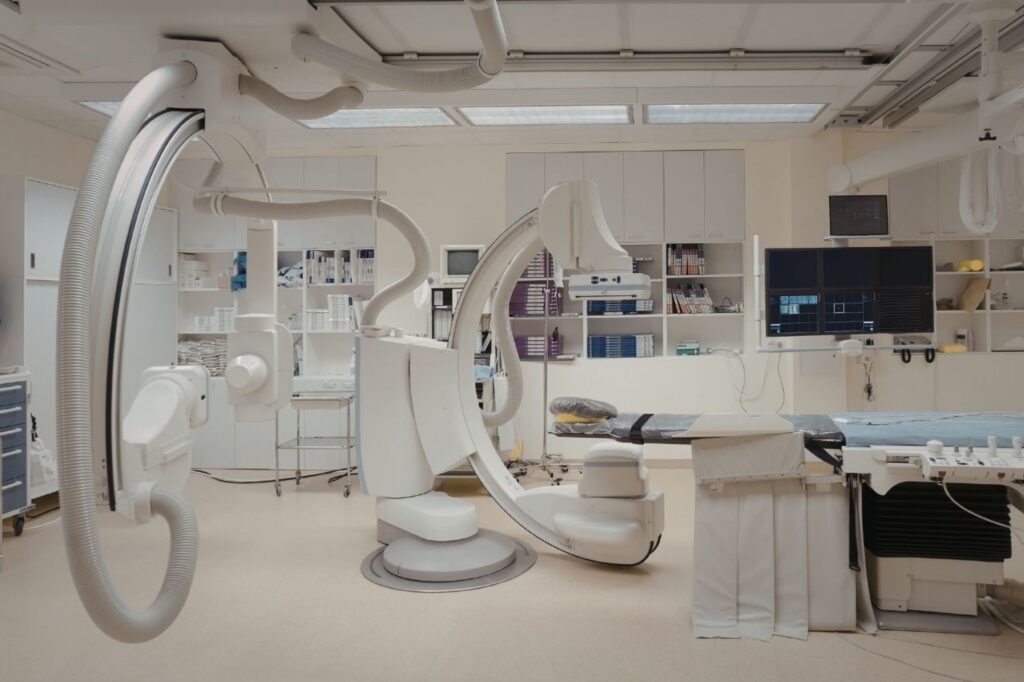











This article provides a compelling and highly analytical overview of the investment landscape within India’s hospital sector as we head into 2026. It accurately captures the structural metamorphosis of the healthcare industry, moving beyond metropolitan saturation to unlock the immense potential of Tier 2 and Tier 3 cities.
What stands out in your analysis is the emphasis on the synergy between public policy and private capital. The mention of the Ayushman Bharat Digital Mission (ABDM) as a foundational pillar for scalable healthcare delivery is spot on—it’s the digital backbone that is finally making ‘healthcare for all’ a fiscally viable reality. Furthermore, the rising Average Revenue Per Occupied Bed (ARPOB) and the strategic shift toward high-acuity procedures in oncology and neurology demonstrate that the Indian hospital sector has reached a high level of clinical and operational maturity.
In 2026, investing in Indian healthcare isn’t just about capacity building; it’s about technological integration—leveraging AI for diagnostics and predictive care to bridge the infrastructure gap. This piece is an essential roadmap for global institutional investors and healthcare providers looking to capitalize on India’s unique position as a global hub for medical value travel and domestic care excellence. Thank you for this rigorous and visionary breakdown of one of the most resilient sectors in the global economy today.
Ayushman Bharat covering 500 million citizens is the real story here, not the corporate hospital expansion. That insurance base is what reduces bad debt and lets private operators plan capacity with confidence.
Apollo acquiring 31% more of AHLL for 1,254 crore is the kind of move that signals where the smart money is going. The single-specialty hospital segment doubling from 15 to 31 billion USD is the chart I’ve been showing investors for months. Diagnostics, oncology, and IVF are essentially the new frontier.