
Northeast India packs eight states, several permit systems and a jump from humid river plains to Himalayan frost into one winter trip. First-timers often lose days working out which Inner Line Permit covers which state, and when the Hornbill Festival actually falls. This route plan picks six stops that fit together between late November and February. It explains which permit each stop needs, what changes about the place in winter, and how much lead time to leave before you land in Guwahati.
Every stop below earns its place for a winter-specific reason: a fixed festival date, a park that reopens only in this season, or a road that needs the right permit before you can drive it. Places that offer nothing more in December than they do in June are left off this list.
Guwahati: the gateway you start and end in
Guwahati opens and closes almost every Northeast India itinerary, since its airport is the region's main hub for flights from Delhi, Kolkata and Mumbai. Assam, Meghalaya and Tripura need no Inner Line Permit, so you can land, sort out warm clothing and a local SIM, and move on the same day. Keep one night here anyway. Kamakhya Temple's morning crowd thins out early, and the ghats along the Brahmaputra sit quiet under December fog.
Kaziranga National Park: short grass, full daylight, open safari zones
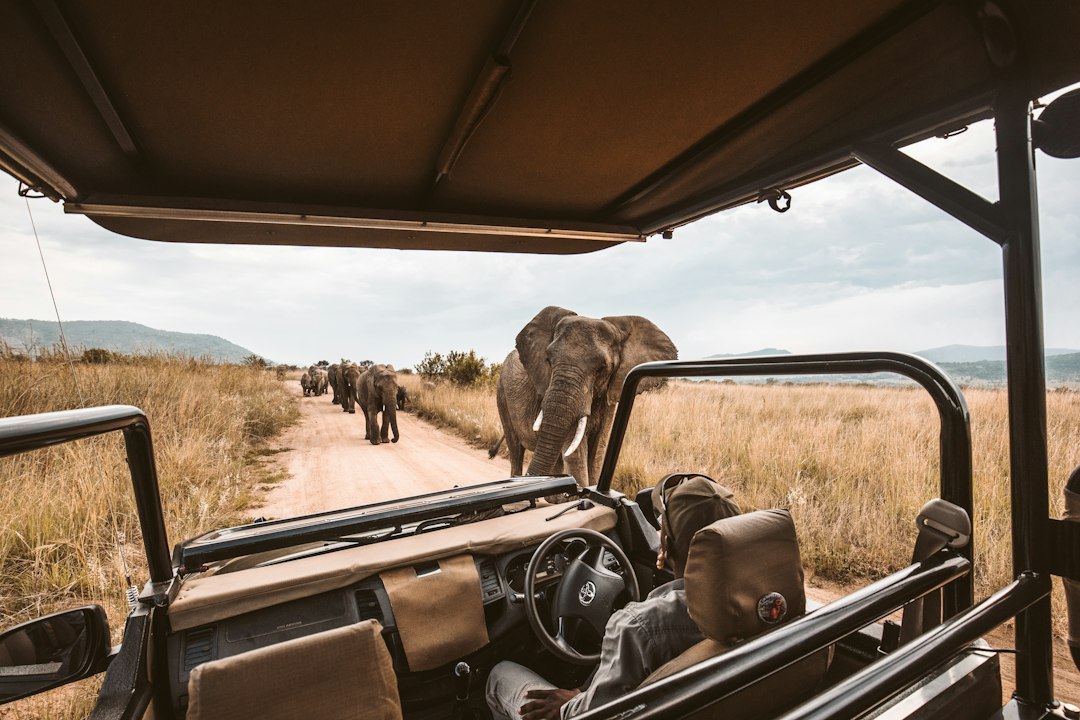
Kaziranga National Park reopened for its 2026-27 season on 3 October 2026, with jeep safaris running in the Central (Kohora) and Western (Bagori) ranges, with entry from 7:30 to 10:00 am and 1:30 to 3:00 pm. Elephant safaris are expected to begin on 1 November 2026, at dawn. A jeep safari costs ₹3,500 to ₹5,500 per jeep for up to six people, and an elephant safari runs ₹1,800 per person. Rangers cut the grass short in November, which means animals are visible in the open rather than hidden in the tall stands that can grow up to six metres during the monsoon.
Majuli: the river island that needs calm water to reach
Majuli sits in the Brahmaputra near Jorhat, reached only by a passenger ferry that crosses from the Nimati ghat. Winter gives you the calmer version of that crossing, since the river drops from its monsoon peak and ferry schedules run more predictably. The island holds several Vaishnavite monasteries, called satras, and Mishing tribal villages built on stilts above the flood line. Plan a full day for this stop: the ferry timetable is short, and the return boat does not wait for latecomers.
Kohima and the Hornbill Festival: ten fixed days in December
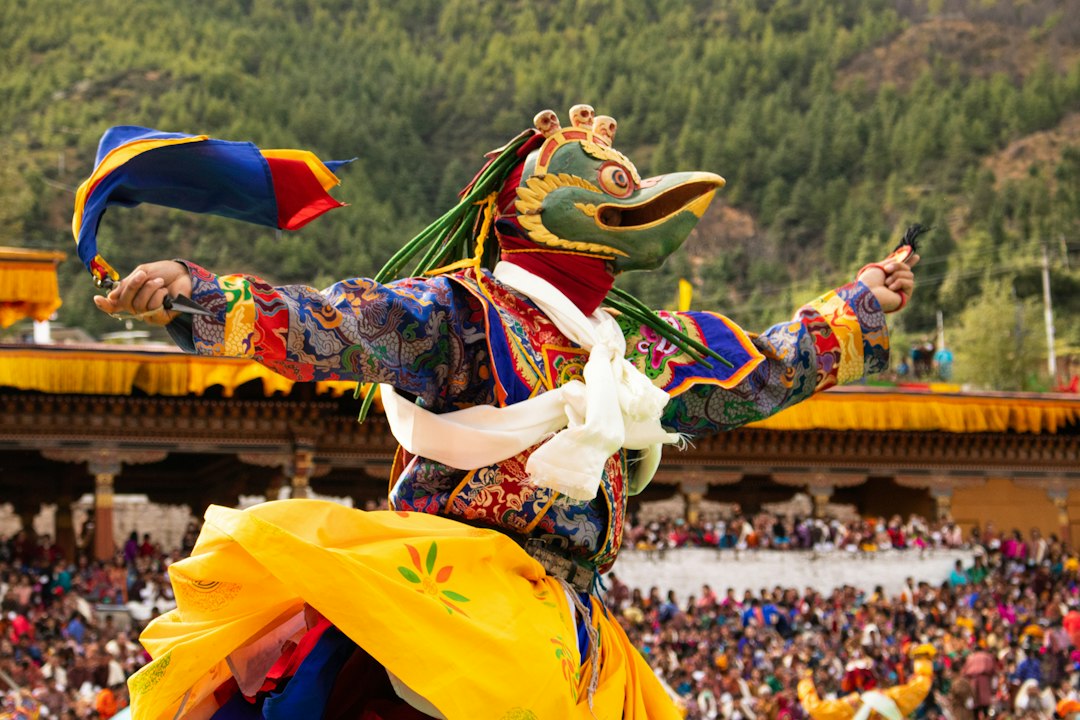
The Hornbill Festival is held on fixed calendar dates, 1 to 10 December, every year, so it does not shift with the moon like Hindu festivals do. It takes place at Kisama Heritage Village, about 12 km south of Kohima, Nagaland's capital. Indian visitors apply for a Nagaland ILP at ilp.nagaland.gov.in or at entry points in Dimapur and Kohima, and the permit costs ₹200 for 30 days. The nearest airport and railway station are both in Dimapur, about 74 km from Kohima, and rooms around Kohima fill up fast in December, so book before the state confirms each year's programme.
Tawang: the high-altitude add-on with its own permit and timeline
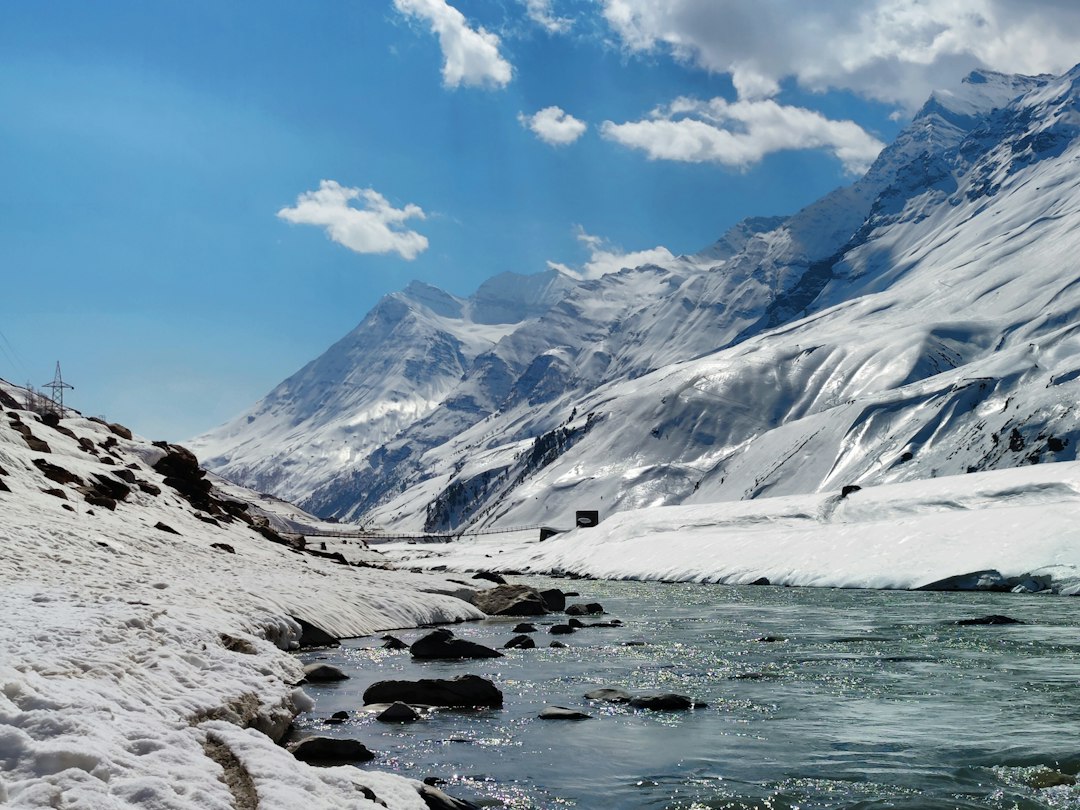
Tawang lies beyond Sela Pass, a crossing on National Highway 13 that connects Tawang with the rest of India. Sela Pass sits at 4,170 metres and stays snow-covered to some degree almost year-round, so you can usually see snow there from October to April, and snow falls reliably on Tawang town itself in December and January, often stretching into February. Every Indian citizen needs an Inner Line Permit for Arunachal Pradesh, applied through the state's eILP portal; the live tourist fee is ₹300 for stays up to three days and ₹500 for four to fourteen days. The Border Roads Organisation usually keeps Sela Pass open year-round, with occasional short closures after heavy snow or a landslide, and the Sela Tunnel below the pass offers a vital passage, especially during the winter season.
Shillong, Cherrapunji and Mawlynnong: the stretch with no permit at all
Indian citizens do not need a permit to enter Meghalaya, unlike the states further north and east on this route. Cherrapunji and nearby Mawsynram are known worldwide for extremely high rainfall, but winter is the dry season here, which is exactly when the living root bridges and limestone caves around Cherrapunji are safest to walk. Mawlynnong, often promoted as one of the cleanest villages in the region, sits close enough to Shillong for a single day trip. Keep two nights in Shillong itself, since the drive down to the root bridges and back takes most of a day on its own.
How to choose your Northeast India route
Start by setting your trip length, since that decides whether Tawang fits. Ten days covers Guwahati, Kaziranga, Majuli and either Kohima or Meghalaya comfortably. Add four more days if Tawang is on the list, because the road from Guwahati to Tawang and back eats two of them on its own.
If the Hornbill Festival is the reason for the trip, lock your Kohima dates first and build everything else around 1 to 10 December, since those dates do not move. Apply for your Inner Line Permit a day or two before travel, carry the original printed permit plus your ID, since digital copies on a phone may not be accepted at every checkpoint. Foreign nationals follow a different track entirely: a Protected Area Permit application through the Ministry of Home Affairs or a registered agent, which can take four to six weeks to clear.
For a first winter trip, pick breadth over depth. Guwahati, Kaziranga and either Kohima or Meghalaya give a fuller sense of the region than one deep dive into a single state, and Tawang waits well for a second visit once the permits and the cold feel familiar.