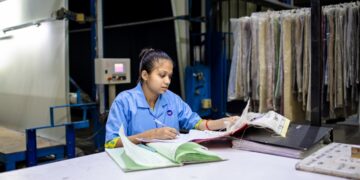

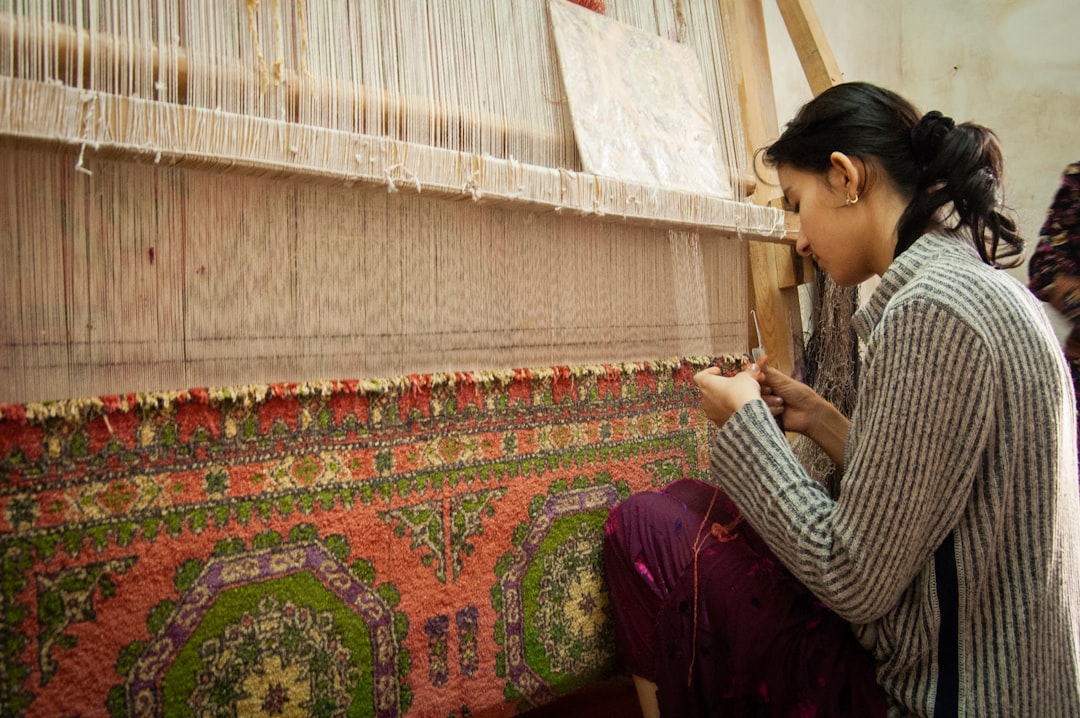
Craft export is one of India’s most underdiscussed business opportunities, and the founders who move early are already building serious global revenue.
Why the craft export market is bigger than most founders think
India’s handicrafts market reached USD 4.85 billion in 2025 and is projected to reach USD 8.29 billion by 2034, growing at a CAGR of 6.13%. That is not a niche market. That is a structural growth story hiding inside a sector that most technology-focused entrepreneurs ignore entirely. The numbers reward attention.
The United States is the largest buyer of Indian craft exports, importing USD 2.61 billion worth of goods in 2024-2025. The United Kingdom follows with USD 419.55 million in imports, while Germany imports USD 410.59 million. France and Italy also rank among the key markets. These are wealthy consumers who pay premium prices for provenance and handmade authenticity.
India’s handicraft ecosystem covers over 455 craft categories and 318 GI-tagged products. The sector is largely rural-based, with production concentrated in clusters across Surat, Bareilly, Varanasi, Agra, Hyderabad, Lucknow, Chennai, and Mumbai. Every cluster is a business waiting for the right operator.
How GI tags create a defensible premium product
The single strongest commercial tool available to a craft export founder is a Geographical Indication tag. International recognition through GI tags strengthens the authenticity and global appeal of region-specific crafts, enabling Indian artisans to command premium pricing in competitive international markets. A GI tag turns a product into a protected asset.
India is now home to more than 800 registered GI products, with 607 GIs granted since 2014. The number of authorised GI users has also grown sharply, rising from just 365 to around 29,000 as of January 2025. This expansion means more founders now have access to certified regional identity for their products.

In 2025, amendments to the rules reduced the application fee for GI registration and related procedures by 80 percent, while the renewal fee was brought down from Rs. 3,000 to Rs. 500. That is a direct reduction in the cost of protecting your brand. Founders who move quickly on GI certification gain a real competitive barrier that no fast-fashion competitor can easily replicate.
The digital shift that is changing how artisans reach buyers
Online stores are witnessing rapid growth as e-commerce platforms enable craftspersons to bypass traditional intermediaries and connect directly with global consumers seeking handcrafted products. This is the structural shift that makes a craft export startup viable without a large trading operation underneath it.






Kalagya Arts and Crafts, founded in 2016 and headquartered in Rajasthan, creates handcrafted home furnishings, art sculptures, and utility items that blend traditional Indian aesthetics with contemporary lifestyle demands. It exports to North America, Europe, and Australia. By investing in digital marketing and online commerce infrastructure, the business has established direct customer interactions that bypass traditional distribution middlemen. That model is repeatable across dozens of craft clusters in India.
The integration of digital payment systems and logistics solutions has made it easier for artisans to reach national and international markets, boosting both sales and visibility. Today, a founder in Kutch or Chanderi can receive a payment from a buyer in Paris within seconds of confirming an order.
Expert perspective on scaling handmade without losing identity
Scaling a craft export business is not simply a logistics or volume problem. It is a design and systems problem. The founders who succeed treat each artisan cluster as a brand asset, not just a supply source. They invest in product documentation, origin traceability, and design consistency before they invest in distribution. GI certification is a starting point, not the finish line. The real work is creating a buyer experience where the story of the maker travels with the product, from the workshop in Varanasi or Jaipur to a retail shelf in New York or Berlin. Authenticity is not a marketing claim. It is a system that must be built intentionally, with the artisan at the centre of every decision. Founders who do this well consistently achieve better retention, higher average order values, and stronger brand recognition in international markets than those who treat handmade simply as a cost structure.
Industry perspective, export promotion and craft sector development professionals in India
Government support every founder must use
The National Handicraft Development Programme (NHDP) focuses on cluster development, skill upgradation, design innovation, and marketing support, helping modernise production and improve artisans’ income. This scheme is one of the most underused resources available to early-stage craft export founders.
The Export Promotion Council for Handicrafts (EPCH) is an apex body in India dedicated to promoting and developing the export of Indian handicrafts worldwide. It sets up delegation meetings where members with EPCH registration can approach foreign clients directly. It also facilitates exporters’ attendance at international trade exhibitions of handicrafts and gifts. Registration with EPCH gives a founder instant access to buyer networks that took established exporters decades to build.
Initiatives such as One District One Product (ODOP) are contributing to the growth of handicrafts exports by promoting district-specific products, including GI-tagged goods, and integrating artisans into formal supply chains. A founder who aligns their product strategy with an ODOP district gains policy support, logistics infrastructure, and retail visibility simultaneously.
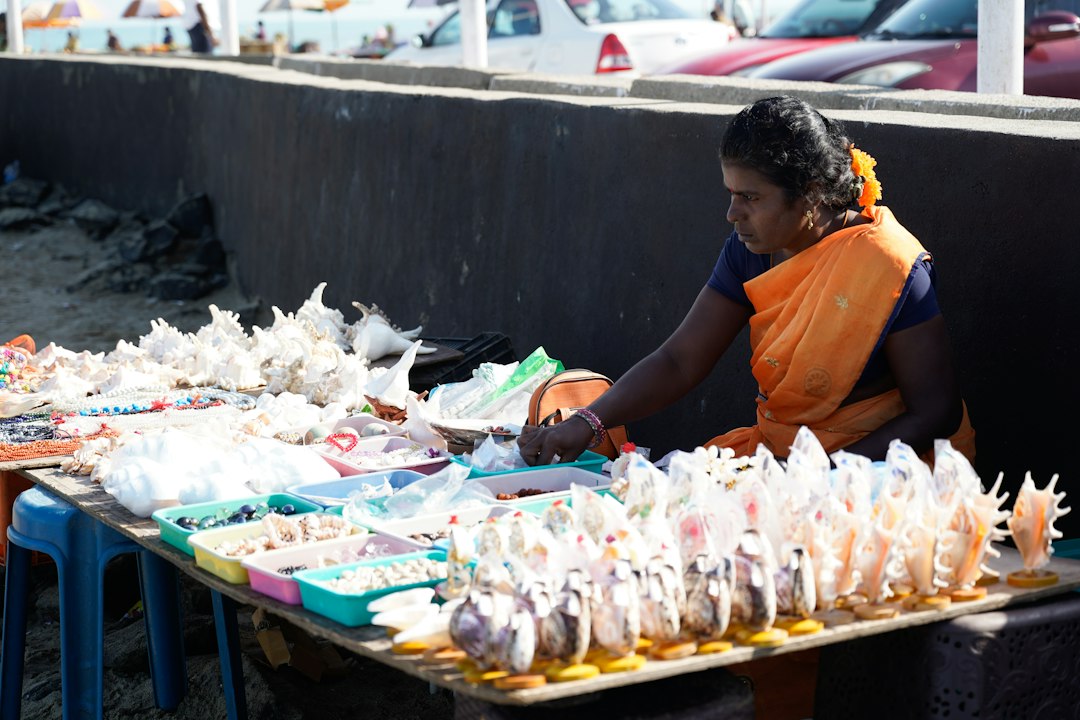
Craft export can scale without losing its handmade soul
The craft export opportunity in India is real, large, and available to founders who approach it with discipline. Exporting handicrafts from India can be a profitable venture, as global buyers actively seek authentic, handmade products. India’s diverse craft traditions and skilled artisans offer a strong advantage in international markets. Profitability is influenced by product quality, pricing, market reach, and strong branding.
The founders who win in craft export are not those who move fastest. They are those who build the most credible, traceable, and design-consistent versions of their regional product. Craft export rewards authenticity that is backed by a system, not just a story. Start with a single cluster, secure your GI tag, join EPCH, and then build the global brand your artisans deserve.

Discover more about craft export
- Export Promotion Council for Handicrafts (EPCH): India’s apex body for handicraft exports
- Handicrafts – Ministry of Commerce & Industry
- Trade in Bharat: Handicraft Export Schemes and Certification Support