


Gut health is one of the most overlooked conversations in India, yet every monsoon season, millions of people learn its importance the hard way at a street food stall.
Why monsoon is the most dangerous season for your gut
India’s street food culture is a living tradition. From Mumbai’s vada pav to Delhi’s gol gappe, these flavors are part of who we are. But the monsoon months, July through September, create conditions that turn familiar comfort food into a real health risk.

According to historical data tracked by the Integrated Disease Surveillance Programme (IDSP) under the Ministry of Health and Family Welfare, nearly 70% of all reported disease outbreaks in India are waterborne and foodborne, and they show a strong increase during peak monsoon months. That number is not a distant statistic. It is your neighbor, your colleague, or you.
The elevated risk comes from 3 key factors: heat, humidity, and poor drainage. Grains develop fungus, cut fruits attract flies within minutes, and street vendors frequently reuse contaminated water or oil. Your gut absorbs all of that. Understanding the risk is the first step toward protecting yourself.
How bacteria attack your gut during monsoon
The science behind monsoon gut problems is clear and worth knowing. Atmospheric moisture above 80% accelerates bacterial replication on open surfaces and improperly stored food by up to 40%, leaving the digestive system highly vulnerable to acute infections. Bacteria such as Salmonella and E. coli multiply at a speed that no eye can see.
During heavy rains in tier-1 and tier-2 cities, municipal water lines often mix with overflowing sewage lines, creating a primary vector for typhoid, cholera, and gastroenteritis. Street stalls that use this water for washing plates, rinsing vegetables, or making drinks pass the risk directly to you.
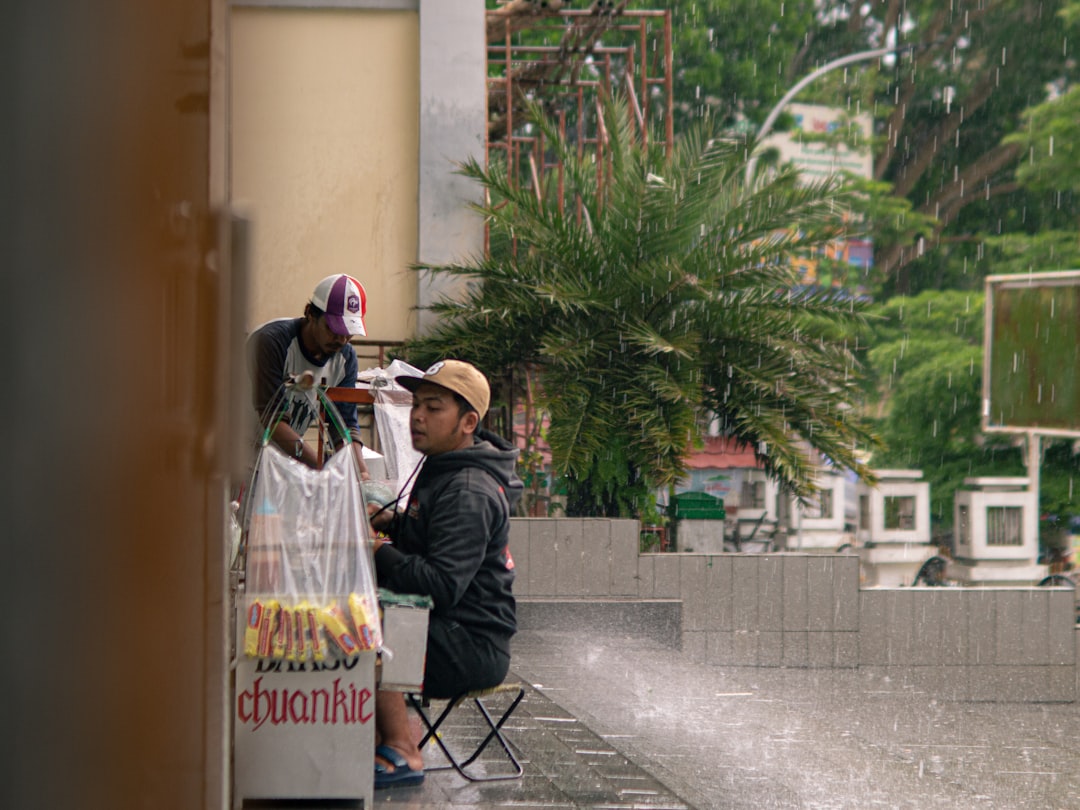
Open-air stalls are often exposed to dust, flies, and vehicle exhaust, which can contaminate food. Repeated use of cooking oil at high temperatures also produces harmful compounds that cause food poisoning. Together, these factors make monsoon street food a real challenge for gut health.

Smart food choices that protect your digestion
The good news is that you can still enjoy the season without harming your digestion. Ancient Indian food wisdom already encoded many of the right answers. Our grandmothers avoided raw salads in the rains and insisted on freshly cooked, hot food for very good reasons.
Clinicians advise consuming strictly boiled, filtered, or purified water to eliminate waterborne pathogens at the source. Carry your own water bottle every time you step outside. Curd, milkshakes, and sweets spoil quickly in humid weather, so avoid dairy-based foods unless you are sure of their freshness and storage.
Choose whole fruits instead of pre-cut fruits sold at open stalls. Buy whole fruits with natural protective skins, such as bananas, oranges, pomegranates, and guavas, and peel them yourself. Also prioritize seasonal Indian vegetables like bottle gourd (lauki) or bitter gourd (karela), which have lower moisture content and spoil less quickly than leafy greens. These are not just affordable options. They are the right options.
Expert perspective on gut health risks
Gut health during monsoon requires a clinical and disciplined approach to food and water safety. The high hospital admission rates we see every rainy season reflect aggressive pathogens that compromise the mucosal barrier of the digestive system. This leads to severe systemic dehydration and electrolyte imbalances when left unchecked. Patients often arrive after consuming open juices, raw salads, or pre-cut fruits from street stalls, all of which act as active breeding grounds for bacteria in humid weather. The single most effective action any person can take is to eat only freshly prepared, hot food and to drink only boiled or filtered water throughout the monsoon season.
Industry perspective, gastroenterology and clinical nutrition professionals across Indian hospital OPDs
Building immunity from the inside out
Protection does not stop at what you avoid. You also need to actively build your immunity and gut strength during this season. Traditional Indian ingredients give you a powerful toolkit here.






Turmeric (haldi), ginger (adrak), and jeera (cumin) all have well-documented antibacterial and anti-inflammatory properties. Add them to your daily cooking. A warm cup of jeera water in the morning is a simple ritual that supports digestion throughout the day. These ingredients are not just kitchen staples. They are medicine in disguise.
Probiotics may support gut health, though they cannot fully protect against contaminated food pathogens. Still, including fermented foods like homemade dahi (curd made fresh daily) gives your gut beneficial bacteria that help it resist infection. Pair this with physical habits: wash your hands before eating or use an alcohol-based hand sanitizer to reduce germ exposure. This single step cuts your risk significantly.

Conclusion
Gut health is not a luxury topic reserved for wellness apps and expensive supplements. It is a daily priority, especially during monsoon, when your body faces its greatest seasonal challenge. Choose hot, freshly prepared food. Carry clean water. Pick whole fruits. Trust your traditions and verify them with science. The IDSP reported more than 214 food poisoning outbreaks in India by the 31st week of 2024 alone. You do not need to become part of that count. Protect your gut health this monsoon season, and you protect everything that keeps you strong, happy, and fully alive. Share this article with someone you love who cannot resist a plate of bhutta or a cup of chai from their favorite corner stall.
Discover more about gut health
- Food Safety and Standards Authority of India (FSSAI): Safe and Nutritious Food
- Comprehending the risk of foodborne and waterborne disease outbreaks in India: Heliyon, ScienceDirect
- Is your gut ready for monsoon? Doctors reveal how to prevent seasonal infections: Free Press Journal