
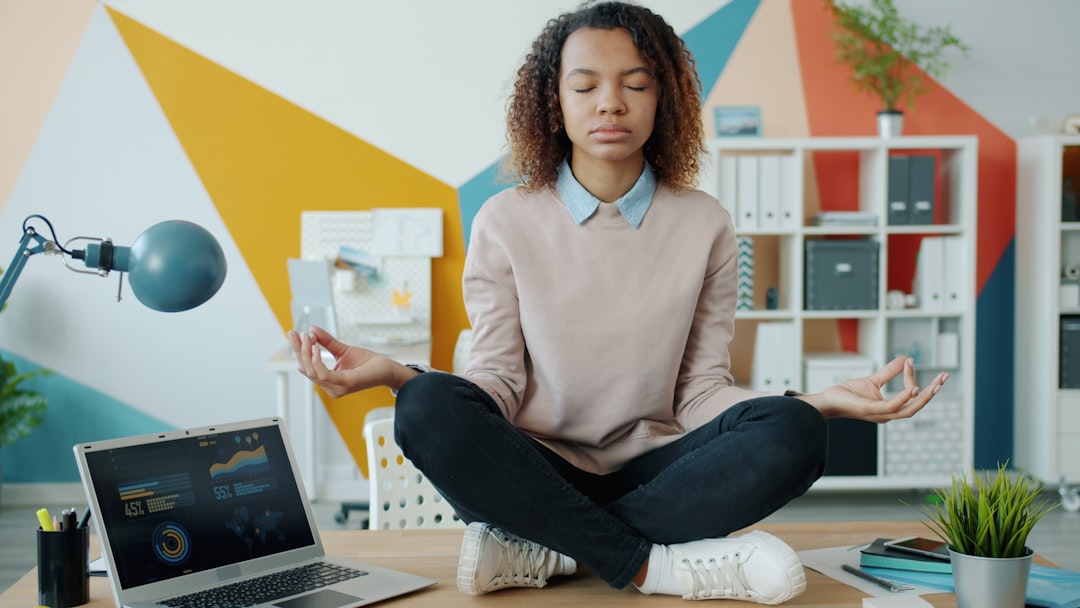
Pranayama breathwork is one of the most powerful tools India has always had for fighting stress, and millions of remote workers are only just discovering it.
Why WFH burnout is a real problem in India
A Deloitte India survey on workplace well-being found that nearly 50% of professionals reported experiencing burnout, with blurred work-life boundaries as one of the biggest contributors. This is not a small number. This is half of your colleagues, your neighbours, perhaps you.

For many Indian professionals, the home office has introduced a different and less discussed problem: an environment that makes it very hard to switch off. Burnout among remote workers has been a recurring theme in workplace surveys. The reasons include the collapse of physical boundaries between work and rest and the tendency to work longer hours when the office is always technically open.
South Asia has the longest average work hours in the world at 49 hours per week, and over a third of the global workforce already works beyond the 48-hour threshold. Our ambition is a strength. But our bodies need recovery, and pranayama breathwork gives us exactly that.
What pranayama breathwork actually does to your body
Breathwork is not new. It is the latest expression of a long history of breathing techniques, including pranayama from India, that have been used for thousands of years to promote a healthy mind and body.
Studies on pranayama highlight improvements in inflammatory mediators and perceived stress reduction. In plain terms, regular practice teaches your body to stop treating every deadline as a physical threat. Regular practice improves the balance between the sympathetic and parasympathetic systems, which is crucial for maintaining physical and mental health, particularly for managing stress and anxiety.
A meta-analysis of randomised controlled trials showed that breathwork interventions significantly reduced self-reported stress, anxiety, and depressive symptoms. That is the science. The tradition already knew this thousands of years ago.
6 pranayama breathwork techniques you can practise today
1. Nadi Shodhana (alternate nostril breathing)
Nadi Shodhana balances energy in the body. By inhaling through 1 nostril and exhaling through the other, you create harmony between your left and right brain. Practise 5 rounds before your first meeting of the day. Techniques like Nadi Shodhana calm the mind and reduce anxiety.
2. Bhramari (bee breath)
Bhramari Pranayama involves closing your eyes, inhaling gently, and then humming softly on the exhale, like the low buzz of a bee. This gentle hum sends calming vibrations through your face, skull, and nervous system, with a profoundly soothing effect on both the mind and body, making it a perfect technique for anyone in a state of burnout or depletion. A study of 109 post-COVID medical students who practised Bhramari Pranayama for 30 days showed significant improvements in heart rate variability, a key marker of the body’s ability to handle stress.
3. Kapalbhati (skull-shining breath)
Kapalbhati focuses on forceful exhales followed by passive inhales. It enhances clarity while cleansing the respiratory system. Start with 30 rapid exhales per round. Practices like Kapalbhati stimulate and energise the body. Use this technique at midday when your screen fatigue peaks.
4. Anulom Vilom
Anulom Vilom combines alternate nostril breathing with breath retention for deeper relaxation. This method encourages focus and improves lung capacity while promoting emotional balance. It differs from Nadi Shodhana in that it actively maintains equal flow of prana through both energy channels. Practising anulom vilom regularly helps maintain calmness and improves lung capacity.
5. Ujjayi (ocean breath)
Ujjayi breath creates an ocean-like sound through gentle constriction at the back of the throat. This calming technique promotes mindfulness. Practise it for 3 to 5 minutes after lunch to prevent the afternoon energy drop. It is also a natural focus anchor when your mind wanders during long video calls.
6. Sama Vritti (box breathing)
Box breathing, inhaling 4 counts, holding 4, exhaling 4, holding 4, directly activates the parasympathetic nervous system. Doing this for even 5 minutes helps counter the chronic sympathetic activation of burnout. Sama Vritti is ideal during times of transition or after a strenuous practice to align energy and promote balance. This is your emergency reset between back-to-back calls.






Expert perspective on pranayama for modern stress
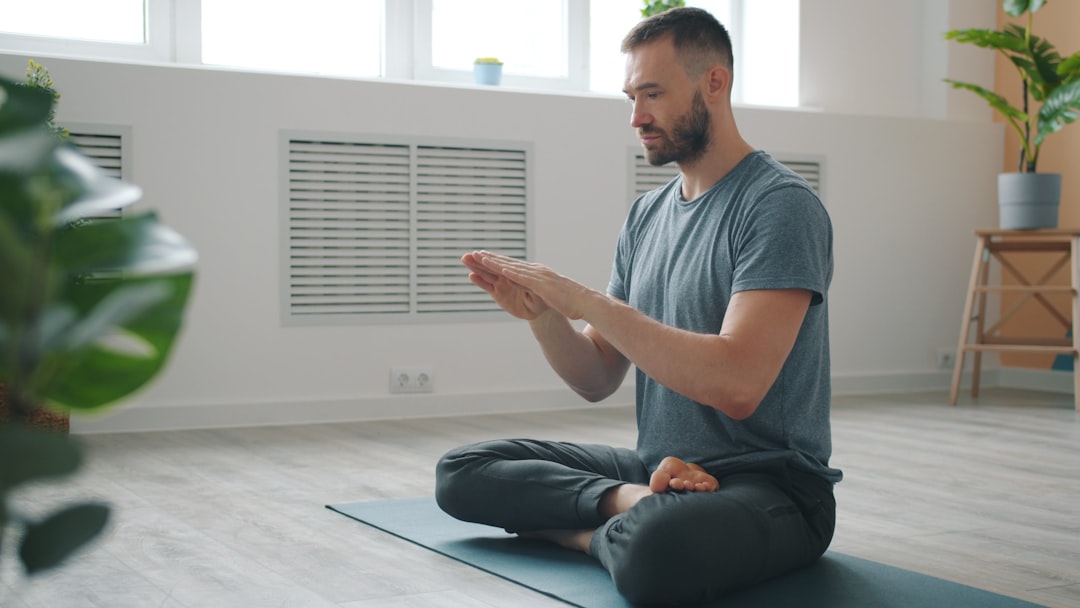
Pranayama breathwork offers something that most modern stress-management tools cannot: it works from the inside out, through a physiological pathway your body already trusts. When a remote professional uses slow, controlled breathing consistently, the vagus nerve is stimulated and the parasympathetic nervous system takes over. The nervous system stops producing excess cortisol. Over time, this is not just calming; it is structurally rebuilding the body’s stress response. The beauty of these classical techniques is that they require no equipment, no screen, and no subscription. 5 to 10 minutes of genuine practice daily produces measurable shifts in heart rate variability within weeks. For Indian workers navigating high-pressure remote roles, pranayama is not an alternative to modern medicine; it is a complementary and accessible daily tool rooted in thousands of years of applied human experience.
Industry perspective, yoga therapy and integrative wellness practitioners in India
How to build a daily pranayama breathwork routine
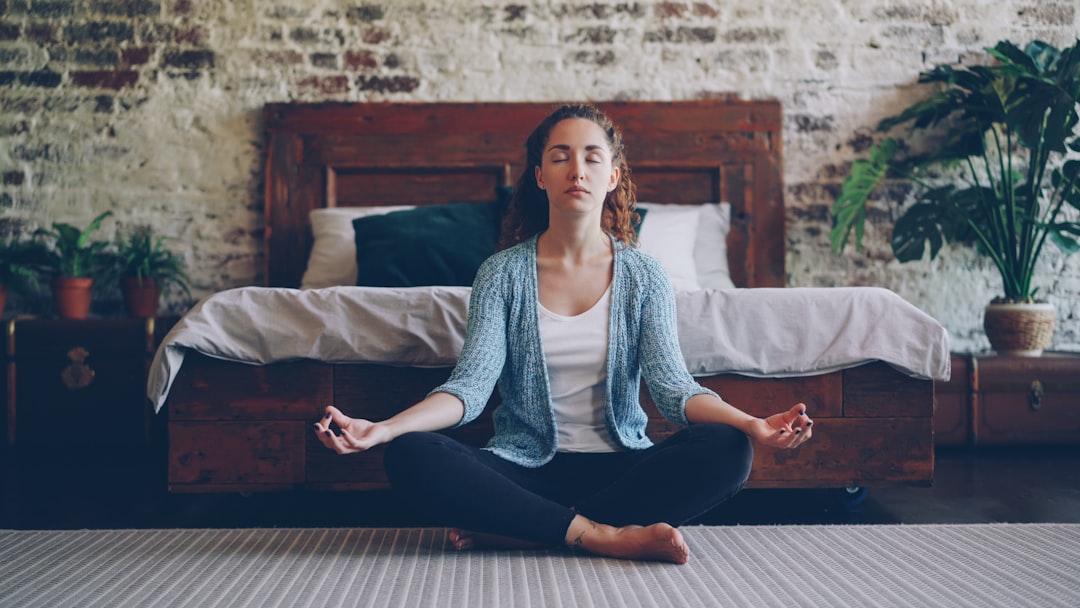
Consistency matters far more than duration. The goal is not to master multiple methods quickly, but to build consistency over time. Begin with 1 technique for 5 minutes each morning before you open your laptop.
One common misconception is that pranayama breathing is only for advanced practitioners. In reality, many techniques are accessible to beginners. You do not need a yoga mat, a studio, or a special room. A chair, a quiet corner of your home, and 5 minutes are enough to start.
Slow-paced breathing is particularly effective in promoting parasympathetic activity and increasing heart rate variability. So prioritise the calming techniques first: Nadi Shodhana, Bhramari, and Sama Vritti. Add the more energising ones, like Kapalbhati and Bhastrika, once you feel comfortable.
Conclusion
Pranayama breathwork is not a wellness trend imported from somewhere else. It was born right here, in our own classical tradition, refined over centuries and now supported by modern science. For individuals experiencing chronic stress or burnout, pranayama breathwork can provide a practical way to interrupt cycles of overthinking and tension. India’s remote workers deserve a tool that is free, powerful, and culturally their own. Start with 1 technique tomorrow morning. Let your breath do what it was always designed to do: bring you back to yourself. Try pranayama breathwork today, share this article with a colleague who needs it, and tell us your favourite technique in the comments below.
Discover more about pranayama breathwork
- The Science Behind Breathwork and Stress Reduction (News-Medical)
- Effectiveness of Pranayama for Mental Disorders: Systematic Review and Meta-Analysis (Frontiers in Psychiatry)
- Workplace Burnout in India: Causes, Stats and Solutions (MHFA India)