

What Eid al-Adha Means for India’s Economy
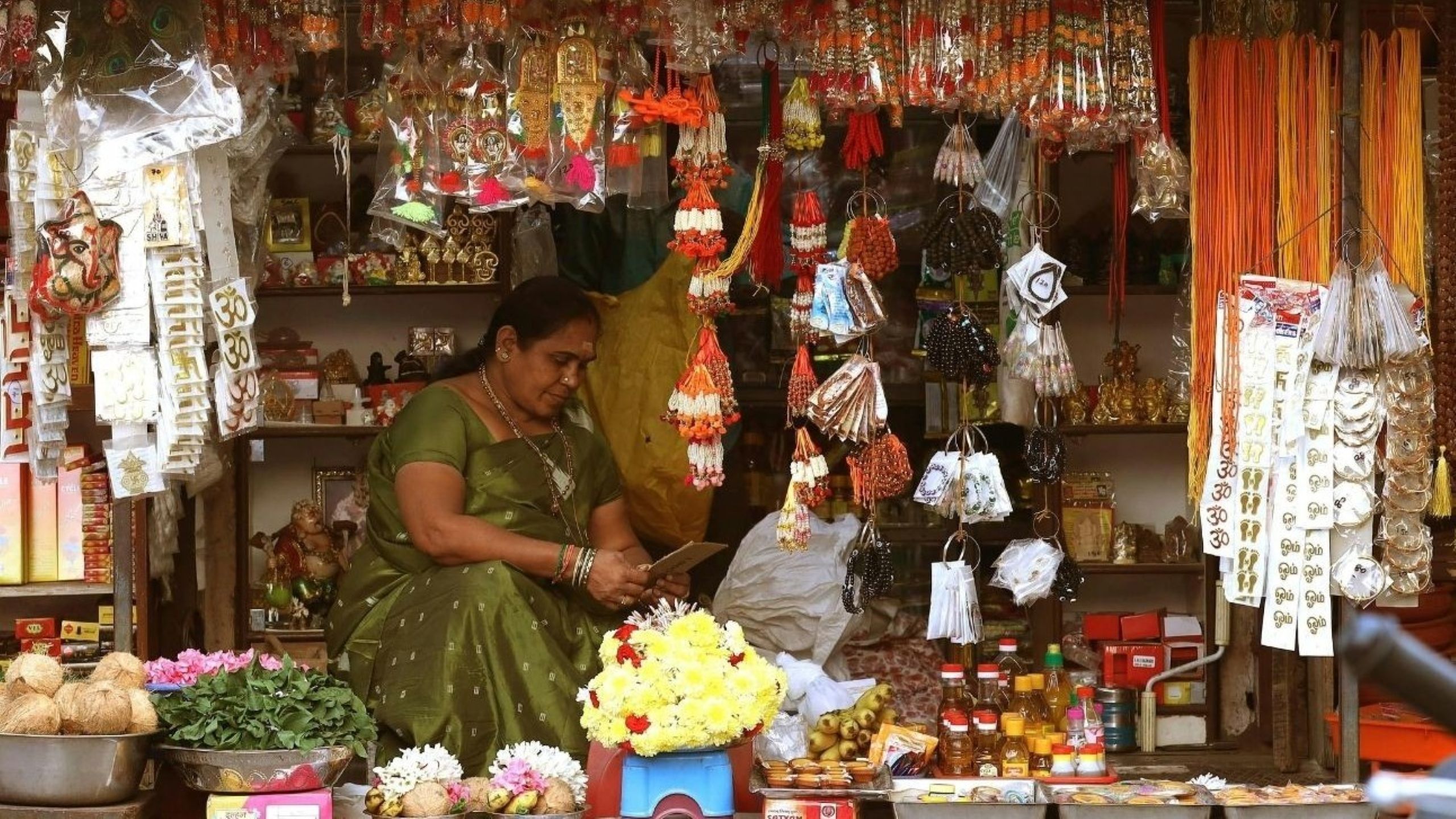
Eid al-Adha is one of the largest consumer spending events in India’s festival calendar. The celebration creates immediate demand across food, clothing, livestock, and household goods. Millions of families across the country make purchases in the weeks before and during the festival period.

India’s private consumption growth rose from 8% in the 2022 to 2024 period to 10.5% in 2025, driven by GST cuts, income tax relief, easing inflation, and lower lending rates. This improved economic environment means more families have greater spending capacity entering Eid al-Adha 2026. Furthermore, India’s consumer sector is driven by a shift towards premium, quality, and value-driven purchases rather than just volume in 2026. This trend is visible in Eid spending patterns as well.

The Livestock and Food Economy During Eid
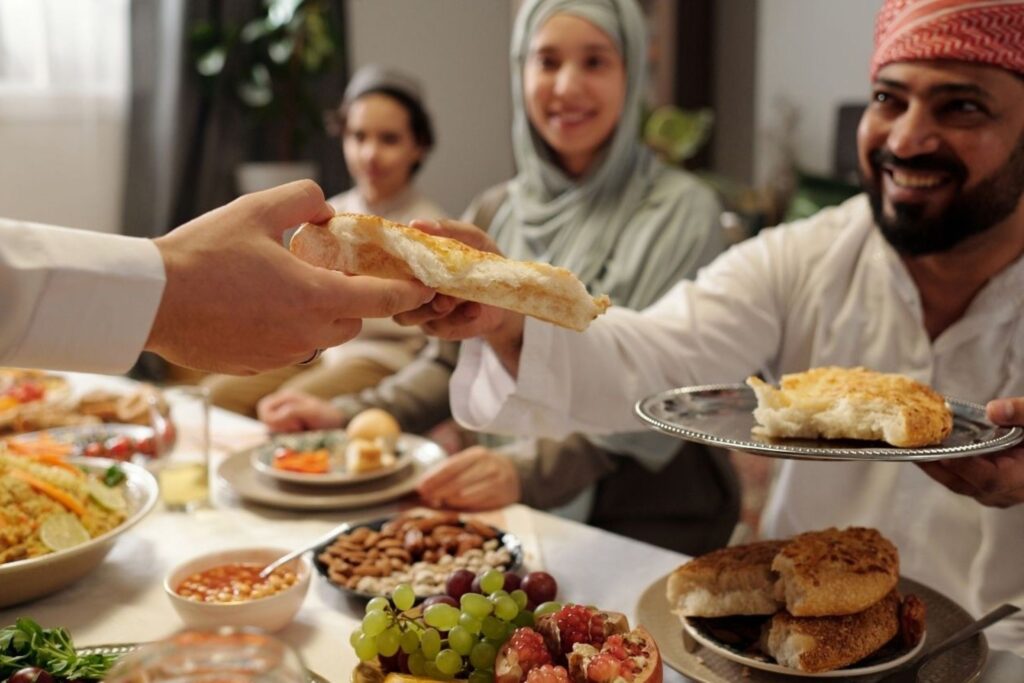
The Qurbani tradition places the livestock market at the centre of Eid al-Adha economic activity. The meat from the sacrifice is traditionally divided into 3 parts: one for the family, one for relatives and friends, and one for those in need. This distribution creates spending and activity across animal traders, butchers, transport providers, and food markets simultaneously.
In cities such as Mumbai, Hyderabad, Lucknow, and Delhi, temporary livestock markets operate in the days before Eid. These markets generate significant income for traders, transporters, and vendors. Moreover, the food economy extends beyond meat. Families invest in spices, cooking ingredients, sweets, and packaged foods to prepare festive meals for guests.

Craft export: scale without losing handmade soul
India's craft export sector is worth nearly USD 5 billion and growing fast. Founders across the country are now building...
Onam festival: Kerala’s harvest goes global
Onam festival is no longer just Kerala's harvest celebration. It is a 10-day global ritual of homecoming, plant-based eating, mindful...







Kerala retreats for Ayurvedic reset
Kerala retreats during Onam season offer something rare: the chance to celebrate one of India's most beloved festivals while undergoing...

Zero-chemical cleaning kit for Indian homes
A zero-chemical cleaning kit does not require a specialty store or a large budget. India's own kitchen shelves hold 5...












The point about livestock markets in UP and Telangana driving rural cash flow is spot on. Most analysts completely overlook this every year.
Was just discussing this with a colleague last week, the ripple effect on tailoring shops and leather goods is something most reports completely miss. Good to see it actually covered here.
Honestly the part about quick commerce platforms catching up on Eid orders surprised me a bit, because in my family we still go to the local butcher days in advance, no app can replace that ritual. But I get why younger couples in Mumbai or Bangalore would rely on Blinkit and the like, time is short and traffic is brutal. Curious to see if traditional markets actually lose share next year or hold steady.
The point about Indian mutton being highly sought after for export markets like the UAE is worth more than a passing mention. Indian livestock and meat exports to the Gulf spike heavily in the weeks before Eid al-Adha, and the entire logistics chain from Punjab and Telangana farms to Dubai port operates on a holiday calendar that most non-Muslim Indians never see. This is one of those quiet billion-dollar flows that sits outside the standard retail conversation entirely.
Sweet shops, tailors, livestock vendors all peaking in the same two-week window is a genuine micro-economic event. The 2021 Covid year showed exactly what its absence costs the informal sector.