

Why Does Heritage Travel in India Matter Globally?
India is experiencing a strong rise in cultural tourism. Visitor numbers to heritage sites increased by 35% between 2022 and 2024, according to the Ministry of Tourism. International and domestic travelers are choosing UNESCO sites as primary destinations for their India itineraries.

The Indian government has invested heavily in site preservation and visitor infrastructure. Several major sites now offer digital guides, improved transport links, and new visitor centers. These improvements make heritage travel more accessible for all age groups and budgets.
Furthermore, India’s heritage sites generate significant global media attention each year. Platforms like Instagram and YouTube bring millions of new visitors to monuments they discover online. This digital visibility accelerates interest in India as a primary culture destination worldwide.
Sites 1 and 2: The Taj Mahal and Agra Fort
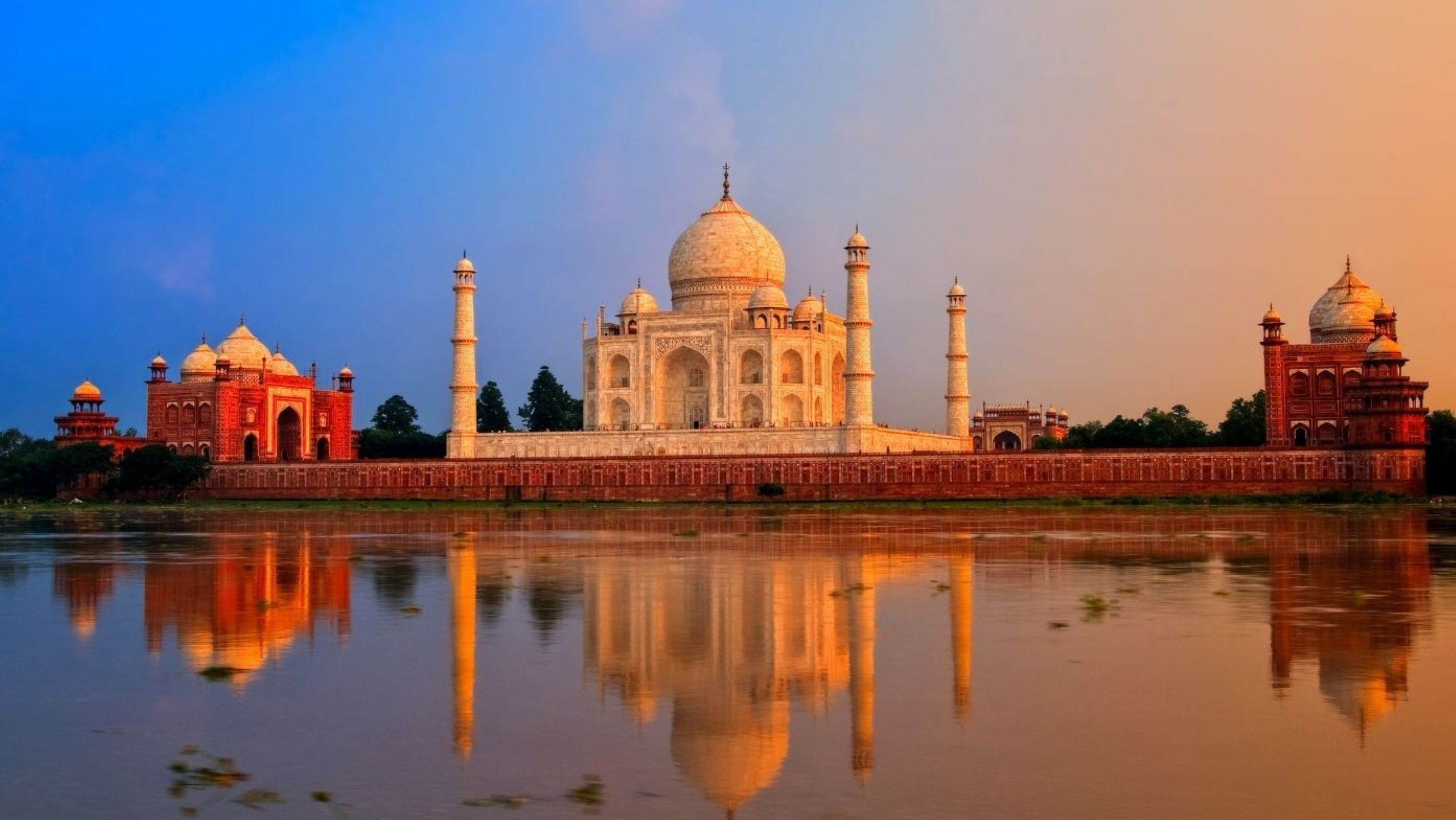
The Taj Mahal in Agra is the most visited heritage site in India. Built by Emperor Shah Jahan in the 17th century, this white marble monument is a UNESCO site and a global symbol of Mughal architecture. Approximately 7 to 8 million visitors arrive each year.
Agra Fort stands 2 kilometers from the Taj Mahal and forms part of the same UNESCO listing. The fort served as the main residence of Mughal emperors for generations and contains palaces, mosques, and audience halls. Visiting both monuments in a single day is practical and highly recommended.
The best time to visit Agra is between October and March when temperatures remain comfortable. Arrive before 8:00 AM to experience the Taj Mahal with fewer crowds. The changing light at sunrise gives the marble a soft pink appearance that photographers and casual visitors both appreciate.

Sites 3 and 4: Hampi and Khajuraho
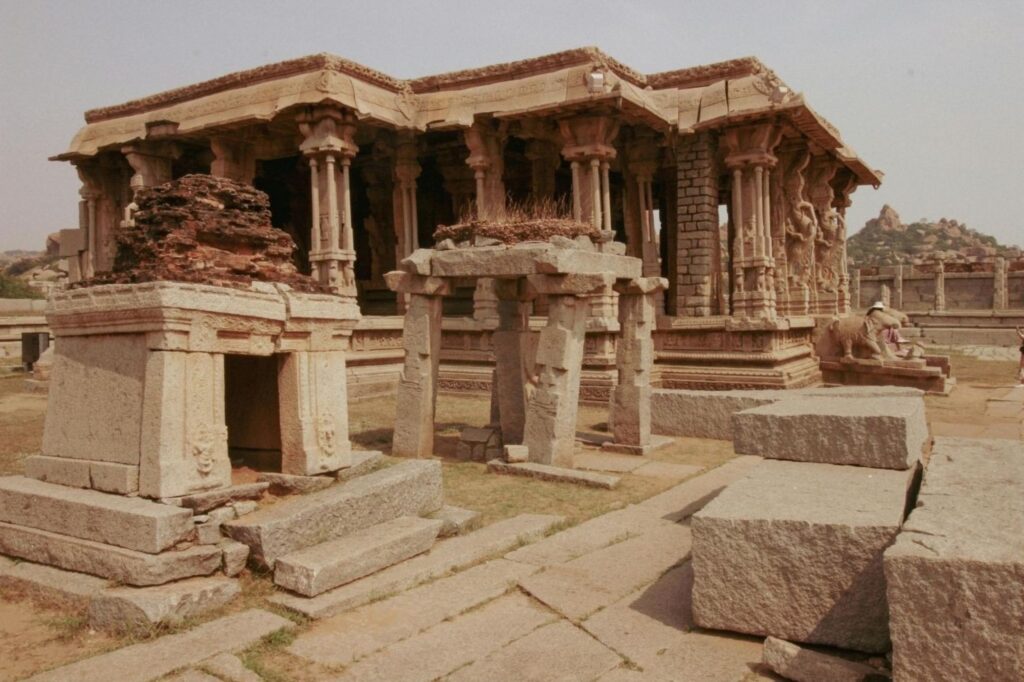
Hampi is a UNESCO World Heritage Site in northern Karnataka. The ruins of the Vijayanagara Empire spread across a landscape of boulders and rivers, with over 500 monuments remaining. The site receives fewer visitors than Agra, which means a more personal heritage travel experience.
The Khajuraho Group of Monuments in Madhya Pradesh is known for exceptional stone carvings built between 950 and 1050 CE. The temples depict religious figures, animals, and scenes from everyday life. A light and sound show runs each evening and presents the history in an accessible format.





Both sites suit travelers who prefer slower, more immersive culture experiences. Additionally, local guides at both locations provide detailed historical context that enhances the visit significantly. Plan at least 2 full days at each site to appreciate the full scale of the monuments.

Onam festival: Kerala’s harvest goes global
Onam festival is no longer just Kerala's harvest celebration. It is a 10-day global ritual of homecoming, plant-based eating, mindful...

Kerala retreats for Ayurvedic reset
Kerala retreats during Onam season offer something rare: the chance to celebrate one of India's most beloved festivals while undergoing...

Zero-chemical cleaning kit for Indian homes
A zero-chemical cleaning kit does not require a specialty store or a large budget. India's own kitchen shelves hold 5...

Carnatic music: a complete beginner’s guide
Carnatic music is one of South India's most profound classical traditions, built around ragas, rhythm, and centuries of devotional composition....
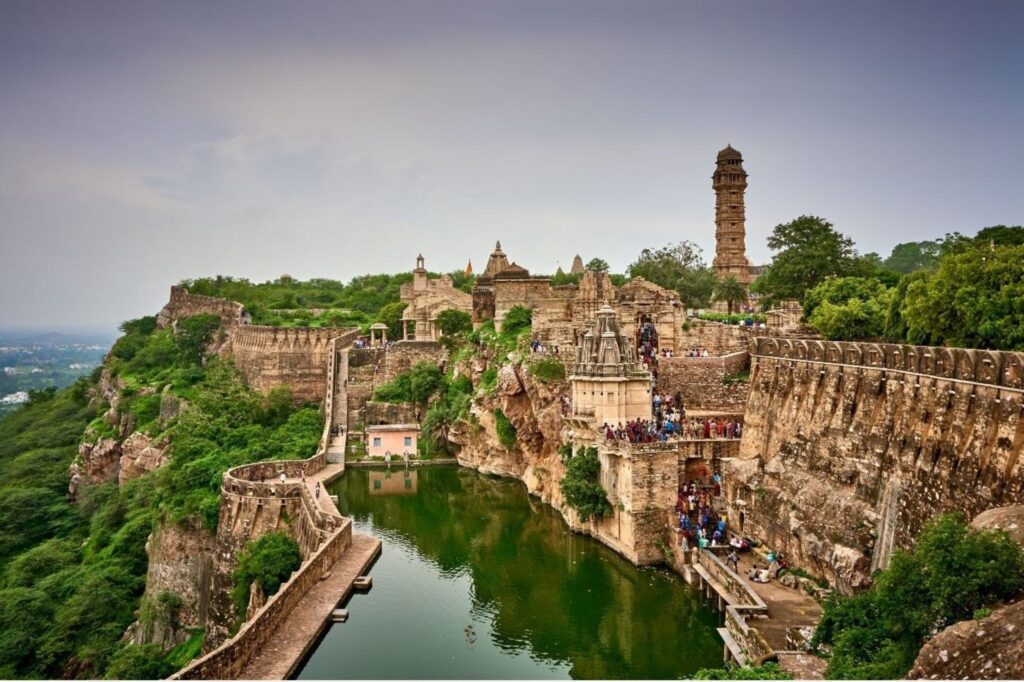
Planning and Itinerary Strategies for Heritage Travel
A well-structured itinerary helps travelers visit the most significant monuments without unnecessary travel time. Below are 3 recommended route options for 2026:
- Golden Triangle with Agra: Delhi, Jaipur, Agra Fort, Taj Mahal. Suitable for first-time visitors. Duration: 7 days.
- Central India Circuit: Khajuraho, Ajanta, Ellora. Suitable for culture-focused travelers. Duration: 10 days.
- South India Heritage Route: Hampi, Mahabalipuram, Thanjavur. Suitable for those interested in Dravidian architecture. Duration: 10 to 12 days.
Additionally, book monument entry tickets online at least 2 weeks in advance during peak season between October and February. Hiring a certified guide at each site significantly improves the quality of the experience. Allocate at least 70% of your travel budget to accommodation near the monuments for convenience and comfort.









Mahabalipuram. Full stop. That Shore Temple right on the Bay of Bengal is one of those places that photographs cannot prepare you for.
That ten day South India Heritage Route sounds incredible. Does it actually give you enough time to fully appreciate the Dravidian architecture in Thanjavur and Mahabalipuram without feeling totally rushed by the schedule?
Khajuraho kept getting bumped from my itinerary every time I planned an India trip, and reading this finally made me commit to including it. The evening light and sound show sounds like exactly the kind of thing I’d normally skip but actually end up loving. The carvings from 950 to 1050 CE covering everyday life alongside religious scenes, there’s something quietly radical about that. Adding at least two full days like the article suggests.
The Central India Circuit covering Khajuraho, Ajanta, and Ellora in 10 days sounds absolutely right to me. Most people rush through one or skip the caves entirely because they’re so focused on Rajasthan, which is a shame. Ajanta alone, with those Buddhist paintings from the 2nd century BCE still visible on the rock walls, deserves at least two full days. I’d actually push the itinerary to 12 days if you want to absorb it properly rather than just tick boxes.
Glad you included Ajanta and Ellora rather than just the postcard sites everyone already knows. Buddhist rock-cut temples from the 2nd century BCE with paintings still legible after two thousand years should be on every serious traveler’s radar, not just art historians’. The fact that Ellora layers Buddhist Hindu and Jain traditions across a single site is almost philosophical when you stand there. Most guidebooks rush past it in three lines.