


Japan India collaboration has transformed into a strategic technology partnership. Japanese companies are investing billions in Indian tech sectors. Moreover, this cooperation spans artificial intelligence, manufacturing, and infrastructure development. The partnership creates jobs and accelerates innovation across both nations. Indeed, 2026 marks a pivotal year for deepening these technological ties.
Why Is Japan India Technology Cooperation Growing?
Both countries share democratic values and economic ambitions. Japan seeks reliable manufacturing partners beyond China. India offers a skilled workforce and growing consumer market. Additionally, geopolitical factors strengthen bilateral technology partnerships.

Japanese firms invested $4.2 billion in India during 2025. These investments target semiconductors, electric vehicles, and digital infrastructure. Furthermore, the collaboration addresses supply chain resilience and regional stability.
What Are the Key Investment Sectors?
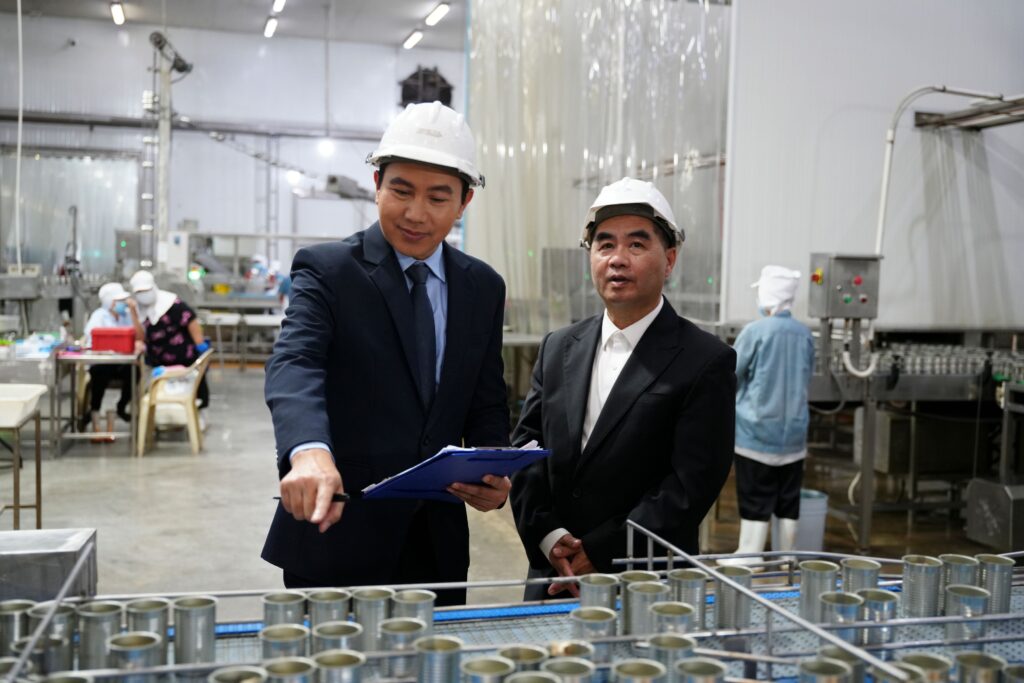
Manufacturing remains the cornerstone of Japan India cooperation. Japanese automakers operate major production facilities across Maharashtra and Tamil Nadu. Toyota, Honda, and Suzuki continue expanding their Indian operations.
Electronics manufacturing attracts significant Japanese investment. Companies establish component factories in Gujarat and Andhra Pradesh. These facilities support global supply chains. Consequently, India becomes a critical manufacturing hub for Japanese technology firms.
Renewable energy projects receive substantial funding. Japanese banks finance solar and wind energy installations. Such investments support India’s clean energy transition goals.
How Does Technology Transfer Benefit India?
Japanese companies share advanced manufacturing techniques with Indian partners. This knowledge transfer improves production quality and efficiency. Furthermore, Indian engineers receive training in cutting-edge technologies.

Research and development centers multiply across Bangalore, Pune, and Hyderabad. Japanese tech giants collaborate with Indian startups on innovation projects. These partnerships accelerate product development cycles. Therefore, both nations gain competitive advantages in global markets.
Digital transformation initiatives receive Japanese expertise and investment. Indian businesses adopt Japanese management systems and quality control standards. This cooperation enhances India’s technological capabilities significantly.

What Indian Leaders Say About the Partnership
Rajesh Mehta, Technology Director, Indo-Japan Chamber of Commerce
“Japanese investment transformed our manufacturing landscape completely. Our members secured contracts worth ₹500 crore last year. Technology transfer programs trained over 2,000 Indian engineers. Quality standards improved by 40% across partner factories.”
“Japanese companies brought discipline and innovation to operations. Production efficiency increased by 35% within eighteen months. Our bilateral trade reached record highs in 2025. India now exports high-tech components back to Japan.”
Economy Outlook: India Q2 Growth Sectors 2026
The outlook for India's economy in Q2 of 2026 shows robust growth momentum across multiple sectors. Moreover, GDP projections indicate...
Holi 2026: India’s 8 Best Festival Destinations
The Holi festival transforms India into a kaleidoscope of colours, celebrating the arrival of spring and the triumph of good...
Diwali 2026 Retail Surge: E-commerce and Festival Shopping Strategies
The retail surge during Diwali transforms India's commercial landscape, generating ₹3 lakh crores annually. Furthermore, the festival season from September...
Heritage Tourism: India Cultural Economics 2026
Heritage tourism dominates India's travel industry generating billions through cultural sites and monuments. Moreover, the nation boasts 40 UNESCO World...
Which Indian Cities Lead Japan India Collaboration?
Mumbai hosts the largest concentration of Japanese companies. Over 400 Japanese firms operate in Maharashtra’s capital. The city offers excellent infrastructure and business connectivity. Financial services and trading companies dominate this presence.
Bangalore emerges as the technology cooperation hub. Japanese IT firms partner with Indian software companies here. Additionally, automotive R&D centers cluster in the city. The ecosystem supports rapid innovation and commercialization.
Chennai serves as the manufacturing powerhouse. Japanese automakers built extensive supply chains in Tamil Nadu. The state government actively promotes Japan India industrial partnerships. Consequently, Chennai attracts consistent Japanese investment flows.
What Does the Future Hold for This Partnership?
The Japan India partnership will deepen through 2026 and beyond. Both governments prioritize technology cooperation in bilateral agreements. Semiconductor manufacturing receives special focus for collaboration. Indeed, joint ventures will produce advanced chips domestically.
Space technology offers new cooperation opportunities. JAXA and ISRO explore joint satellite missions. These projects enhance both nations’ space capabilities. Furthermore, private sector participation increases in space ventures.
Artificial intelligence and quantum computing present emerging collaboration areas. Japanese research institutions partner with Indian tech institutes. Such partnerships position both countries as technology leaders. Therefore, innovation accelerates through combined expertise and resources.

Useful Resources on Japan India Technology Partnership
Official Government Resources
- Ministry of External Affairs – India Japan Relations
- Japan External Trade Organization (JETRO) India
- Invest India – Japan Desk
Business and Industry Insights
Research and Analysis
These resources provide updated information on investment trends and partnership opportunities.